EEG Test Explained: When Brain Wave Monitoring Is Recommended
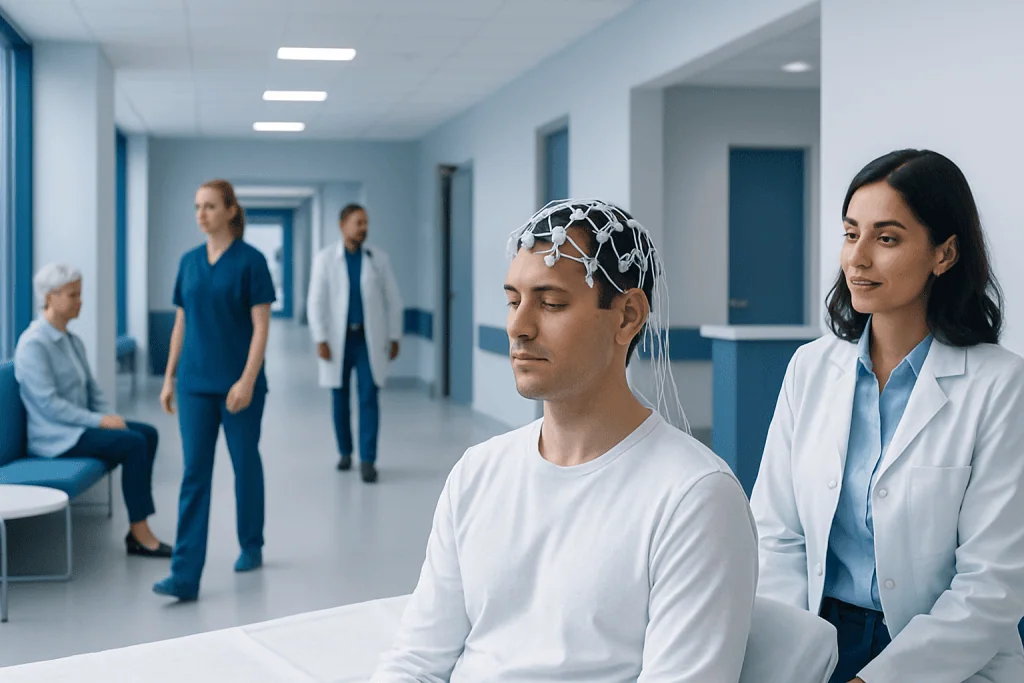
An EEG measures brain wave patterns using small electrodes placed on the scalp. The test is painless and does not send electricity into the brain.
Key Takeaways
- An EEG measures brain wave patterns using small electrodes placed on the scalp.
- The test is painless and does not send electricity into the brain.
- EEG is often used to help evaluate seizures, epilepsy, fainting, confusion, and sleep-related concerns.
- Preparation may include clean hair, avoiding certain hair products, and following specific instructions about sleep or medicines.
- A normal or abnormal EEG result must be interpreted together with symptoms, medical history, and other tests.
An EEG, or electroencephalogram, is a painless test that records the brain’s electrical activity. It is commonly recommended when a doctor needs more information about seizures, blackouts, sleep problems, or other symptoms that may involve the brain and nervous system.
Overview: What an EEG Test Is
An EEG, short for electroencephalogram, is a test that records the brain’s electrical activity. Brain cells communicate through tiny electrical signals, and an EEG captures these signals as wave patterns. The recording is made through small sensors called electrodes that are placed on the scalp.
The test is widely used in neurology because it can provide helpful information about how the brain is functioning at the time of the recording. It does not involve surgery, and it does not put electricity into the body. For most people, it is a simple and well-tolerated procedure performed in a hospital, clinic, or specialized sleep or neurology unit.
An EEG can be done while a person is awake, drowsy, or asleep, depending on the reason for testing. In some cases, a routine EEG lasts less than an hour. In others, doctors may recommend prolonged monitoring over many hours or even days to capture symptoms that happen only occasionally.
When Brain Wave Monitoring Is Recommended
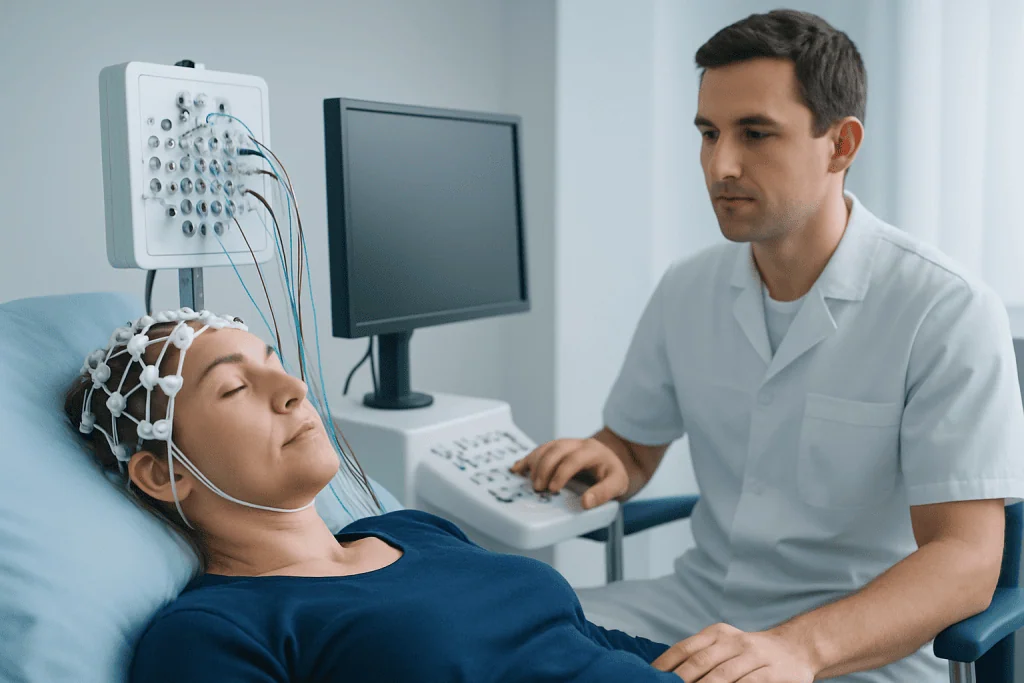
Doctors may recommend an EEG when symptoms suggest that brain activity should be examined more closely. One of the most common reasons is to help investigate suspected seizures or to support the diagnosis and follow-up of epilepsy. An EEG can also be useful after unexplained blackouts, episodes of staring, sudden confusion, unusual movements, or brief periods of lost awareness.
Brain wave monitoring may also be recommended for sleep-related concerns, especially when a doctor wants to understand whether events during sleep could be related to seizures or other neurological problems. It can be part of a broader sleep assessment in selected cases. In intensive care settings, EEG may be used to monitor brain function in critically ill patients, including those with altered consciousness.
Sometimes the test is ordered to help evaluate symptoms such as memory problems, persistent confusion, head injury effects, or suspected inflammation affecting the brain. EEG does not diagnose every brain condition on its own, but it can add important information when combined with a neurological examination, imaging, and medical history. In patients with recurrent episodes that might resemble movement-related neurological symptoms or other nervous system disorders, doctors use EEG selectively to distinguish between possible causes.
How the EEG Procedure Works
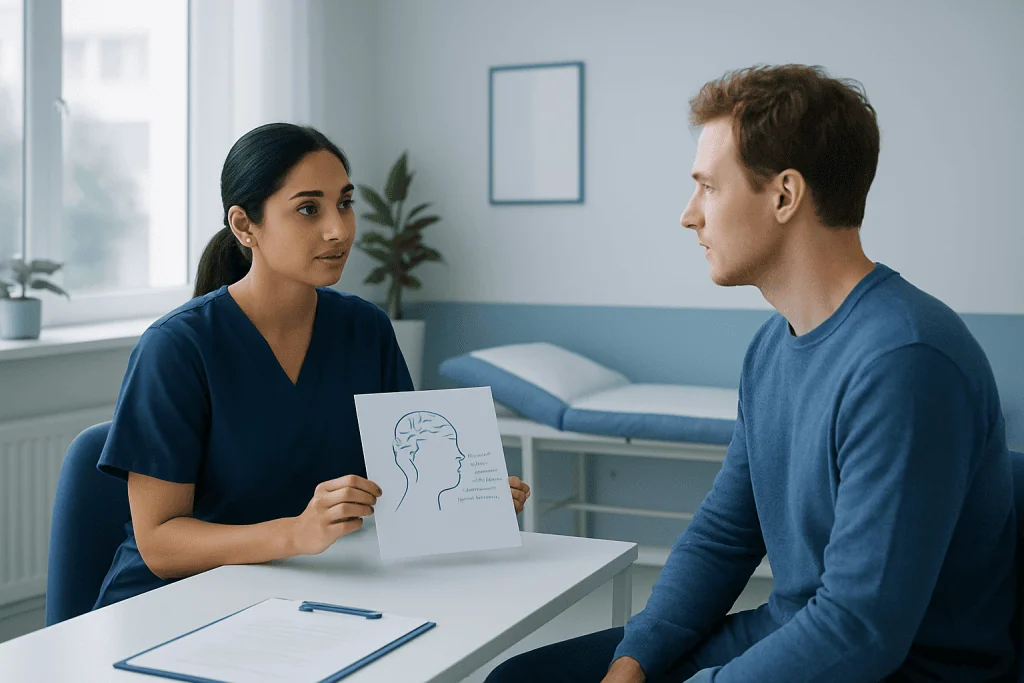
During the test, a technician measures the scalp and places several electrodes in specific positions. These electrodes are attached with a paste, adhesive, or a soft cap. The sensors detect electrical signals produced by the brain, and a computer records them as lines and waveforms. The person having the test usually lies back or rests comfortably in a chair or bed.
A routine EEG is painless. The electrodes only record signals; they do not shock, stimulate, or harm the brain. The person may be asked to relax, open and close the eyes, breathe deeply for a few minutes, or look at a flashing light. These simple steps can help reveal brain wave changes that might not appear during quiet rest alone.
If symptoms tend to occur during sleep, the doctor may request a sleep-deprived EEG or an overnight study. For intermittent events, prolonged video EEG may be recommended so that brain waves and visible symptoms can be recorded at the same time. In some situations, doctors combine EEG findings with other neurological evaluations, and further assessment may involve tests such as brain MRI to look at brain structure.
What EEG Can Help Diagnose or Evaluate
EEG is best known for its role in assessing seizures and epilepsy. It can detect patterns that suggest an increased tendency for seizures or help classify the type of seizure disorder. This information may help guide treatment decisions and long-term follow-up. However, a normal EEG does not completely rule out epilepsy, because abnormal activity may not occur during the recording.
Beyond seizures, EEG may help in the evaluation of fainting spells, episodes of unresponsiveness, sleep-related events, confusion, or suspected brain dysfunction after infection, stroke, or injury. In critical care, continuous EEG can help identify ongoing seizure activity that is not visible from the outside. It may also be used to monitor the effect of treatment in patients with serious neurological illness.
It is important to understand that EEG is only one part of diagnosis. Doctors often interpret the test alongside symptoms, examination findings, and imaging studies. Depending on the situation, related assessments may include a neurological examination or additional tests such as blood work and imaging. This combined approach helps reduce uncertainty and supports more accurate decision-making.
Preparing for an EEG and What to Expect Afterward
Preparation instructions vary, so patients should follow the advice given by their care team. In general, hair should be clean and free of oils, sprays, gels, or creams because these products can affect electrode attachment. The doctor may also advise eating normally beforehand unless a special instruction is given.
Some people are asked to reduce sleep the night before if a sleep-deprived EEG is planned. The purpose is to make it easier to record drowsiness or sleep, which can reveal useful patterns. Patients should ask whether they should continue their regular medicines, because this depends on the reason for the test and the prescribing doctor’s guidance.
After the EEG, most people can return to usual activities right away. The paste used for the electrodes may leave the hair slightly sticky until it is washed. If the test involved sleep deprivation, the person may feel tired and may need someone else to drive them home, depending on the clinic’s instructions and their level of alertness.
Understanding EEG Results and Their Limits
EEG results are interpreted by a specialist, usually a neurologist or clinical neurophysiologist. The report describes the background brain wave pattern and whether there are any unusual discharges or changes linked to drowsiness, sleep, hyperventilation, or flashing lights. These details can help the doctor understand whether the recording supports a particular neurological explanation for symptoms.
An abnormal EEG does not automatically mean a person has epilepsy or another serious disease. Some changes can be non-specific, and some people may have unusual findings without having frequent symptoms. On the other hand, a normal EEG does not always exclude a seizure disorder, especially if symptoms are occasional and did not happen during the test.
For this reason, EEG results are most useful when viewed in context. If symptoms continue but the routine EEG is normal, the doctor may recommend longer monitoring, repeat testing, or other studies such as EMG when the concern may involve nerves or muscles rather than brain wave activity. At centers such as Acibadem International, multidisciplinary specialists in JCI-accredited hospitals evaluate these findings for international patients as part of a broader neurological workup.
When to See a Doctor
A person should seek medical advice if they experience unexplained fainting, episodes of lost awareness, new shaking movements, repeated confusion, unusual staring spells, or sudden changes in behavior that could reflect abnormal brain activity. These symptoms do not always mean a seizure disorder, but they deserve proper evaluation by a qualified clinician.
Urgent medical care is especially important if symptoms are prolonged, happen for the first time, follow a head injury, or occur with weakness, trouble speaking, severe headache, fever, or persistent confusion. In children, episodes of unusual jerking, staring, or unresponsiveness should also be assessed promptly.
Early evaluation helps doctors choose the right tests and avoid unnecessary delay. An EEG may be part of that process, but the decision depends on the pattern of symptoms, medical history, age, and examination findings. Patients should bring a clear description of what happened, and if possible, a witness account or video of an episode, as this can be very helpful for diagnosis.
Frequently asked questions
What does an EEG test show?
An EEG shows the electrical activity of the brain in the form of wave patterns. Doctors use it to look for changes that may help explain seizures, blackouts, confusion, or certain sleep-related events.
Is an EEG painful or dangerous?
No, an EEG is generally painless and considered very safe. The electrodes only record brain activity from the scalp and do not send electricity into the brain.
How long does an EEG test take?
A routine EEG often takes less than an hour, although the total appointment may be a bit longer. Some people need prolonged or overnight monitoring if symptoms are infrequent or happen mainly during sleep.
Can a normal EEG rule out epilepsy?
No, a normal EEG does not completely rule out epilepsy. Abnormal brain activity may not happen during the short period of recording, so the doctor may still recommend repeat or longer monitoring if symptoms strongly suggest seizures.
Do patients need to stop medicines before an EEG?
Patients should not stop any medicine unless their doctor specifically tells them to do so. Whether medicines should be continued depends on the reason for testing and the person’s overall medical situation.
Why might a doctor order a sleep-deprived EEG?
Sleep deprivation can make certain brain wave changes easier to detect in some people. It may also help the patient fall asleep during the test, which can provide additional useful information.
References
- World Health Organization
- National Institute of Neurological Disorders and Stroke
- Mayo Clinic
- American Clinical Neurophysiology Society
- Epilepsy Foundation
This article is for general information only and is not a substitute for professional medical advice. Please consult a qualified doctor about your individual situation.
Hair transplant in Turkey — costs, graft counts & a free assessment
JCI-accredited · board-certified surgeons · reply within 24h
Add us as a Preferred Source to see more of our trusted health content across Google Search, AI Overviews and Discover.