Headache Relief Medicines: Which Options Work Best?

The best headache medicine depends on whether the headache is tension-type, migraine, sinus-related, or caused by another problem. Common over-the-counter options include acetaminophen and nonsteroidal anti-inflammatory drugs such as ibuprofen or naproxen.
Key Takeaways
- The best headache medicine depends on whether the headache is tension-type, migraine, sinus-related, or caused by another problem.
- Common over-the-counter options include acetaminophen and nonsteroidal anti-inflammatory drugs such as ibuprofen or naproxen.
- Taking headache medicines too often can lead to medication overuse headache and may make headaches more frequent.
- People with frequent, severe, unusual, or worsening headaches should speak with a doctor for proper diagnosis and treatment.
- Medicine often works best when combined with hydration, regular meals, sleep, stress management, and trigger awareness.
Headache relief medicines can be effective, but the best option depends on the type of headache, how often it happens, and a person's overall health. Understanding common medicine choices, safe use, and when to seek medical advice can help people manage headaches more confidently.
Overview of Headache Relief Medicines
Headache is one of the most common health complaints, and many people want fast, reliable relief. Headache relief medicines can reduce pain, ease associated symptoms, and help a person return to normal activities. However, no single medicine works best for everyone, because headaches have different causes and patterns.
Broadly, headache medicines fall into two groups: acute treatments and preventive treatments. Acute treatments are taken when a headache starts to reduce pain and other symptoms. Preventive medicines are used regularly, usually for people with frequent migraines or recurring headaches, to reduce how often attacks happen and how severe they become.
Choosing the right medicine starts with understanding the headache type. Tension-type headaches often respond to simple pain relievers, while migraine may require migraine-specific medicine. A doctor may also consider age, pregnancy status, other medical conditions, and possible interactions with regular medications before recommending the most suitable option.
Common Types of Headaches and Their Symptoms
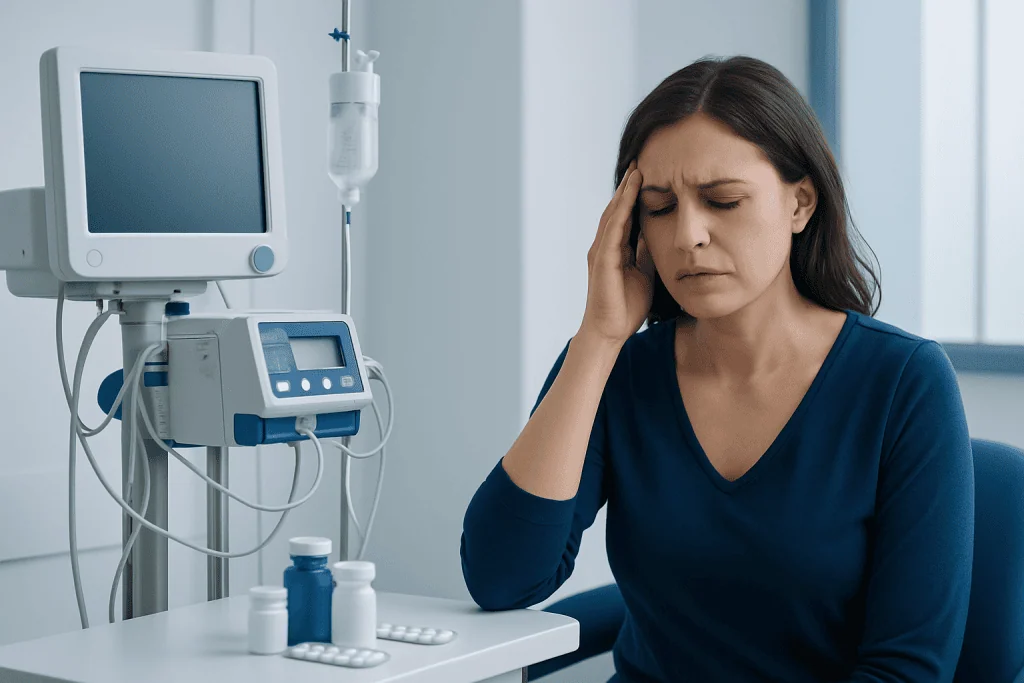
Tension-type headache is often described as a dull, pressing, or tightening pain, usually felt on both sides of the head. The neck and shoulder muscles may also feel tight. These headaches are commonly linked to stress, fatigue, poor posture, or long hours of screen use.
Migraine usually causes moderate to severe pain, often throbbing and sometimes affecting one side of the head. It may come with nausea, vomiting, and sensitivity to light, sound, or smell. Some people also experience aura, such as flashing lights or temporary visual changes, before the headache begins. People looking for more detail about migraine may benefit from information on migraine.
Other headaches can occur with sinus pressure, infection, dehydration, high fever, or overuse of pain medicines. Cluster headache is less common but can cause severe pain around one eye with tearing or nasal congestion. Because symptoms can overlap, a clear diagnosis matters, especially if headaches are new, frequent, or changing over time.
- Tension-type headache: pressure or tight band-like pain
- Migraine: throbbing pain with nausea or light sensitivity
- Cluster headache: very severe one-sided eye or temple pain
- Secondary headache: due to another condition such as infection, injury, or high blood pressure
Which Headache Relief Medicines Are Commonly Used?

For occasional mild to moderate headaches, over-the-counter medicines are often the first step. Acetaminophen may help reduce pain and is sometimes chosen by people who cannot take anti-inflammatory medicines. Nonsteroidal anti-inflammatory drugs, or NSAIDs, such as ibuprofen, naproxen, and aspirin, can also be effective, especially for tension-type headaches and some migraines.
Some people use combination products that include caffeine along with pain relievers. These may work well for certain headaches, but frequent use can increase the risk of rebound headaches or medication overuse headache. For migraine, doctors may recommend prescription medicines such as triptans, anti-nausea medicines, or newer migraine-specific options when simple pain relievers are not enough.
Preventive treatment may be considered if headaches happen often, are disabling, or do not respond well to acute treatment. Depending on the headache type, a doctor may prescribe medicines originally developed for blood pressure, seizures, or depression because they can reduce headache frequency in some people. For selected patients with chronic migraine, more advanced approaches, including Botox treatment, may be discussed as part of a broader care plan.
Even effective medicines should be used carefully. Reading labels, following dosing instructions, and avoiding duplicate ingredients are important steps. For example, some cold and flu remedies also contain pain relievers, which can lead to accidental overuse if a person is taking more than one product.
How Doctors Choose the Best Option
The best headache medicine is not always the strongest one. Doctors usually match treatment to the pattern of symptoms, how quickly the headache builds, how long it lasts, and what other symptoms come with it. They also ask how often a person uses pain relievers, since frequent use can worsen headaches over time.
A person’s medical history is also important. NSAIDs may not be ideal for everyone, particularly those with stomach ulcers, kidney disease, certain bleeding risks, or some heart conditions. Acetaminophen must also be used carefully, especially in people with liver disease or those who use other products that contain it. Pregnancy, breastfeeding, and age can also affect which medicines are safest.
If migraine is suspected, a doctor may recommend treating attacks early, when symptoms first begin, rather than waiting until pain becomes severe. In people with frequent or complicated headaches, a specialist may suggest a more detailed evaluation, sometimes through a structured neurological assessment and rehabilitation approach if headaches are part of a broader neurologic problem. The goal is not just pain relief, but also better daily functioning and fewer future attacks.
Risks, Side Effects, and Medication Overuse Headache
All medicines can cause side effects, even those sold without a prescription. NSAIDs may irritate the stomach and can increase the risk of ulcers or bleeding in some people. They may also affect kidney function or interact with blood thinners and certain blood pressure medicines. Acetaminophen is generally easier on the stomach, but too much can seriously harm the liver.
One of the most important concerns in headache care is medication overuse headache, sometimes called rebound headache. This can happen when acute headache medicines are taken too often, especially on many days each month. Instead of helping, the medicines may begin to maintain the headache cycle, leading to more frequent or daily symptoms.
Warning signs of medication overuse include needing pain medicine more and more often, headaches that return as the medicine wears off, or headaches that become more frequent despite treatment. In these cases, medical advice is important. A doctor can help create a safer treatment plan and may recommend gradual changes, preventive treatment, and strategies to manage withdrawal symptoms if needed.
Self-Care, Prevention, and Non-Medicine Support
Medicine is only one part of headache care. Many headaches improve when a person identifies triggers and supports the body’s basic needs. Common triggers include dehydration, skipped meals, poor sleep, stress, alcohol, too much caffeine, or sudden caffeine withdrawal. Keeping a headache diary can help reveal patterns and guide treatment decisions.
Simple self-care steps can make a meaningful difference. Resting in a quiet, dark room may help during migraine. Gentle stretching, screen breaks, regular hydration, and balanced meals can be useful for tension-type headaches and headaches linked to daily habits. Relaxation techniques, mindfulness, and stress reduction may also reduce headache frequency in some people.
Non-medicine treatment may be helpful for recurrent headaches, especially when posture, muscle tension, or neck strain are involved. Some people benefit from guided exercise or physical therapy and rehabilitation as part of an individualized plan. In people whose headaches are linked to other neurologic conditions, broader evaluation may also be needed, including assessment for conditions such as brain tumor when symptoms or examination findings suggest a secondary cause.
- Drink enough water throughout the day
- Eat regular meals and avoid prolonged fasting
- Keep a consistent sleep routine
- Limit frequent use of acute pain medicines
- Track triggers, symptoms, and response to treatment
When to See a Doctor
Many headaches are not dangerous, but some need prompt medical attention. A person should seek urgent care for a sudden, severe headache that feels very different from usual, especially if it starts instantly. Immediate medical evaluation is also important if headache occurs with weakness, confusion, fainting, seizure, chest pain, new vision loss, high fever, stiff neck, or after a head injury.
Medical review is also a good idea when headaches become frequent, interrupt work or sleep, or stop responding to usual medicines. Headaches that begin after age 50, occur during pregnancy, or are accompanied by unexplained weight loss or neurologic changes should not be ignored. A proper diagnosis helps make sure the treatment fits the cause.
If expert care is needed, Acibadem International’s multidisciplinary specialists in JCI-accredited hospitals evaluate and treat headache disorders for international patients. The most appropriate care may involve primary care doctors, neurologists, pain specialists, and rehabilitation professionals working together to create a safe, personalized plan.
Frequently asked questions
What is the best medicine for a headache?
The best medicine depends on the type of headache and the person's health background. Mild tension-type headaches may improve with acetaminophen or an NSAID, while migraine may need migraine-specific treatment. A doctor can help choose the safest and most effective option if headaches are frequent or severe.
Are over-the-counter headache medicines safe to use often?
They can be safe when used as directed, but frequent use may cause side effects or medication overuse headache. This is especially important if a person needs acute pain medicine many days each month. It is wise to speak with a doctor if headaches are becoming more common.
What is medication overuse headache?
Medication overuse headache is a pattern in which frequent use of headache medicine leads to more headaches rather than fewer. It can happen with over-the-counter or prescription acute treatments. Medical guidance is often needed to break the cycle safely.
Should headache medicine be taken as soon as symptoms start?
For many headaches, especially migraine, early treatment may work better than waiting until pain becomes intense. However, the right timing depends on the medicine and the diagnosis. People should follow product instructions or a doctor's advice.
Can headache relief medicines be taken during pregnancy?
Some headache medicines may not be suitable during pregnancy, especially certain anti-inflammatory drugs at particular stages. Because safety varies, pregnant patients should ask a doctor before taking any headache medicine, including over-the-counter products. A clinician can suggest the safest approach.
When does a headache need urgent medical attention?
Urgent care is needed for a sudden severe headache, a headache after head injury, or headache with fever, stiff neck, confusion, seizure, weakness, or vision loss. These features can suggest a more serious cause. Prompt evaluation helps rule out emergencies and guide treatment.
References
- World Health Organization
- National Institute of Neurological Disorders and Stroke
- American Migraine Foundation
- National Health Service
- International Headache Society
This article is for general information only and is not a substitute for professional medical advice. Please consult a qualified doctor about your individual situation.
Explore treatments in Turkey — costs, top hospitals & a free quote
JCI-accredited · board-certified surgeons · reply within 24h
Add us as a Preferred Source to see more of our trusted health content across Google Search, AI Overviews and Discover.
Check your numbers in seconds
BMI, calories, due date, blood pressure and 30+ more clinical calculators — free, instant, doctor-reviewed ranges.