How to Choose an Alzheimer’s Disease Specialist
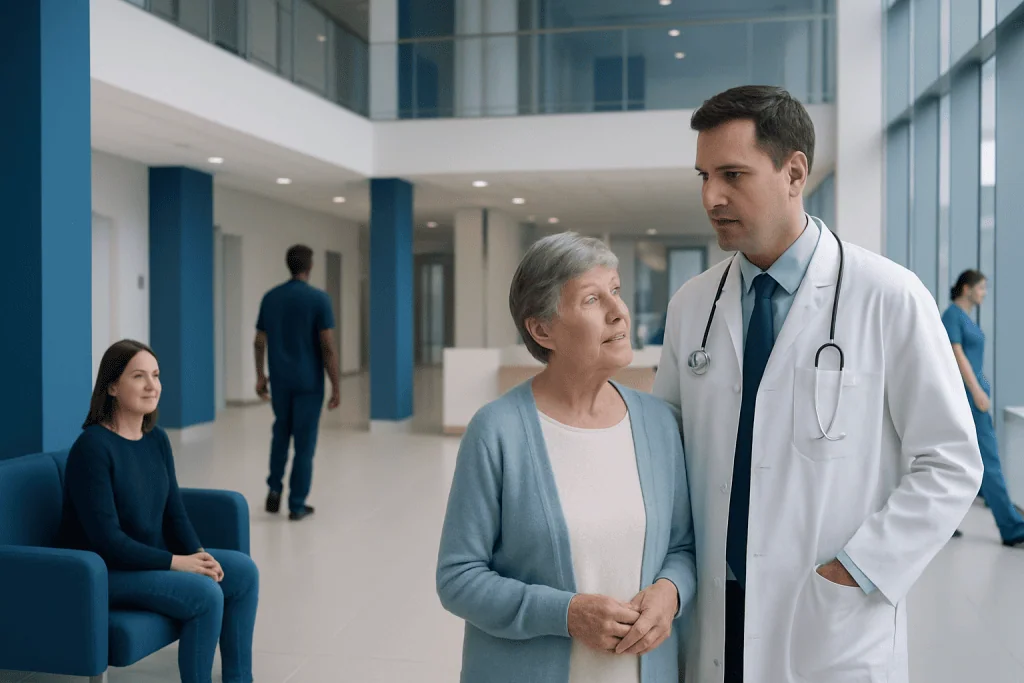
A geriatric neurologist, behavioral neurologist, geriatric psychiatrist, or memory clinic may help diagnose and manage Alzheimer’s disease. The best specialist for a patient is experienced in dementia care and takes time to evaluate thinking, daily function, mood, and overall health.
Key Takeaways
- A geriatric neurologist, behavioral neurologist, geriatric psychiatrist, or memory clinic may help diagnose and manage Alzheimer’s disease.
- The best specialist for a patient is experienced in dementia care and takes time to evaluate thinking, daily function, mood, and overall health.
- Families should ask about diagnostic testing, treatment planning, follow-up, and access to rehabilitation and support services.
- Alzheimer’s care usually works best with a multidisciplinary team rather than one doctor alone.
- Early evaluation can help clarify symptoms, rule out other causes of memory problems, and support long-term planning.
Choosing an Alzheimer’s disease specialist involves more than finding a doctor with the right title. It means looking for expertise in memory disorders, a careful diagnostic approach, clear communication, and a team that supports both the patient and family over time.
Overview: Why the Right Specialist Matters
Alzheimer’s disease is a progressive brain disorder that affects memory, thinking, behavior, and the ability to manage daily life. Because symptoms can overlap with other conditions, choosing the right specialist is an important step toward an accurate diagnosis and a practical care plan. A thoughtful evaluation can help identify whether symptoms are related to Alzheimer’s disease, another form of dementia, or a different medical issue that may be treatable.
Many families begin with a primary care doctor because changes in memory, judgment, or personality often appear gradually. Primary care physicians can be an important first point of contact, but a specialist may be needed when symptoms are complex, progressing, or uncertain. Specialists in memory disorders can guide further testing, discuss treatment options, and help families understand what to expect over time.
Choosing an Alzheimer’s disease specialist is also about finding a clinician who can communicate clearly and work well with caregivers. Alzheimer’s disease affects the whole family, not only the person with symptoms. A good specialist helps patients preserve function and dignity while also helping loved ones plan for safety, support, and future decisions.
Which Specialists Diagnose and Treat Alzheimer’s Disease?
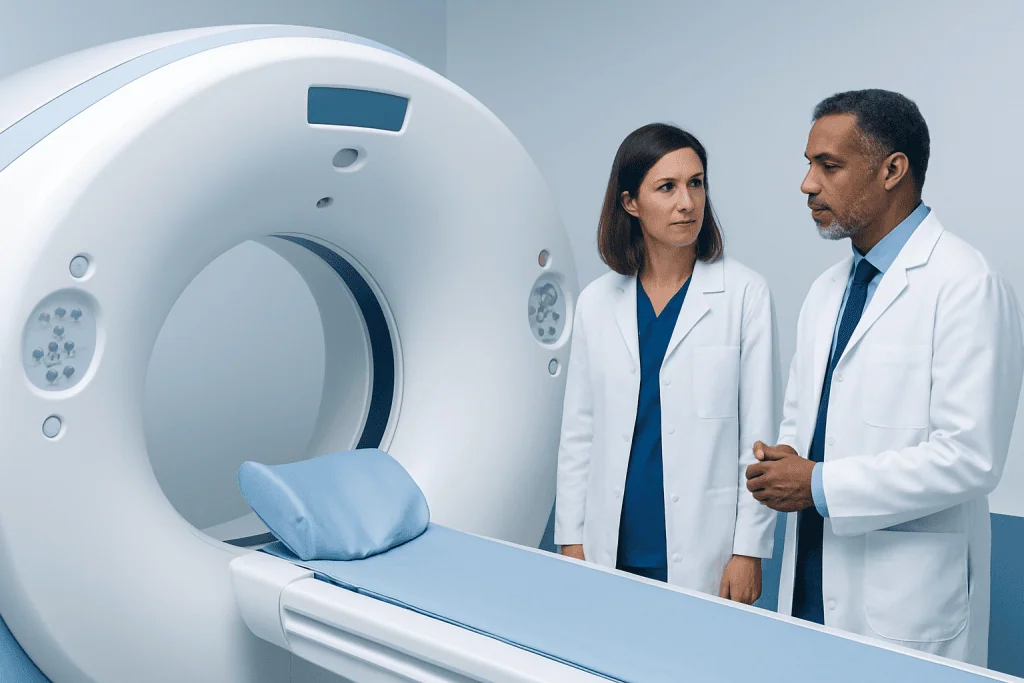
Several types of doctors may diagnose and manage Alzheimer’s disease. A geriatric neurologist focuses on disorders of the aging brain and nervous system. A behavioral neurologist specializes in conditions that affect memory, language, and thinking. A geriatric psychiatrist may be involved when memory changes occur alongside depression, anxiety, sleep problems, hallucinations, or behavioral symptoms. In some settings, a memory clinic offers coordinated assessment by multiple professionals in one place.
There is not one single “best” specialty for every patient. The most important factor is experience with dementia and cognitive disorders. Some patients benefit from seeing a neurologist first, especially if symptoms include confusion, language changes, movement problems, or uncertainty about the diagnosis. Others may need a team approach that includes psychiatry, internal medicine, neuropsychology, and rehabilitation.
Families may also hear terms such as “cognitive specialist” or “memory specialist.” These labels can describe clinicians with extra focus on dementia care, but it is still helpful to ask about training, experience, and the number of patients with Alzheimer’s disease they regularly manage. If there is concern that the symptoms may reflect another condition, such as Parkinson’s disease or vascular dementia, a specialist familiar with overlapping disorders can be especially valuable.
Signs It May Be Time to See a Specialist

A specialist evaluation may be useful when memory or thinking changes go beyond normal aging. Warning signs can include repeating questions often, getting lost in familiar places, trouble managing finances or medications, difficulty finding words, poor judgment, or changes in mood and personality. Symptoms that interfere with work, home responsibilities, or safety should not be ignored.
Specialist care is also important when the cause of symptoms is unclear. Not all memory loss is Alzheimer’s disease. Problems with thyroid function, vitamin deficiencies, sleep disorders, medication side effects, depression, stroke, or other neurologic conditions can affect thinking and behavior. A specialist can help sort through these possibilities and recommend the right next steps.
Families should also consider referral when symptoms progress quickly, begin at a younger age than expected, or include unusual features such as sudden changes, hallucinations, seizures, or prominent movement symptoms. In these situations, a more detailed neurological work-up may be needed. Timely evaluation can support diagnosis, treatment, and planning, even when a cure is not available.
- Memory loss that disrupts daily life
- Difficulty with planning, language, or problem-solving
- Behavior or personality changes
- Confusion about time or place
- Concerns about driving, falls, or medication safety
What to Look for in an Alzheimer’s Disease Specialist
Experience in dementia care is one of the most important qualities to look for. Families can ask whether the doctor regularly evaluates memory complaints, diagnoses different types of dementia, and follows patients over time. It is helpful if the specialist uses a structured process that includes medical history, cognitive testing, functional assessment, medication review, and discussion with family members or caregivers when appropriate.
Communication style matters just as much as credentials. Alzheimer’s disease can be emotionally difficult to discuss, and families often need time to absorb information. A good specialist explains findings in plain language, answers questions honestly, and respects the patient’s preferences and dignity. They should also be willing to talk about future planning, home safety, driving, support services, and what changes may need closer monitoring.
Another important feature is access to coordinated care. Alzheimer’s disease often involves more than diagnosis alone. Patients may benefit from neurological rehabilitation to support daily function, advice on sleep or mood symptoms, and referrals for social work, occupational therapy, or caregiver education. A clinic or hospital with multidisciplinary services may make ongoing care easier, especially as needs change.
Practical factors also deserve attention. These include appointment availability, location, interpreter services if needed, follow-up systems, and whether the office communicates test results clearly. A specialist who offers continuity and coordinated care can make a meaningful difference over the long course of the disease.
How Alzheimer’s Disease Is Diagnosed
A high-quality specialist evaluation usually begins with a detailed conversation about symptoms, how they started, and how they affect daily life. The doctor may ask about memory, language, orientation, mood, sleep, and behavior. Because patients may not notice every change themselves, input from a close family member or caregiver is often very helpful.
The diagnostic process commonly includes cognitive screening or more detailed neuropsychological testing, a neurological examination, and a review of current medications and medical history. Blood tests may be used to look for other causes of cognitive symptoms. Brain imaging such as MRI may be recommended to check for stroke, tumor, <a href="https://acibademinternational.com/diseases/normal-pressure-hydrocephalus/”>normal pressure hydrocephalus, or other structural causes. In selected cases, additional tests can help clarify whether Alzheimer’s disease is likely.
Families may want to choose a specialist who is comfortable discussing both what a test can show and what its limits are. Not every patient needs the same evaluation. The right doctor tailors testing to the individual, avoids unnecessary procedures, and explains the results in a way that supports informed decision-making.
If treatment planning includes broader neurologic assessment or imaging review, it may be helpful to receive care through a center experienced in neurology or brain and nerve care when there are complex symptoms or concerns about other neurological conditions. The goal is always to reach the most accurate diagnosis possible and create a realistic care plan.
Questions Families Should Ask Before Choosing a Specialist
Preparing questions before an appointment can help families compare options and feel more confident. One useful question is how often the doctor treats patients with Alzheimer’s disease or other dementias. Another is what the first evaluation usually includes and whether family members should attend. This can help set expectations and reduce uncertainty.
It is also helpful to ask how the specialist approaches treatment and follow-up. Alzheimer’s care often involves more than medication. Families may want to know whether the doctor discusses cognitive changes over time, helps with behavior and sleep issues, addresses home and driving safety, and coordinates referrals to therapy or community support services.
Questions about communication are equally important. Families can ask how test results are shared, how urgent concerns are handled between visits, and whether the clinic provides written summaries or care plans. These details may seem practical, but they strongly affect the day-to-day experience of living with a chronic condition.
- What is your experience diagnosing and treating Alzheimer’s disease?
- What tests do you usually recommend, and why?
- How do you distinguish Alzheimer’s disease from other causes of memory loss?
- How often are follow-up visits needed?
- Do you work with neuropsychologists, therapists, social workers, or geriatric psychiatrists?
- How do you support caregivers and long-term planning?
Ongoing Care, Support, and Second Opinions
Alzheimer’s disease usually requires ongoing follow-up rather than a single consultation. Over time, the specialist may monitor changes in memory, behavior, mobility, nutrition, sleep, and the ability to perform daily activities. Treatment plans often need adjustment as symptoms evolve. Follow-up visits can also help families discuss safety concerns, caregiver stress, and future care preferences.
A strong Alzheimer’s care team may include nurses, neuropsychologists, occupational therapists, physical therapists, speech-language therapists, and social workers. This team approach can help address practical issues such as communication difficulties, fall risk, swallowing problems, and maintaining routines at home. It may also support management of related symptoms and conditions, including mood changes, frailty, or coexisting neurologic problems.
Seeking a second opinion can be reasonable, especially when the diagnosis is uncertain, symptoms are unusual, or the family is considering advanced testing. A second opinion can also help when communication has been difficult or the treatment plan does not feel clear. In complex cases, some patients may benefit from centers with integrated services such as geriatrics and aging care. Acibadem International’s multidisciplinary specialists and JCI-accredited hospitals also diagnose and treat Alzheimer’s-related conditions for international patients.
Whatever setting a family chooses, the most helpful specialist is one who combines expertise with continuity, compassion, and practical support. Alzheimer’s disease care is a long journey, and trusted medical guidance can make that path clearer and more manageable.
Frequently asked questions
What kind of doctor is best for Alzheimer’s disease?
A geriatric neurologist, behavioral neurologist, geriatric psychiatrist, or memory clinic may all be appropriate depending on the patient’s symptoms and needs. The most important factor is experience in diagnosing and managing dementia rather than the title alone.
Should a person see a specialist for memory loss right away?
If memory loss is persistent, worsening, or affecting daily life, specialist evaluation is often helpful. Early assessment can identify treatable causes, clarify whether Alzheimer’s disease is likely, and support planning for care.
How can families know if a specialist is experienced in Alzheimer’s care?
Families can ask how often the doctor evaluates dementia, what tests are commonly used, and whether the clinic provides follow-up and caregiver support. It is also helpful to ask if the specialist works with a broader team such as neuropsychology, rehabilitation, or geriatrics.
Is a memory clinic better than seeing one doctor?
A memory clinic can be helpful because it may offer coordinated testing and input from several professionals. However, one experienced specialist can also provide excellent care, especially when they communicate well and arrange referrals when needed.
What should be brought to the first appointment?
It is useful to bring a list of medications, previous test results if available, and notes about symptoms and when they began. A family member or caregiver should attend if possible, because they may notice changes the patient does not report.
When is a second opinion a good idea?
A second opinion may be useful if the diagnosis is uncertain, symptoms are progressing quickly, or there are unusual features such as hallucinations or movement problems. It can also help when families want reassurance before making long-term care decisions.
References
- World Health Organization
- National Institute on Aging
- Alzheimer's Association
- American Academy of Neurology
- National Institute of Neurological Disorders and Stroke
This article is for general information only and is not a substitute for professional medical advice. Please consult a qualified doctor about your individual situation.
Explore treatments in Turkey — costs, top hospitals & a free quote
JCI-accredited · board-certified surgeons · reply within 24h
Add us as a Preferred Source to see more of our trusted health content across Google Search, AI Overviews and Discover.