Remote Patient Monitoring: What It Is, Who Benefits, and What to Expect
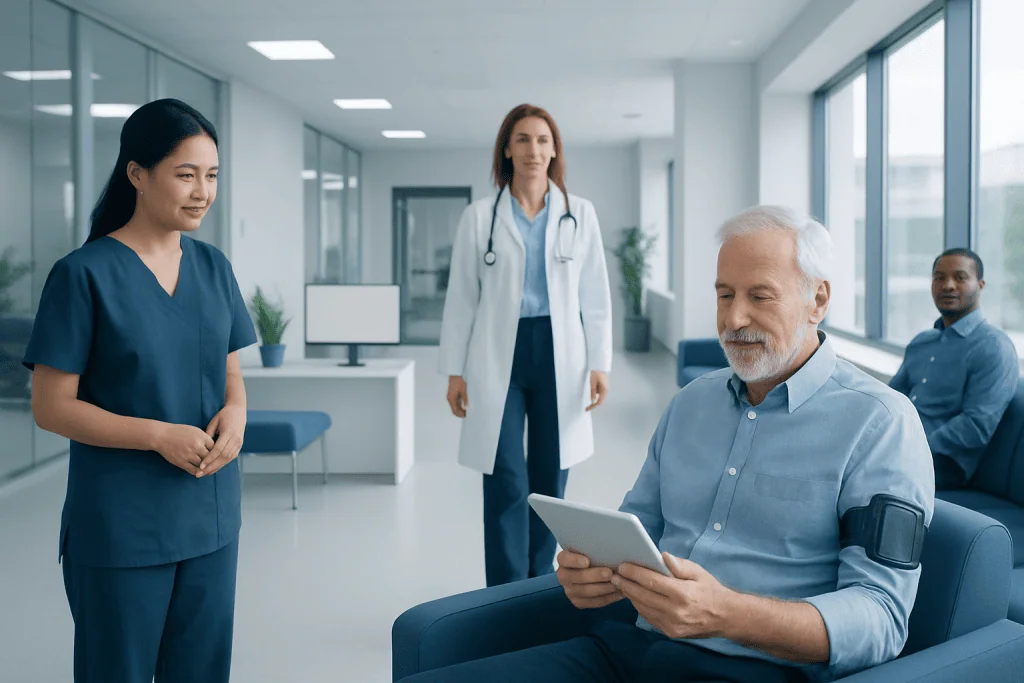
Remote patient monitoring uses connected devices to send health data from home to a clinical team. It is often used for chronic conditions, recovery after treatment, and people who need closer follow-up between appointments.
Key Takeaways
- Remote patient monitoring uses connected devices to send health data from home to a clinical team.
- It is often used for chronic conditions, recovery after treatment, and people who need closer follow-up between appointments.
- Common tools include blood pressure monitors, glucose devices, pulse oximeters, scales, and wearable sensors.
- Remote monitoring does not replace emergency care or all in-person examinations.
- Patients usually benefit most when they use devices correctly and stay in regular contact with their care team.
Remote patient monitoring allows healthcare teams to review health information collected at home, such as blood pressure, blood sugar, oxygen levels, or heart rate. It can support safer follow-up, better chronic disease management, and more convenient care when used alongside regular medical visits.
Overview: What remote patient monitoring means
Remote patient monitoring, often called RPM, is a way for healthcare professionals to follow a person’s health while that person is at home or going about daily life. It uses medical or consumer-friendly digital devices to collect information such as blood pressure, heart rate, blood sugar, oxygen saturation, body weight, temperature, sleep patterns, or symptoms. That information is then shared with a care team through a secure digital system.
The main goal of remote patient monitoring is to help doctors, nurses, and other clinicians notice meaningful changes between office visits. Instead of relying only on occasional appointments, the care team can review trends over time. This may help guide treatment adjustments, support recovery, and identify early warning signs that need attention.
Remote patient monitoring is part of a broader digital health approach that can also include telemedicine visits, patient portals, and health apps. Unlike a standard video appointment, RPM focuses on ongoing data collection rather than a single conversation. It can be especially useful when symptoms vary from day to day or when regular measurements are important for safe care.
For many patients, RPM can make healthcare feel more connected and practical. It may reduce unnecessary travel, support independence at home, and provide reassurance that someone is reviewing important health information. At the same time, it works best as a supplement to—not a replacement for—regular medical assessment.
How remote patient monitoring works
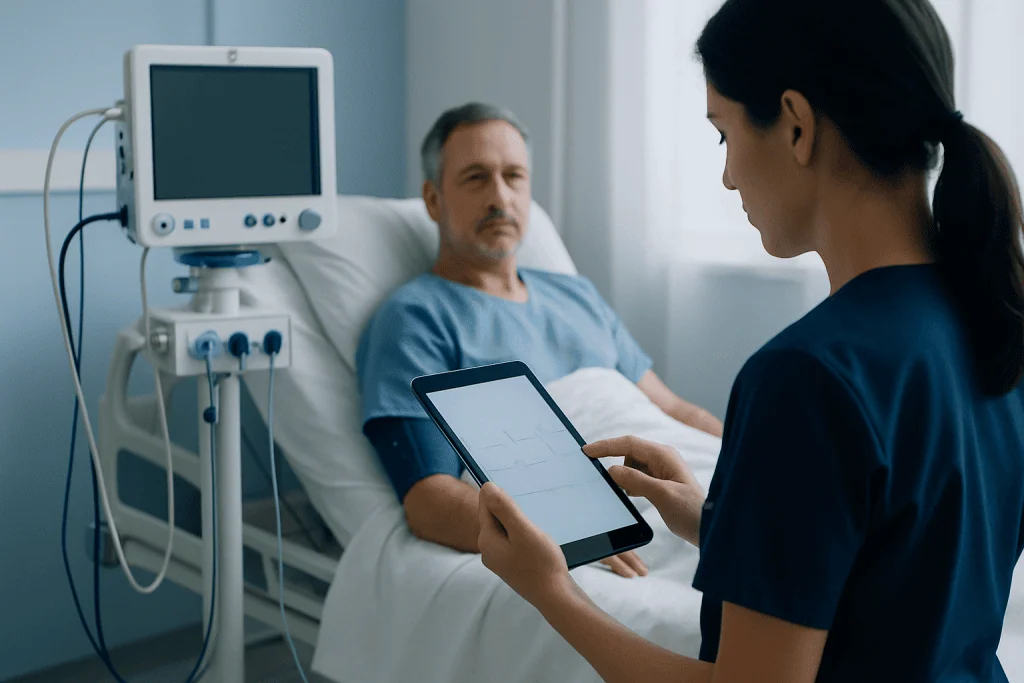
The process usually begins when a clinician decides that home monitoring may be helpful for a specific health need. The patient receives instructions on what device to use, what measurements to take, how often to take them, and what symptoms to report. Some programs provide equipment directly, while others use devices patients already own if they meet quality standards.
Devices may send readings automatically through Bluetooth, Wi-Fi, or mobile networks, or the patient may enter numbers manually into an app or web portal. The data goes to a secure platform where members of the care team can review it. In some systems, alerts are triggered when readings fall outside an agreed range, prompting a phone call, message, or treatment review.
RPM programs vary in intensity. Some involve simple tracking once or twice a week, while others require daily measurements and close follow-up. The level of monitoring depends on the condition being managed, the person’s symptoms, and how much support is needed. For example, someone recovering from surgery may only need short-term monitoring, while a person living with a chronic disease may benefit from longer-term follow-up.
Successful remote monitoring depends on several practical factors: a reliable device, clear instructions, internet or mobile connectivity when needed, and a good understanding of when to contact a healthcare professional directly. Patients should also know that not every reading requires urgent action. Care teams look for patterns and context, not just isolated numbers.
Who benefits most from remote patient monitoring
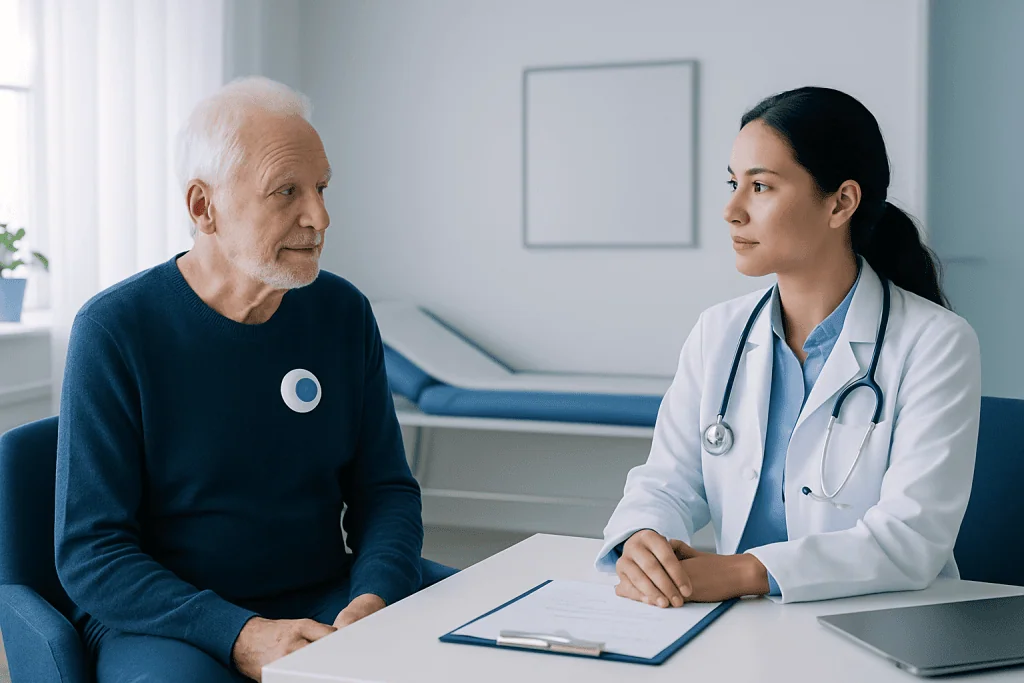
Remote patient monitoring can help many different groups of patients, but it is especially valuable for people who need regular measurements to guide care. This includes those living with chronic illnesses, older adults managing several conditions, people recovering after hospitalization, and patients whose symptoms may change quickly between appointments.
Common examples include people with high blood pressure, diabetes, heart failure, chronic lung disease, sleep-related breathing concerns, or irregular heart rhythms. Monitoring at home may support care for conditions such as high blood pressure, diabetes, or heart rhythm problems when a doctor recommends regular tracking. It may also help during pregnancy in selected situations, after certain cancer treatments, or during rehabilitation.
RPM can also be helpful for patients who find frequent clinic visits difficult because of distance, mobility limitations, work demands, or caregiving responsibilities. In these cases, home monitoring may improve access to follow-up and help people stay more engaged in their own care. Some patients feel more comfortable taking readings in a familiar home setting, which may provide a more realistic picture than occasional clinic measurements.
Not everyone needs RPM, and it is not right for every situation. It may be less useful if a condition requires frequent physical examinations, immediate testing in a clinic, or urgent hands-on care. A doctor will usually consider the person’s medical needs, comfort with technology, and ability to use the device consistently before recommending it.
Common devices and the information they track
Remote patient monitoring can involve a wide range of devices, from simple home tools to advanced wearables. The choice depends on the health issue being followed. The most common devices are familiar to many patients and are designed for safe everyday use when instructions are followed carefully.
Examples of devices used in RPM include:
- Blood pressure monitors for hypertension and cardiovascular follow-up
- Blood glucose meters or continuous glucose monitoring systems for diabetes care
- Pulse oximeters to track oxygen saturation and pulse rate
- Digital scales to monitor body weight, often important in heart failure care
- Thermometers for temperature tracking
- Wearable patches, watches, or sensors that track heart rhythm, activity, or sleep
Some programs combine several devices to create a fuller picture of health. For instance, a patient with heart disease may track blood pressure, weight, and symptoms of swelling or breathlessness. A patient recovering after a procedure may log pain, temperature, activity, and wound photos if instructed by the care team.
The quality of the information matters. Patients are usually advised to use validated devices when possible, take readings at the same time each day, and follow measurement instructions carefully. Sitting quietly before checking blood pressure, placing a cuff correctly, or using a glucose monitor as directed can improve accuracy and make the data more useful for clinical decisions.
What patients can expect during enrollment and daily use
Joining a remote monitoring program usually starts with a discussion about goals. The clinician explains why monitoring is being recommended, what information will be collected, and how the results may influence care. Patients may be shown how to use the device, how to send data, and what to do if the device gives an unusual reading or stops working.
During daily use, patients are often asked to create a routine. That may mean taking a morning blood pressure reading before breakfast, checking blood sugar at agreed times, weighing themselves each day, or answering short symptom questions on an app. Consistency is important because trends over time are often more meaningful than occasional readings.
Patients should also expect communication guidelines. A monitoring team may review data during business hours rather than continuously, so it is important to know which symptoms require direct contact with a clinic and which require emergency services. Remote monitoring is a care tool, not an emergency response system. Severe chest pain, sudden shortness of breath, signs of stroke, or other urgent symptoms still require immediate medical attention.
Some patients worry that RPM will feel intrusive or complicated. In many cases, the process becomes easier after the first few days. When questions arise, simple education and technical support can make a large difference. Near the end of a treatment journey, some patients may transition from remote follow-up to standard in-person care or a blended approach that includes telemedicine visits when appropriate.
Benefits, limits, and privacy considerations
Remote patient monitoring offers several potential benefits. It may help detect early changes, improve understanding of how a condition behaves over time, and support timely treatment adjustments. For some people, this can mean fewer unnecessary visits, better symptom control, and more confidence in self-management. It may also support recovery after certain treatments by helping teams check progress between appointments.
However, RPM has clear limits. Devices can sometimes give inaccurate readings if they are used incorrectly or if the equipment is not well maintained. Not every abnormal result means there is a serious problem, and some important health issues cannot be identified through remote measurements alone. Physical examination, imaging, laboratory testing, and direct medical evaluation are still essential in many situations.
Another important topic is privacy. Because RPM involves health data being transmitted electronically, patients often want to know how their information is protected. Healthcare providers should explain what data is collected, who can see it, how it is stored, and what safeguards are used. Patients can also help protect privacy by using secure networks, keeping apps updated, and following instructions for device use and account security.
As digital health tools expand, remote monitoring may be paired with other services such as preventive health check-ups or specialist follow-up for long-term conditions. In selected cases, it may support recovery after treatments such as cardiac rehabilitation by helping clinicians follow progress at home. Even so, care decisions should always be individualized and guided by a qualified medical professional.
When to speak with a doctor and how to get the most from RPM
Anyone interested in remote patient monitoring should start by speaking with a doctor or qualified healthcare professional. RPM is most effective when the monitoring plan is tailored to the person’s diagnosis, symptoms, and treatment goals. A clinician can help decide which device is suitable, what targets are appropriate, and how often readings should be taken.
Patients should contact their care team if they do not understand the instructions, are unable to use the technology, notice repeated unusual readings, or develop new or worsening symptoms. It is especially important to ask for help if there is dizziness, fainting, worsening shortness of breath, swelling, severe fatigue, confusion, or concerns about medication side effects. Urgent symptoms should never be managed only through a monitoring app.
To get the most from RPM, patients can build a simple routine, keep devices charged and clean, measure at consistent times, and record relevant symptoms such as pain, swelling, breathlessness, sleep problems, or medication changes. Bringing questions to follow-up appointments can also make the data more meaningful. Good communication helps turn numbers into practical care decisions.
For international patients seeking coordinated digital and in-person care, Acibadem International’s multidisciplinary specialists and JCI-accredited hospitals diagnose and treat a wide range of conditions where remote monitoring may be useful as part of follow-up. The best approach is always one that combines technology with personalized medical judgment and regular review.
Frequently asked questions
Is remote patient monitoring the same as telemedicine?
No. Telemedicine usually refers to a phone or video consultation, while remote patient monitoring focuses on collecting health data from home over time. Many care plans use both together.
What conditions are commonly managed with remote patient monitoring?
It is commonly used for conditions that benefit from regular measurements, such as high blood pressure, diabetes, heart failure, and some chronic lung conditions. It may also be used after hospitalization or certain procedures when closer follow-up is helpful.
Do patients need special equipment for remote patient monitoring?
Sometimes. Some programs provide approved devices, while others allow patients to use their own equipment if it meets the care team’s standards. The clinician will usually explain which device is appropriate and how to use it correctly.
Can remote patient monitoring replace in-person doctor visits?
Usually not. It can reduce the need for some routine visits and improve follow-up between appointments, but it does not replace physical examinations, emergency care, or testing that must be done in person. Most patients do best with a combination of remote and face-to-face care.
What should a patient do if a reading is abnormal?
Patients should follow the instructions given by their healthcare team, since the right response depends on the condition being monitored and the severity of the change. A single unusual reading may need to be repeated, but severe symptoms or emergency warning signs require immediate medical attention.
Is remote patient monitoring safe and private?
It can be safe when it is supervised by qualified healthcare professionals and uses secure systems for handling health information. Patients should still ask how their data is stored, who can access it, and what to do if they have technical or privacy concerns.
References
- World Health Organization
- Centers for Disease Control and Prevention
- National Institutes of Health
- American Heart Association
- American Diabetes Association
This article is for general information only and is not a substitute for professional medical advice. Please consult a qualified doctor about your individual situation.
Heart care in Turkey — expert evaluation and treatment
JCI-accredited · board-certified surgeons · reply within 24h
Add us as a Preferred Source to see more of our trusted health content across Google Search, AI Overviews and Discover.
Check your numbers in seconds
BMI, calories, due date, blood pressure and 30+ more clinical calculators — free, instant, doctor-reviewed ranges.