What Does a Neuropsychologist Do? Tests, Roles, and Referral Reasons
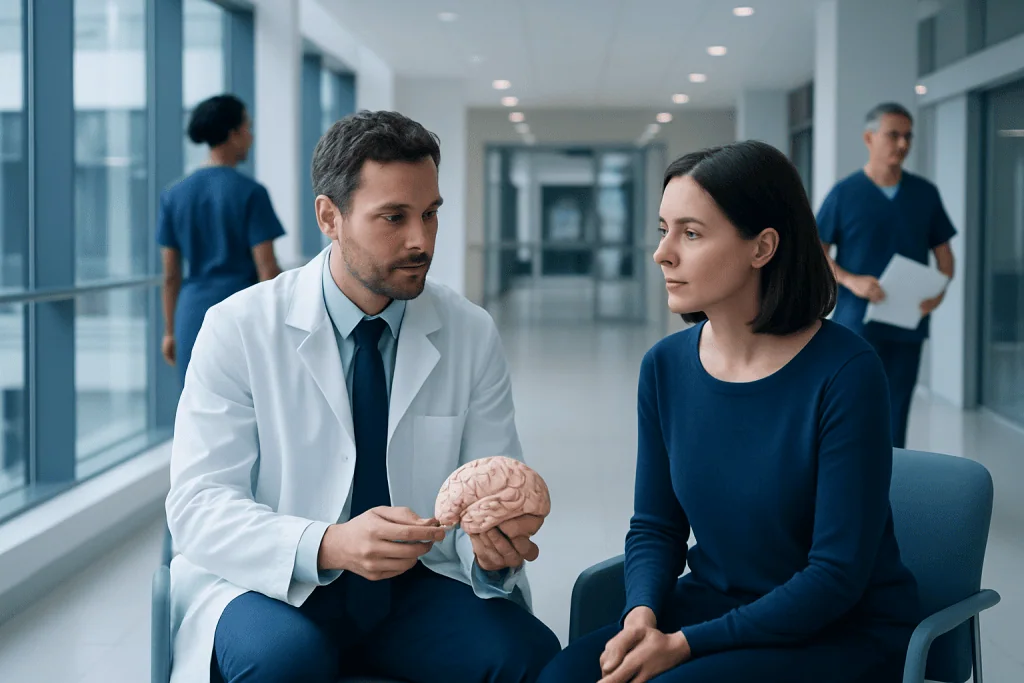
A neuropsychologist studies the relationship between brain function and behavior. Neuropsychological testing can assess memory, attention, language, problem-solving, and emotional functioning.
Key Takeaways
- A neuropsychologist studies the relationship between brain function and behavior.
- Neuropsychological testing can assess memory, attention, language, problem-solving, and emotional functioning.
- People may be referred after brain injury, stroke, seizures, dementia concerns, learning difficulties, or unexplained cognitive changes.
- Testing does not usually involve needles or scanners; it mainly includes interviews, paper-and-pencil tasks, and computer-based exercises.
- Results can help with diagnosis, treatment planning, rehabilitation, school or work accommodations, and family education.
A neuropsychologist is a specialist who assesses how the brain affects thinking, memory, attention, language, mood, and behavior. Their work helps clarify symptoms, support diagnosis, and guide treatment, rehabilitation, school planning, or everyday coping strategies.
Overview: what a neuropsychologist does
A neuropsychologist is a psychologist with specialized training in how brain function relates to thinking, emotions, and behavior. This specialist evaluates concerns such as memory problems, attention difficulties, language changes, slower thinking, planning problems, and changes in mood or personality that may be linked to a neurological, medical, developmental, or psychiatric condition.
Rather than focusing only on symptoms, a neuropsychologist looks at patterns of strengths and weaknesses across different mental skills. This can help explain why a person is having trouble at school, at work, at home, or during recovery from illness or injury. The aim is not only to identify difficulties, but also to understand preserved abilities that can be used to support treatment and day-to-day function.
Neuropsychologists often work as part of a wider care team. They may collaborate with neurologists, psychiatrists, neurosurgeons, rehabilitation physicians, pediatric specialists, speech and language therapists, occupational therapists, and educators. Their input can be especially useful when symptoms are complex, overlap several conditions, or are not fully explained by a brain scan alone.
How a neuropsychologist is different from other specialists
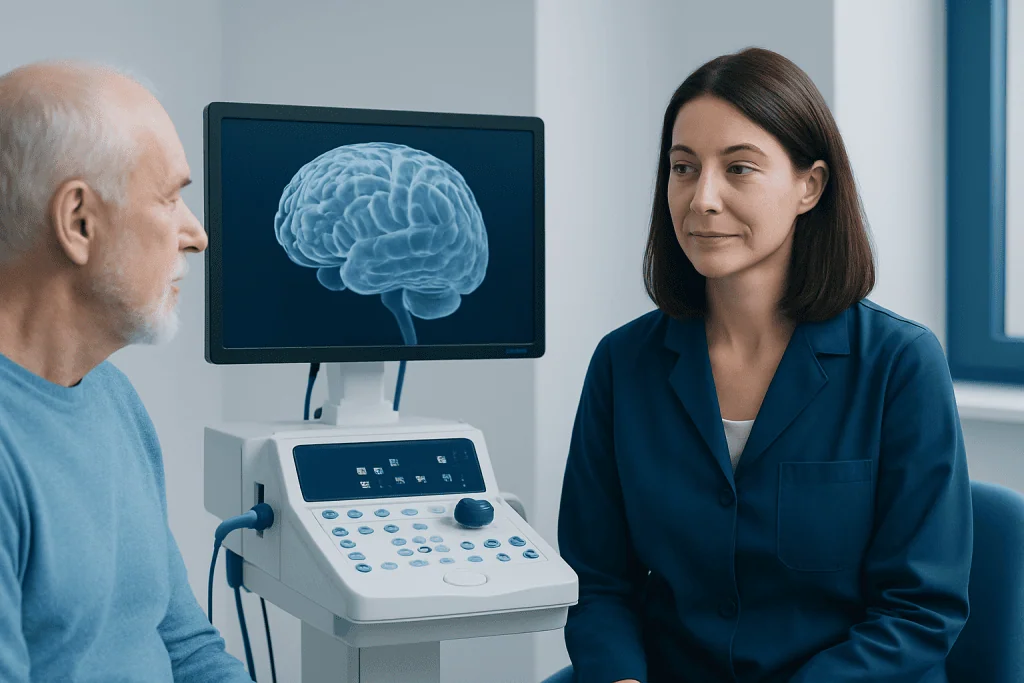
Many patients wonder how a neuropsychologist differs from a neurologist, psychiatrist, or clinical psychologist. A neurologist is a medical doctor who diagnoses and treats disorders of the brain, spinal cord, and nerves. A psychiatrist is a medical doctor who diagnoses and treats mental health conditions, often including medication management. A clinical psychologist focuses on emotional and behavioral concerns and may provide psychotherapy and psychological testing.
A neuropsychologist brings a more targeted focus on cognition and behavior as they relate to brain function. This specialist uses detailed testing to understand skills such as attention, learning, memory, language, visual-spatial ability, processing speed, and executive functioning. These findings can help distinguish between conditions that may look similar in everyday life, such as depression-related concentration problems, early dementia, attention-deficit disorders, or effects of brain injury.
In some cases, the neuropsychologist also provides recommendations for rehabilitation, school support, work accommodations, or family strategies. Depending on the setting, they may not provide long-term therapy themselves, but their assessment often guides the next steps in care.
Common reasons for referral
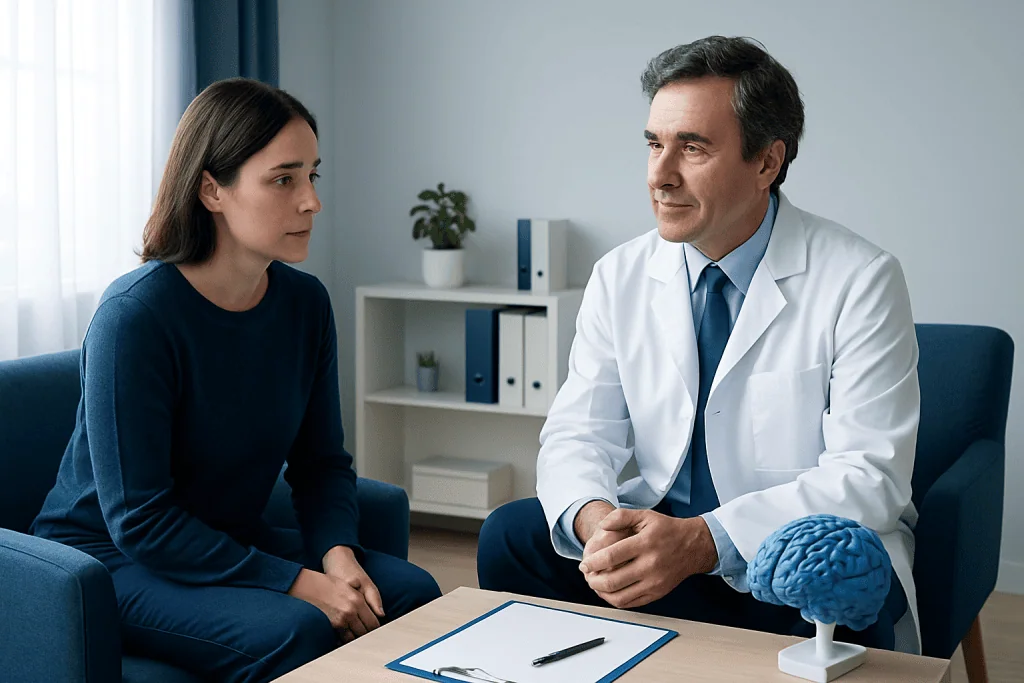
A referral to a neuropsychologist may be recommended when there are changes in thinking, memory, behavior, or emotional control that affect daily life. Sometimes the change is sudden, such as after a head injury or stroke. In other cases, it may develop gradually, such as progressive forgetfulness, trouble finding words, or decline in school or work performance.
Adults are commonly referred after concussion or traumatic brain injury, stroke, epilepsy, brain tumor treatment, multiple sclerosis, Parkinsonian symptoms, memory concerns, or unexplained cognitive complaints. Children and adolescents may be referred for developmental concerns, learning difficulties, attention problems, autism-related questions, or to better understand the effects of neurological illness.
Testing may also be helpful before or after certain procedures, including epilepsy surgery or other brain treatments, because it helps document baseline abilities and possible changes over time. In some situations, a referral is made to clarify whether symptoms are more likely related to a neurological problem, a mental health condition, sleep problems, medication effects, pain, or a combination of factors. Patients being evaluated for conditions such as epilepsy, Alzheimer’s disease, or Parkinson’s disease may benefit from this type of assessment.
- Persistent memory loss or confusion
- Attention and concentration difficulties
- Changes after concussion, stroke, or other brain injury
- Language, problem-solving, or planning problems
- Learning or developmental concerns in children
- Concerns about independence, driving, work, or school functioning
What happens during neuropsychological testing
Neuropsychological testing usually begins with a detailed interview. The neuropsychologist asks about current symptoms, medical history, education, work, mood, sleep, medications, and any past neurological events such as seizures, stroke, or head injury. With permission, information from family members, teachers, or other clinicians may also be included, because outside observations can help build a fuller picture.
The testing itself is designed to measure different areas of brain-related functioning. Depending on the referral question, this may include tasks involving attention, memory, language, visual-spatial skills, reasoning, mental flexibility, processing speed, fine motor skills, and emotional functioning. Some tasks are done with paper and pencil, some by speaking, and some on a computer. The process is not invasive and usually does not involve blood tests or imaging.
Testing length varies. Some evaluations take a few hours, while others are completed over a full day or more than one session, especially if the questions are complex or the patient tires easily. Breaks are usually provided. Performance is interpreted in context, including age, education, language, cultural background, and medical history, so that the results are as fair and meaningful as possible.
Afterward, the neuropsychologist analyzes the results and prepares a report. This often includes an explanation of cognitive strengths and weaknesses, possible causes of symptoms, and practical recommendations. These recommendations may include further medical evaluation, rehabilitation, school planning, counseling, safety advice, or follow-up testing after treatment.
What the tests can help diagnose or clarify
Neuropsychological testing does not usually diagnose a condition by itself, but it can strongly support the diagnostic process. The pattern of results may suggest whether difficulties are consistent with a neurodegenerative disorder, effects of a traumatic brain injury, seizure-related changes, attention problems, depression, anxiety, developmental differences, or another cause. This is especially helpful when symptoms overlap or when imaging findings do not fully explain daily difficulties.
For example, someone with depression may report poor concentration and memory, but their testing pattern may differ from a person with early dementia. A student with attention difficulties may need evaluation to distinguish ADHD from learning disorders, anxiety, sleep deprivation, or other issues. In older adults, testing can help determine whether forgetfulness is within expected aging patterns or suggests a more significant cognitive disorder.
Neuropsychologists also track changes over time. Repeat testing may be used to monitor recovery after concussion, stroke, or surgery, or to follow cognitive changes in progressive conditions. This can be useful when doctors are considering options such as brain tumor surgery or evaluating the effects of epilepsy surgery and stroke rehabilitation.
How results guide treatment and daily support
One of the most valuable parts of a neuropsychological evaluation is how it translates into practical support. Results can guide rehabilitation plans, counseling, educational support, work adjustments, and family communication. The report may suggest ways to improve memory using routines, reminder systems, environmental changes, or step-by-step strategies for complex tasks.
In children, recommendations may support classroom accommodations, individualized learning plans, or targeted therapies. In adults, findings can help with return-to-work decisions, managing finances, medication routines, or evaluating safety in daily activities. If emotional distress is contributing to cognitive symptoms, the neuropsychologist may recommend mental health care alongside medical treatment.
Testing can also help patients and families understand what is happening and what to expect. This often reduces uncertainty and supports more realistic planning. In complex cases, multidisciplinary teams may combine neuropsychology with imaging, neurological examination, and rehabilitation planning, including services such as physical therapy and rehabilitation.
Preparing for an appointment and what patients should know
Before the appointment, patients are often advised to bring a list of medications, relevant medical records, school reports if applicable, and any referral notes. Wearing glasses or hearing aids, if normally used, is important because vision and hearing can affect performance. It may also help to get a good night’s sleep and eat normally before the evaluation unless the care team advises otherwise.
Many people worry that testing feels like an exam they can pass or fail. In reality, the purpose is to understand how the brain is functioning, not to judge intelligence or effort in a simple way. Some tasks may feel easy and others more challenging. This is expected, because the pattern across tasks is what provides useful clinical information.
Patients should also know that cultural background, language, education, pain, fatigue, sleep, and mood can influence performance. A qualified neuropsychologist takes these factors into account. Being open about symptoms and effort helps make the results as accurate and helpful as possible.
When to seek evaluation
An evaluation may be worth discussing with a doctor if memory, attention, language, or problem-solving changes are interfering with daily life, school, work, or relationships. New confusion, worsening forgetfulness, personality changes, or a noticeable decline after a head injury, seizure, stroke, or medical treatment should also prompt medical advice. In children, signs such as unexplained school struggles, developmental concerns, or major attention difficulties may justify referral.
Urgent medical care is needed for sudden neurological symptoms such as new weakness, severe confusion, seizures, loss of consciousness, or symptoms suggestive of stroke. Neuropsychological assessment is not an emergency test, but it is often an important part of understanding recovery and planning ongoing care once urgent issues are addressed.
For international patients who need coordinated assessment, Acibadem International’s multidisciplinary specialists in JCI-accredited hospitals evaluate cognitive and behavioral symptoms linked to brain and nervous system conditions and help guide treatment planning.
Frequently asked questions
What is a neuropsychologist?
A neuropsychologist is a psychologist with advanced training in how brain function affects thinking, behavior, and emotions. They assess cognitive skills such as memory, attention, language, and problem-solving to help explain symptoms and guide care.
Does neuropsychological testing involve a brain scan?
Usually no. Neuropsychological testing mainly involves interviews and structured tasks that measure cognitive and emotional functioning. Brain scans such as MRI or CT may be ordered separately by other doctors if needed.
Who should see a neuropsychologist?
People may be referred if they have memory loss, attention problems, learning difficulties, or changes after concussion, stroke, seizures, or other neurological conditions. Children, adults, and older adults can all benefit when there are concerns about thinking or behavior.
How long does a neuropsychological evaluation take?
The length varies depending on the reason for referral and the number of tests needed. Some evaluations take a few hours, while others may require a full day or more than one session.
Can a neuropsychologist diagnose dementia or ADHD?
A neuropsychologist can provide important evidence that supports diagnosis, but the final diagnosis usually considers medical history, examination findings, and sometimes imaging or laboratory tests. Testing helps clarify whether the pattern of symptoms fits conditions such as dementia, ADHD, learning disorders, or mood-related cognitive difficulties.
How should someone prepare for testing?
It helps to sleep well, eat normally, bring glasses or hearing aids if needed, and have a list of medications and medical records available. Patients should answer questions honestly and do their best on the tasks so the results reflect everyday functioning as accurately as possible.
References
- American Psychological Association
- National Institute of Neurological Disorders and Stroke
- Centers for Disease Control and Prevention
- Alzheimer's Association
- World Health Organization
This article is for general information only and is not a substitute for professional medical advice. Please consult a qualified doctor about your individual situation.
Explore treatments in Turkey — costs, top hospitals & a free quote
JCI-accredited · board-certified surgeons · reply within 24h
Add us as a Preferred Source to see more of our trusted health content across Google Search, AI Overviews and Discover.

More from the Health Library


Related Specialists

Dr. Mehrıban Allahverdıyeva
Inpatient Clinic Physicians
Dr. Evrim Abamor
Nuclear Medicine
Fzt. Gizem Gürzoğlu
Pediatric Rehabilitation
Dr. Ayşenur Şam Sarı
Dermatology