Bleeding Gums and Gum Disease: What Is the Difference?

Bleeding gums are a sign, not a diagnosis on their own. Gum disease often begins as gingivitis and can progress to periodontitis if untreated.
Key Takeaways
- Bleeding gums are a sign, not a diagnosis on their own.
- Gum disease often begins as gingivitis and can progress to periodontitis if untreated.
- Early gum disease may be reversible with professional care and consistent oral hygiene.
- Persistent bleeding, swelling, bad breath, or loose teeth should be assessed by a dentist.
- Regular brushing, flossing, and dental checkups are key to prevention.
Bleeding gums and gum disease are closely related, but they are not identical. Bleeding gums are a symptom, while gum disease refers to inflammation or infection of the tissues that support the teeth.
Overview: How Bleeding Gums and Gum Disease Differ
Bleeding gums are common, especially during brushing or flossing, but they should not usually be considered normal. In many cases, bleeding is an early warning sign that the gums are irritated or inflamed. This can happen for simple reasons, such as plaque buildup along the gumline, but it can also point to a more established dental problem.
Gum disease is the broader condition behind many cases of bleeding. It usually starts with gingivitis, which is inflammation of the gums caused by plaque and bacteria. If gingivitis is not treated, it may progress to periodontitis, a deeper infection that can damage the tissues and bone supporting the teeth.
In other words, bleeding gums are a symptom, while gum disease is a possible cause. Not everyone with bleeding gums has advanced disease, but ongoing bleeding deserves attention. Understanding the difference can help patients seek care early, when treatment is often simpler and outcomes are better.
Symptoms of Bleeding Gums and Gum Disease

The most noticeable symptom is blood seen while brushing, flossing, or eating firm foods. Some people notice pink saliva in the sink or slight spotting on the toothbrush. The gums may also look redder than usual, feel tender, or appear swollen.
When gum disease is present, symptoms can go beyond bleeding. Early gingivitis may cause mild irritation, but more advanced disease can lead to persistent bad breath, gum recession, sensitivity, discomfort when chewing, or teeth that seem loose or shifted. In some cases, small pockets can form between the teeth and gums, where bacteria collect.
Symptoms can vary from person to person, and gum disease is not always painful in the beginning. That is one reason it can be overlooked. A person who notices repeated bleeding or changes in gum appearance may benefit from a dental evaluation, including assessment for bleeding gums or related gum conditions.
- Bleeding during brushing or flossing
- Red, swollen, or tender gums
- Bad breath that does not improve
- Gums pulling away from the teeth
- Loose teeth or changes in bite
Causes and Risk Factors
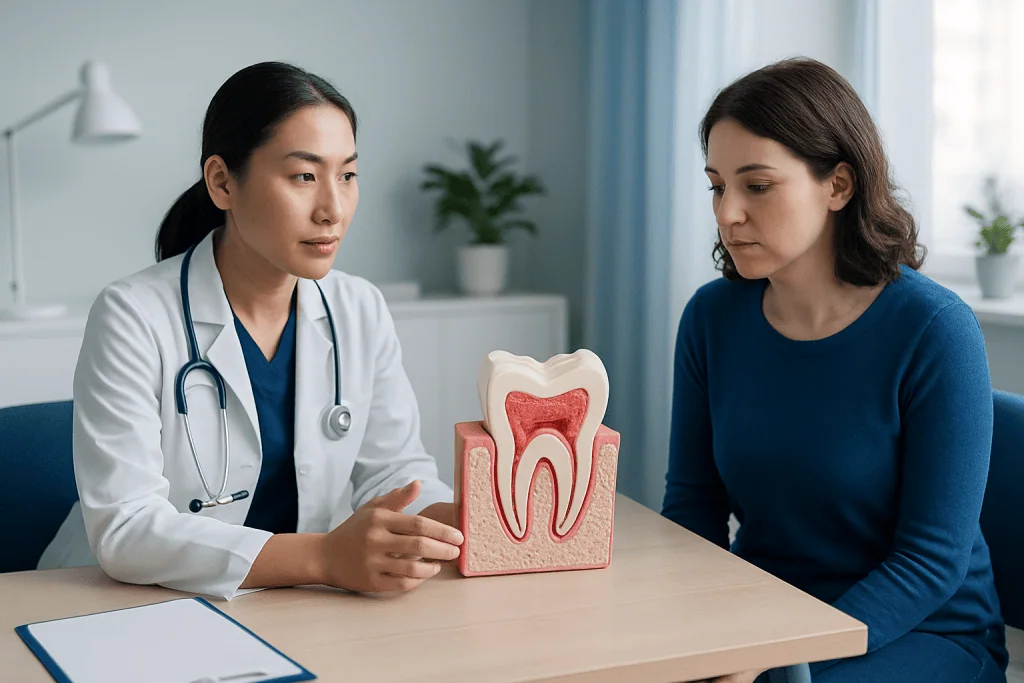
The most common cause of bleeding gums is plaque buildup. Plaque is a sticky film of bacteria that forms on the teeth every day. If it is not removed well with brushing and flossing, it can irritate the gums and trigger inflammation. Over time, plaque can harden into tartar, which can only be removed professionally.
Several factors can increase the risk of gum disease. Smoking, diabetes, hormonal changes, certain medications, dry mouth, and poorly fitting dental restorations can all affect gum health. Some people are also more prone to gum problems because of genetics or immune-related conditions.
Bleeding may also happen when a person starts flossing after a long break, usually because the gums are already inflamed. Less commonly, nutritional deficiencies or blood-clotting problems can contribute. If bleeding is heavy, frequent, or unrelated to brushing, a healthcare professional may look for causes beyond the mouth.
Tooth grinding, also called bruxism, does not directly cause gum disease, but it can add stress to teeth and supporting tissues. Existing gum recession may also make inflammation easier to notice, particularly in people with gum recession or sensitive exposed roots.
How Dentists Diagnose the Problem
Diagnosis usually begins with a dental examination. The dentist looks at the color, shape, and firmness of the gums and checks for visible plaque or tartar. They may gently measure the spaces between the teeth and gums, called pockets, to see whether inflammation has progressed deeper below the gumline.
Dental X-rays may be recommended if periodontitis is suspected, because they can show whether there has been bone loss around the teeth. The dentist will also ask about symptoms, oral hygiene habits, smoking, medical conditions, and medications that may affect the gums.
It is important to identify whether the issue is simple gingivitis or more advanced periodontal disease, since management differs. A routine visit in general dentistry can often detect early warning signs before significant damage develops. Early diagnosis supports more conservative treatment and better long-term oral health.
Treatment Options for Bleeding Gums and Gum Disease
Treatment depends on the cause and severity. For early gingivitis, improving daily oral hygiene and having a professional dental cleaning may be enough to reduce inflammation and stop the bleeding. Dentists often advise more effective brushing technique, daily flossing or interdental cleaning, and regular follow-up visits.
When gum disease is more advanced, deeper cleaning procedures may be needed to remove plaque and tartar from below the gumline. This may be followed by closer periodontal monitoring and, in some cases, additional procedures to help the gums heal or to manage tissue changes. If infection is present, the dentist may also discuss whether other supportive treatments are appropriate.
Where the appearance or contour of the gum tissue has been affected, selected patients may benefit from gingival aesthetics after the disease is brought under control. If a tooth has been severely damaged by infection involving the inner tooth tissue, treatment in endodontics may occasionally be part of the overall plan. The best approach is individualized and should be guided by a qualified dental professional.
Prevention and Self-Care
Good daily oral care is the main way to prevent both bleeding gums and gum disease. Teeth should be brushed twice a day with a soft-bristled toothbrush and fluoride toothpaste. Cleaning between the teeth once a day with floss or interdental brushes helps remove plaque from areas a toothbrush cannot easily reach.
Regular dental checkups are equally important because tartar cannot be removed at home. Professional cleanings help control plaque buildup and allow dentists to identify early changes in the gums before they become more serious. People who have had gum disease before may need more frequent periodontal maintenance.
Lifestyle habits also matter. Not smoking, controlling blood sugar if diabetes is present, eating a balanced diet, and staying hydrated can support healthier gums. Self-care can improve mild inflammation, but ongoing bleeding should not be ignored, especially if it lasts more than a few days or keeps returning.
When to See a Dentist
A dental appointment is advisable if the gums bleed repeatedly, even with gentle brushing or flossing. Bleeding that continues despite improved oral hygiene may indicate gingivitis, periodontitis, or another oral health issue that needs professional treatment.
Prompt assessment is especially important if bleeding is accompanied by swollen gums, pus, persistent bad breath, gum recession, tooth sensitivity, pain when chewing, or loose teeth. These features can suggest more advanced disease and may require a more detailed examination.
If gum bleeding is heavy, happens without brushing, or is associated with easy bruising or bleeding elsewhere in the body, medical evaluation may also be needed. For international patients seeking care, Acibadem International’s multidisciplinary specialists at JCI-accredited hospitals diagnose and treat dental and periodontal conditions with individualized assessment and treatment planning.
Frequently asked questions
Are bleeding gums always a sign of gum disease?
Not always, but they often signal inflammation in the gums. Bleeding can happen from plaque buildup, brushing too hard, or starting flossing after a long break, but persistent bleeding should be checked by a dentist.
What is the difference between gingivitis and periodontitis?
Gingivitis is the early stage of gum disease and mainly affects the gums, causing redness, swelling, and bleeding. Periodontitis is a more advanced stage in which deeper tissues and supporting bone can be damaged.
Can bleeding gums go away on their own?
Mild bleeding related to early irritation may improve with better brushing, flossing, and professional cleaning. However, if the cause is gum disease, it usually needs proper dental care to fully control the problem.
Is gum disease reversible?
Early gum disease, called gingivitis, is often reversible with good oral hygiene and professional treatment. Once it progresses to periodontitis, the damage may not be fully reversible, but it can often be managed and stabilized.
When should someone worry about bleeding gums?
A person should arrange a dental visit if bleeding happens often, lasts more than a few days, or comes with swelling, bad breath, pain, or loose teeth. Heavy bleeding or bleeding along with symptoms elsewhere in the body also deserves medical attention.
How can gum disease be prevented?
Prevention usually includes brushing twice daily, cleaning between the teeth every day, and having regular dental checkups and cleanings. Avoiding tobacco and managing conditions such as diabetes can also lower risk.
References
- American Dental Association
- Centers for Disease Control and Prevention
- National Institute of Dental and Craniofacial Research
- Mayo Clinic
- World Health Organization
This article is for general information only and is not a substitute for professional medical advice. Please consult a qualified doctor about your individual situation.
Bleeding Gums in Turkey — costs, top hospitals & a free quote
JCI-accredited · board-certified surgeons · reply within 24h
Add us as a Preferred Source to see more of our trusted health content across Google Search, AI Overviews and Discover.

Dental & Oral Health
Full-scope dental care from implants and aesthetics to oral and maxillofacial surgery.
151 specialists in this unitRelated Treatments
More from the Health Library



Related Specialists

Assoc. Prof. Dr. Ferit Bayram
Oral & Dental Health
Assoc. Prof. Dr. Yeliz Çavuşoğlu Yüce
Oral & Dental Health
Assoc. Prof. Dr. Mutlu Keskin
Oral & Dental Health
Prof. Dr. Ülkü Noyan
Oral & Dental Health