Dental Fillings Near Me: What to Check Before Booking Treatment Abroad

A proper diagnosis matters as much as the filling itself. Patients should ask which filling material will be used and why.
Key Takeaways
- A proper diagnosis matters as much as the filling itself.
- Patients should ask which filling material will be used and why.
- Clinic hygiene, imaging, and dentist qualifications are important safety checks.
- Travel plans should allow time for assessment, treatment, and review if needed.
- A clear aftercare and follow-up plan is essential before booking abroad.
Dental fillings abroad can be a practical option when patients choose a qualified clinic and understand what is included before they book. A careful review of diagnosis, materials, safety standards, and aftercare helps people make informed decisions.
Overview: Why people look for dental fillings abroad
When people search for “dental fillings near me,” they may eventually compare options beyond their home country. This often happens because they want shorter waiting times, coordinated dental care during travel, or access to experienced clinics that can provide examination and treatment in one plan.
A dental filling is used to restore a tooth damaged by decay, wear, or a small fracture. The goal is to remove unhealthy tooth structure when needed, protect the tooth, and help it function comfortably again. In many cases, a simple filling is enough. In others, a dentist may recommend a different solution if the cavity is large or the tooth is weak.
Booking treatment abroad can be appropriate for straightforward dental care, but it is safest when patients avoid choosing only by price or convenience. The most important question is whether the clinic is making a sound diagnosis and offering the right treatment for that specific tooth.
What to check before booking
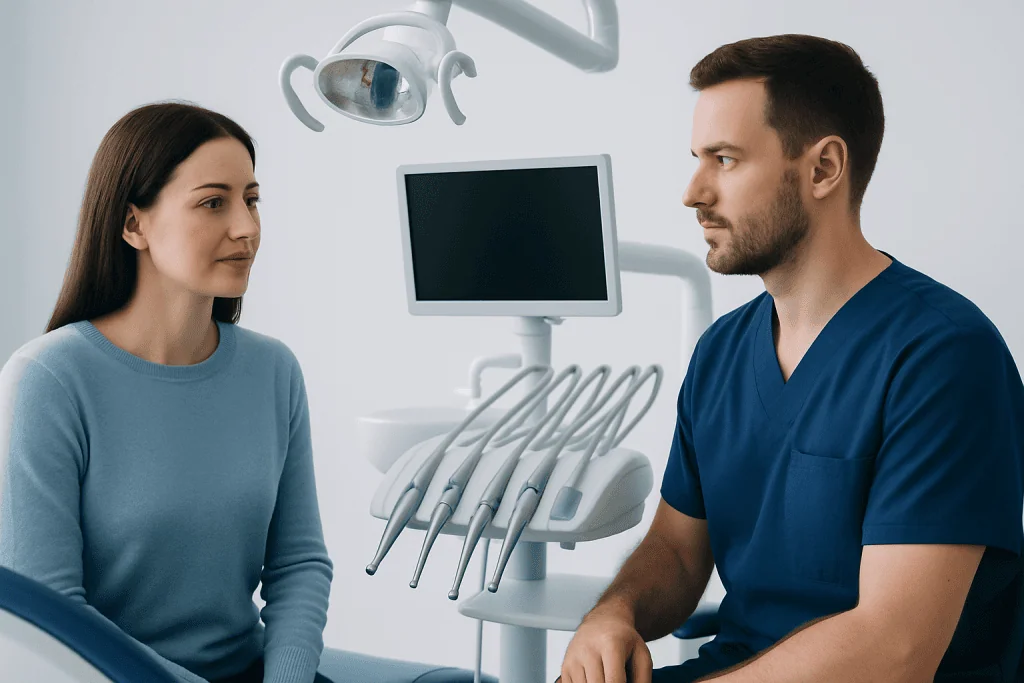
Before confirming an appointment abroad, patients should ask practical and clinical questions. A trustworthy clinic should be able to explain the diagnosis, treatment steps, expected recovery, and possible alternatives in clear language. Good communication matters, especially when care is being arranged from another country.
It is helpful to ask whether the dentist has recent X-rays or needs to take new ones on arrival. A cavity between teeth, a crack, or inflammation near the nerve may not be visible from a photo alone. Proper imaging supports a safer plan and reduces the chance of an unsuitable filling.
- Who will perform the filling, and what are their qualifications?
- What imaging or examination is included before treatment?
- Which filling material is being recommended, and why?
- Is local anesthetic available if needed?
- What happens if the tooth needs more than a filling?
- What follow-up support is available after the patient returns home?
Patients should also confirm whether the appointment is for consultation only or for same-day treatment. Some teeth can be restored in one visit, but others need more careful planning. When clinics are transparent about this, patients can plan their travel more realistically.
Understanding diagnosis, materials, and treatment choices

Not every painful or damaged tooth needs the same treatment. A small cavity may be managed with a direct filling, while a deeper cavity close to the nerve may require protective lining, monitoring, or root canal treatment if the pulp is infected. If too much tooth structure has been lost, a filling may not last well and the dentist may advise a dental crown instead.
Patients should ask what type of filling is planned. Common options include tooth-colored composite resin, glass ionomer in selected situations, and other restorative materials depending on the tooth and the clinical need. Composite fillings are popular because they match the natural tooth color and bond to tooth structure, but they still need good technique and moisture control during placement.
A useful question is why a particular material is being recommended for a back tooth, front tooth, baby tooth, or worn area near the gumline. The best choice depends on the size and position of the cavity, biting forces, oral hygiene, and whether the tooth is dry enough during treatment. A careful explanation often reflects careful clinical thinking.
For people comparing options, it may also help to review general restorative services such as dental fillings and general dentistry so they understand where fillings fit within broader dental care. This can make it easier to judge whether a clinic is recommending the least invasive effective option.
Safety, hygiene, and clinic standards
Infection control is a basic but essential part of safe dental care. Patients should feel comfortable asking how instruments are sterilized, whether single-use items are used when appropriate, and how the clinic reduces cross-contamination. Professional clinics are usually prepared to answer these questions clearly.
Another important point is whether the clinic performs a full oral assessment rather than focusing on one visible cavity only. Gum disease, tooth grinding, old leaking fillings, or hidden decay can affect the success of treatment. For example, a patient with untreated grinding may place excessive pressure on a new filling, while inflamed gums may indicate a need for wider dental care.
It is also wise to ask how pain control is managed and what to expect after the procedure. Temporary sensitivity after a filling can happen, especially with deeper cavities, but severe or worsening pain needs review. Patients should know whom to contact if symptoms continue after they travel home.
Accreditation, documented standards, and multidisciplinary support can be reassuring, but they do not replace a good individual assessment. Near the end of the process, patients should make sure they understand consent forms, records, and whether copies of X-rays and treatment notes will be provided for future dental visits.
Planning travel and timing wisely
Travel timing can influence the overall experience. It is often best not to schedule treatment immediately before a long flight, an important event, or a tight return journey. Even simple fillings can leave the tooth or surrounding tissues slightly sensitive for a short time, and some cases need an adjustment after the bite settles.
If several teeth are involved, patients should ask whether all work can safely be done in one visit or whether care should be staged. Multiple restorations may take longer than expected, especially if deeper decay is found once the old filling or softened tooth structure is removed. Allowing some flexibility in the schedule is sensible.
Travelers should also think about language support, copies of their dental records, and how to communicate allergies, medications, pregnancy, or medical conditions such as diabetes or bleeding disorders. These details can affect local anesthetic choices, healing, and appointment planning. Sharing an accurate medical history helps the dental team treat the patient more safely.
Questions to ask about aftercare and costs
Before booking, patients should request a written treatment plan. This should explain what is included in the quoted price, whether consultation and X-rays are separate, and what may change if the dentist finds that the tooth is more damaged than expected. A low initial quote can become less useful if it does not reflect likely next steps.
Aftercare is especially important for international patients. They should ask whether the clinic offers a review visit before departure, whether they can contact the dentist remotely, and what records will be shared with their home dentist. A clear aftercare pathway is often a sign of organized care.
Patients should also ask what symptoms are normal after a filling and which ones need urgent attention. Mild cold sensitivity or bite awareness may settle, but swelling, fever, severe throbbing pain, or difficulty closing the teeth together properly should be checked. Knowing this in advance can reduce uncertainty after treatment.
Near the end of their decision-making, some patients choose larger centers that can coordinate more than one dental need if the initial plan changes. Acibadem International’s multidisciplinary specialists in JCI-accredited hospitals diagnose and treat dental conditions for international patients, which may be helpful when a case turns out to need broader assessment than expected.
Red flags to be cautious about
Patients should be cautious if a clinic promises treatment without a proper examination or guarantees that every painful tooth can be fixed with a filling. Tooth pain can come from deep decay, a crack, gum disease, sinus-related discomfort, or bite problems. Correct diagnosis is more important than a fast booking process.
Another warning sign is pressure to accept many procedures quickly without clear explanation. Some patients travel expecting one filling and are then told they need multiple restorations or cosmetic changes. While treatment plans can genuinely change after examination, recommendations should still be evidence-based and easy to understand.
- No clear explanation of the diagnosis
- No discussion of alternatives or risks
- No current X-rays when clinically indicated
- Unclear pricing or hidden extra charges
- No written records or aftercare instructions
- No plan if symptoms continue after travel
People should also be careful about choosing treatment based mainly on social media images or non-clinical reviews. Appearance can matter, but fillings are primarily functional restorations. The key question is whether the tooth is being preserved safely and appropriately for long-term oral health.
When to seek prompt dental advice
Some situations should not be delayed while comparing travel options. A patient should seek prompt dental assessment if there is significant tooth pain, swelling, pus, fever, a broken tooth with sharp edges, or pain when biting that suggests a crack or infection. These signs may mean the tooth needs urgent care rather than routine elective booking.
Patients should also arrange review if an old filling has fallen out, the tooth feels high after recent treatment, or there is ongoing sensitivity that does not improve. Sometimes a simple adjustment is enough, but persistent symptoms can mean the cavity was deeper than first thought or that another issue is present.
Anyone with a weakened immune system, complex medical history, or several competing dental problems may benefit from a more comprehensive consultation before traveling. In these cases, coordinated care can be valuable, especially if the tooth may need more than a straightforward filling.
Frequently asked questions
Is it safe to get dental fillings abroad?
It can be safe when the clinic performs a proper examination, uses appropriate materials, and follows good infection-control standards. Patients should also make sure there is a clear plan for records, aftercare, and what happens if the tooth needs more than a simple filling.
How can someone tell if a clinic is trustworthy?
A trustworthy clinic explains the diagnosis clearly, answers questions about materials and imaging, and provides transparent pricing. It should also discuss alternatives, possible limitations, and follow-up rather than focusing only on booking quickly.
What should patients ask about filling materials?
They should ask which material will be used, why it suits that specific tooth, and how long it is expected to perform under normal conditions. The choice depends on the cavity size, tooth position, bite forces, and the condition of the remaining tooth structure.
Can a tooth that seems to need a filling actually need different treatment?
Yes. If decay is deep, the tooth is cracked, or the nerve is affected, a filling may not be enough. In some cases, the dentist may recommend root canal treatment, a crown, or another restorative approach after examination and X-rays.
How long should someone stay after getting a filling abroad?
The answer depends on how many teeth are being treated and whether the fillings are simple or deep. Even for routine care, it is often sensible to leave enough time for a review visit in case bite adjustment or symptom reassessment is needed.
What symptoms after a filling should prompt medical attention?
Mild short-term sensitivity can happen, especially after deeper restorations. Patients should seek dental advice if they develop severe pain, swelling, fever, a filling that feels too high, or symptoms that do not improve over time.
References
- World Health Organization
- FDI World Dental Federation
- American Dental Association
- National Health Service
- Mayo Clinic
This article is for general information only and is not a substitute for professional medical advice. Please consult a qualified doctor about your individual situation.
Dental Fillings in Turkey — costs, top hospitals & a free quote
JCI-accredited · board-certified surgeons · reply within 24h
Add us as a Preferred Source to see more of our trusted health content across Google Search, AI Overviews and Discover.

Dental & Oral Health
Full-scope dental care from implants and aesthetics to oral and maxillofacial surgery.
151 specialists in this unitRelated Treatments
More from the Health Library



Related Specialists

Assoc. Prof. Dr. Ferit Bayram
Oral & Dental Health
Assoc. Prof. Dr. Yeliz Çavuşoğlu Yüce
Oral & Dental Health
Assoc. Prof. Dr. Mutlu Keskin
Oral & Dental Health
Prof. Dr. Ülkü Noyan
Oral & Dental Health