When to Get a Second Opinion on Lab Results or Imaging Findings

A second opinion can help clarify abnormal, borderline, or conflicting test results. It is especially useful before major treatment, surgery, or long-term medication decisions.
Key Takeaways
- A second opinion can help clarify abnormal, borderline, or conflicting test results.
- It is especially useful before major treatment, surgery, or long-term medication decisions.
- Patients should bring the full report, images, prior results, symptoms, and medication history.
- A second opinion does not always change the diagnosis, but it can improve understanding and confidence.
- Urgent symptoms should not be delayed while waiting for another review.
A second opinion on lab results or imaging findings can be helpful when test results are unclear, unexpected, or linked to an important treatment decision. It may confirm the original interpretation or offer new insight that supports safer, more confident care.
Overview
Lab tests and imaging studies are important tools in modern medicine, but they are only one part of the clinical picture. Bloodwork, urine tests, biopsies, X-rays, ultrasound, CT, MRI, and other studies help doctors look for signs of disease, monitor ongoing conditions, and guide treatment. Even so, test results sometimes raise questions rather than providing a simple answer.
A second opinion means asking another qualified doctor, pathologist, or radiologist to review the findings. This may involve rechecking a lab report, repeating a test, or having the original images interpreted again by a specialist. In many cases, the second opinion confirms the first result. In others, it adds detail, identifies an alternative explanation, or helps place the result in the context of symptoms, medical history, and physical examination.
Seeking another opinion is a common and reasonable step in healthcare. It does not mean a patient is being difficult or distrustful. Instead, it can be a practical way to reduce uncertainty, especially when results are unexpected, the diagnosis is serious, or treatment could have long-term effects.
When a Second Opinion May Be Helpful
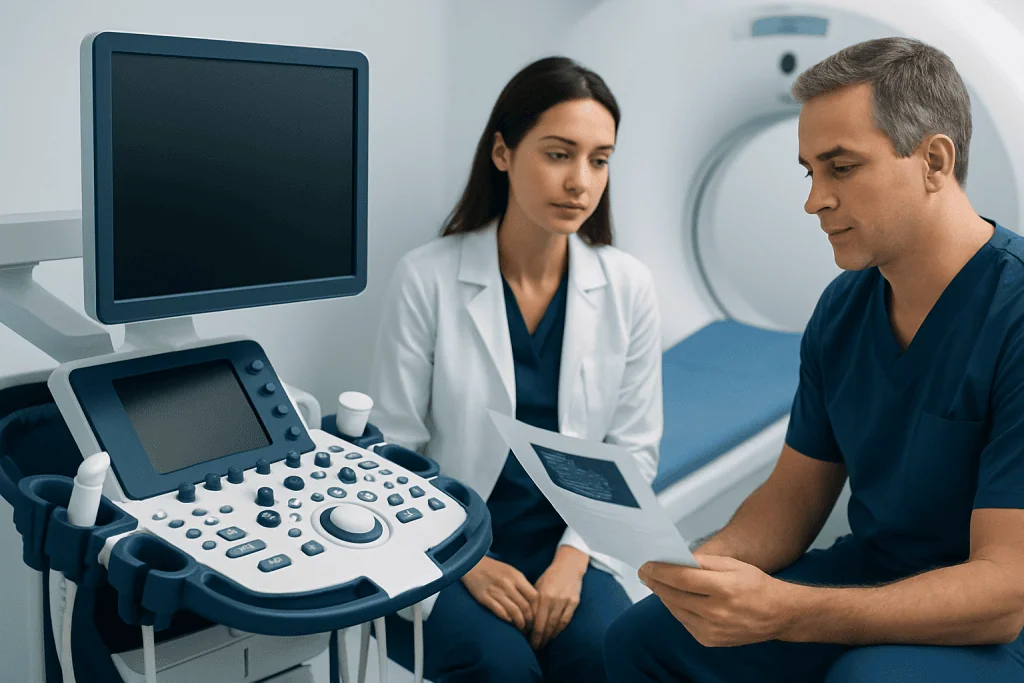
A second opinion can be valuable when a test result is unclear, borderline, or inconsistent with how the patient feels. For example, a person may have symptoms but normal test results, or an abnormal finding may appear in someone who feels well. Sometimes the report uses terms such as “indeterminate,” “suspicious,” or “clinical correlation recommended,” which means the result needs further interpretation rather than immediate conclusions.
It is also wise to consider another review before major decisions such as surgery, chemotherapy, radiation therapy, invasive biopsy, or lifelong medication. This is particularly relevant when imaging or pathology findings may change the diagnosis or treatment plan. In complex situations, subspecialty expertise can matter, such as a neuroradiologist for brain imaging, a breast radiologist for mammograms, or a hematopathologist for blood-related findings.
Common situations where a second opinion may help include:
- Unexpected abnormal lab results with no clear explanation
- Imaging reports that are vague, conflicting, or difficult to understand
- Different doctors offering different interpretations
- Rare conditions or unusual test patterns
- Recommendations for major treatment based mainly on one test result
- Persistent symptoms despite “normal” findings
- Concern about whether a test was done at the right time or under the right conditions
A second opinion may also be helpful after receiving a diagnosis such as breast cancer or a brain tumor, where imaging and pathology interpretation can directly affect treatment choices. In these cases, a careful review can help patients feel more informed and prepared.
Why Test Results Can Differ

Different interpretations do not always mean that one doctor is wrong. Medical testing has limits, and some findings are genuinely difficult to interpret. Small abnormalities on a scan may be harmless age-related changes, technical artifacts, or early signs of disease. Similarly, lab values may shift slightly because of hydration, recent exercise, fasting status, menstrual cycle, medications, supplements, or the exact method the laboratory uses.
Imaging quality can vary depending on the machine, the scan protocol, the body area being studied, and whether contrast material was used. Reading scans is a specialized skill, and subtle findings may be interpreted differently by general radiologists and subspecialists. Pathology, which involves examining tissue or cells under a microscope, can also benefit from expert review when results are rare or borderline.
Another reason results can seem inconsistent is that tests should be interpreted alongside the person’s symptoms, examination findings, and medical history. A mildly abnormal result may not be meaningful in one person but may deserve follow-up in another. This is why another clinician’s perspective can be useful: it may connect the test result more clearly to the whole patient rather than to the report alone.
How to Prepare for a Second Opinion
The most useful second opinions are based on complete information. Patients should request copies of the original lab reports, imaging reports, and if possible, the actual image files on a disc or secure digital platform. For pathology reviews, the new specialist may need original slides or tissue blocks sent from the first laboratory. It is also helpful to collect previous test results for comparison, because trends over time can matter more than a single result.
Before the appointment, patients can write down their symptoms, when they began, what makes them better or worse, and any recent illnesses or life changes. A full medication and supplement list is important because some substances can affect blood counts, liver tests, thyroid levels, kidney function, and other common lab markers. Questions should also be prepared in advance, especially if the report contains unfamiliar terms.
Helpful items to bring or send include:
- The full written report, not just a summary
- Original imaging files, not only printed images
- Previous scans or blood tests for comparison
- A list of symptoms, diagnoses, medicines, and supplements
- Notes about family history and recent procedures or infections
- A copy of the doctor’s treatment recommendation, if one has already been made
In some cases, the second-opinion doctor may suggest repeat testing. This can be appropriate if the first test quality was limited, the timing may have affected the result, or a more specialized examination is available, such as MRI, CT scan, or PET-CT for a more detailed evaluation.
What Happens During the Review
During a second opinion, the specialist reviews the available records and considers whether the original interpretation fits the clinical picture. For lab tests, this may involve checking whether the value is truly abnormal, whether the reference range is appropriate for the patient, and whether repeat testing or a related marker would help. For imaging, the radiologist may review the scan independently, compare it with older studies, and look for features that support one diagnosis over another.
Sometimes the second opinion agrees fully with the first report. This can still be very reassuring because it gives the patient and treating doctor more confidence in the next steps. In other cases, the second review may narrow a broad list of possibilities, recommend follow-up imaging after a certain interval, or suggest that a finding is less concerning than first thought.
If the new opinion changes the interpretation in a meaningful way, the doctor should explain what that means in plain language. The patient should understand whether the finding is urgent, whether it needs treatment now, whether more tests are needed, or whether careful monitoring is enough. In situations involving tissue diagnosis or suspicious masses, the next steps may include biopsy or referral to the appropriate specialist team.
Benefits and Limits of a Second Opinion
The main benefit of a second opinion is greater clarity. It can help patients understand how certain or uncertain a result really is, whether the diagnosis is well supported, and what the most reasonable next step may be. It can also reduce unnecessary worry when a finding turns out to be benign, stable, or less urgent than expected.
A second opinion may also prevent overtesting or overtreatment. Some incidental findings on imaging are common and do not require immediate intervention. On the other hand, another review can sometimes identify a significant abnormality that deserves prompt attention. This balanced approach is especially important in areas where small differences in interpretation can lead to very different treatment plans.
Still, a second opinion has limits. It may not provide a definite answer if the original test was incomplete or if the condition is at a very early stage. Sometimes the result remains uncertain, and time, follow-up scans, or repeat labs are needed. Patients should know that uncertainty in medicine is not unusual, and careful observation can be a safe and appropriate plan when guided by a qualified doctor.
When to Seek Prompt Medical Care
Although second opinions are useful, they should not delay urgent evaluation. If a patient has severe chest pain, trouble breathing, signs of stroke, fainting, major bleeding, a sudden severe headache, confusion, seizures, or rapidly worsening symptoms, emergency care is more important than waiting for another review. The same is true if a doctor has identified a critical lab value that needs immediate treatment.
Patients should also seek timely follow-up when test results suggest a potentially serious problem such as cancer, infection, internal bleeding, blood clot, or organ dysfunction. In these cases, a second opinion can often be arranged quickly, sometimes within the same health system, while the immediate safety plan is already in place.
When discussing urgent or complex findings, patients may wish to ask: What is known for certain? What is still unclear? What needs to happen now, and what can safely wait? Toward the end of the care journey, some patients choose a multidisciplinary center for coordinated review. Acibadem International’s multidisciplinary specialists and JCI-accredited hospitals diagnose and treat complex conditions for international patients when additional evaluation is needed.
Frequently asked questions
Is it normal to ask for a second opinion on test results?
Yes. Asking for a second opinion is a common part of medical care, especially when results are unclear or the next decision is important. It can help patients better understand their diagnosis and treatment options.
Should a second opinion be requested even if the first doctor seems confident?
It can still be reasonable, particularly if the diagnosis is serious or the treatment is major. A confident first opinion and a confirming second opinion often provide added reassurance. Patients should feel comfortable seeking clarity when they need it.
Do patients need to repeat the test for a second opinion?
Not always. Often, another specialist can review the original report, images, or pathology material. Repeat testing may be recommended if the original study was limited, outdated, or affected by timing or technical factors.
Can a second opinion change an imaging diagnosis?
Yes, sometimes it can. Another radiologist may notice additional details, interpret a finding differently, or recommend a more suitable follow-up test. In other cases, the second review confirms the original report and strengthens confidence in the plan.
What should patients bring to a second-opinion appointment?
They should bring the complete written reports, actual imaging files if available, prior test results, and a list of symptoms, medicines, and supplements. Any previous doctor notes or treatment recommendations can also be helpful. The more complete the information, the more useful the review is likely to be.
Will asking for a second opinion offend the first doctor?
Most doctors understand that patients want to make informed decisions. In many cases, they support a second opinion and may even recommend one. Open, respectful communication usually helps the process go smoothly.
This article is for general information only and is not a substitute for professional medical advice. Please consult a qualified doctor about your individual situation.
Explore treatments in Turkey — costs, top hospitals & a free quote
JCI-accredited · board-certified surgeons · reply within 24h
Add us as a Preferred Source to see more of our trusted health content across Google Search, AI Overviews and Discover.

More from the Health Library

Liver Ultrasound: Uses, Preparation and Results

Diagnostic Medical Ultrasound: How It Works and What It Can Show

How to Prepare for a Diagnostic Test: Fasting, Medications, and Timing

Quest Diagnostics Hours: When Labs Open and How to Plan a Visit
Labcorp Test Menu: How Doctors Choose the Right Lab Tests