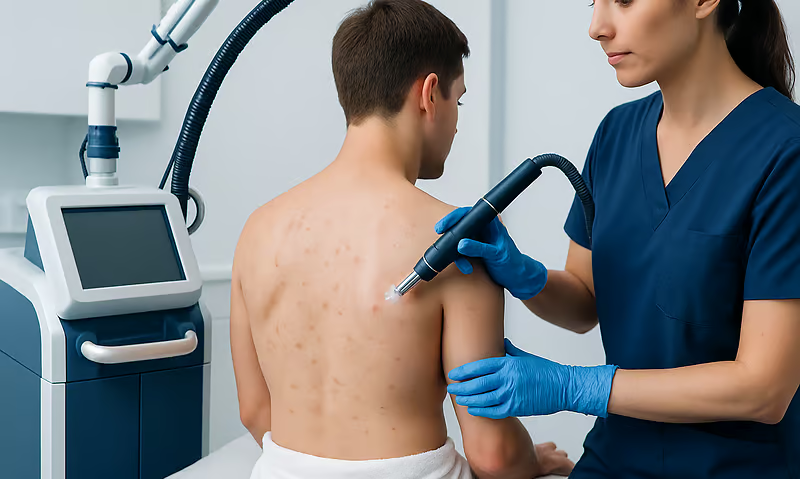
Physical Health Definition: What It Includes and How to Measure It

Physical health includes body function, strength, endurance, sleep, nutrition, and the ability to recover from illness or stress. It is measured using a combination of self-assessment, physical activity, vital signs, lab tests, and medical history.
Key Takeaways
- Physical health includes body function, strength, endurance, sleep, nutrition, and the ability to recover from illness or stress.
- It is measured using a combination of self-assessment, physical activity, vital signs, lab tests, and medical history.
- Good physical health does not mean perfection; it means the body is supported well enough to function and adapt.
- Daily habits such as movement, balanced eating, sleep, hydration, and avoiding tobacco strongly influence physical wellbeing.
- Regular checkups help identify silent health problems early, even when a person feels well.
Physical health refers to how well the body functions in daily life, from energy and movement to sleep, nutrition, and recovery. It can be understood through symptoms, lifestyle habits, fitness, and routine medical assessments rather than by one single number.
Overview: What physical health means
The physical health definition is broader than simply “not being sick.” Physical health describes how well the body works as a whole. It includes the function of organs and body systems, the ability to move comfortably, maintain strength and stamina, sleep well, eat and digest properly, and recover from normal physical stress or illness.
In everyday life, physical health affects energy levels, mobility, concentration, appetite, and independence. A person with good physical health is usually able to carry out daily activities without unusual fatigue or limitation. This does not mean there are no medical conditions at all. Many people live well with chronic conditions when they are properly monitored and managed.
Physical health is also closely connected to mental and social wellbeing. For example, poor sleep can affect mood, chronic pain can reduce activity, and stress can influence blood pressure, digestion, and immunity. Because of these links, physical health is best viewed as an ongoing state of balance rather than a fixed label.
What physical health includes
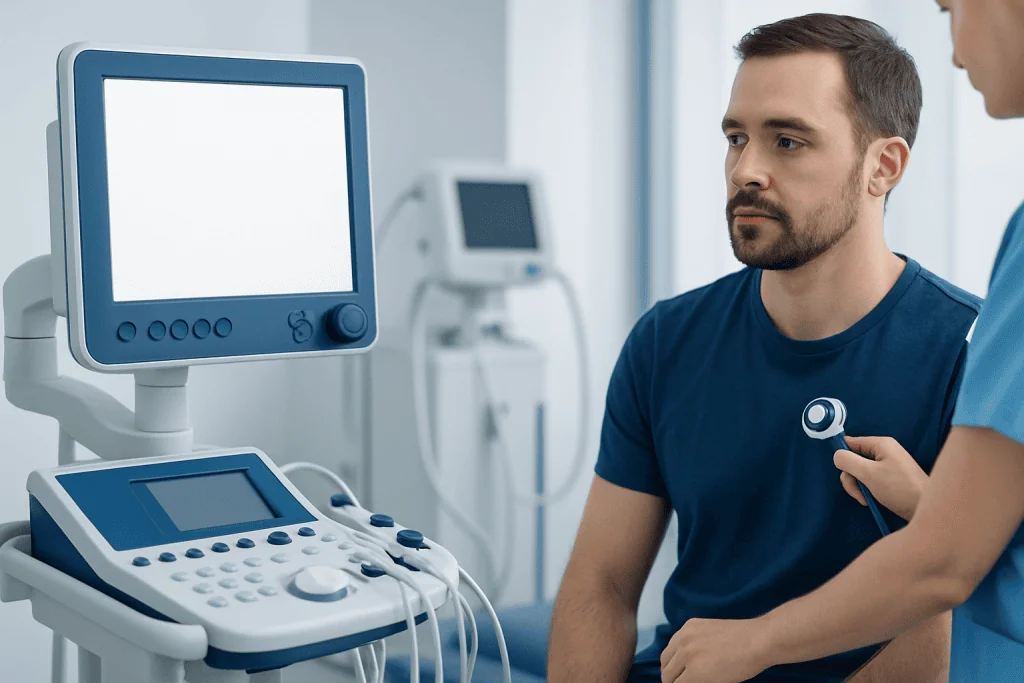
Physical health includes several connected areas of body function. One important area is cardiovascular and respiratory fitness, which reflects how well the heart and lungs deliver oxygen during activity. Another is musculoskeletal health, including muscle strength, joint mobility, posture, balance, and bone health. These factors support walking, lifting, exercise, and injury prevention.
Metabolic health is also part of physical wellbeing. This includes healthy blood sugar regulation, cholesterol balance, blood pressure, and body composition. Digestive function matters as well, because the body depends on proper nutrition, hydration, and absorption of vitamins and minerals. Immune function, hormone balance, skin health, and sexual health can also be part of the overall picture.
Common components of physical health include:
- Energy and stamina for daily activities
- Strength, flexibility, and balance
- Healthy sleep and recovery
- Nutritious eating and hydration
- Normal body function, including breathing, digestion, and circulation
- Freedom from uncontrolled pain or disabling symptoms
- Regular prevention and medical follow-up
Because physical health includes so many areas, it should not be judged by weight alone or by appearance. Someone may look fit but have poor sleep, high blood pressure, or low endurance. Likewise, a person may not match a narrow body image standard and still have strong overall health markers.
Signs of good physical health

There is no single symptom that proves a person is physically healthy, but certain patterns are reassuring. Steady energy, the ability to perform daily tasks, restful sleep, regular appetite, and comfortable movement are all positive signs. Good physical health often means the body can adapt to normal demands such as walking stairs, carrying groceries, working, or exercising without disproportionate shortness of breath, dizziness, or pain.
Other encouraging indicators include stable vital signs, a healthy level of physical activity, and recovery after exertion or minor illness. Muscles and joints should allow age-appropriate movement, and bowel and bladder habits are usually regular. Skin, hair, and nails can sometimes reflect overall health, especially when nutrition and circulation are adequate.
At the same time, some health problems develop quietly. High blood pressure, early diabetes, abnormal cholesterol, and some liver or kidney conditions may cause few symptoms at first. That is why feeling well is important, but not enough on its own. Preventive screening adds another layer of understanding to the physical health definition.
How physical health is measured
Physical health is measured through a combination of personal observations and medical assessment. At home, a person can reflect on energy, sleep, appetite, exercise tolerance, mood, pain, and whether daily tasks feel manageable. Tracking habits over time can help reveal patterns. For example, regular fatigue, frequent headaches, poor sleep, or declining activity levels may signal that the body needs attention.
In healthcare settings, professionals assess physical health using medical history, physical examination, and common measurements. These often include blood pressure, heart rate, respiratory rate, body temperature, body mass index, waist circumference, and sometimes oxygen saturation. Depending on age and risk factors, doctors may also recommend blood tests for glucose, cholesterol, blood count, thyroid function, liver health, kidney function, or vitamin levels.
Fitness and function can also be measured in practical ways, such as walking tolerance, grip strength, flexibility, balance, and endurance. For some people, more detailed testing may be useful, especially if symptoms suggest a hidden condition. A doctor may advise a comprehensive check-up and diagnostics plan to look more closely at overall health status.
Useful physical health indicators can include:
- Blood pressure and resting heart rate
- Sleep quality and daytime energy
- Activity level and exercise capacity
- Weight trends and waist size
- Blood sugar and cholesterol levels
- Strength, mobility, and balance
- Presence or absence of ongoing symptoms
What affects physical health
Physical health is shaped by both lifestyle and biology. Daily habits have a strong influence. Regular movement helps the heart, muscles, joints, and metabolism. Balanced eating supports energy, immunity, and tissue repair. Sleep is essential for hormone balance, brain function, and recovery. Hydration, sunlight exposure, and stress management also play meaningful roles in how the body feels and functions.
Genetics, age, sex, medical history, occupation, and environment matter too. Some people have a family history of conditions such as diabetes, high blood pressure, heart disease, or osteoporosis. Others may work long shifts, sit for many hours, or face air pollution, poor access to fresh food, or limited time for exercise. These factors do not determine health alone, but they can increase risk.
Smoking, vaping, excess alcohol, recreational drug use, chronic sleep deprivation, and prolonged inactivity can gradually reduce physical wellbeing. Unmanaged conditions such as obesity, thyroid disorders, chronic pain, or sleep apnea may also affect energy, mobility, and long-term organ health. Because so many influences interact, improving physical health usually works best through consistent small changes rather than extreme short-term efforts.
Ways to improve and maintain physical health
Most people can support physical health through sustainable daily habits. Regular exercise is one of the most effective steps. A healthy routine usually includes aerobic activity, muscle strengthening, flexibility, and balance work. The right amount and type of exercise depends on age, current fitness, medical conditions, and personal goals, so gradual progress is often safest and most successful.
Nutrition is another foundation. A balanced eating pattern generally emphasizes vegetables, fruits, whole grains, beans, nuts, lean proteins, and healthy fats while limiting highly processed foods, excess sugar, and too much salt. Drinking enough water and keeping regular meal patterns may also support energy and digestion. Sleep should be protected as part of physical health, not treated as optional rest time.
Prevention matters as much as treatment. Routine vaccinations, dental care, age-appropriate screening, and periodic medical review can help detect concerns early. In some cases, doctors may recommend structured support such as nutrition and diet counseling or physical therapy and rehabilitation to improve strength, mobility, or recovery after illness or injury.
Helpful self-care habits include:
- Being physically active most days of the week
- Eating a varied, nutrient-rich diet
- Sleeping enough on a regular schedule
- Avoiding tobacco and limiting alcohol
- Managing stress with realistic coping tools
- Keeping up with screenings and prescribed treatment
When to seek medical advice
A doctor should be consulted if there are ongoing changes in energy, weight, appetite, sleep, mobility, pain, breathing, digestion, or exercise tolerance. Symptoms such as chest pain, fainting, severe shortness of breath, weakness on one side, or sudden confusion need urgent medical attention. Even milder concerns deserve review when they persist, return often, or interfere with normal life.
Regular checkups are also important for people who feel well, especially with increasing age or a family history of chronic illness. Monitoring can uncover silent conditions early and guide healthier decisions. A doctor may suggest lifestyle changes, screening tests, or referral to a specialist depending on the findings.
Near the end of a health journey, some people need coordinated support across several specialties rather than advice from one clinic alone. Acibadem International’s multidisciplinary specialists and JCI-accredited hospitals diagnose and treat a wide range of health concerns for international patients, including preventive assessments when appropriate.
Physical health is not a fixed score to achieve once. It is an ongoing process of listening to the body, responding to changes, and building habits that support long-term function and wellbeing.
Frequently asked questions
What is the simple physical health definition?
Physical health means how well the body functions in everyday life. It includes strength, energy, movement, sleep, nutrition, and the ability to recover from illness, injury, or stress.
Is physical health the same as being fit?
Not exactly. Fitness is one part of physical health, but physical health is broader and also includes organ function, sleep, metabolism, pain levels, immunity, and prevention. A person can be active and still have health issues that need attention.
Can physical health be measured at home?
Yes, to a degree. A person can monitor sleep, energy, exercise tolerance, weight trends, symptoms, resting heart rate, and blood pressure if advised. However, home tracking does not replace professional evaluation or screening tests.
Why are regular checkups important if someone feels healthy?
Some common conditions cause few symptoms at first, including high blood pressure, high cholesterol, and early diabetes. Routine checkups can identify these problems earlier, when lifestyle changes or treatment may be more effective.
Does weight alone show whether someone is physically healthy?
No. Weight is only one piece of the picture and cannot fully describe cardiovascular fitness, muscle mass, sleep quality, blood pressure, or blood sugar control. A full assessment looks at function, habits, symptoms, and medical tests together.
What are the most important habits for better physical health?
The core habits are regular physical activity, balanced nutrition, adequate sleep, good hydration, stress management, and avoiding tobacco. Keeping up with preventive care and following medical advice for existing conditions are also essential.
References
- World Health Organization
- Centers for Disease Control and Prevention
- National Institutes of Health
- American Heart Association
- Mayo Clinic
This article is for general information only and is not a substitute for professional medical advice. Please consult a qualified doctor about your individual situation.
Explore treatments in Turkey — costs, top hospitals & a free quote
JCI-accredited · board-certified surgeons · reply within 24h
Add us as a Preferred Source to see more of our trusted health content across Google Search, AI Overviews and Discover.
Check your numbers in seconds
BMI, calories, due date, blood pressure and 30+ more clinical calculators — free, instant, doctor-reviewed ranges.