Headache Medicine for Children: What Is Used, What to Avoid, and When to Call a Doctor
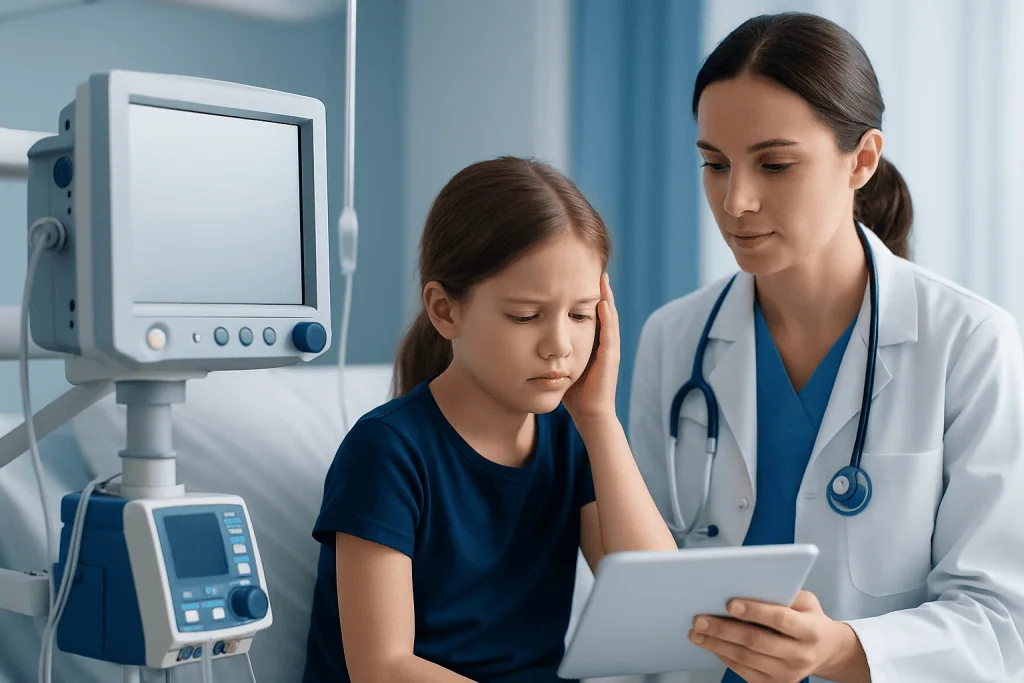
Acetaminophen and ibuprofen are commonly used headache medicines for children when given as directed for age and weight. Aspirin is generally avoided in children because of the risk of serious complications such as Reye syndrome.
Key Takeaways
- Acetaminophen and ibuprofen are commonly used headache medicines for children when given as directed for age and weight.
- Aspirin is generally avoided in children because of the risk of serious complications such as Reye syndrome.
- Frequent use of pain medicine can sometimes worsen headaches over time through medication overuse.
- Warning signs such as a sudden severe headache, head injury, fever with neck stiffness, or changes in behavior need urgent medical care.
- Hydration, sleep, regular meals, and identifying triggers are important parts of headache care in children.
Headache medicine for children can be safe and effective when the cause of the headache, the child’s age, and the correct dose are all considered carefully. Most children improve with rest, fluids, and common pain relievers, but some headaches need medical assessment.
Overview
Headaches are common in children and teenagers. Many are related to everyday issues such as tiredness, missed meals, dehydration, stress, or minor viral illnesses. In other cases, a child may have recurring headaches such as tension-type headaches or migraine that need a more structured treatment plan.
When parents or caregivers think about headache medicine for children, safety is the first concern. The right medicine depends on the child’s age, weight, medical history, and the type of headache. In general, simple pain relievers can be helpful, but they should be used carefully and not too often.
Medicine is only one part of treatment. Resting in a quiet room, drinking water, eating a light meal, and getting enough sleep often help. If headaches are frequent, severe, or unusual for the child, a doctor should assess the pattern and look for underlying causes.
What headache medicine is usually used for children
The most commonly used headache medicines for children are acetaminophen and ibuprofen. These medicines may help reduce pain when they are given early in the headache and in the correct dose for the child’s age and weight. Parents should always read the label carefully and follow advice from a pediatrician or pharmacist if they are unsure.
Acetaminophen is often chosen when a child cannot tolerate certain anti-inflammatory medicines or has stomach sensitivity. Ibuprofen may work well for some children, especially when the headache has inflammatory features or is part of a viral illness. However, ibuprofen may not be suitable for every child, such as those with dehydration, kidney concerns, or specific medical conditions.
For children who have diagnosed migraines, doctors may sometimes recommend additional treatments if basic pain relievers are not enough. These may include anti-nausea medicines or migraine-specific therapies in selected older children and adolescents. A specialist may also discuss options used in migraine treatment when headaches are recurrent and affecting school, sleep, or daily life.
Any medicine should be stored safely out of children’s reach. It is also important not to give adult headache combinations, leftover prescriptions, or supplements marketed for pain relief without medical advice.
What to avoid
Aspirin is generally avoided in children and teenagers unless a doctor specifically recommends it for another medical reason. This is because aspirin has been linked to Reye syndrome, a rare but serious condition that can affect the liver and brain, especially during or after certain viral infections.
Combination pain products can also be problematic. Some over-the-counter products made for adults contain caffeine, aspirin, or multiple active ingredients. These may not be appropriate for children and can increase the risk of side effects, accidental overdose, or worsening headaches if used too often.
Frequent use of headache medicine is another concern. If a child needs pain relievers regularly, the medicine itself may start to contribute to ongoing headaches, sometimes called medication overuse headache. This is one reason why recurrent headaches should be reviewed by a doctor rather than treated repeatedly without a plan.
- Avoid aspirin unless a doctor has prescribed it.
- Avoid giving adult-strength or multi-symptom products without professional advice.
- Avoid doubling doses or alternating medicines in a confusing way.
- Avoid using headache medicine so often that the child depends on it several days each week.
Common causes and triggers of headaches in children
Not every child’s headache has the same cause. Tension-type headaches may feel like pressure or tightness and are often linked to stress, posture, eye strain, or fatigue. Migraines in children can cause throbbing pain, nausea, light sensitivity, sound sensitivity, and a desire to lie down in a dark room. Some children also have abdominal symptoms or dizziness along with head pain.
Everyday triggers are very common. Dehydration, skipped meals, too much screen time, poor sleep, and emotional stress can all bring on headaches. Illnesses such as colds, sinus congestion, and fever may also lead to temporary headaches. Keeping a simple diary can help families notice patterns.
Less commonly, headaches are related to vision problems, medication side effects, concussion, high blood pressure, or other medical conditions. A doctor may consider these possibilities when headaches become frequent, severe, or different from the child’s usual pattern. Some children with persistent or complex symptoms may need evaluation in services related to neurology.
How doctors diagnose childhood headaches
Diagnosis usually begins with a detailed history. The doctor will ask when the headaches started, how often they happen, where the pain is felt, how long they last, and whether there are symptoms such as vomiting, fever, visual changes, weakness, or dizziness. Information about sleep, meals, hydration, stress, family history, and school life can also be important.
A physical examination often includes checking vital signs, hydration, the ears, nose, and throat, the eyes, and a focused neurological examination. In many children with a typical history and a normal examination, no urgent testing is needed. The goal is to identify whether the headaches fit a common benign pattern or whether there are warning signs.
Imaging tests are not routinely required for every child with headaches. However, a doctor may recommend further assessment if the child has abnormal neurological findings, headaches that wake them from sleep repeatedly, a major change in pattern, seizures, significant head trauma, or other red flags. In selected cases, advanced evaluation such as brain MRI may be used to look for structural causes.
Treatment options beyond medicine
Many children benefit from simple supportive care as soon as a headache begins. Resting in a quiet, dark room, drinking water, and having a small snack can be helpful. Early treatment is often more effective than waiting until the pain becomes severe.
Lifestyle steps are especially important for recurring headaches. A regular sleep schedule, consistent meals, good hydration, reduced excessive screen exposure, stress management, and physical activity can all lower headache frequency. A headache diary may record food, sleep, stress, menstrual cycles in adolescents, and response to medicine.
If headaches are frequent or disabling, doctors may suggest a prevention plan rather than relying only on pain relief during attacks. This can include behavioral strategies, school adjustments, treatment of anxiety or sleep problems, and in some cases preventive medication prescribed by a specialist. If headaches are linked to sinus, ear, or other contributing conditions, treating the cause may also reduce symptoms.
Near the end of the care pathway, some families may seek specialist support for complex or persistent symptoms. Acibadem International’s multidisciplinary specialists and JCI-accredited hospitals evaluate and treat neurological conditions for international patients when a more detailed assessment is needed.
When to call a doctor or seek urgent help
Parents should contact a doctor if headaches are happening often, interfering with school or play, waking the child repeatedly from sleep, or needing medicine again and again. Medical advice is also important if headaches are associated with vomiting, vision changes, fainting, balance problems, or if the child has a known medical condition that may raise concern.
Urgent medical care is needed for certain warning signs. These include a sudden very severe headache, a headache after a significant head injury, fever with neck stiffness, confusion, seizure, weakness, difficulty speaking, or a headache that is rapidly getting worse. In babies and very young children, unusual sleepiness, persistent crying, poor feeding, or a bulging soft spot should also be assessed promptly.
It is also sensible to ask for medical advice if there is uncertainty about which medicine is safe, how much to give, or whether a child is old enough for a particular product. A healthcare professional can help families choose the safest option and avoid unnecessary risks.
Frequently asked questions
What is the safest headache medicine for children?
For many children, acetaminophen or ibuprofen can be safe options when used correctly for the child’s age and weight. The best choice depends on the child’s health history, hydration, and any advice from their doctor. Labels should be checked carefully, and if there is any doubt, a pediatrician or pharmacist should be asked.
Can children take aspirin for a headache?
Aspirin is usually avoided in children and teenagers unless a doctor specifically prescribes it. This is because of the risk of Reye syndrome, a rare but serious condition associated with aspirin use during some viral illnesses. Parents should not give aspirin-containing products unless they have clear medical guidance.
How often can a child take headache medicine?
Headache medicine should only be used as directed on the label or by a doctor. If a child needs pain relief frequently or on many days each month, they should be assessed because repeated use can contribute to medication overuse headaches. Ongoing headaches usually need a treatment plan, not just repeated doses.
When is a child’s headache likely to be a migraine?
Migraine may be more likely if the headache is recurrent and comes with nausea, vomiting, sensitivity to light or sound, or a need to rest in a dark room. In children, migraine pain may be on both sides of the head and may be shorter than in adults. A doctor can help confirm the pattern and rule out other causes.
Should a child with a headache stay home from school?
That depends on the severity of the headache and any associated symptoms. If the child has a mild headache that improves with rest, hydration, or appropriate medicine, they may return to normal activity once they feel well. If there is fever, vomiting, severe pain, or the child is not acting normally, they should stay home and be assessed.
What are red flags for headaches in children?
Important warning signs include a sudden severe headache, headache after head injury, fever with neck stiffness, confusion, weakness, seizure, or changes in vision or speech. Headaches that wake a child repeatedly from sleep or keep getting worse also need medical review. These situations should not be managed with home treatment alone.
References
- American Academy of Pediatrics
- National Institute of Neurological Disorders and Stroke
- National Health Service
- Centers for Disease Control and Prevention
- World Health Organization
This article is for general information only and is not a substitute for professional medical advice. Please consult a qualified doctor about your individual situation.
Headache Medicine in Turkey — costs, top hospitals & a free quote
JCI-accredited · board-certified surgeons · reply within 24h
Add us as a Preferred Source to see more of our trusted health content across Google Search, AI Overviews and Discover.

Neurology
Diagnosis and treatment of disorders of the brain, spinal cord, nerves and muscles.
51 specialists in this unit