Heart Failure vs Congestive Heart Failure: Is There a Difference?

Heart failure is the general medical term for a heart that cannot pump blood as effectively as it should. Congestive heart failure usually describes heart failure with fluid congestion, such as swelling or shortness of breath.
Key Takeaways
- Heart failure is the general medical term for a heart that cannot pump blood as effectively as it should.
- Congestive heart failure usually describes heart failure with fluid congestion, such as swelling or shortness of breath.
- Symptoms can include fatigue, breathlessness, ankle swelling, and reduced exercise tolerance.
- Diagnosis often involves a physical exam, blood tests, electrocardiogram, and echocardiogram.
- Treatment may include lifestyle changes, medicines, and in some cases devices or procedures.
Heart failure and congestive heart failure are closely related terms, and many people use them interchangeably. In modern medical practice, heart failure is the broader and preferred term, while congestive heart failure often refers to heart failure that causes fluid buildup in the lungs or body.
Overview: Are Heart Failure and Congestive Heart Failure Different?
Heart failure is a chronic condition in which the heart cannot pump enough blood to meet the body’s needs, or it can do so only by working under increased pressure. This does not mean the heart has stopped working. Instead, it means the heart’s pumping or filling function has become less efficient.
The term congestive heart failure is older and is still commonly used by patients and healthcare professionals. In many cases, it means the same thing as heart failure. More specifically, it often refers to heart failure that is causing congestion, meaning fluid buildup in the lungs, legs, abdomen, or other tissues.
Today, many clinicians prefer the term heart failure because not every person with heart failure has obvious congestion at all times. A person may have stable symptoms, or they may have heart failure mainly related to the heart’s reduced ability to relax and fill properly rather than visible fluid retention.
So, the short answer is that the two terms are closely related, but heart failure is the broader and more accurate medical term. Congestive heart failure usually describes a stage or pattern of heart failure in which fluid buildup is a prominent feature.
How Heart Failure Affects the Body
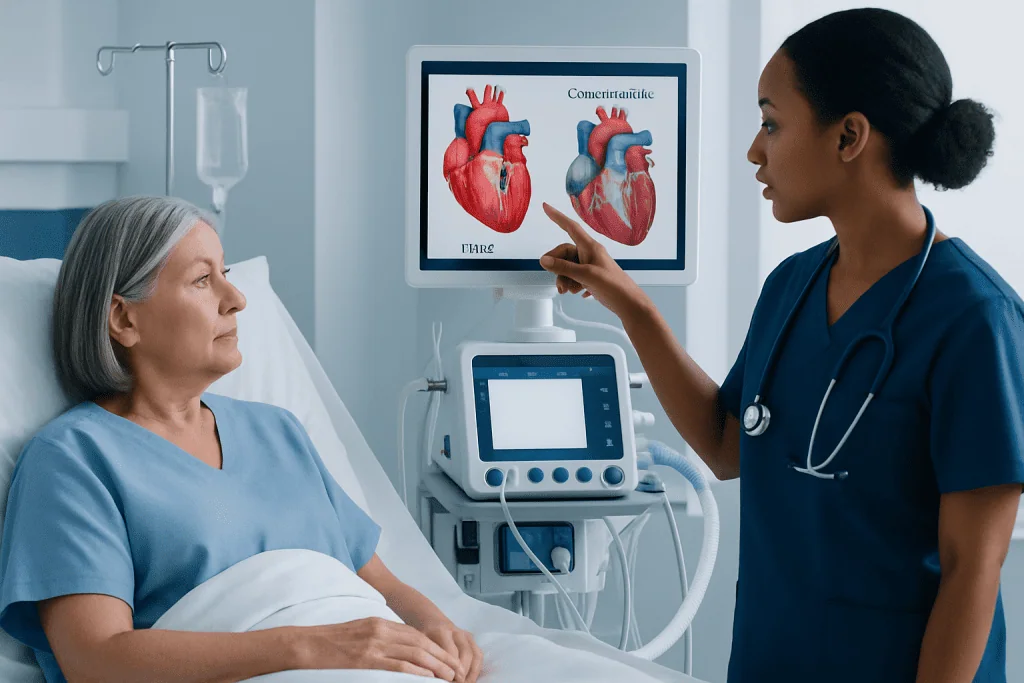
The heart works as a pump that sends oxygen-rich blood to the organs and tissues. When this pump becomes weaker or stiffer, blood flow may decrease and pressure may rise inside the heart and blood vessels. Over time, this can affect the lungs, kidneys, liver, and muscles.
Some people develop heart failure because the heart muscle becomes too weak to contract well. Others have heart failure because the heart becomes stiff and does not fill normally between beats. Both situations can lead to similar symptoms, including tiredness and shortness of breath.
When congestion develops, fluid may back up into the lungs and make breathing harder, especially when lying flat or during physical activity. Fluid may also collect in the legs, ankles, feet, or abdomen. This fluid retention is the reason the term congestive heart failure became widely used.
Heart failure can affect the left side of the heart, the right side, or both. Left-sided heart failure more often causes breathing symptoms, while right-sided heart failure may lead to swelling in the lower body and abdomen. In real life, many patients have a combination of both.
Symptoms and Signs to Watch For

Heart failure symptoms can develop gradually or appear more suddenly. Early symptoms may be mild and easy to overlook, especially if they are blamed on aging, stress, or lack of fitness. Paying attention to patterns is important because symptoms often worsen over time without treatment.
Common symptoms include shortness of breath during activity, breathlessness when lying flat, waking up at night feeling unable to breathe, fatigue, weakness, and a reduced ability to exercise. Some people notice that everyday tasks such as climbing stairs or walking short distances become harder than before.
When congestion is present, swelling in the ankles, legs, feet, or abdomen may occur. Some people gain weight quickly because of fluid retention. A persistent cough, wheezing, or a feeling of chest heaviness can also happen, particularly when fluid builds up in the lungs.
- Shortness of breath with exertion or at rest
- Fatigue and low energy
- Swelling in the legs, ankles, or abdomen
- Rapid weight gain from fluid retention
- Persistent cough or wheezing
- Fast or irregular heartbeat
- Reduced exercise tolerance
Causes and Risk Factors
Heart failure is not a single disease but a syndrome caused by other conditions that damage or strain the heart. One of the most common causes is coronary artery disease, which can reduce blood flow to the heart muscle. A previous heart attack may leave scar tissue and weaken the heart’s pumping ability.
High blood pressure is another major cause because it forces the heart to work harder over many years. Problems with the heart valves, certain rhythm disorders, congenital heart disease, and diseases of the heart muscle can also lead to heart failure. In some people, severe infections, alcohol misuse, or certain medications may contribute.
Long-term conditions such as diabetes, obesity, kidney disease, sleep apnea, and thyroid disorders can increase the risk as well. Older age also raises the likelihood of developing heart failure, although it is not a normal part of aging.
Because the causes can vary, the best treatment depends on identifying the underlying problem. For example, heart failure linked to blocked arteries may need a different approach than heart failure caused by long-standing high blood pressure or a valve disorder.
How Doctors Diagnose Heart Failure
Diagnosis begins with a medical history and physical examination. A doctor asks about symptoms such as shortness of breath, swelling, fatigue, chest discomfort, and changes in exercise capacity. They also review risk factors, past heart problems, family history, and current medications.
Several tests help confirm heart failure and determine its type and severity. Blood tests may look for markers that rise when the heart is under strain, as well as kidney function, electrolytes, thyroid status, and anemia. An electrocardiogram can show rhythm problems or signs of previous heart damage.
An echocardiogram is one of the most important tests because it uses ultrasound to show the heart’s structure and pumping function. It can help identify whether the heart’s ejection fraction is reduced or preserved, whether the chambers are enlarged, and whether valve disease is present. Chest imaging may also be used to look for fluid in the lungs or enlargement of the heart.
Some patients need additional testing to find the cause, such as stress testing, coronary imaging, or cardiac catheterization. In more complex cases, a cardiology team may also evaluate for rhythm-related causes or advanced heart muscle disease.
Treatment Options and Long-Term Management
Treatment aims to reduce symptoms, improve quality of life, slow disease progression, and lower the risk of complications. Care usually includes lifestyle changes, medicines, and regular follow-up. The exact plan depends on the cause of the heart failure, the presence of congestion, and how well the heart pumps.
Medicines commonly help the heart work more efficiently and reduce fluid buildup. Depending on the type of heart failure, a doctor may prescribe diuretics to remove excess fluid, along with other medicines that lower strain on the heart and improve long-term outcomes. It is important for patients to take medicines exactly as prescribed and not stop them without medical advice.
Some people benefit from procedures or devices when an underlying structural problem is present. For example, severe coronary artery disease may be treated with coronary angiography as part of evaluation for blocked arteries, and selected patients may need coronary artery bypass surgery or valve treatment. In others, pacemakers or implantable defibrillators may be recommended.
Long-term management also includes monitoring symptoms, checking weight regularly, limiting excess salt when advised, staying physically active within safe limits, and controlling related conditions such as diabetes and blood pressure. Near the end of care planning, patients may wish to know that Acibadem International’s multidisciplinary specialists and JCI-accredited hospitals diagnose and treat heart failure for international patients.
Prevention and Self-Care
Not all cases of heart failure can be prevented, but many risk factors can be managed. Protecting heart health starts with controlling blood pressure, cholesterol, and diabetes, avoiding tobacco, limiting alcohol, and maintaining a healthy weight. Regular physical activity also supports cardiovascular function when it is appropriate for the individual’s health status.
For people who already have heart failure, self-care plays an important role. Daily weight tracking can help detect fluid buildup early, especially if there is a sudden increase over a short time. Following a treatment plan, attending follow-up visits, and reporting new or worsening symptoms promptly can prevent complications.
Dietary advice should be personalized, but many people are asked to reduce excess salt because it can worsen fluid retention. A doctor may also recommend managing fluid intake in selected cases. Vaccinations, especially for flu and pneumonia when appropriate, may help reduce stress on the heart by lowering the risk of serious infections.
Emotional health matters too. Living with a chronic heart condition can be stressful, and support from family, friends, rehabilitation programs, or counseling may help patients stay engaged with their care and maintain daily function.
When to See a Doctor
A person should arrange a medical evaluation if they develop unexplained shortness of breath, swelling in the legs or abdomen, unusual fatigue, or a noticeable decline in exercise tolerance. These symptoms do not always mean heart failure, but they do need professional assessment, especially in someone with high blood pressure, diabetes, coronary artery disease, or a past heart attack.
People already diagnosed with heart failure should contact their healthcare team if symptoms worsen, if they need to sleep more upright than usual, or if they gain weight quickly over a few days. These changes can suggest increasing congestion and may mean treatment needs adjustment.
Emergency care is important for severe breathlessness, chest pain, fainting, confusion, blue lips, or sudden inability to lie flat because of breathing difficulty. These symptoms can indicate a serious heart or lung problem and should not be ignored.
Early diagnosis and ongoing management can make a meaningful difference. With the right care plan, many people with heart failure can manage symptoms, stay active, and maintain a better quality of life.
Frequently asked questions
Is congestive heart failure the same as heart failure?
They are often used to mean the same thing. However, heart failure is the broader modern term, while congestive heart failure usually emphasizes fluid buildup, such as swelling or fluid in the lungs.
Does heart failure mean the heart has stopped?
No. Heart failure means the heart is not pumping or filling as effectively as it should. The heart is still working, but it needs medical treatment and monitoring.
Can someone have heart failure without swelling?
Yes. Not everyone with heart failure has visible swelling, especially early in the condition or when treatment is working well. Some people mainly notice shortness of breath, tiredness, or reduced exercise capacity.
What is the difference between left-sided and right-sided heart failure?
Left-sided heart failure more commonly causes fluid backup into the lungs, leading to breathlessness and cough. Right-sided heart failure more often causes swelling in the legs, ankles, or abdomen, though many people have features of both.
Can heart failure be cured?
Some underlying causes can be treated very effectively, and symptoms can often improve a great deal. In many cases, heart failure is a long-term condition that is managed rather than fully cured, with treatment aimed at helping the heart work better and preventing worsening.
How is heart failure usually treated?
Treatment often includes lifestyle changes and medicines to reduce fluid buildup, lower strain on the heart, and improve heart function. Some patients also need procedures, surgery, or devices depending on the underlying cause.
References
- American Heart Association
- Heart Failure Society of America
- European Society of Cardiology
- National Heart, Lung, and Blood Institute
- Mayo Clinic
This article is for general information only and is not a substitute for professional medical advice. Please consult a qualified doctor about your individual situation.
Heart Failure in Turkey — costs, top hospitals & a free quote
JCI-accredited · board-certified surgeons · reply within 24h
Add us as a Preferred Source to see more of our trusted health content across Google Search, AI Overviews and Discover.
Check your numbers in seconds
BMI, calories, due date, blood pressure and 30+ more clinical calculators — free, instant, doctor-reviewed ranges.