Heart Attack vs Heartburn vs Anxiety: How Symptoms Can Differ

Heart attack, heartburn, and anxiety can all cause chest discomfort, but they often differ in triggers, associated symptoms, and duration. Pressure, tightness, shortness of breath, sweating, nausea, or pain spreading to the arm, jaw, back, or neck can suggest a heart attack.
Key Takeaways
- Heart attack, heartburn, and anxiety can all cause chest discomfort, but they often differ in triggers, associated symptoms, and duration.
- Pressure, tightness, shortness of breath, sweating, nausea, or pain spreading to the arm, jaw, back, or neck can suggest a heart attack.
- Burning pain after meals or when lying down is more typical of heartburn, while anxiety often occurs with fear, rapid breathing, trembling, or a sense of panic.
- It is not always possible to tell the cause of chest pain at home, so new, severe, or unexplained symptoms need urgent medical assessment.
- Doctors use a person’s history, physical examination, ECG, blood tests, and sometimes imaging to find the cause safely.
Chest discomfort can come from the heart, the digestive system, or anxiety, and the symptoms may feel surprisingly similar. Understanding the typical patterns can help a person respond appropriately, especially because possible heart attack symptoms should always be treated as urgent.
Overview
The terms heart attack, heartburn, and anxiety are often mentioned together because all three can cause discomfort in the chest. This overlap can be confusing, especially when symptoms appear suddenly. Although some sensations may seem similar, the underlying causes are very different. A heart attack happens when blood flow to part of the heart muscle is blocked. Heartburn is usually related to stomach acid moving up into the esophagus. Anxiety can trigger chest pain or tightness through stress responses in the body.
In many cases, the pattern of symptoms offers clues. Heart-related chest pain is often described as pressure, heaviness, squeezing, or tightness. Heartburn tends to feel like burning behind the breastbone, often after eating or when lying down. Anxiety-related chest discomfort may come with racing thoughts, fear, trembling, or rapid breathing. Even so, these patterns are not perfect, and symptoms can vary from person to person.
The safest approach is to treat possible heart attack symptoms seriously. If chest discomfort is new, severe, unexplained, or comes with shortness of breath, sweating, weakness, or pain spreading to the arm or jaw, urgent medical help is important. Doctors can then rule out dangerous causes and guide the next steps.
How Heart Attack Symptoms Often Feel
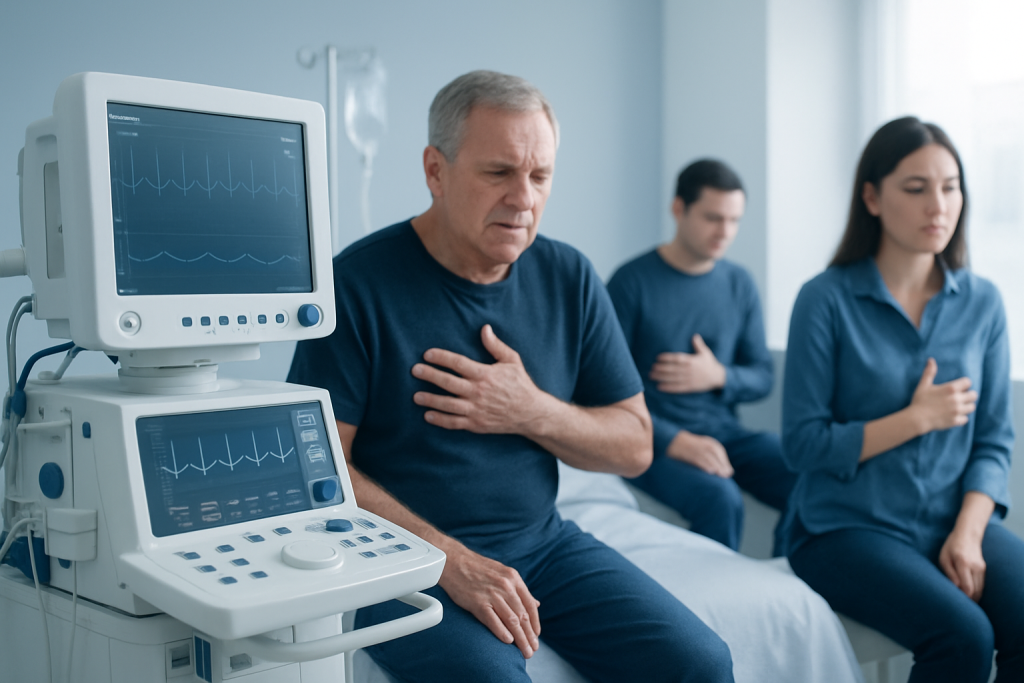
A heart attack does not always cause dramatic, sudden pain. Some people experience crushing chest pressure, but others notice milder discomfort that builds over minutes. Common descriptions include pressure, fullness, squeezing, heaviness, or a feeling that something is sitting on the chest. The discomfort may stay in the center or left side of the chest, or it may spread to the arm, shoulder, back, neck, or jaw.
Other symptoms often matter just as much as chest pain. A person may feel short of breath, sweaty, nauseated, lightheaded, unusually tired, or weak. In some people, especially women, older adults, and people with diabetes, symptoms may be less typical and can include fatigue, indigestion-like discomfort, or upper back pain. Because of this, a heart attack can sometimes be mistaken for heartburn or stress.
Heart attack symptoms are more concerning when they happen during physical activity or emotional stress and do not improve quickly with rest. They may also come in waves or feel persistent. If there is any doubt, prompt assessment is essential because delaying care can increase heart damage. Evaluation may include tests for heart attack and other forms of coronary artery disease when doctors suspect reduced blood flow to the heart.
How Heartburn Symptoms Often Feel

Heartburn is a common digestive symptom, not a heart problem. It usually happens when stomach acid moves upward into the esophagus, causing irritation. The classic sensation is a burning feeling behind the breastbone. Some people also notice a sour or bitter taste in the mouth, a feeling of acid coming up, burping, or discomfort after meals.
Heartburn often appears after eating a large meal, bending over, or lying flat. It may be more noticeable after spicy, fatty, or acidic foods. In contrast to a heart attack, the discomfort is often described as burning rather than pressure. It can improve when the person sits upright or uses measures that reduce acid reflux. Recurrent symptoms may be related to gastroesophageal reflux disease rather than a heart condition.
Still, the distinction is not always clear. Some people with a heart attack report indigestion-like discomfort, especially if pain is mild or accompanied by nausea. For that reason, chest burning should not automatically be dismissed as harmless, particularly if it is new, severe, or associated with sweating, breathlessness, or pain spreading beyond the chest.
How Anxiety-Related Chest Pain Often Feels
Anxiety can produce very real physical symptoms. During anxiety or panic, the body activates a stress response that may cause chest tightness, sharp chest pain, a racing heartbeat, dizziness, trembling, tingling, sweating, or the feeling of not getting enough air. Symptoms can begin suddenly and may peak within minutes, especially during a panic attack.
Many people with anxiety describe chest pain as sharp, stabbing, or localized to one spot, though it can also feel tight or heavy. It often occurs alongside intense worry, fear, a sense of impending danger, or the feeling of losing control. Rapid breathing can lead to lightheadedness, numbness around the mouth or fingers, and a sense of chest constriction.
Even when anxiety is a known issue, new chest pain should not be self-diagnosed. Anxiety and heart disease can exist together, and stress can also trigger heart symptoms in some people. A doctor may help distinguish panic-related chest symptoms from cardiac or digestive causes and suggest appropriate support, including evaluation for rhythm concerns or cardiology assessment when needed.
Key Differences: Timing, Triggers, and Associated Symptoms
Although there is overlap, comparing the full symptom pattern can be helpful. Heart attack discomfort often lasts more than a few minutes, may return after going away, and is less likely to be clearly linked to meals or body position. It may occur during exertion, stress, or even at rest. Heartburn is more commonly connected to eating, bending, or lying down. Anxiety symptoms may begin during emotional stress or panic and can come with intense fear or hyperventilation.
Associated symptoms are also important clues. A heart attack is more likely when chest discomfort appears with shortness of breath, sweating, nausea, faintness, or pain radiating to the arm, jaw, neck, or back. Heartburn often comes with a burning sensation, sour taste, or regurgitation. Anxiety may be accompanied by palpitations, shaking, tingling, restlessness, and a sense of panic.
No symptom checklist can replace medical assessment. Some heart attacks cause mild discomfort, and some digestive or anxiety symptoms can feel severe. This is why doctors focus on the whole picture rather than one symptom alone. If symptoms are unusual for the person, are worsening, or do not settle, urgent evaluation is the safest choice.
- More suggestive of heart attack: pressure, heaviness, spreading pain, breathlessness, sweating, nausea, faint feeling
- More suggestive of heartburn: burning after meals, sour taste, worse when lying down, relief when upright
- More suggestive of anxiety: fear, rapid breathing, trembling, tingling, sudden panic symptoms
How Doctors Make the Diagnosis
When a person seeks care for chest symptoms, doctors begin with questions about what the pain feels like, when it started, what triggers it, and whether it spreads anywhere. They will ask about age, smoking, high blood pressure, diabetes, cholesterol, family history, digestive symptoms, and previous anxiety or panic episodes. A physical examination helps identify clues such as abnormal heart rhythm, breathing difficulty, or tenderness in the chest wall.
Because a heart attack must be ruled out quickly, testing often starts with an electrocardiogram, also called an ECG, and blood tests that look for heart muscle injury. Doctors may also use pulse oximetry, chest X-ray, or additional imaging depending on the situation. Some patients need monitoring or further testing such as an echocardiogram, stress test, or coronary CT angiography to evaluate blood flow and coronary arteries.
If heartburn is suspected, doctors may ask about food triggers, acid reflux symptoms, and response to anti-reflux measures. If anxiety is likely, the evaluation still needs to exclude urgent physical causes first. Once dangerous conditions are ruled out, management can focus on reflux care, stress management, or referral to the right specialist. In some situations, check-up and screening may help identify cardiovascular risk factors before symptoms become emergencies.
Treatment and Self-Care Options
Treatment depends on the cause. A suspected heart attack is a medical emergency and needs immediate hospital care. Doctors may use medications and procedures to restore blood flow and protect heart muscle. Depending on the findings, treatment can include monitoring, catheter-based procedures, or broader cardiovascular surgery planning in selected patients with significant heart disease.
Heartburn treatment often begins with lifestyle changes such as avoiding large late meals, limiting trigger foods, reducing alcohol intake, maintaining a healthy weight, and not lying down soon after eating. Doctors may also recommend medications that reduce or neutralize stomach acid. If symptoms are frequent, persistent, or complicated by trouble swallowing, medical review is important to look for reflux disease or other digestive conditions.
Anxiety-related chest symptoms may improve with slow breathing, reassurance, counseling, stress reduction, and treatment for anxiety disorders when present. Good sleep, regular physical activity, and limiting stimulants such as excess caffeine may also help. Self-care can be useful, but it should never replace urgent evaluation when symptoms could represent a heart problem.
When to Seek Urgent Medical Help
Emergency help is needed for chest pain or pressure that is severe, new, unexplained, or lasts more than a few minutes. The same is true if symptoms come with shortness of breath, sweating, fainting, nausea, sudden weakness, or pain spreading to the arm, jaw, neck, shoulder, or back. People with known heart disease or multiple risk factors should be especially cautious.
Medical attention is also important if heartburn-like symptoms are happening often, waking a person from sleep, causing weight loss, or making swallowing difficult. Recurrent anxiety symptoms should be discussed with a healthcare professional as well, especially if they affect daily life or are hard to distinguish from possible physical illness. Prompt diagnosis can bring reassurance and proper treatment.
For international patients who need assessment, Acibadem International’s multidisciplinary specialists and JCI-accredited hospitals diagnose and treat cardiac, digestive, and anxiety-related conditions with coordinated care. The most important message remains simple: when chest symptoms raise concern for a heart attack, it is safest to seek emergency medical help right away rather than trying to judge the cause at home.
Frequently asked questions
How can a person tell the difference between heart attack, heartburn, and anxiety?
The cause is not always obvious without medical assessment. Heart attack symptoms often feel like pressure or heaviness and may come with shortness of breath, sweating, nausea, or pain spreading to the arm or jaw. Heartburn is more often a burning feeling after meals or when lying down, while anxiety commonly includes fear, rapid breathing, shaking, or palpitations.
Can heartburn feel like a heart attack?
Yes, heartburn can sometimes mimic heart-related chest discomfort, especially when it causes burning or pressure behind the breastbone. However, because some heart attacks feel like indigestion, chest symptoms should not be assumed to be reflux without proper evaluation. If there are warning signs such as breathlessness, sweating, or spreading pain, urgent care is needed.
Can anxiety cause real chest pain?
Yes, anxiety can cause genuine chest pain or tightness through muscle tension, rapid breathing, and the body’s stress response. The symptoms can feel intense and frightening, especially during a panic attack. Even so, new or unusual chest pain should be checked by a doctor to rule out heart or lung causes.
What are the most concerning signs of a heart attack?
Symptoms that raise concern include chest pressure or squeezing, shortness of breath, sweating, nausea, faintness, and pain spreading to the arm, shoulder, jaw, neck, or back. Some people also have unusual fatigue or indigestion-like discomfort. Any combination of these symptoms should be treated as urgent.
Should a person go to the emergency department for chest burning?
If chest burning is severe, new, unexplained, or occurs with symptoms such as shortness of breath, sweating, weakness, or radiating pain, emergency assessment is the safest option. If it clearly relates to meals and has happened before, it may be heartburn, but certainty is not always possible at home. A doctor can decide whether the cause is cardiac, digestive, or something else.
Who is at higher risk of a heart attack?
Risk is higher in people with smoking history, high blood pressure, high cholesterol, diabetes, obesity, older age, and a family history of early heart disease. Previous heart disease or vascular disease also increases risk. Even so, a heart attack can happen in people without obvious risk factors, which is why symptoms should be taken seriously.
References
- American Heart Association
- National Heart, Lung, and Blood Institute
- National Institute of Diabetes and Digestive and Kidney Diseases
- National Institute of Mental Health
- European Society of Cardiology
This article is for general information only and is not a substitute for professional medical advice. Please consult a qualified doctor about your individual situation.
Persistent digestive symptoms? Get evaluated in Turkey
JCI-accredited · board-certified surgeons · reply within 24h
Add us as a Preferred Source to see more of our trusted health content across Google Search, AI Overviews and Discover.