

Cubital Tunnel Syndrome: Elbow Nerve Compression and Hand Numbness

Cubital tunnel syndrome affects the ulnar nerve at the elbow and often causes numbness or tingling in the ring and little fingers. Symptoms may worsen when the elbow stays bent for long periods, such as during sleep, phone use, or desk work.
Key Takeaways
- Cubital tunnel syndrome affects the ulnar nerve at the elbow and often causes numbness or tingling in the ring and little fingers.
- Symptoms may worsen when the elbow stays bent for long periods, such as during sleep, phone use, or desk work.
- Early treatment may include activity changes, splinting, exercises, and anti-inflammatory measures.
- Persistent weakness, loss of hand coordination, or muscle wasting should be assessed by a doctor promptly.
- Surgery may be considered if symptoms are severe, progressive, or do not improve with conservative care.
Cubital tunnel syndrome happens when the ulnar nerve is irritated or compressed as it passes around the inner side of the elbow. It commonly causes numbness in the ring and little fingers, tingling, and hand weakness, and many people improve with early treatment and activity changes.
Overview
Cubital tunnel syndrome is a condition caused by pressure or stretching of the ulnar nerve at the elbow. The ulnar nerve travels from the neck down the arm and passes through a narrow space on the inner side of the elbow, often called the cubital tunnel. Because this nerve supplies feeling to the little finger and part of the ring finger, and also helps control several hand muscles, irritation in this area can lead to both sensory and strength-related symptoms.
Many people recognize the ulnar nerve as the “funny bone” nerve because a bump to the inner elbow can cause a sudden shock-like sensation down the forearm and into the hand. In cubital tunnel syndrome, the problem is more ongoing. Repeated bending of the elbow, leaning on the elbow, swelling, or anatomical changes around the joint may increase pressure on the nerve over time.
This condition can develop gradually and may be mild at first. People may notice occasional tingling or numbness, especially at night or when the elbow stays bent for a long time. If nerve compression continues, symptoms can become more frequent and may eventually affect grip strength, fine motor tasks, and hand coordination.
Symptoms
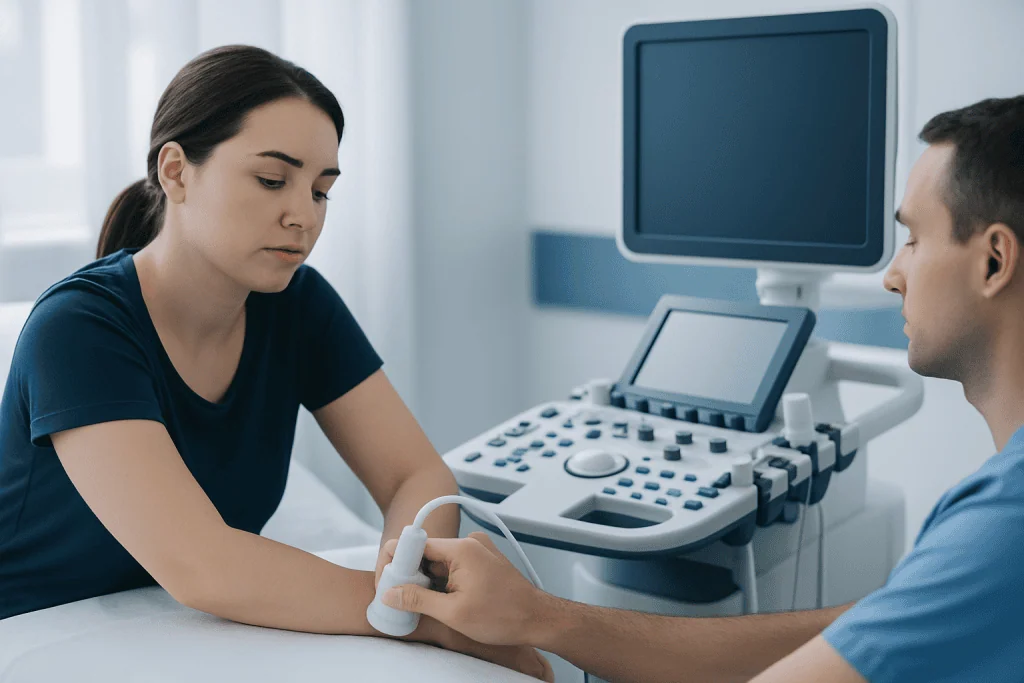
The most common symptoms of cubital tunnel syndrome are numbness and tingling in the little finger and the ring finger. These symptoms may come and go in the beginning, especially when the elbow is bent for a while. Some people notice discomfort while talking on the phone, reading, driving, sleeping with the elbow curled, or sitting at a desk with the elbow flexed.
There may also be aching pain on the inner side of the elbow or along the forearm. Not everyone has pain, and the condition can still be significant even when discomfort is minimal. The nerve-related sensation is often described as pins and needles, burning, or an electric feeling that travels into the hand.
As compression becomes more advanced, weakness can appear. A person may find it harder to grip objects, open jars, type for long periods, or perform fine finger movements. In some cases, the hand may feel clumsy, and objects may be dropped more easily. Severe or longstanding nerve compression can lead to muscle wasting in the hand, which is a sign that prompt medical evaluation is important.
- Numbness in the little finger and part of the ring finger
- Tingling that worsens with elbow bending
- Inner elbow discomfort or forearm aching
- Weak grip or reduced pinch strength
- Hand clumsiness or difficulty with fine motor tasks
Causes and Risk Factors

Cubital tunnel syndrome usually develops because the ulnar nerve is repeatedly compressed, stretched, or irritated at the elbow. The nerve can be affected by prolonged elbow flexion, direct pressure on the inner elbow, or changes in the tissues surrounding the cubital tunnel. In some people, the nerve may move out of place or become unstable when the elbow bends, which can add irritation over time.
Work and daily habits can contribute. People who frequently lean on their elbows, hold a phone for long periods, sleep with elbows tightly bent, or perform repetitive bending and straightening motions may be at higher risk. Certain sports, manual labor, and some desk-based work setups can also place strain on the nerve if ergonomics are poor.
Other factors include previous elbow injury, arthritis, bone spurs, swelling, cysts, and diabetes or other conditions that make nerves more vulnerable. In some cases, a person may have more than one site of nerve irritation, such as compression at the wrist or neck in addition to the elbow. A doctor may consider related conditions such as carpal tunnel syndrome if symptoms are mixed or involve different fingers than expected.
Diagnosis
Diagnosis begins with a medical history and physical examination. A doctor will ask when symptoms occur, whether they worsen at night or with elbow bending, and whether there is weakness or difficulty using the hand. The pattern of numbness is especially helpful because cubital tunnel syndrome typically affects the little finger and part of the ring finger rather than the thumb and index finger.
During the examination, the doctor may test sensation, grip, finger coordination, and the strength of specific hand muscles supplied by the ulnar nerve. The elbow may be gently pressed or held in a bent position to see whether symptoms are reproduced. The neck, shoulder, wrist, and hand may also be checked to rule out other causes of nerve symptoms.
Additional tests are sometimes recommended when the diagnosis is uncertain, when symptoms are severe, or before surgery is considered. Nerve conduction studies and electromyography can help show how well the ulnar nerve is working and where the compression is occurring. Imaging such as ultrasound, X-ray, or MRI may be useful if structural problems around the elbow are suspected, though they are not needed in every case.
Treatment Options
Treatment depends on how severe the symptoms are, how long they have been present, and whether there is weakness or muscle wasting. Many people with early or mild cubital tunnel syndrome improve with conservative care. This often includes avoiding prolonged elbow bending, reducing direct pressure on the elbow, modifying work or sports activities, and using a night splint or towel wrap to keep the elbow from staying deeply bent during sleep.
Doctors may also recommend physical or occupational therapy. Therapy can focus on posture, ergonomic changes, nerve-gliding exercises, and ways to reduce strain during daily tasks. If inflammation or irritation around the joint contributes to symptoms, treatment plans may overlap with care used for elbow conditions such as tennis elbow, although the nerve problem itself requires a tailored approach.
When symptoms are persistent, progressive, or associated with significant weakness, surgery may be discussed. The goal of surgery is to relieve pressure on the ulnar nerve and, in some cases, move the nerve to a position where it is less likely to be irritated with elbow motion. Depending on the individual case, specialists may consider procedures related to hand surgery or peripheral nerve surgery as part of a comprehensive plan. The most suitable approach depends on anatomy, nerve stability, and overall elbow health.
Recovery varies. Some people notice improvement in numbness fairly quickly, while strength and coordination may take longer to return. If the nerve has been compressed for a long time, full recovery can take months, and in some cases some symptoms may not completely resolve. Early assessment offers the best chance of preventing long-term nerve damage.
Prevention and Self-care
Although cubital tunnel syndrome cannot always be prevented, simple measures may lower the chance of irritation or help keep symptoms from worsening. The main goal is to reduce pressure and prolonged bending at the elbow. Small habit changes can make a meaningful difference, especially early in the course of the condition.
Helpful strategies include adjusting desk height, using armrests carefully, avoiding prolonged leaning on the elbow, and taking regular breaks from repetitive tasks. At night, some people benefit from a soft brace, padded sleeve, or towel wrap that reminds them not to sleep with the elbow tightly bent. Good posture and shoulder positioning may also reduce strain along the nerve pathway.
- Avoid resting the inner elbow on hard surfaces for long periods
- Take breaks during repetitive work or prolonged phone use
- Keep the elbow in a more neutral position when possible
- Use ergonomic supports if recommended by a clinician
- Follow prescribed exercises or therapy instructions consistently
If symptoms are new or mild, self-care can be useful, but it should not replace medical advice if weakness or persistent numbness develops. A tailored plan from a qualified professional is often the safest way to protect nerve function.
When to See a Doctor
A doctor should be consulted if numbness or tingling in the ring and little fingers keeps returning, lasts more than a short time, or interferes with sleep, work, or daily activities. Medical assessment is also important when symptoms do not improve with rest and simple adjustments. Early evaluation helps confirm the diagnosis and may prevent progression.
Prompt review is especially important if there is hand weakness, reduced grip, visible muscle loss in the hand, or increasing clumsiness. These can be signs that the nerve is under more significant pressure. A doctor can determine whether conservative treatment is appropriate or whether more advanced testing and treatment are needed.
For patients who need specialist care, Acibadem International’s multidisciplinary teams in JCI-accredited hospitals evaluate and treat cubital tunnel syndrome for international patients, including rehabilitation support and, when needed, advanced options such as orthopedic rehabilitation after treatment.
Frequently asked questions
What is cubital tunnel syndrome?
Cubital tunnel syndrome is compression or irritation of the ulnar nerve at the elbow. This nerve helps provide feeling to the little finger and part of the ring finger and controls some hand muscles, so symptoms often affect sensation and grip.
How is cubital tunnel syndrome different from carpal tunnel syndrome?
Cubital tunnel syndrome involves the ulnar nerve at the elbow, while carpal tunnel syndrome involves the median nerve at the wrist. Cubital tunnel symptoms usually affect the little finger and ring finger, whereas carpal tunnel often affects the thumb, index, middle, and part of the ring finger.
Can cubital tunnel syndrome go away without surgery?
Yes, many mild or early cases improve with activity changes, splinting, therapy, and reducing pressure on the elbow. Surgery is usually considered when symptoms are severe, progressive, or do not improve with conservative treatment.
What activities can make cubital tunnel syndrome worse?
Symptoms often worsen with prolonged elbow bending, leaning on the inner elbow, repetitive elbow motion, or sleeping with the elbow bent. Desk work, phone use, driving, and some sports or manual tasks can trigger symptoms in some people.
Is hand weakness a serious sign?
Hand weakness can mean the ulnar nerve is being affected more significantly. It does not always mean permanent damage, but it should be assessed promptly, especially if grip is weaker, objects are being dropped, or hand muscles seem smaller.
How is cubital tunnel syndrome diagnosed?
Doctors diagnose it through symptoms, physical examination, and sometimes nerve tests such as nerve conduction studies or electromyography. Imaging may be used if there is concern about arthritis, prior injury, or another structural cause around the elbow.
References
- American Academy of Orthopaedic Surgeons
- National Institute of Neurological Disorders and Stroke
- American Society for Surgery of the Hand
- Mayo Clinic
- National Health Service
This article is for general information only and is not a substitute for professional medical advice. Please consult a qualified doctor about your individual situation.
Explore treatments in Turkey — costs, top hospitals & a free quote
JCI-accredited · board-certified surgeons · reply within 24h
Add us as a Preferred Source to see more of our trusted health content across Google Search, AI Overviews and Discover.

Orthopedics & Spine
Care for bones, joints and the musculoskeletal system, including joint replacement, sports injuries and trauma.
125 specialists in this unitMore from the Health Library



Related Specialists

Dr. Teoman Şen
Pediatric Surgery
Prof. Dr. Metin Türkmen
Orthopedic Surgery & Traumatology
Prof. Dr. Dilaver Erşanlı
Ophthalmology
Dt. Gözde Anıl Gürbüz
Oral & Dental Health