Periodic Limb Movement Disorder: How It Is Diagnosed and Treated

Periodic limb movement disorder causes repeated, involuntary limb movements during sleep. Many people are unaware of the movements and seek care because of poor sleep or daytime tiredness.
Key Takeaways
- Periodic limb movement disorder causes repeated, involuntary limb movements during sleep.
- Many people are unaware of the movements and seek care because of poor sleep or daytime tiredness.
- Diagnosis usually requires an overnight sleep study to confirm the pattern and rule out other sleep disorders.
- Treatment focuses on underlying causes, sleep health, and sometimes medication when symptoms are disruptive.
- PLMD can overlap with restless legs syndrome, but the two conditions are not the same.
Periodic limb movement disorder is a sleep-related movement condition in which the legs, and sometimes the arms, make repeated movements during sleep. It is diagnosed mainly with a sleep study and treated by identifying contributing factors, improving sleep habits, and, when needed, using targeted medical care.
Overview
Periodic limb movement disorder, often called PLMD, is a condition in which a person has repetitive, involuntary limb movements during sleep. These movements usually involve the legs and may include extension of the big toe, bending of the ankle, knee, or hip, and brief jerking or twitching. The movements tend to occur in clusters, often every 20 to 40 seconds, and can continue for part of the night.
Many people with PLMD do not notice the movements themselves because they happen during sleep. Instead, the main concern is often unrefreshing sleep, frequent awakenings, or daytime sleepiness. A bed partner may be the first to notice repeated kicking or twitching during the night.
PLMD belongs to a group of sleep-related movement disorders. It is different from occasional muscle twitches that many healthy people experience as they fall asleep. A diagnosis of PLMD is generally made only when the movements are linked to sleep disturbance, daytime symptoms, or both, and when other explanations have been carefully considered.
Symptoms and How PLMD Affects Sleep
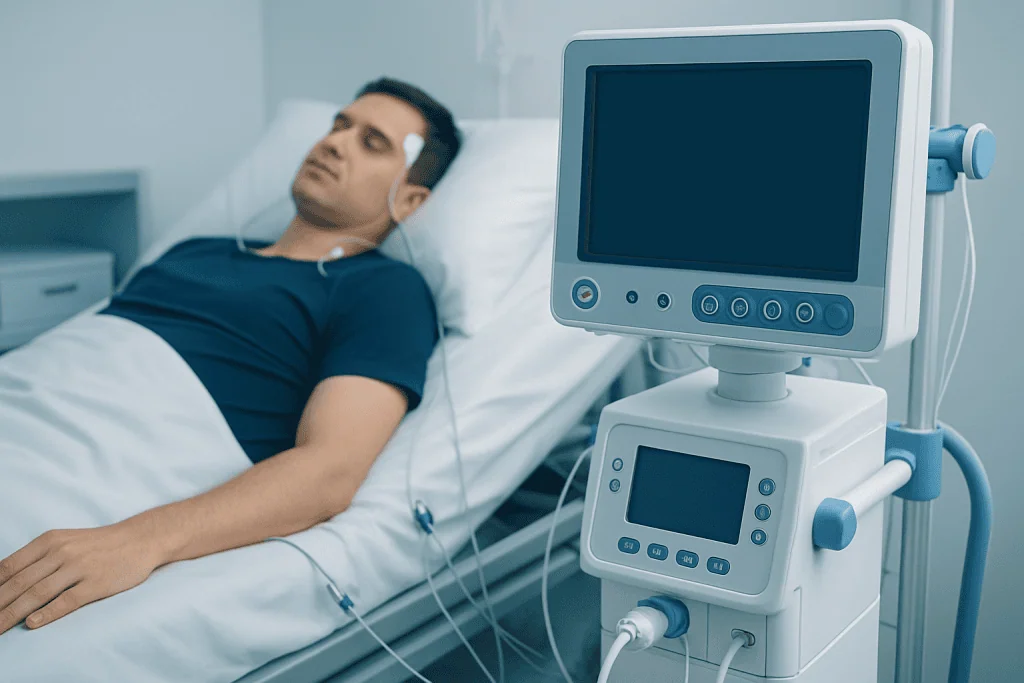
The symptoms of periodic limb movement disorder are often indirect. Because the movements occur during sleep, the person may not be aware of them. Common concerns include restless or fragmented sleep, waking up several times overnight, trouble feeling refreshed in the morning, and daytime fatigue or sleepiness.
Some people also report difficulty concentrating, irritability, low energy, or reduced alertness during the day. Bed partners may describe repeated leg jerks, kicking, or small rhythmic movements that disrupt shared sleep. In children, poor sleep can sometimes show up as mood changes, hyperactivity, or daytime behavior difficulties rather than obvious sleepiness.
PLMD can occur on its own, but it may also appear alongside other sleep conditions. It is important to distinguish it from restless legs syndrome, in which uncomfortable sensations in the legs create an urge to move while awake, especially in the evening. A person can have both conditions, but PLMD refers specifically to repetitive movements during sleep.
Causes and Risk Factors

The exact cause of periodic limb movement disorder is not always clear. Researchers believe it may involve the way the nervous system regulates movement during sleep. In some cases, PLMD is considered primary, meaning it occurs without an obvious underlying disorder. In other cases, it is secondary and associated with another medical issue, medication, or sleep condition.
PLMD is more likely to be seen in older adults, although it can occur at any age. It may be associated with iron deficiency, chronic kidney disease, diabetes, spinal cord disorders, and some neurological conditions. Sleep-related breathing disorders, especially sleep apnea, can also coexist and may contribute to poor sleep quality, so they need careful evaluation.
Certain medications may increase or worsen limb movements during sleep in some people. These can include some antidepressants or other medicines that affect the nervous system. Risk may also be higher in people with a family history of related sleep or movement disorders, or in those who have coexisting sleep problems such as insomnia. Identifying these contributing factors is an important part of treatment planning.
How Periodic Limb Movement Disorder Is Diagnosed
Diagnosis begins with a detailed medical and sleep history. A doctor will ask about sleep quality, daytime symptoms, bed partner observations, medications, caffeine or alcohol use, and any symptoms that suggest other disorders. Because PLMD shares features with several conditions, the evaluation is designed to rule out other causes of broken sleep, such as insomnia, obstructive sleep apnea, medication effects, or nocturnal seizures.
The main test used to confirm PLMD is an overnight sleep study, also called polysomnography. During this test, sensors monitor brain activity, eye movements, breathing, oxygen levels, heart rhythm, and muscle activity in the legs. This allows the sleep specialist to measure how often limb movements happen, whether they occur in a typical pattern, and whether they cause brief awakenings that disturb sleep.
Additional testing may be recommended based on the person’s history. Blood tests can help check for iron deficiency or other medical contributors. If symptoms suggest a broader neurological or sleep problem, the doctor may recommend further assessment through a neurology evaluation or specialist sleep care. Diagnosis is most accurate when the findings from the sleep study are interpreted together with symptoms rather than based on movement counts alone.
Treatment Options
Treatment for periodic limb movement disorder depends on how severe the symptoms are and whether an underlying cause is present. If limb movements are found during a sleep study but are not disturbing sleep or daytime functioning, treatment may not be necessary. When PLMD is causing clear problems, the first step is usually to identify and address contributing conditions.
For example, correcting iron deficiency may help some patients, especially if low iron stores are present. If a person also has sleep apnea, treating the breathing disorder can improve sleep quality and may reduce sleep disruption related to limb movements. In selected cases, this may involve sleep apnea treatment as part of a broader sleep plan. Medication review is also important, since changing or adjusting a medicine may improve symptoms.
When symptoms remain significant, doctors may consider medication to reduce sleep-related limb movements or improve sleep continuity. The choice depends on age, general health, other sleep conditions, and possible side effects. Treatment is individualized, and follow-up is important to see whether sleep quality and daytime function improve. In some cases, coordinated care through a sleep medicine program can help guide diagnosis, treatment adjustments, and long-term monitoring.
Prevention and Self-Care
There is no guaranteed way to prevent periodic limb movement disorder, especially when it is linked to age-related or neurological factors. Still, healthy sleep habits can reduce overall sleep disruption and support better rest. Keeping a regular sleep schedule, creating a quiet and comfortable sleep environment, and allowing enough time for sleep are helpful basic steps.
It may also help to limit factors that can worsen sleep quality or aggravate movement symptoms. These include excessive caffeine, alcohol close to bedtime, nicotine, and irregular sleep hours. Regular physical activity during the day supports general sleep health, although intense exercise very late in the evening may not suit everyone.
People should avoid starting supplements or changing medications on their own without medical advice. If iron deficiency is suspected, testing is important before treatment. Good self-care does not replace evaluation, but it can work alongside medical treatment to improve comfort, rest, and daytime energy.
- Keep a simple sleep diary if symptoms are frequent.
- Ask a bed partner to note nighttime movements if possible.
- Bring a list of medications and supplements to appointments.
- Seek care if sleepiness affects work, school, or driving safety.
When to See a Doctor
A person should consider medical advice if repeated sleep disruption, daytime fatigue, or unexplained morning tiredness continues for several weeks. It is also a good idea to seek evaluation if a bed partner notices frequent kicking or jerking during sleep, or if poor sleep is affecting concentration, mood, school performance, or daily activities.
Prompt assessment is especially important when symptoms occur with loud snoring, pauses in breathing during sleep, strong urges to move the legs while awake, or other neurological symptoms. These features may point to overlapping conditions that need treatment. A healthcare professional can help determine whether PLMD is the main issue or part of a broader sleep disorder picture.
For people who need specialist care, evaluation may involve sleep medicine, neurology, or both. Near the end of the care pathway, some international patients choose centers such as Acibadem International, where multidisciplinary specialists in JCI-accredited hospitals diagnose and treat sleep-related movement disorders using individualized assessment and follow-up.
Frequently asked questions
What is the difference between periodic limb movement disorder and restless legs syndrome?
Periodic limb movement disorder involves repetitive limb movements during sleep, while restless legs syndrome causes an urge to move the legs when awake, usually in the evening or at night. A person can have one condition or both. The distinction matters because the symptoms, evaluation, and treatment approach may differ.
Can periodic limb movement disorder be diagnosed without a sleep study?
A sleep study is usually needed to confirm PLMD because the movements happen during sleep and can look similar to other conditions. History alone may suggest the diagnosis, but polysomnography provides the objective information needed to count the movements and see whether they disrupt sleep. It also helps rule out other sleep disorders.
Is periodic limb movement disorder dangerous?
PLMD is not usually considered dangerous in itself, but it can significantly affect sleep quality and daytime functioning. Ongoing poor sleep may lead to fatigue, low concentration, and reduced quality of life. The main concern is making sure there is not another untreated condition contributing to the symptoms.
Does everyone with periodic limb movements during sleep have PLMD?
No. Some people have periodic limb movements on a sleep study without having symptoms or sleep disruption. PLMD is generally diagnosed when the movements are linked to disturbed sleep, daytime symptoms, or both, and when other causes have been excluded.
Can children have periodic limb movement disorder?
Yes, although it is often discussed more commonly in adults. In children, the signs may include restless sleep, morning tiredness, behavior changes, or trouble with attention rather than clearly described sleepiness. Pediatric evaluation is important because causes and treatment decisions may differ by age.
How is periodic limb movement disorder treated?
Treatment may include addressing underlying causes such as iron deficiency, reviewing medications, improving sleep habits, and managing any related sleep disorders. If symptoms are bothersome or clearly affect daytime life, a doctor may recommend medication. Care is individualized, and follow-up helps determine whether treatment is effective.
References
- American Academy of Sleep Medicine
- National Institute of Neurological Disorders and Stroke
- National Heart, Lung, and Blood Institute
- Mayo Clinic
- Merck Manual Consumer Version
This article is for general information only and is not a substitute for professional medical advice. Please consult a qualified doctor about your individual situation.
Joint and spine care in Turkey — expert assessment & treatment
JCI-accredited · board-certified surgeons · reply within 24h
Add us as a Preferred Source to see more of our trusted health content across Google Search, AI Overviews and Discover.

Neurology
Diagnosis and treatment of disorders of the brain, spinal cord, nerves and muscles.
51 specialists in this unit