Recovery After Neurointerventional Treatment: Hospital Stay, Activity Limits, and Follow-Up

Many neurointerventional procedures involve a short hospital stay, but some patients need longer monitoring depending on the condition and treatment. Mild fatigue, bruising, and soreness at the catheter entry site are common during early recovery.
Key Takeaways
- Many neurointerventional procedures involve a short hospital stay, but some patients need longer monitoring depending on the condition and treatment.
- Mild fatigue, bruising, and soreness at the catheter entry site are common during early recovery.
- Activity usually increases gradually, with temporary limits on lifting, strenuous exercise, and driving based on the doctor’s advice.
- Follow-up visits and imaging are important to confirm healing and check treatment results.
- Patients should seek urgent medical help for new weakness, severe headache, speech changes, heavy bleeding, or worsening confusion.
Recovery after neurointerventional treatment is often smoother than many people expect, but it still requires careful monitoring, gradual return to activity, and follow-up care. The exact timeline depends on the condition treated, the blood vessels involved, and whether the procedure was urgent or planned.
Overview of Recovery After Neurointerventional Treatment
Recovery after neurointerventional treatment varies from person to person, but most patients can expect a period of observation followed by a gradual return to daily life. Neurointerventional procedures are minimally invasive treatments performed through blood vessels, often using a small catheter inserted through the wrist or groin. They may be used to treat conditions such as aneurysms, arteriovenous malformations, stroke-related vessel blockages, or narrowed brain arteries.
Because these procedures do not usually require large surgical incisions, recovery may be shorter than with open surgery. Even so, the brain and blood vessels need time to heal, and the care team closely watches for early complications such as bleeding, changes in blood flow, or reactions to medications. Recovery may also be influenced by the patient’s age, overall health, and the reason the procedure was needed.
Some people have treatment as a planned procedure and go home within a day or two. Others are treated urgently, for example after a stroke or bleeding event, and may need intensive care and a longer hospital stay. In either case, following discharge instructions is an important part of healing and long-term safety.
What to Expect During the Hospital Stay
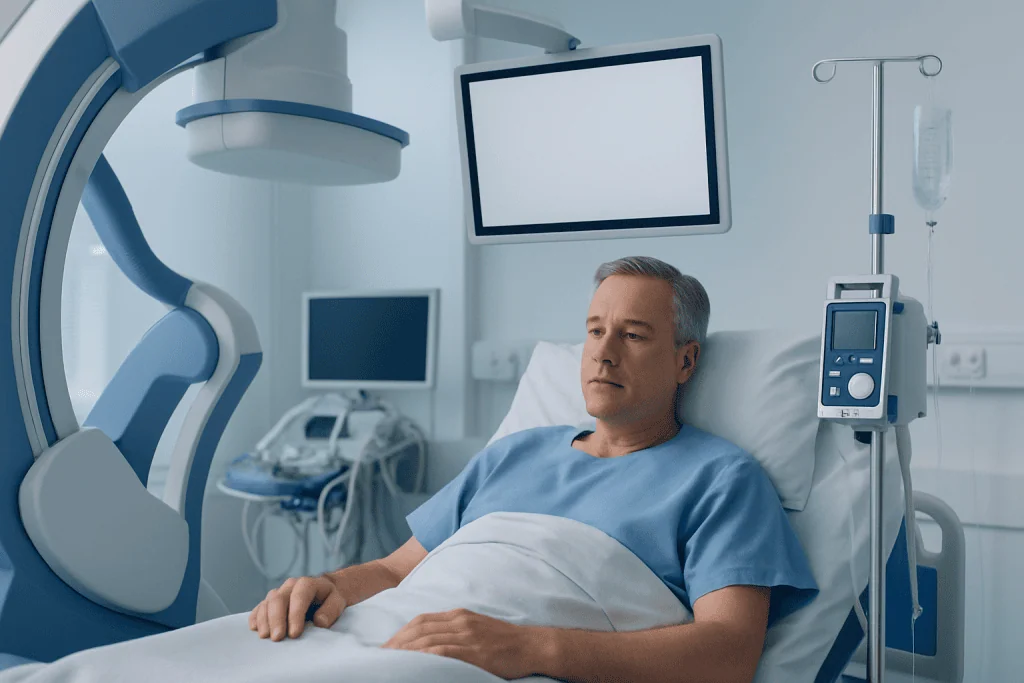
After the procedure, patients are usually moved to a recovery area, stroke unit, or intensive care setting for monitoring. Nurses and doctors check blood pressure, heart rate, oxygen levels, neurological status, and the catheter entry site. Frequent checks help identify any early warning signs, such as new weakness, difficulty speaking, worsening headache, or bleeding where the catheter was inserted.
The length of stay depends on the type of treatment performed. Some patients who have straightforward procedures, such as selected aneurysm embolization or diagnostic and therapeutic vessel treatment, may stay overnight for observation. Others may need several days in the hospital if the procedure was complex, if a stent was placed, or if treatment followed an emergency such as an acute stroke.
During the first hours, lying flat or limiting leg movement may be recommended if the catheter was placed through the groin. If the wrist was used, recovery can sometimes be more comfortable, but the access site still needs care. It is common to feel tired, sleepy, or mildly nauseated after anesthesia or sedation, and some patients have bruising or tenderness around the puncture site.
Before discharge, the care team usually explains medications, warning signs, wound care, hydration, and plans for follow-up. If the procedure addressed a condition such as an brain aneurysm or blood vessel narrowing, patients are often told when repeat scans or clinic visits will be needed to assess results over time.
Common Symptoms During Early Recovery

Mild symptoms are common in the first days after neurointerventional treatment. These may include fatigue, a small bruise, soreness, or mild swelling at the wrist or groin access site. Some patients also notice a mild headache, temporary constipation related to reduced activity or medications, or a general feeling of needing extra rest.
What is considered normal depends partly on the condition that was treated. A person recovering after an elective aneurysm procedure may feel different from someone treated for acute stroke or bleeding. If symptoms improve steadily, that is generally reassuring. Recovery often happens in steps rather than all at once.
Patients should still pay close attention to symptoms that are new, severe, or worsening. Heavy bleeding from the puncture site, increasing swelling, numbness in the limb used for catheter access, severe headache, vision changes, speech difficulty, weakness, confusion, chest pain, or shortness of breath require prompt medical attention. These symptoms do not always mean there is a serious problem, but they should never be ignored.
Emotional reactions can also be part of recovery. It is not unusual to feel anxious after a brain or blood vessel procedure, especially when follow-up imaging is planned. Clear communication with the medical team and support from family can help patients feel more confident during this period.
Activity Limits and Returning to Daily Life
Activity restrictions are meant to protect the healing blood vessel access site and reduce strain while the body recovers. Most patients are advised to avoid heavy lifting, intense exercise, and vigorous pushing or pulling for a short period. The exact limit and duration should come from the treating specialist, because recommendations differ based on whether the catheter entered through the groin or wrist and whether devices such as stents were used.
Walking is often encouraged soon after discharge, as gentle movement supports circulation and recovery. However, patients should increase activity gradually and stop if they feel dizzy, unusually tired, or develop pain. Returning to work depends on the type of job and the reason for treatment. A desk-based role may be resumed sooner than physically demanding work.
Driving may need to be delayed, especially if the patient had a stroke, seizure, vision changes, or lingering neurological symptoms. Local regulations and the doctor’s advice both matter. Bathing instructions also vary, but many patients are told to avoid soaking the puncture site in a bath, hot tub, or swimming pool until it has healed.
Patients taking blood thinners or antiplatelet medication after stent-assisted coiling or other endovascular procedures may receive extra precautions about injury and bleeding. Alcohol, smoking, and dehydration can interfere with safe recovery in some cases, so patients should ask what is appropriate for their situation.
- Take short walks unless told otherwise.
- Avoid strenuous exercise until cleared by the doctor.
- Do not lift heavy objects during the early healing period.
- Keep the access site clean and dry as instructed.
- Ask when driving, travel, and work are safe to resume.
Medications, Access-Site Care, and Self-Care at Home
Many patients go home with medications that are an important part of recovery. These may include blood pressure medicines, pain relief, antiplatelet therapy, or other drugs chosen to support blood vessel health and protect the treatment result. It is important to take medicines exactly as directed and not stop them without medical advice, especially if a stent or flow-diverting device has been placed.
The catheter entry site should be checked daily for redness, warmth, increasing swelling, drainage, or bleeding. A small bruise is often expected, but expanding bruising or active bleeding should be reported right away. If the site begins to bleed, patients are usually advised to apply firm pressure and seek urgent help according to the discharge plan given by the hospital.
Hydration, adequate sleep, balanced meals, and avoiding tobacco all support healing. Constipation can occur after hospitalization, especially if activity is reduced or pain medicines are used, so eating fiber-rich foods and drinking enough fluids may help unless a doctor has advised otherwise. If appetite is low or nausea continues, the care team should be informed.
Family members or caregivers may help by observing for changes in speech, coordination, memory, or mood that the patient may not notice. This can be especially helpful after treatment for stroke or other conditions that affect brain function. Written discharge instructions should be kept nearby so everyone understands what symptoms are expected and what signs need urgent attention.
Follow-Up Visits and Imaging
Follow-up is a central part of recovery after neurointerventional treatment. Even when a patient feels well, clinic visits and imaging tests help confirm that the treated blood vessel remains stable and that healing is progressing as expected. Depending on the procedure, follow-up may include neurological examination, blood pressure review, medication checks, and questions about daily activities and symptoms.
Imaging plans vary. Some patients need follow-up with MRI, MRA, CT, CTA, or catheter angiography to evaluate the treatment area. For example, after aneurysm embolization, repeat imaging may be used to check whether the aneurysm remains sealed and whether nearby vessels are open. Patients should ask when their next scan is expected and what the results will help show.
Longer-term monitoring may be especially important after treatment of complex vessel problems, use of implants, or conditions that can recur or progress over time. Patients treated for arteriovenous malformation or for vessel narrowing may need more than one follow-up appointment over months or years. This is not necessarily a sign of trouble; it is often a routine part of safe care.
If follow-up is difficult because of travel distance, patients should ask about written reports, electronic record access, and coordination with local doctors. Near the end of recovery planning, some international patients may also choose centers such as Acibadem International, where multidisciplinary specialists and JCI-accredited hospitals provide diagnosis, treatment, and follow-up planning for neurovascular conditions.
When to Seek Medical Help
Patients should seek urgent medical attention if they develop symptoms that could suggest a neurological or vascular complication. These include sudden weakness, facial drooping, trouble speaking, severe or unusual headache, loss of vision, fainting, seizure, new confusion, or major difficulty walking. These symptoms need immediate evaluation, even if they seem to improve quickly.
Urgent help is also needed for heavy bleeding from the catheter site, rapidly increasing swelling, coldness or discoloration of the limb, chest pain, or shortness of breath. Fever, worsening redness, or pus-like drainage from the access site should be reported because they may indicate infection, although this is less common.
Less urgent but still important concerns include persistent nausea, poor appetite, medication side effects, ongoing constipation, sleep problems, or uncertainty about activity limits. Patients should not hesitate to contact the treating team if instructions are unclear. Early questions can prevent later problems.
Recovery after procedures such as carotid artery stenting or other brain and neck vessel treatments is safest when patients know what is normal for them and what is not. A clear plan for who to call, where to go, and when to seek emergency care can provide reassurance during the days and weeks after discharge.
Frequently asked questions
How long is the hospital stay after neurointerventional treatment?
The hospital stay can range from same-day or overnight observation to several days, depending on the procedure and the condition being treated. Emergency cases, complex procedures, or treatments performed after stroke or bleeding often require longer monitoring.
Is it normal to feel tired after a neurointerventional procedure?
Yes. Fatigue is common for several days after treatment, especially after anesthesia, sedation, hospitalization, or a recent neurological event. Patients should rest, stay hydrated, and let their doctor know if tiredness is severe or getting worse.
When can normal activity be resumed?
Light activity such as walking is often encouraged early, but strenuous exercise and heavy lifting are usually restricted for a period of time. The exact timeline depends on the access site, the treatment performed, and whether there are ongoing neurological symptoms.
Why are follow-up scans needed if the procedure went well?
Follow-up imaging helps confirm that the treated blood vessel remains stable and that the result is lasting. It can also detect changes that may not cause symptoms right away, allowing doctors to guide long-term care more safely.
What warning signs should never be ignored after going home?
Sudden weakness, speech trouble, severe headache, vision changes, confusion, seizure, heavy bleeding, or marked swelling at the access site should be treated as urgent. These symptoms need prompt medical attention because they may signal a neurological or vascular problem.
Can patients travel after neurointerventional treatment?
Many patients can travel after a period of recovery, but timing should be discussed with the treating doctor. Travel plans may need to be delayed if there are unresolved symptoms, medication adjustments, or upcoming follow-up imaging.
This article is for general information only and is not a substitute for professional medical advice. Please consult a qualified doctor about your individual situation.
Explore treatments in Turkey — costs, top hospitals & a free quote
JCI-accredited · board-certified surgeons · reply within 24h
Add us as a Preferred Source to see more of our trusted health content across Google Search, AI Overviews and Discover.
Check your numbers in seconds
BMI, calories, due date, blood pressure and 30+ more clinical calculators — free, instant, doctor-reviewed ranges.

Neurosurgery
Surgical treatment of the brain, spine and nervous system, including minimally invasive and functional procedures.
70 specialists in this unitMore from the Health Library

Who Is a Candidate for Neurointervention?

Neurointerventional Radiology: Conditions It Treats and When It Is Used

Pulsatile Tinnitus: When a Whooshing Sound Needs Brain Vessel Imaging

Brain Vessel Coiling: What to Expect From Endovascular Aneurysm Treatment

CSF Leak: Headache, Ear Symptoms, and When Neuroimaging Is Needed