Preparing for a Neurological Sleep Evaluation

A neurological sleep evaluation reviews sleep patterns, daytime symptoms, medications, and neurological concerns. Preparation often includes keeping a sleep diary, bringing a medication list, and following instructions before testing.
Key Takeaways
- A neurological sleep evaluation reviews sleep patterns, daytime symptoms, medications, and neurological concerns.
- Preparation often includes keeping a sleep diary, bringing a medication list, and following instructions before testing.
- Common tests may include a clinical exam, sleep questionnaires, overnight sleep study, and sometimes brain or nerve-related assessments.
- Many sleep-related neurological symptoms are treatable once the cause is identified.
- Clear communication about symptoms, safety concerns, and daily functioning helps guide care.
A neurological sleep evaluation helps doctors understand sleep symptoms that may be related to the brain, nerves, breathing, or body movements during sleep. Preparing in advance can make the visit smoother and help the care team reach a more accurate diagnosis.
Overview: What a Neurological Sleep Evaluation Involves
A neurological sleep evaluation is a medical assessment for sleep symptoms that may be linked to the brain, nervous system, or related body functions. It is often recommended when a person has unusual movements during sleep, excessive daytime sleepiness, chronic insomnia, suspected seizures during sleep, restless legs, vivid dream enactment, or sleep problems associated with headaches, stroke, Parkinsonian symptoms, or other neurological conditions.
During the evaluation, the specialist looks at the full picture rather than only nighttime sleep. This includes sleep timing, breathing patterns, body movements, memory and concentration, mood, medications, and how symptoms affect school, work, driving, and daily safety. In many cases, the process starts with a detailed interview and may later include tests such as an overnight sleep study.
The goal is not simply to label a sleep problem, but to understand why it is happening. Some conditions arise from disrupted sleep-wake regulation in the brain, while others are related to breathing, muscle activity, nerve signaling, or medical conditions that affect sleep quality. Good preparation helps the healthcare team gather clearer information and choose the most appropriate next steps.
When This Type of Evaluation May Be Recommended
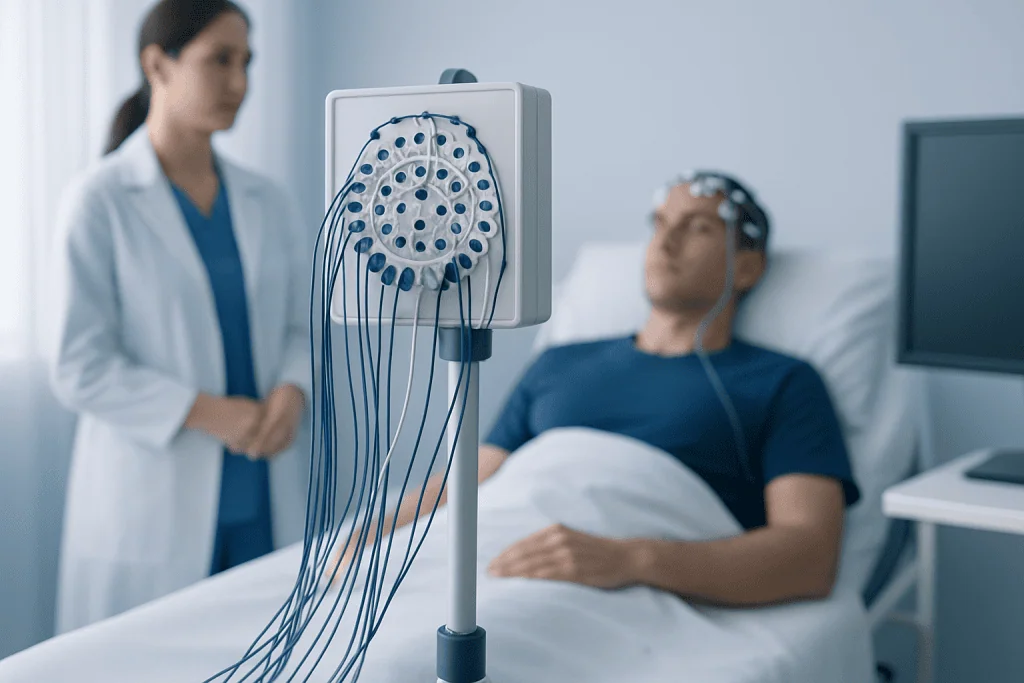
A person may be referred for a neurological sleep evaluation if sleep symptoms are complex, persistent, or accompanied by neurological signs. Examples include sleep attacks, acting out dreams, frequent limb movements, unexplained nighttime behaviors, fainting or seizure-like episodes during sleep, or severe daytime fatigue that does not improve with rest.
It may also be useful when common sleep problems overlap with neurological conditions. For example, snoring and pauses in breathing may coexist with morning headaches or concentration problems, while insomnia may occur alongside anxiety, chronic pain, or neurodegenerative disorders. In some people, a sleep assessment helps distinguish between conditions that can seem similar at first.
Doctors may consider this type of assessment for symptoms such as:
- Loud snoring, gasping, or witnessed pauses in breathing
- Excessive daytime sleepiness or sudden sleep episodes
- Unusual movements, kicking, jerking, or walking during sleep
- Acting out dreams or vivid nighttime behaviors
- Difficulty falling asleep or staying asleep
- Morning headaches, poor concentration, or memory problems
- Restless or uncomfortable sensations in the legs at night
How to Prepare Before the Appointment

Preparation usually begins several days to two weeks before the visit. Many specialists ask patients to keep a sleep diary, recording bedtime, wake time, nighttime awakenings, naps, caffeine use, and symptoms such as snoring, leg discomfort, or dream enactment. This simple record can reveal patterns that may not be obvious from memory alone.
It is helpful to bring a complete list of prescription medicines, over-the-counter products, supplements, and any sleep aids. Some medications can affect sleep architecture, alertness, breathing, or muscle activity during sleep. Patients should not stop medicines on their own unless the doctor specifically instructs them to do so.
If possible, a bed partner, family member, or caregiver should share observations about nighttime symptoms. They may notice pauses in breathing, repetitive movements, confusion on waking, or behaviors the patient does not remember. Videos of unusual sleep events, when safely recorded and appropriate, can sometimes be useful.
Before the appointment, patients can also prepare practical details, including prior test results, neurological diagnoses, and questions they want answered. Useful questions may include what conditions are being considered, whether a sleep study is needed, how long testing takes, and whether driving or work safety is a concern while symptoms are being evaluated.
What to Expect During the Evaluation and Testing
The first part of a neurological sleep evaluation is usually a consultation. The clinician asks about sleep habits, work schedules, symptom timing, medical history, mental health, and family history of sleep or neurological disorders. A physical and neurological examination may also be performed, depending on the symptoms.
Questionnaires are often used to measure daytime sleepiness, insomnia severity, dream-related behaviors, or risks for breathing-related sleep disorders. These tools do not replace diagnosis, but they help organize symptoms in a structured way. Depending on the situation, the doctor may also request blood tests or other assessments to look for contributing medical issues.
Some patients need overnight monitoring, often called polysomnography, which tracks brain waves, breathing, heart rhythm, oxygen levels, eye movements, and muscle activity during sleep. This can help identify conditions such as sleep apnea, periodic limb movements, REM sleep behavior disorder, or other disturbances. In selected cases, additional daytime testing may be used to measure how quickly a person falls asleep and whether abnormal sleep onset patterns are present.
When symptoms suggest overlap with broader neurological concerns, the sleep specialist may coordinate with other experts. Depending on the findings, care might include further neurology evaluation, specialized sleep study testing, or other assessments tailored to the individual problem.
Special Instructions Before a Sleep Study
If an overnight sleep study is scheduled, the care team usually provides instructions ahead of time. These may include avoiding caffeine later in the day, limiting alcohol, and not taking unapproved sedatives or stimulants before the test. Patients should follow the exact instructions from their doctor or sleep laboratory, because preparation may vary depending on the suspected condition.
On the day of the test, it is usually best to keep routines as normal as possible unless advised otherwise. Patients may be asked to wash their hair and avoid heavy hair products, lotions, or oils that can interfere with sensors. Comfortable sleepwear, usual evening toiletries, and a list of medications are often recommended.
Many people worry that they will not sleep normally in a lab setting. This concern is common and understandable. Even when sleep is somewhat different than at home, the study can still provide useful information because the monitoring records many body signals throughout the night.
For children, older adults, or people with mobility or cognitive concerns, it may help to ask in advance about caregiver support, accessibility, or what personal items can be brought to make the environment more comfortable. Clear planning often reduces stress and makes the process easier.
After the Evaluation: Results and Treatment Planning
After the visit or sleep study, the specialist reviews the findings alongside the person’s symptoms and medical history. Sometimes the diagnosis is straightforward, but in other cases more than one issue may be contributing to poor sleep. For example, a patient may have insomnia together with breathing-related sleep disruption, leg movements, or a neurological condition affecting sleep quality.
Treatment depends on the cause. Options may include sleep schedule changes, management of contributing medications, treatment of breathing disorders, care for movement-related sleep conditions, or treatment for associated neurological disease. Some people benefit from behavioral strategies for insomnia, while others may need device-based therapy, medication adjustments, or coordinated follow-up with multiple specialists.
If the evaluation points to a broader neurological problem, the sleep team may recommend targeted treatment or referral. In appropriate cases, this could involve neurosurgical care or coordinated assessment in related specialties. The aim is to improve not only sleep, but also daytime alertness, safety, and overall quality of life.
Near the end of the care pathway, some international patients may seek evaluation in centers with multidisciplinary expertise. Acibadem International’s specialists and JCI-accredited hospitals diagnose and treat neurological and sleep-related conditions for patients traveling from abroad.
Self-Care Tips and When to Seek Medical Advice
While waiting for an evaluation, simple self-care steps may help support healthier sleep. These include keeping a regular sleep schedule, limiting late caffeine, reducing alcohol close to bedtime, and creating a quiet, dark sleep environment. It is also wise to avoid self-medicating with unprescribed sleep products, especially if symptoms include unusual nighttime behaviors, breathing pauses, or extreme daytime sleepiness.
Safety matters. A person who acts out dreams, sleepwalks, or has sudden sleep episodes may need temporary precautions such as removing sharp objects from the bedroom, lowering fall risks, or avoiding driving until a doctor has assessed the problem. If a bed partner reports repeated breathing pauses or concerning movements, that information should be shared promptly with the clinician.
Medical advice should be sought if sleep symptoms are frequent, worsening, or affecting daytime functioning. Prompt evaluation is especially important for symptoms such as severe sleepiness while driving, possible seizures during sleep, violent dream enactment, repeated choking or gasping at night, or sudden changes in sleep pattern associated with new neurological symptoms. Early assessment can help identify treatable causes and reduce risks.
Frequently asked questions
What is the difference between a regular sleep evaluation and a neurological sleep evaluation?
A regular sleep evaluation focuses broadly on sleep habits and common sleep disorders, while a neurological sleep evaluation looks more closely at how the brain and nervous system may be involved. It is especially helpful for symptoms such as unusual nighttime behaviors, dream enactment, seizure-like events, restless movements, or excessive daytime sleepiness with possible neurological causes.
How long should a person keep a sleep diary before the appointment?
Many specialists prefer a sleep diary for about one to two weeks, although instructions can vary. A longer record often gives a clearer picture of sleep timing, awakenings, naps, and symptom patterns.
Should medications be stopped before a neurological sleep evaluation?
Medications should not be stopped unless a doctor specifically advises it. Some medicines affect sleep and testing results, so the safest approach is to bring a full list and follow the clinic’s instructions.
What happens during an overnight sleep study?
During an overnight sleep study, sensors are placed on the scalp and body to monitor brain waves, breathing, heart rhythm, oxygen levels, eye movements, and muscle activity. The test is noninvasive and is designed to collect information while the person sleeps as naturally as possible.
Can someone come along to the appointment or sleep study?
For the clinic visit, a family member or bed partner can often be very helpful because they may have noticed important nighttime symptoms. For a sleep study, policies vary by facility, so it is best to ask ahead of time, especially for children, older adults, or patients who need assistance.
Is it normal to feel nervous before sleep testing?
Yes. Many people feel uneasy about sleeping in a monitored setting or worry that they will not sleep well enough for the test. Even if sleep is somewhat different than usual, the recorded information is often still very useful for diagnosis.
References
- American Academy of Sleep Medicine
- National Institute of Neurological Disorders and Stroke
- National Heart, Lung, and Blood Institute
- American Academy of Neurology
- National Institute for Health and Care Excellence
This article is for general information only and is not a substitute for professional medical advice. Please consult a qualified doctor about your individual situation.
Explore treatments in Turkey — costs, top hospitals & a free quote
JCI-accredited · board-certified surgeons · reply within 24h
Add us as a Preferred Source to see more of our trusted health content across Google Search, AI Overviews and Discover.