

Narcolepsy vs Other Causes of Excessive Daytime Sleepiness

Excessive daytime sleepiness is a symptom, not a diagnosis, and it can result from several sleep, medical, and mental health conditions. Narcolepsy often causes overwhelming sleepiness and may also include cataplexy, vivid dream-like experiences, sleep paralysis, and disrupted nighttime sleep.
Key Takeaways
- Excessive daytime sleepiness is a symptom, not a diagnosis, and it can result from several sleep, medical, and mental health conditions.
- Narcolepsy often causes overwhelming sleepiness and may also include cataplexy, vivid dream-like experiences, sleep paralysis, and disrupted nighttime sleep.
- Conditions such as sleep apnea, insufficient sleep, circadian rhythm disorders, depression, and medication side effects can also cause daytime sleepiness.
- A sleep specialist may use a detailed history, sleep diary, overnight sleep study, and daytime sleep latency testing to identify the cause.
- Treatment depends on the underlying reason and may include lifestyle changes, management of another disorder, or medicines that promote wakefulness.
Excessive daytime sleepiness can have many causes, from poor sleep habits and sleep apnea to medication effects and narcolepsy. Understanding the differences helps patients know when to seek evaluation and what tests and treatments may be recommended.
Overview: Why Daytime Sleepiness Has More Than One Cause
Feeling sleepy during the day is common from time to time, especially after a short night of sleep, jet lag, or a busy period of life. However, persistent excessive daytime sleepiness is different. It means a person feels an ongoing, hard-to-resist need to sleep during normal waking hours, even when they are trying to stay alert.
Narcolepsy is one important cause of excessive daytime sleepiness, but it is not the only one. Other possibilities include not getting enough sleep, obstructive sleep apnea, circadian rhythm disorders, certain neurological or medical illnesses, depression, and the effects of some medicines or substances. Because the symptom can overlap across conditions, an accurate diagnosis matters.
In general, narcolepsy is a neurological sleep-wake disorder that affects the brain’s regulation of sleep and wakefulness. It can cause sudden sleep episodes and, in some people, cataplexy, which is a brief loss of muscle strength triggered by strong emotions. By contrast, people with other causes of daytime sleepiness may feel tired or unrefreshed for very different reasons, such as repeated breathing pauses during sleep or chronic sleep deprivation.
A careful comparison of symptoms, sleep patterns, medical history, and test results helps doctors distinguish narcolepsy from other disorders. This article explains the differences in clear, patient-friendly terms so readers can better understand what to look for and when to seek help.
What Narcolepsy Usually Feels Like
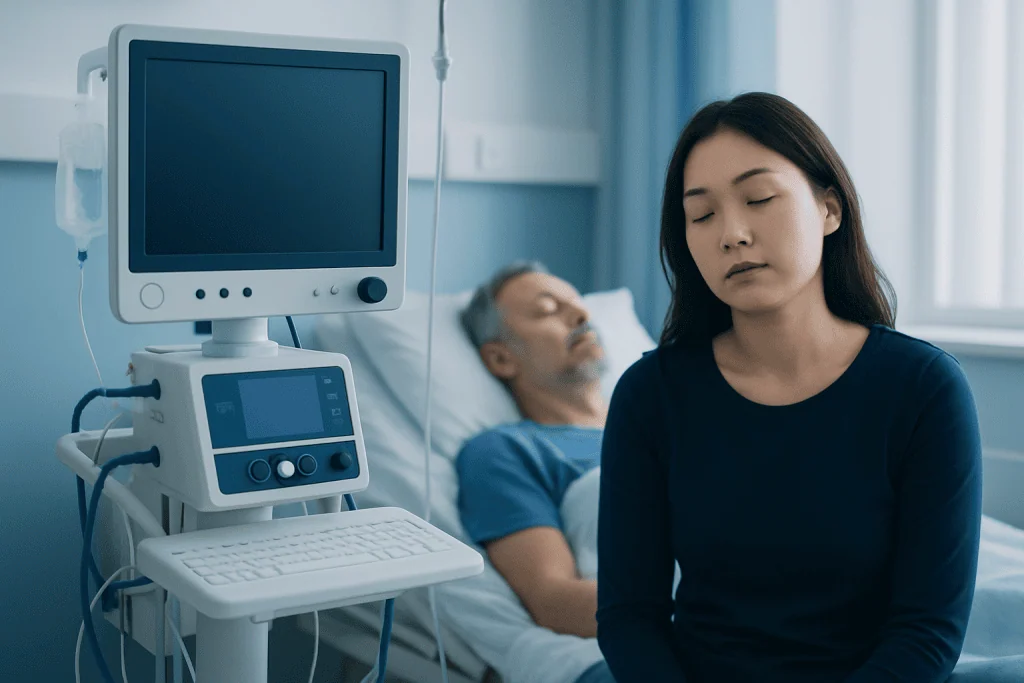
The main symptom of narcolepsy is excessive daytime sleepiness that continues despite adequate time in bed. People often describe an overpowering urge to sleep, trouble staying awake during quiet activities, or unplanned naps that may come on quickly. These naps can be short and sometimes feel refreshing, but the sleepiness often returns.
Narcolepsy may also include symptoms that are more specific than ordinary tiredness. One is cataplexy, which involves sudden muscle weakness triggered by emotions such as laughter, surprise, or excitement. Cataplexy can be mild, such as brief facial drooping or jaw weakness, or more noticeable, such as buckling knees while the person remains conscious.
Other features can include sleep paralysis and hallucinations that occur as a person falls asleep or wakes up. These experiences can feel vivid and dream-like. Nighttime sleep may also be fragmented, meaning a person with narcolepsy can feel sleepy during the day even though they were in bed at night.
Narcolepsy is generally divided into two main types:
- Type 1 narcolepsy: narcolepsy with cataplexy or with low hypocretin levels.
- Type 2 narcolepsy: narcolepsy without cataplexy and without low hypocretin levels being demonstrated.
Because these symptoms may not all appear at once, diagnosis is sometimes delayed. People may first think they are simply exhausted, overworked, or struggling with another sleep problem.
Other Common Causes of Excessive Daytime Sleepiness
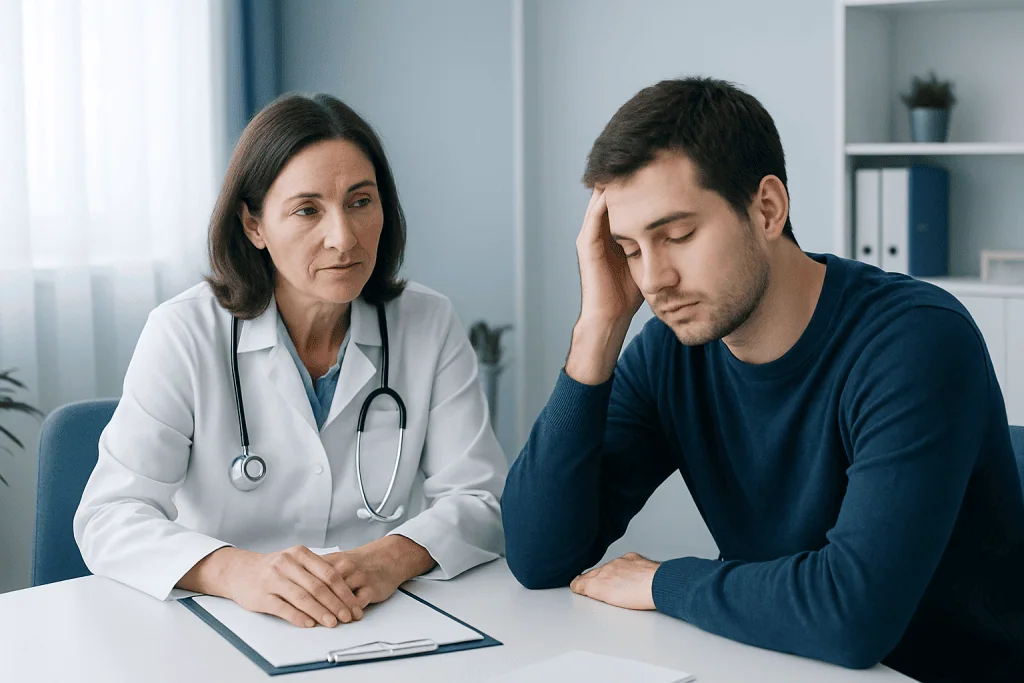
Many people with daytime sleepiness do not have narcolepsy. One of the most common reasons is simply insufficient sleep. Work schedules, caregiving demands, stress, late-night screen use, and irregular routines can all reduce sleep time. In these cases, sleepiness often improves when a person consistently gets enough sleep.
Another major cause is obstructive sleep apnea, in which breathing repeatedly becomes partially or completely blocked during sleep. This can lead to loud snoring, choking or gasping, restless sleep, morning headaches, and poor concentration during the day. Even if a person spends many hours in bed, repeated sleep disruption can leave them unrefreshed. In some cases, testing may also look for sleep apnea.
Other possible causes include circadian rhythm sleep-wake disorders, such as delayed sleep phase, shift work disorder, or jet lag. These problems occur when a person’s internal body clock is out of sync with their schedule. Depression and other mental health conditions can also affect sleep quality, energy, motivation, and daytime alertness. In some people, symptoms feel more like low energy or fatigue than sudden sleep attacks.
Medication and substance effects are also important. Sedating antihistamines, some pain medicines, certain psychiatric medicines, alcohol, and other substances may worsen sleepiness. Medical conditions such as hypothyroidism, anemia, chronic pain, neurological disorders, and some infections may contribute as well. This is why a broad medical review is often needed before concluding that narcolepsy is the cause.
Narcolepsy vs Sleep Deprivation, Sleep Apnea, and Fatigue
It can help to compare patterns rather than focus on one symptom alone. In sleep deprivation, the history usually shows too little sleep on most nights. A person may doze off during boring situations, but symptoms often improve when sleep time is extended. In narcolepsy, daytime sleepiness tends to persist even when adequate time for sleep is available.
With obstructive sleep apnea, the person or bed partner may notice snoring, pauses in breathing, gasping, dry mouth on waking, or restless sleep. Sleep apnea can cause severe daytime sleepiness, but cataplexy is not a feature. Evaluation may involve an overnight sleep study to look at breathing, oxygen levels, and sleep structure.
Another point of confusion is the difference between sleepiness and fatigue. Sleepiness means a tendency to fall asleep. Fatigue is more often described as low energy, exhaustion, or reduced stamina without necessarily falling asleep. Conditions such as depression, chronic illness, or overexertion may cause fatigue more than true sleepiness, although the two can overlap.
Narcolepsy may also resemble other central disorders of hypersomnolence, including idiopathic hypersomnia. People with idiopathic hypersomnia can have severe daytime sleepiness too, but they typically do not have cataplexy. Their naps may be long and less refreshing. A specialist may consider idiopathic hypersomnia when symptoms do not fully fit narcolepsy or sleep apnea.
How Doctors Diagnose the Cause
Diagnosis begins with a detailed conversation about symptoms, daily routine, and overall health. The doctor will usually ask when the sleepiness started, whether naps are refreshing, how much sleep the person gets, whether there is snoring or witnessed breathing pauses, and whether symptoms such as cataplexy, sleep paralysis, or vivid hallucinations are present. A review of medicines, alcohol, caffeine, and mental health symptoms is also important.
Many patients are asked to keep a sleep diary or use actigraphy, a wearable device that tracks rest and activity over time. These tools help show whether inadequate sleep or a circadian rhythm issue may be contributing. Basic blood tests may sometimes be ordered to look for medical causes such as thyroid problems or anemia.
When narcolepsy or another sleep disorder is suspected, an overnight sleep study is often followed by a multiple sleep latency test the next day. This daytime test measures how quickly a person falls asleep during several scheduled nap opportunities and whether rapid eye movement sleep occurs unusually early. Together, these tests can help distinguish narcolepsy from sleep deprivation, sleep apnea, and other disorders of hypersomnolence.
In selected cases, further evaluation may include hypocretin testing or assessment by neurology, pulmonology, or mental health specialists, depending on the symptom pattern. If a breathing-related sleep disorder is found, the care team may discuss options such as sleep apnea treatment.
Treatment Options for Narcolepsy and Other Causes
Treatment depends on the diagnosis. For narcolepsy, care often combines lifestyle strategies with medication. Planned short naps, a regular sleep schedule, and good sleep habits can help some people manage symptoms. Medicines may be used to promote wakefulness during the day, and other therapies may be considered for cataplexy or disrupted nighttime sleep.
When daytime sleepiness is caused by another condition, treatment is aimed at that underlying problem. For sleep apnea, this may include positive airway pressure therapy, oral appliances, weight management, or other tailored approaches. If the cause is insufficient sleep, the main treatment is improving sleep duration and consistency. For medication-related sleepiness, a doctor may review whether a safer timing or alternative medicine is possible.
Mental health support can be an important part of treatment when depression, anxiety, or stress are affecting sleep and energy. Circadian rhythm disorders may improve with schedule changes, timed light exposure, or other specialist-guided approaches. Some people need care from more than one specialist because several factors may be contributing at the same time.
Patients should avoid starting or stopping prescription medicines on their own. A proper diagnosis helps prevent unnecessary treatments and makes it more likely that the chosen plan will improve daytime function, safety, and quality of life. In specialized centers, options such as narcolepsy treatment can be tailored to the individual’s symptoms and daily needs.
Self-care, Safety, and When to Seek Medical Advice
Even before a diagnosis is confirmed, healthy sleep habits can support better alertness. These include keeping a regular sleep and wake time, allowing enough time in bed, limiting alcohol close to bedtime, reducing late caffeine if it disrupts sleep, and making the bedroom comfortable and quiet. Taking note of naps, sleep duration, and symptom triggers can also be helpful for the medical visit.
Safety is especially important when daytime sleepiness is severe. Anyone who has trouble staying awake while driving, at work, or during daily activities should avoid situations where sudden sleepiness could cause harm. Family members can play a useful role by noticing symptoms such as snoring, unusual sleep behaviors, or emotion-triggered weakness that the person may not recognize as significant.
Medical evaluation is advisable if daytime sleepiness lasts for weeks, interferes with school, work, or relationships, or occurs despite enough sleep. Prompt assessment is particularly important if there are signs of cataplexy, breathing pauses during sleep, sudden sleep episodes, or confusion about whether symptoms represent fatigue, depression, or a sleep disorder. In complex cases, a multidisciplinary sleep team can help clarify the diagnosis.
Acibadem International’s multidisciplinary specialists and JCI-accredited hospitals evaluate sleep-related conditions for international patients, including causes of excessive daytime sleepiness. The most appropriate next step is always a qualified doctor’s assessment based on the individual’s symptoms, medical history, and sleep testing results.
Frequently asked questions
How is narcolepsy different from just being very tired?
Narcolepsy usually causes true sleepiness, meaning a strong tendency to fall asleep during the day, even after what seems like enough sleep. Ordinary tiredness or fatigue is more often low energy, reduced stamina, or mental exhaustion without the same urge to sleep. Narcolepsy may also include cataplexy, sleep paralysis, or vivid dream-like experiences.
Can sleep apnea feel like narcolepsy?
Yes, sleep apnea can also cause significant daytime sleepiness and poor concentration. The difference is that sleep apnea is linked to repeated breathing disruptions during sleep, often with snoring, gasping, or witnessed pauses in breathing. A sleep study helps distinguish between these conditions.
What tests are used to diagnose narcolepsy?
Doctors often begin with a detailed sleep history, a sleep diary, and sometimes actigraphy to confirm that the person is getting enough sleep. An overnight sleep study is usually followed by a multiple sleep latency test the next day. These tests measure sleep onset and patterns that may suggest narcolepsy rather than another cause.
Does narcolepsy always include cataplexy?
No. Some people have narcolepsy with cataplexy, while others do not. Narcolepsy without cataplexy can still cause major daytime sleepiness and other symptoms, which is why formal evaluation is important.
Can medications cause excessive daytime sleepiness?
Yes, a number of medicines can make people sleepy during the day, including some antihistamines, pain medicines, and psychiatric medications. Alcohol and other substances may also contribute. A doctor can review all medications and help determine whether they may be part of the problem.
When should someone see a doctor for daytime sleepiness?
A medical visit is a good idea if sleepiness is persistent, affects daily life, or happens despite adequate sleep time. Prompt evaluation is especially important if there are sudden sleep episodes, weakness triggered by emotions, snoring with breathing pauses, or safety concerns such as drowsy driving.
References
- American Academy of Sleep Medicine
- National Institute of Neurological Disorders and Stroke
- National Heart, Lung, and Blood Institute
- Mayo Clinic
- European Academy of Neurology
This article is for general information only and is not a substitute for professional medical advice. Please consult a qualified doctor about your individual situation.
Narcolepsy in Turkey — costs, top hospitals & a free quote
JCI-accredited · board-certified surgeons · reply within 24h
Add us as a Preferred Source to see more of our trusted health content across Google Search, AI Overviews and Discover.

More from the Health Library



Related Specialists

Assoc. Prof. Dr. Abdullah Okan
Gastroenterology
Dr. Ömer Kayakıran
Emergency Service
Assoc. Prof. Dr. Omar Yusef Kudsi
General Surgery
Prof. Dr. Barış Kocaoğlu
Orthopedic Surgery & Traumatology