Can Neuromuscular Disease Be Fatal? When Weakness Becomes a Medical Emergency

Not all neuromuscular diseases are fatal, but some can lead to medical emergencies. Breathing weakness, trouble swallowing, and sudden worsening of muscle weakness need urgent attention.
Key Takeaways
- Not all neuromuscular diseases are fatal, but some can lead to medical emergencies.
- Breathing weakness, trouble swallowing, and sudden worsening of muscle weakness need urgent attention.
- The level of risk depends on the specific diagnosis, severity, and how quickly treatment begins.
- Regular follow-up, respiratory monitoring, and rehabilitation can help reduce complications.
- Emergency symptoms should be assessed by a qualified doctor without delay.
Neuromuscular disease can become life-threatening in some situations, especially when weakness affects breathing, swallowing, or the heart. Knowing the warning signs and seeking prompt medical care can help prevent serious complications and improve outcomes.
Overview: Can Neuromuscular Disease Be Fatal?
Neuromuscular diseases are a group of conditions that affect the nerves controlling muscles, the connection between nerves and muscles, or the muscles themselves. Because these illnesses vary widely, the answer is not the same for every person. Some forms are mild or slowly progressive, while others can cause serious complications if they weaken the muscles needed for breathing, swallowing, or heart function.
When people ask whether neuromuscular disease can be fatal, the most important point is that risk depends on the exact condition and how advanced it is. Certain disorders, such as motor neuron disease, muscular dystrophies, myasthenia gravis, inflammatory muscle disease, and some neuropathies, may become dangerous in specific situations. In many cases, however, careful monitoring, early diagnosis, and supportive treatment help reduce the risk of life-threatening events.
A medical emergency can develop if weakness suddenly worsens or if the body can no longer maintain essential functions safely. This may happen during an infection, after surgery, with severe fatigue, or when a disease naturally progresses. For that reason, new breathing problems, repeated choking, or rapidly worsening weakness should never be ignored.
Why Some Neuromuscular Conditions Become Dangerous
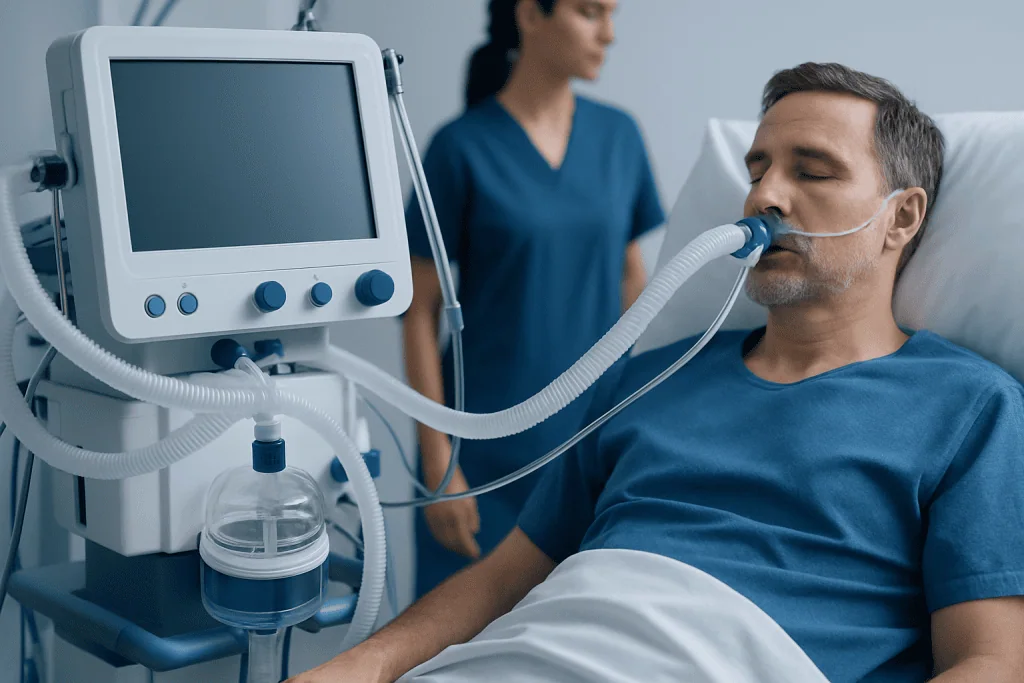
The greatest risks usually come from weakness in muscles that work automatically throughout the day and night. These include the diaphragm and chest wall muscles that support breathing, the throat muscles that make swallowing safe, and in some disorders the heart muscle as well. If these systems are affected, the body may struggle to get enough oxygen, clear secretions, or protect the airway during eating and drinking.
Respiratory weakness is one of the main reasons a neuromuscular condition can become life-threatening. A person may feel short of breath, wake up with headaches, become unusually sleepy, or have trouble taking a deep breath. Over time, even a mild chest infection can become more serious if coughing is weak and mucus cannot be cleared effectively.
Swallowing weakness can also be dangerous because food, drink, or saliva may enter the airway instead of the stomach. This is called aspiration and can lead to choking or aspiration pneumonia. In some neuromuscular diseases, poor nutrition and dehydration may also develop when eating becomes tiring or difficult.
In selected conditions, the heart may be involved as well. Some muscular dystrophies and related disorders can affect the heart rhythm or the strength of the heart muscle, increasing the need for cardiac follow-up in addition to neurological care.
Symptoms That May Signal a Medical Emergency

Many people with neuromuscular disease live with chronic weakness that changes slowly, but certain symptoms suggest a need for urgent medical evaluation. The most important warning signs are those involving breathing, swallowing, and a rapid decline in strength. These symptoms do not always mean a life-threatening crisis is happening, but they should be treated seriously.
Emergency warning signs can include:
- Shortness of breath at rest or when lying flat
- Rapid, shallow breathing or obvious breathing effort
- Blue lips, confusion, unusual drowsiness, or fainting
- Difficulty swallowing saliva, water, or food
- Repeated choking, coughing during meals, or a wet-sounding voice after swallowing
- Sudden inability to stand, walk, lift the head, or use the arms as usual
- Weak cough with inability to clear mucus
- Chest pain, palpitations, or unexplained collapse
In some conditions, symptoms worsen quickly over hours or days. A known example is a myasthenic crisis in myasthenia gravis, where severe weakness can suddenly affect breathing muscles. Another example is an acute inflammatory neuropathy such as Guillain-Barré syndrome, which can progress rapidly and needs close monitoring.
If a person cannot speak in full sentences, seems unable to breathe comfortably, or is choking, emergency services should be contacted immediately. Waiting at home can be unsafe when breathing or swallowing is involved.
Causes and Risk Factors for Severe Weakness
Several factors influence whether a neuromuscular disease becomes severe. The underlying diagnosis matters greatly. Some conditions are inherited and progress gradually, while others are autoimmune, inflammatory, infectious, or sudden in onset. Examples include muscular dystrophies, motor neuron diseases, peripheral neuropathies, and disorders of the neuromuscular junction.
Risk also rises when the muscles of respiration or swallowing are already weak. A simple viral illness, fever, dehydration, or poor sleep can place extra stress on the body. Certain medications may worsen weakness in susceptible people, and some patients are especially vulnerable during anesthesia, sedation, or after surgery.
Other risk factors include delayed diagnosis, untreated aspiration, poor nutrition, immobility, and lack of access to respiratory support or rehabilitation. Heart involvement in selected diseases may add further risk. Because of these differences, a person with a neuromuscular diagnosis benefits from an individualized care plan rather than a one-size-fits-all approach.
Families should also know that disease severity can change over time. A stable person may need reassessment if there is new fatigue, weight loss, frequent chest infections, morning headaches, or a clear drop in daily function.
How Doctors Diagnose Urgent Neuromuscular Problems
Diagnosis begins with a careful medical history and neurological examination. Doctors ask how the weakness started, whether it is worsening, which muscle groups are involved, and whether there are problems with breathing, swallowing, speech, or heart symptoms. The pattern of weakness often provides important clues about the type of neuromuscular disorder.
When emergency symptoms are present, checking breathing function is a priority. This may include measuring oxygen levels, blood gases, and bedside breathing strength, as well as chest imaging if infection or aspiration is suspected. Swallowing may be assessed clinically or with specialized tests to understand whether food or liquid is entering the airway.
Additional tests can help identify the cause. Depending on the situation, these may include blood tests, electromyography, nerve conduction studies, antibody testing, genetic testing, MRI, and sometimes muscle or nerve biopsy. Cardiac tests may also be needed if there is concern about heart rhythm or heart muscle involvement.
Because neuromuscular diseases can be complex, care often involves more than one specialist. Evaluation may include neurologists, pulmonologists, cardiologists, rehabilitation experts, speech and swallowing therapists, and dietitians. In advanced centers, electromyography testing and neurology care help guide diagnosis and ongoing management.
Treatment Options and Emergency Care
Treatment depends on the exact neuromuscular disease, the severity of weakness, and whether the person is facing an acute crisis or long-term progression. In emergencies, the immediate goal is to protect breathing and swallowing. This may require oxygen monitoring, airway support, noninvasive ventilation, suctioning of secretions, or intensive care observation. If swallowing is unsafe, temporary changes in nutrition and hydration may be needed.
Some conditions improve with disease-specific treatment. Autoimmune disorders may respond to immunotherapy, while inherited conditions may benefit mainly from supportive and rehabilitative care. Infections, medication side effects, and electrolyte problems must also be identified and corrected when they are contributing to weakness.
Long-term care often combines medical treatment with supportive therapies. These may include respiratory care, cough-assist strategies, physical therapy, occupational therapy, and speech or swallowing therapy. For people with significant weakness or decline in mobility, physical therapy and rehabilitation can support function, comfort, and safety.
When swallowing problems are persistent, doctors may suggest texture changes, supervised feeding plans, or specialized evaluation. When breathing problems occur during sleep or at rest, respiratory support can make a meaningful difference in quality of life and safety. Near the end of the care pathway, a multidisciplinary program such as neuromuscular rehabilitation may be appropriate. Acibadem International’s multidisciplinary specialists and JCI-accredited hospitals also diagnose and treat neuromuscular diseases for international patients.
Prevention, Monitoring, and Self-care
Not every complication can be prevented, but regular monitoring can lower risk. Follow-up appointments help doctors track breathing strength, swallowing safety, mobility, nutrition, and any heart-related concerns. A person with a diagnosed neuromuscular disease should understand which symptoms are expected and which ones need urgent review.
Daily self-care often focuses on conserving energy, preventing infections, and maintaining the safest possible routine. This may include staying hydrated, eating in an upright position, taking time with meals, avoiding exhaustion, and using prescribed respiratory or mobility support devices correctly. Vaccination and prompt treatment of respiratory infections may also be important for some patients.
Home and caregiver planning can be very helpful. Patients and families may benefit from written instructions about emergency warning signs, who to call, and which hospital or specialist follows the condition. People with progressive disease should discuss future care needs early, including respiratory support, nutrition planning, and rehabilitation goals.
Emotional support matters too. Living with uncertainty about weakness can be stressful, but clear information and regular medical guidance often make the condition more manageable. A proactive care plan can improve confidence and reduce avoidable complications.
When to See a Doctor
A doctor should evaluate any new or unexplained muscle weakness, especially if it affects walking, climbing stairs, lifting the arms, speaking, chewing, or swallowing. Medical review is also important if weakness is getting worse over days to weeks, if falls are increasing, or if daily activities are becoming noticeably harder.
Urgent assessment is needed for shortness of breath, choking, repeated chest infections, inability to clear mucus, severe fatigue with morning headaches, or rapid progression of weakness. These symptoms may indicate that the breathing or swallowing muscles are involved. Immediate emergency care is needed if a person has major breathing difficulty, becomes confused, collapses, or cannot swallow saliva safely.
Even when symptoms seem mild, an early evaluation can be valuable. Neuromuscular disorders are often easier to manage when identified before complications develop. A qualified healthcare professional can determine whether symptoms are due to a neuromuscular disease or another condition with similar features.
Frequently asked questions
Are all neuromuscular diseases fatal?
No. Many neuromuscular diseases are chronic conditions that can be managed for years, and some progress very slowly. The risk depends on the specific diagnosis, how severe the weakness is, and whether breathing, swallowing, or the heart are affected.
What makes neuromuscular disease life-threatening?
It becomes most dangerous when weakness affects the muscles used for breathing or swallowing, or when the heart is involved in certain disorders. Serious complications can include respiratory failure, choking, aspiration pneumonia, and cardiac problems.
How do I know if weakness is a medical emergency?
Emergency warning signs include shortness of breath, trouble lying flat because of breathing difficulty, repeated choking, inability to swallow saliva, confusion, fainting, or a sudden major loss of strength. These symptoms should be assessed urgently because they may signal a rapidly worsening condition.
Can neuromuscular disease symptoms suddenly get worse?
Yes. Some neuromuscular disorders worsen quickly, especially during infection, stress, after surgery, or during disease flare-ups. A person who was previously stable can sometimes develop rapid weakness that needs prompt medical attention.
Can treatment reduce the risk of death?
In many cases, yes. Early diagnosis, respiratory monitoring, swallowing support, rehabilitation, and condition-specific treatment can lower the risk of severe complications and improve safety and quality of life.
Should someone with a neuromuscular disease see more than one specialist?
Often, yes. These conditions may affect different body systems, so care can involve neurology, pulmonology, cardiology, rehabilitation, nutrition, and speech or swallowing specialists. A multidisciplinary approach is often the best way to monitor changes and respond early to complications.
This article is for general information only and is not a substitute for professional medical advice. Please consult a qualified doctor about your individual situation.
Explore treatments in Turkey — costs, top hospitals & a free quote
JCI-accredited · board-certified surgeons · reply within 24h
Add us as a Preferred Source to see more of our trusted health content across Google Search, AI Overviews and Discover.

More from the Health Library

Neuromuscular Disease Diagnosis: Why EMG Alone May Not Be the Whole Answer

Neuromuscular Disorders: When Muscle Weakness Points to a Nerve Problem

When to Get a Second Opinion for Neuromuscular Symptoms

Peripheral Nerve Disorders: Symptoms That Should Not Be Ignored

Myasthenia Gravis and the Neuromuscular Junction: Why Muscles Become Weak