When to Get a Second Opinion for Neuromuscular Symptoms

A second opinion can confirm or refine a neuromuscular diagnosis and treatment plan. It is especially helpful if symptoms are worsening, unusual, or not improving with treatment.
Key Takeaways
- A second opinion can confirm or refine a neuromuscular diagnosis and treatment plan.
- It is especially helpful if symptoms are worsening, unusual, or not improving with treatment.
- Neuromuscular symptoms may come from nerve, muscle, junction, spine, metabolic, autoimmune, or systemic conditions.
- Bringing prior test results, imaging, and a symptom timeline can make the second opinion more useful.
- Urgent medical assessment is needed for breathing problems, sudden severe weakness, or trouble swallowing.
A second opinion for neuromuscular symptoms can help confirm a diagnosis, clarify test results, and guide treatment when symptoms are persistent, progressive, or difficult to explain. It is a common and sensible step, especially when muscle weakness, numbness, cramps, or fatigue affect daily life or the diagnosis remains uncertain.
Overview
Neuromuscular symptoms are problems that affect how nerves and muscles work together. They can include muscle weakness, cramps, twitching, numbness, tingling, fatigue with activity, balance difficulty, or trouble with speech, swallowing, or breathing. These symptoms may develop gradually or appear more suddenly, and they can have many possible causes.
Because different conditions can cause similar symptoms, diagnosis is not always straightforward. A second opinion does not mean that something has gone wrong. In many cases, it is simply a practical way to confirm the diagnosis, make sure serious causes have been considered, and review whether the treatment plan still fits the person’s symptoms and goals.
For some people, a second opinion brings reassurance that the current plan is appropriate. For others, it may lead to a more precise diagnosis, further testing, or consideration of another explanation such as a peripheral nerve disorder, muscle disease, autoimmune condition, metabolic problem, or a spine-related issue. The process is most helpful when symptoms are ongoing, changing over time, or affecting quality of life.
Common Neuromuscular Symptoms
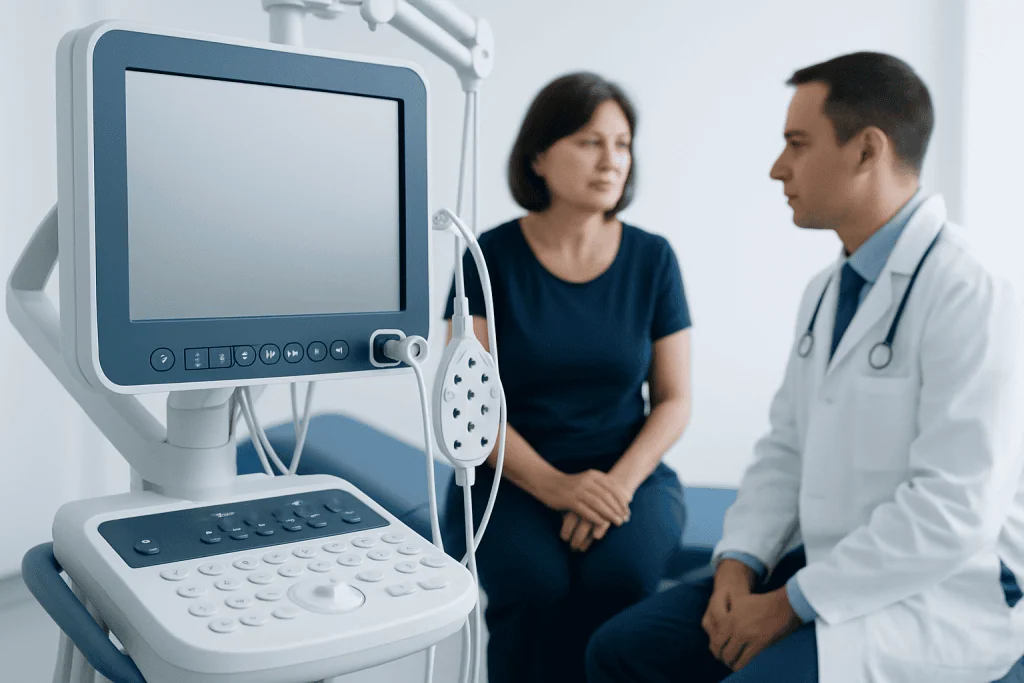
Neuromuscular symptoms can vary widely depending on whether the main problem is in the muscle, the peripheral nerve, the neuromuscular junction, or another part of the nervous system. Some people notice difficulty climbing stairs, lifting objects, getting up from a chair, or walking long distances. Others may describe hand weakness, foot drop, leg heaviness, facial weakness, or eye drooping.
Sensory symptoms can also occur, especially when nerves are involved. These may include numbness, tingling, burning pain, altered temperature sensation, or a feeling of pins and needles. Symptoms can be constant or intermittent, and they may affect one area or several parts of the body.
Other important symptoms include muscle cramps, visible twitching, shaking, fatigue that worsens with use, loss of balance, or changes in speech and swallowing. A person may also notice symptoms that seem worse later in the day or after exertion. In some situations, neuromuscular symptoms overlap with other neurological conditions, including Parkinson’s disease or disorders affecting the brain and spine, which is one reason specialist review can be valuable.
When a Second Opinion Is a Good Idea

A second opinion is often helpful when the diagnosis is uncertain or when more than one possible condition has been mentioned. It may also be appropriate when test results are unclear, symptoms do not match the expected pattern, or the person has been told to wait and watch but continues to worsen. For many patients, the main reason is simple: they want confidence that the diagnosis and treatment plan are correct.
Another common reason is that treatment is not helping as expected. If weakness, pain, numbness, or fatigue continue despite therapy, medications, rehabilitation, or lifestyle changes, another specialist may suggest a different interpretation of the findings or recommend additional tests. This can be particularly important before starting long-term medicines, immune treatments, or surgery.
A second opinion may also be useful when a rare condition is suspected, when symptoms involve several body systems, or when daily function is increasingly affected. Some people seek one after being diagnosed with a broad term such as neuropathy or myopathy without a clear cause. Others want expert review before pursuing procedures such as deep brain stimulation or before accepting a diagnosis with major long-term implications.
- Symptoms are progressive, unexplained, or unusually severe
- Test results are conflicting or difficult to interpret
- Treatment has not improved symptoms
- A serious or lifelong diagnosis has been suggested
- Another specialist perspective would help with decision-making
Possible Causes and Why Diagnosis Can Be Complex
Neuromuscular symptoms do not point to one single disease. Weakness and sensory changes can arise from peripheral neuropathy, myopathy, nerve compression, autoimmune disorders, inherited conditions, motor neuron diseases, spinal disorders, medication effects, vitamin deficiencies, thyroid disease, electrolyte imbalance, or chronic illnesses such as diabetes. Even stress, poor sleep, and deconditioning can sometimes worsen symptoms, although they should not be used to dismiss persistent complaints.
Some conditions share overlapping features. For example, numbness and weakness may come from a pinched nerve in the spine, a generalized nerve disorder, or an inflammatory process. Fatigue and fluctuating weakness may suggest a neuromuscular junction disorder, but they can also occur in other illnesses. Muscle pain and elevated blood tests may reflect inflammation, medication-related muscle injury, or metabolic disease.
In some patients, symptoms may initially resemble another condition such as multiple sclerosis or a movement disorder before the pattern becomes clearer over time. This is why careful history, neurological examination, laboratory testing, and sometimes repeat assessment are important. A second opinion can help organize these pieces, identify gaps in evaluation, and decide whether the most likely diagnosis truly fits the whole clinical picture.
How a Second Opinion Is Evaluated
During a second-opinion visit, the specialist will usually begin by reviewing the symptom history in detail. The timing of symptoms, what makes them better or worse, family history, medications, prior illnesses, and associated problems such as weight loss, breathing symptoms, swallowing difficulty, or balance changes can all provide clues. A careful neurological examination remains one of the most important parts of the assessment.
Doctors often review prior tests rather than repeating everything immediately. Depending on the situation, evaluation may include blood tests, nerve conduction studies and electromyography, imaging such as MRI, genetic testing, lumbar puncture, muscle imaging, or occasionally muscle or nerve biopsy. If symptoms suggest compression or another structural cause, the specialist may recommend targeted imaging or consultation with a spine or neurosurgical team. In selected cases, additional tools such as EMG testing or MRI can help clarify the diagnosis.
The goal is not only to name the condition but also to understand its severity, likely course, and treatable contributors. Sometimes the second opinion confirms the first diagnosis. In other cases, it narrows a broad diagnosis, identifies a different condition, or leads to a staged plan that includes further monitoring before making a final conclusion.
Treatment Planning After a Second Opinion
Treatment depends on the underlying cause. Some neuromuscular conditions respond to medications that reduce inflammation or modify the immune system. Others are managed with symptom relief, physical therapy, occupational therapy, speech and swallowing support, nutrition guidance, assistive devices, or treatment of related conditions such as diabetes or thyroid disease. For compression syndromes or structural problems, procedures or surgery may sometimes be part of the plan.
A second opinion can be especially useful before major treatment decisions. It may help a patient understand expected benefits, possible side effects, alternatives, and whether more testing should come first. This is important because some treatments are long term, and others are most effective when the diagnosis is as precise as possible.
Even when there is no immediate cure, management can still make a meaningful difference in safety, comfort, and function. A comprehensive plan may include fall prevention, exercise tailored to ability, pain control, respiratory support when needed, and regular follow-up to watch for change. Near the end of the care pathway, some patients choose evaluation at centers with multidisciplinary neurology and rehabilitation expertise; Acibadem International’s multidisciplinary specialists and JCI-accredited hospitals diagnose and treat neuromuscular conditions for international patients.
Preparing for a Second Opinion and Self-care
A well-prepared visit often leads to a more useful second opinion. It helps to bring previous clinic notes, laboratory results, imaging reports, actual image discs if available, medication lists, and reports from nerve tests or biopsies. A brief timeline of when symptoms began and how they changed can save time and help the specialist see the overall pattern more clearly.
Keeping a symptom diary may also be useful. Patients can note whether symptoms are worse with activity, time of day, missed meals, illness, or certain medications. Information about falls, trouble swallowing, breathing changes, and fatigue during daily tasks can be especially important. If a family member has noticed changes in walking, speech, or hand function, that information may add valuable detail.
While waiting for specialist review, general self-care should remain safe and practical. This may include pacing activity, avoiding overexertion, using supports or mobility aids if recommended, staying well nourished, and continuing prescribed treatment unless a doctor advises otherwise. Sudden medication changes without guidance are usually not helpful and may sometimes be unsafe.
When to See a Doctor Urgently
Some neuromuscular symptoms need prompt medical attention rather than a routine second opinion. Breathing difficulty, rapidly worsening weakness, sudden inability to walk, new trouble swallowing, or weakness spreading over hours to days should be assessed urgently. These symptoms can signal conditions that require immediate treatment and monitoring.
Medical review is also important if weakness comes with severe neck or back pain, loss of bladder or bowel control, fever, confusion, or a recent infection. A drooping face, sudden speech difficulty, or one-sided weakness may reflect a stroke or another emergency rather than a chronic neuromuscular disorder, so emergency care should not be delayed.
For non-emergency symptoms, a routine specialist appointment is appropriate when problems are persistent, recurring, or interfering with work, mobility, sleep, or independence. If there is any doubt about how urgent symptoms are, it is safest to contact a qualified doctor promptly for advice.
Frequently asked questions
Is it normal to ask for a second opinion for neuromuscular symptoms?
Yes. A second opinion is a common and reasonable step when symptoms are difficult to explain, the diagnosis is uncertain, or treatment decisions are significant. Many people seek one for reassurance as well as for additional expertise.
What symptoms make a second opinion more important?
Progressive weakness, worsening numbness, repeated falls, persistent muscle cramps, or symptoms that interfere with walking, hand function, speech, swallowing, or breathing deserve careful review. A second opinion is also helpful when test results are unclear or treatment has not improved symptoms.
Will a second opinion mean repeating all my tests?
Not always. Specialists often start by reviewing previous records, scans, blood tests, and nerve studies to avoid unnecessary repetition. However, some tests may need to be repeated or expanded if earlier results were incomplete, outdated, or difficult to interpret.
Which type of specialist should give the second opinion?
A neurologist with experience in neuromuscular disorders is often the most appropriate specialist. Depending on the findings, input from rehabilitation, rheumatology, neurosurgery, pulmonology, genetics, or endocrinology may also be useful.
How should a patient prepare for a second-opinion appointment?
It helps to bring prior medical records, imaging reports, medication lists, and a short timeline of symptoms. Notes about what triggers symptoms, whether they fluctuate, and how they affect daily life can make the consultation more productive.
Can a second opinion change the diagnosis?
Yes, sometimes it can. Neuromuscular symptoms may overlap with other neurological, metabolic, autoimmune, or spine-related conditions, so an expert review may confirm, refine, or occasionally revise the diagnosis.
When should symptoms be treated as an emergency instead of waiting for a second opinion?
Emergency care is needed for breathing difficulty, rapidly worsening weakness, sudden inability to walk, new swallowing problems, or one-sided weakness with speech changes. These symptoms can reflect conditions that require immediate evaluation and treatment.
This article is for general information only and is not a substitute for professional medical advice. Please consult a qualified doctor about your individual situation.
Explore treatments in Turkey — costs, top hospitals & a free quote
JCI-accredited · board-certified surgeons · reply within 24h
Add us as a Preferred Source to see more of our trusted health content across Google Search, AI Overviews and Discover.

More from the Health Library
Which Conditions Are Neuromuscular Diseases? Common Examples Explained

Muscular Dystrophy and the Muscles: How Weakness Progresses Over Time
Neuromuscular Disease Progression: What Changes Over Time?
Peripheral Neuropathy Causes: Diabetes, Vitamin Deficiency, and Nerve Compression

Neuromuscular Disease Diagnosis: Why EMG Alone May Not Be the Whole Answer