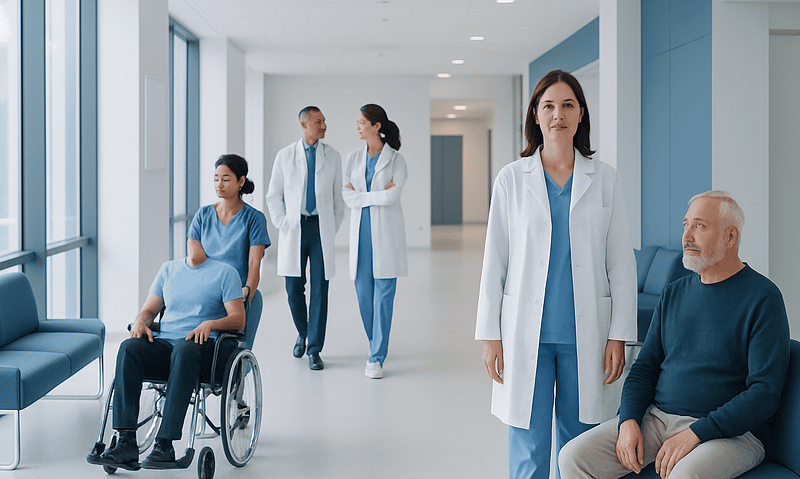
Which Conditions Are Neuromuscular Diseases? Common Examples Explained

Neuromuscular diseases can affect muscles, nerves, motor neurons, or the neuromuscular junction. Common symptoms include muscle weakness, cramping, fatigue, numbness, and trouble with movement, swallowing, or breathing.
Key Takeaways
- Neuromuscular diseases can affect muscles, nerves, motor neurons, or the neuromuscular junction.
- Common symptoms include muscle weakness, cramping, fatigue, numbness, and trouble with movement, swallowing, or breathing.
- Examples include muscular dystrophies, myasthenia gravis, peripheral neuropathies, ALS, spinal muscular atrophy, and inflammatory muscle diseases.
- Diagnosis often combines a neurological exam, blood tests, imaging, nerve studies, and sometimes genetic testing or muscle biopsy.
- Treatment depends on the specific condition and may include medication, rehabilitation, breathing support, and long-term follow-up.
Neuromuscular diseases are a broad group of conditions that affect muscles, peripheral nerves, motor neurons, or the junction between nerves and muscles. Understanding the most common examples can help patients recognize symptoms early and seek the right specialist care.
Overview: What Are Neuromuscular Diseases?
Neuromuscular diseases are conditions that interfere with the way muscles and the nervous system work together. They may affect the muscles themselves, the peripheral nerves that carry signals, the motor neurons that control movement, or the neuromuscular junction where a nerve communicates with a muscle. Because movement depends on all of these parts working normally, a problem in any one of them can lead to weakness and reduced physical function.
These disorders are not all the same. Some are inherited and begin in childhood, while others develop later in adult life. Some progress slowly over many years, while others can change more quickly or fluctuate from day to day. A few are mainly limited to muscles, but others may also affect sensation, breathing, swallowing, or heart function.
The term “neuromuscular disease” therefore describes a category rather than a single illness. Common examples include muscular dystrophies, myasthenia gravis, peripheral neuropathies, inflammatory myopathies, amyotrophic lateral sclerosis (ALS), and spinal muscular atrophy. Knowing which body system is affected helps doctors identify the specific diagnosis and guide treatment.
Common Examples of Neuromuscular Diseases
One major group includes muscle disorders, also called myopathies. These include muscular dystrophies, which are usually genetic conditions that cause progressive muscle weakness, and inflammatory myopathies such as polymyositis or dermatomyositis, where inflammation damages muscle tissue. Metabolic and mitochondrial muscle disorders also fall into this category.
Another group affects the communication point between nerve and muscle. The best-known example is myasthenia gravis, an autoimmune condition that causes fluctuating weakness, often affecting the eyes, face, swallowing muscles, or limbs. People may notice that strength worsens with activity and improves with rest.
Neuromuscular diseases can also involve nerves or motor neurons. Peripheral neuropathies damage peripheral nerves and may cause weakness, numbness, tingling, or pain. Motor neuron diseases, including ALS, affect the nerve cells that control voluntary muscles. Spinal muscular atrophy is another important example, often caused by a genetic change affecting motor neurons. Some patients may also be evaluated in connection with related nerve disorders such as Guillain-Barré syndrome when symptoms develop more suddenly.
- Muscle diseases: muscular dystrophies, inflammatory myopathies, metabolic myopathies
- Neuromuscular junction disorders: myasthenia gravis, Lambert-Eaton myasthenic syndrome
- Peripheral nerve disorders: inherited neuropathies, diabetic neuropathy, inflammatory neuropathies
- Motor neuron disorders: ALS, spinal muscular atrophy
Symptoms and Signs to Watch For
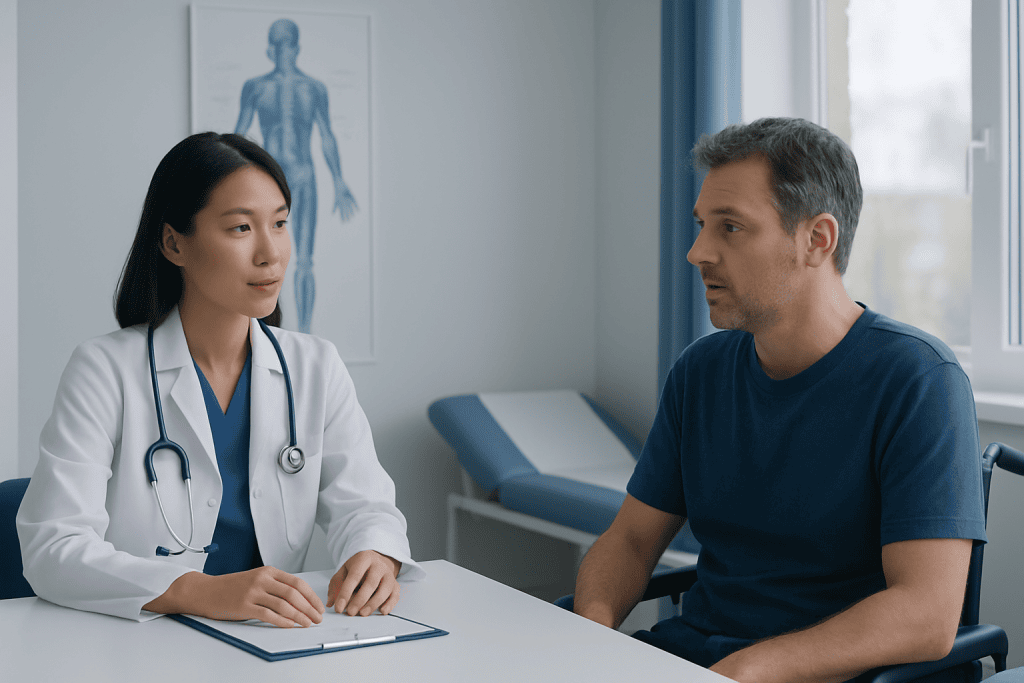
The symptoms of neuromuscular diseases depend on which part of the system is affected. Muscle weakness is the most common feature, but it may appear in different ways. Some people have difficulty climbing stairs, lifting objects, raising their arms, standing from a chair, or walking long distances. Others notice drooping eyelids, double vision, slurred speech, or trouble swallowing.
In nerve-related conditions, symptoms may include numbness, tingling, burning pain, reduced reflexes, or poor balance. Muscle disorders may also cause cramps, muscle wasting, stiffness, or exercise intolerance. In some diseases, weakness is more pronounced in the hips and shoulders, while in others the hands, feet, face, or eye muscles are affected first.
Breathing symptoms are especially important because some neuromuscular conditions can weaken the muscles used for breathing or coughing. Daytime fatigue, morning headaches, shortness of breath when lying flat, repeated chest infections, or disturbed sleep may all suggest respiratory muscle involvement. Not everyone will have severe symptoms, but any change in swallowing or breathing deserves timely medical attention.
Causes and Risk Factors
Neuromuscular diseases have many different causes. Some are inherited, meaning they result from a gene change passed through families or appearing for the first time in a child. Muscular dystrophies, spinal muscular atrophy, and certain inherited neuropathies are examples. A family history of similar symptoms can be an important clue, although the absence of family history does not rule out a genetic condition.
Other neuromuscular disorders are autoimmune. In these conditions, the immune system mistakenly attacks nerves, muscles, or the neuromuscular junction. Myasthenia gravis and inflammatory myopathies are common examples. Infections, medications, vitamin deficiencies, diabetes, thyroid disease, kidney disease, or toxin exposure can also contribute to neuromuscular symptoms or nerve injury.
Age can influence risk, but these diseases can occur at any stage of life. Some begin in infancy or childhood, others in early adulthood, and some are more likely in older adults. Because the causes vary so widely, a careful medical history is essential to narrow down the possibilities and identify treatable factors.
How Neuromuscular Diseases Are Diagnosed
Diagnosis usually begins with a detailed history and neurological examination. A doctor asks about the pattern of weakness, how quickly it started, whether it comes and goes, and whether there are symptoms such as sensory changes, cramps, swallowing problems, breathing difficulty, or family history. On examination, the doctor checks strength, muscle tone, reflexes, coordination, sensation, and gait.
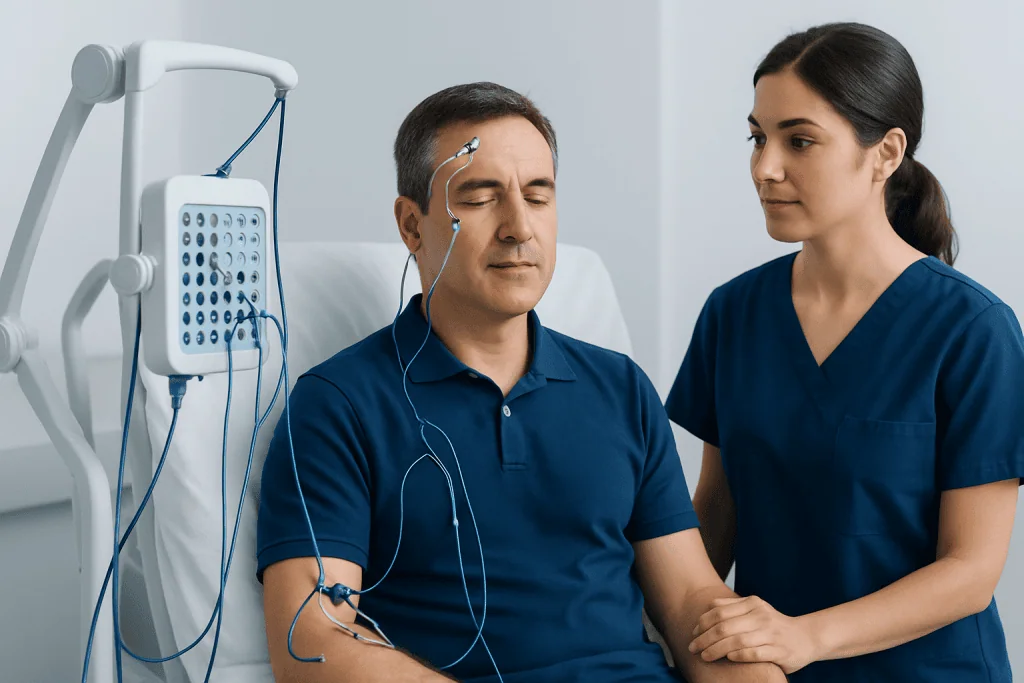
Tests are chosen based on the suspected condition. Blood tests may look for muscle enzymes, markers of inflammation, vitamin levels, thyroid function, autoimmune antibodies, or other clues. Nerve conduction studies and electromyography help show whether the problem is in the muscle, peripheral nerve, motor neuron, or neuromuscular junction. Imaging, including MRI, may be useful in selected cases.
Some patients need genetic testing, pulmonary function testing, muscle biopsy, or nerve biopsy. If myasthenia gravis is suspected, doctors may use antibody testing and specialized studies of nerve-muscle transmission. When symptoms point to a structural or more complex neurological problem, further evaluation by a specialist in neurology care may be recommended to confirm the diagnosis and plan long-term follow-up.
Treatment Options and Ongoing Care
Treatment depends entirely on the specific diagnosis. Some neuromuscular diseases can be treated directly with immune therapies, targeted medications, enzyme or nutritional support, or medicines that improve communication between nerves and muscles. Others do not yet have a cure, but symptoms can often be managed in ways that improve comfort, independence, and quality of life.
Rehabilitation is an important part of care for many patients. Physiotherapy, occupational therapy, speech and swallowing therapy, and respiratory support may all help maintain function and reduce complications. Assistive devices such as braces, mobility aids, or cough-support devices can be valuable when needed. Care plans are usually individualized because the pattern and pace of symptoms differ from person to person.
Regular monitoring is often needed to watch for changes in strength, mobility, breathing, nutrition, and heart health in conditions where the heart may be involved. In appropriate cases, patients may benefit from coordinated input through physical therapy and rehabilitation and, when swallowing or breathing are affected, hospital-based multidisciplinary care. Near the end of the care pathway, some international patients may seek evaluation at centers such as Acibadem International, where multidisciplinary specialists in JCI-accredited hospitals diagnose and treat neuromuscular conditions.
Self-care, Daily Living, and Prevention of Complications
Most neuromuscular diseases cannot be fully prevented, especially inherited conditions. However, many complications can be reduced with early diagnosis and regular follow-up. Sticking to prescribed treatment, attending therapy sessions, and reporting new symptoms promptly can help protect mobility, swallowing, and breathing function.
Daily self-care often includes pacing activities, planning rest periods, and avoiding overexertion. Good nutrition, hydration, sleep, and fall prevention are also important. Some people benefit from home adjustments such as handrails, shower supports, or seating aids to conserve energy and improve safety. Vaccination and prompt treatment of respiratory infections may be especially important for those with weakened breathing muscles.
For conditions linked to diabetes, vitamin deficiency, or autoimmune disease, management of the underlying cause is an important part of care. Genetic counseling may be helpful for families affected by inherited neuromuscular disorders. If surgery, sedation, or complex supportive care is needed, a team experienced in neurosurgery and related neurological services may sometimes be involved, depending on the condition and its complications.
When to See a Doctor
A medical review is important if a person develops unexplained weakness, repeated falls, persistent numbness or tingling, new drooping eyelids, double vision, muscle wasting, or trouble with swallowing. These symptoms do not always mean a serious disease, but they should be evaluated if they persist, worsen, or interfere with daily life.
Urgent assessment is needed if there is shortness of breath, choking, rapidly progressing weakness, inability to walk, or sudden severe difficulty speaking or swallowing. These symptoms may point to a condition that needs prompt treatment and monitoring. Early attention can make diagnosis faster and may prevent complications.
Because neuromuscular diseases are diverse, specialist care can make a meaningful difference. A neurologist or neuromuscular specialist can identify the cause, explain what to expect, and help coordinate therapies, monitoring, and supportive care tailored to the individual patient.
Frequently asked questions
What conditions are considered neuromuscular diseases?
Neuromuscular diseases include disorders that affect muscles, peripheral nerves, motor neurons, or the connection between nerves and muscles. Common examples are muscular dystrophies, myasthenia gravis, peripheral neuropathies, ALS, spinal muscular atrophy, and inflammatory muscle diseases.
Are neuromuscular diseases genetic?
Some are genetic, but not all. Conditions such as muscular dystrophy and spinal muscular atrophy are often inherited, while others, such as myasthenia gravis or inflammatory myopathies, are more often autoimmune or acquired later in life.
What is the most common symptom of neuromuscular disease?
Muscle weakness is the most common symptom, but the pattern can vary. Some people mainly notice leg weakness, others have eye symptoms, hand weakness, numbness, fatigue, swallowing problems, or breathing difficulty depending on the specific disorder.
Can neuromuscular diseases be cured?
Some underlying causes are treatable, and many symptoms can be improved or controlled, but not all neuromuscular diseases can be cured. Treatment focuses on the exact diagnosis and may include medication, rehabilitation, breathing support, and long-term monitoring.
How are neuromuscular diseases diagnosed?
Doctors usually combine a medical history and neurological examination with tests such as blood work, nerve conduction studies, electromyography, imaging, and sometimes genetic testing or biopsy. The exact testing plan depends on the suspected condition.
When should someone seek urgent care for possible neuromuscular disease?
Urgent care is important if weakness is rapidly worsening or if there is trouble breathing, choking, severe swallowing difficulty, or inability to walk. These symptoms can signal a condition that needs prompt medical attention and close monitoring.
This article is for general information only and is not a substitute for professional medical advice. Please consult a qualified doctor about your individual situation.
Neuromuscular Diseases in Turkey — costs, top hospitals & a free quote
JCI-accredited · board-certified surgeons · reply within 24h
Add us as a Preferred Source to see more of our trusted health content across Google Search, AI Overviews and Discover.

Physical Medicine & Rehabilitation
Restoring movement and function after injury, surgery or neurological conditions.
152 specialists in this unitMore from the Health Library

Nervous System Disorders That Affect Movement: When Symptoms Point to Neuromuscular Disease

Muscular Dystrophy and the Muscles: How Weakness Progresses Over Time
Neuromuscular Disease Causes: Genetic, Autoimmune, and Acquired Triggers

Peripheral Nerve Ultrasound: When It Is Used in Neuromuscular Diagnosis
What Is Neuromuscular Disease?