Neuromuscular Disorders: Early Warning Signs and When to See a Doctor

Neuromuscular disorders can affect muscles, peripheral nerves, motor neurons, or the neuromuscular junction. Common early signs include muscle weakness, fatigue, cramps, twitching, numbness, balance problems, and trouble swallowing.
Key Takeaways
- Neuromuscular disorders can affect muscles, peripheral nerves, motor neurons, or the neuromuscular junction.
- Common early signs include muscle weakness, fatigue, cramps, twitching, numbness, balance problems, and trouble swallowing.
- Symptoms that persist, progress, or affect breathing, walking, or swallowing should be assessed by a doctor.
- Diagnosis may involve a neurological exam, blood tests, nerve conduction studies, electromyography, imaging, or genetic testing.
- Treatment depends on the specific condition and may include medications, rehabilitation, assistive devices, and supportive care.
Neuromuscular disorders are conditions that affect the nerves controlling muscles, the muscles themselves, or the connection between them. Early recognition of symptoms such as weakness, numbness, cramps, or swallowing problems can help people seek timely evaluation and support.
Overview
Neuromuscular disorders are a group of conditions that interfere with how nerves and muscles work together. They may affect the brain’s motor pathways, motor neurons, peripheral nerves, the neuromuscular junction, or the muscle fibers themselves. Because movement depends on all of these parts working normally, a problem in any one of them can lead to weakness, loss of coordination, muscle fatigue, or changes in sensation.
These disorders are not all the same. Some are inherited, some are autoimmune, some develop after infections or exposure to toxins, and others have causes that remain unclear. Examples include peripheral neuropathies, muscular dystrophies, myasthenia gravis, inflammatory muscle diseases, and motor neuron diseases. Symptoms can begin gradually or more suddenly, and they may stay mild or become more limiting over time.
Early recognition matters because some neuromuscular disorders respond well to treatment, while others benefit from rehabilitation, monitoring, and symptom support. A person does not need to assume the worst if they notice weakness or numbness, but it is sensible to seek medical advice when symptoms are persistent, progressive, or interfering with daily life.
Early Warning Signs and Symptoms
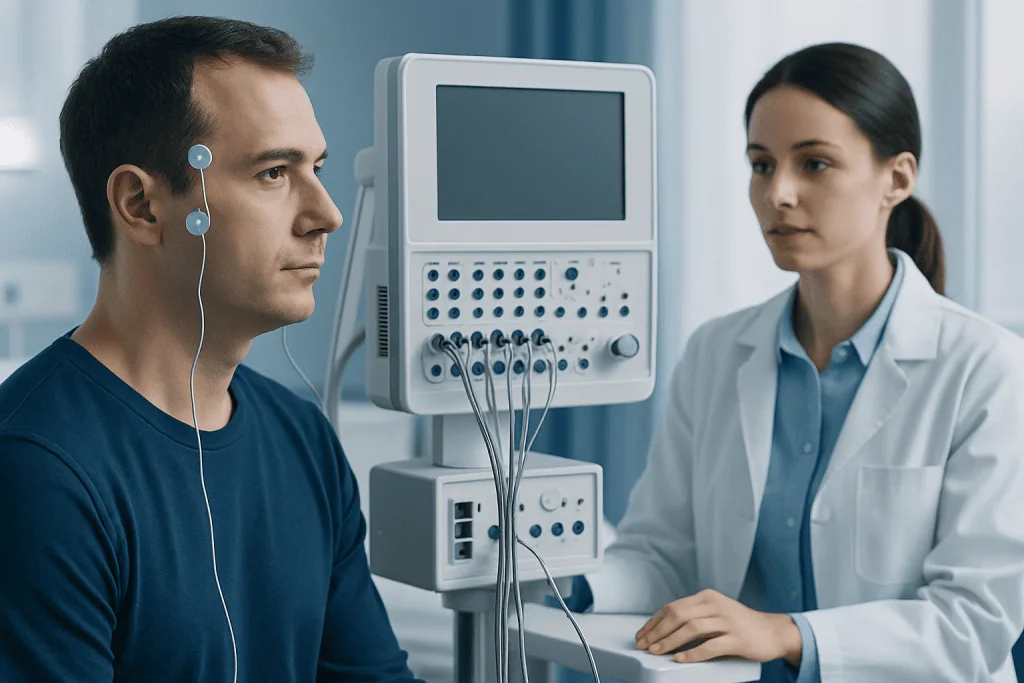
The most common early sign of neuromuscular disorders is muscle weakness. This may show up as difficulty climbing stairs, lifting objects, rising from a chair, opening jars, or keeping up with usual activity. Some people first notice that one foot drags, their grip feels weaker, or they tire much faster than before. Weakness may affect the arms, legs, face, eye muscles, or breathing muscles depending on the condition.
Other symptoms can include muscle cramps, twitching, stiffness, numbness, tingling, burning pain, or reduced sensation. Balance problems and frequent falls may occur if the legs are weak or if nerves that help with sensation are affected. In some disorders, symptoms fluctuate during the day and worsen with activity, while rest may bring partial improvement.
Problems involving the face and throat should also be taken seriously. Drooping eyelids, double vision, slurred speech, chewing fatigue, or trouble swallowing can point to a neuromuscular problem. Some people also develop shortness of breath, especially when lying flat or with exertion, which may suggest that breathing muscles need urgent attention.
- Muscle weakness that is new, persistent, or worsening
- Unexplained muscle wasting or visible twitching
- Numbness, tingling, or burning sensations
- Frequent tripping, falls, or balance difficulties
- Drooping eyelids, double vision, or facial weakness
- Difficulty swallowing, speaking, or breathing
Causes and Risk Factors

Neuromuscular disorders have many possible causes. Some are genetic and may run in families, although symptoms can vary greatly even among relatives. Others are autoimmune, meaning the immune system mistakenly attacks nerves, muscles, or the connection between them. Inflammatory disorders, metabolic conditions, vitamin deficiencies, thyroid disease, infections, and medication side effects can also contribute to nerve or muscle dysfunction.
Age can influence risk, but neuromuscular disorders can occur at any stage of life. Certain conditions are more common in childhood, such as some inherited muscle diseases, while others are diagnosed more often in adults or older people. A personal or family history of neurological disease, autoimmune disease, diabetes, kidney disease, or alcohol misuse may increase the chance of developing specific neuromuscular problems.
Environmental and lifestyle factors may also play a role. Exposure to toxins, poor nutrition, prolonged immobilization, or chronic illness can affect nerves and muscles. Sometimes symptoms are related to a condition outside the nervous system, such as a hormonal imbalance or vitamin deficiency, which is one reason a full medical assessment is important before assuming a diagnosis.
How Doctors Diagnose Neuromuscular Disorders
Diagnosis usually begins with a detailed history and neurological examination. The doctor asks when symptoms started, whether they are getting worse, which muscles are affected, and whether there are problems with sensation, balance, swallowing, or breathing. Family history, medications, recent infections, and general health conditions are also important because they may point toward a cause.
Tests are chosen based on the suspected problem. Blood tests may look for muscle enzyme changes, inflammation, autoimmune markers, vitamin deficiencies, or endocrine problems. Nerve conduction studies and electromyography help assess how nerves send signals and how muscles respond. These tests can help distinguish between muscle disease, nerve disease, and disorders of the neuromuscular junction.
Some patients also need imaging, pulmonary function testing, muscle biopsy, or genetic testing. The aim is not just to confirm that a neuromuscular disorder is present, but to identify the specific type. This is important because treatment, outlook, and follow-up can differ significantly between conditions.
When appropriate, specialists may evaluate for related conditions such as peripheral neuropathy or myasthenia gravis, both of which can cause weakness but require different treatment approaches.
Treatment Options
Treatment depends on the exact diagnosis and on which symptoms are most affecting daily life. For some conditions, treatment focuses on the underlying cause, such as immune-modulating therapy for autoimmune disease, vitamin replacement for deficiency-related neuropathy, or medication adjustments if a drug side effect is suspected. For inherited disorders, treatment often focuses on slowing complications, preserving function, and supporting independence.
Rehabilitation is a key part of care for many people. Physical therapy can help maintain strength, flexibility, and safe mobility, while occupational therapy supports daily tasks such as dressing, writing, and household activities. Speech and swallowing therapy may be useful if facial or throat muscles are involved. Some people may benefit from orthotics, mobility aids, or breathing support depending on the condition.
Specialized testing such as electromyography testing may help guide diagnosis and treatment planning. In selected cases, doctors may also recommend physical therapy and rehabilitation or advanced evaluation in a neurology service to coordinate long-term care.
Near the end of the diagnostic and treatment journey, coordinated follow-up is often important because symptoms may change over time. Acibadem International’s multidisciplinary specialists and JCI-accredited hospitals diagnose and treat neuromuscular disorders for international patients, with care plans tailored to the individual condition and level of support needed.
Prevention and Self-care
Not all neuromuscular disorders can be prevented, especially those with genetic or autoimmune causes. Still, there are practical steps that may support nerve and muscle health. Managing conditions such as diabetes, thyroid disease, and kidney disease can reduce the risk of some nerve problems. A balanced diet, adequate vitamin intake, regular movement, and avoiding excessive alcohol may also be helpful.
For people who already have symptoms, self-care focuses on safety, energy conservation, and preventing complications. Using supportive footwear, removing home trip hazards, pacing activities, and taking rest breaks can reduce falls and overexertion. Gentle stretching and exercises recommended by a qualified therapist may help maintain mobility without causing undue strain.
It is also important to monitor changes carefully. Keeping a symptom diary can help track patterns such as increasing weakness, more frequent falls, new swallowing problems, or worsening shortness of breath. This information can be very useful during medical appointments and may help the care team adjust treatment plans sooner.
When to See a Doctor
A doctor should evaluate muscle weakness, numbness, cramps, or balance problems that do not improve, keep returning, or gradually worsen. Medical advice is especially important if symptoms affect walking, hand use, speech, swallowing, or day-to-day independence. Even when the cause is not serious, a proper assessment can rule out conditions that need treatment.
Urgent care is needed if there is sudden severe weakness, trouble breathing, choking, rapidly spreading numbness, or inability to walk safely. These symptoms can signal a medical emergency and should not be ignored. Prompt evaluation can be particularly important in conditions that progress quickly or affect breathing muscles.
People with a family history of neuromuscular disease may also benefit from early medical guidance if symptoms appear, even if they seem mild. A neurologist or neuromuscular specialist can help determine whether symptoms are related to a nerve or muscle condition, another medical issue, or temporary factors such as fatigue or medication effects.
Frequently asked questions
What are neuromuscular disorders?
Neuromuscular disorders are conditions that affect nerves, muscles, or the connection between them. They can interfere with movement, strength, sensation, swallowing, or breathing depending on which part of the system is involved.
What is usually the first sign of a neuromuscular disorder?
Early signs often include muscle weakness, unusual fatigue, cramps, twitching, or numbness and tingling. Some people first notice trouble climbing stairs, lifting objects, or walking steadily.
Are all muscle weakness symptoms caused by neuromuscular disease?
No. Muscle weakness can also happen with infections, medication side effects, vitamin deficiencies, thyroid problems, poor sleep, or general deconditioning. Because the causes vary widely, persistent or unexplained weakness should be checked by a doctor.
When is muscle weakness an emergency?
Urgent medical help is needed if weakness comes on suddenly, affects breathing, causes choking, or makes it hard to stand or walk safely. These symptoms may need immediate evaluation to rule out serious neurological or medical causes.
How are neuromuscular disorders diagnosed?
Doctors usually begin with a medical history and neurological examination. Depending on the suspected condition, they may order blood tests, nerve conduction studies, electromyography, imaging, genetic testing, or other specialized assessments.
Can neuromuscular disorders be treated?
Many can be treated or managed, although the best approach depends on the exact diagnosis. Treatment may include medications, rehabilitation, assistive devices, breathing support, and long-term monitoring to maintain quality of life and function.
This article is for general information only and is not a substitute for professional medical advice. Please consult a qualified doctor about your individual situation.
Explore treatments in Turkey — costs, top hospitals & a free quote
JCI-accredited · board-certified surgeons · reply within 24h
Add us as a Preferred Source to see more of our trusted health content across Google Search, AI Overviews and Discover.

More from the Health Library

Muscle Twitching: When It Is Benign and When It May Need Neuromuscular Testing
Neuromuscular Disease Causes: Genetic, Autoimmune, and Acquired Triggers
What Is Neuromuscular Disease?

Muscle Cramps, Weakness, and Numbness: How Neuromuscular Disorders Are Diagnosed

Peripheral Neuropathy in Diabetes: Early Signs and When to Seek Testing