Early Symptoms of Neuromuscular Disease: Weakness, Falls, Cramps, and Fatigue

Early symptoms may include muscle weakness, tripping, falls, cramps, twitching, and unusual fatigue. Neuromuscular diseases affect the nerves, muscles, or the communication between them.
Key Takeaways
- Early symptoms may include muscle weakness, tripping, falls, cramps, twitching, and unusual fatigue.
- Neuromuscular diseases affect the nerves, muscles, or the communication between them.
- Symptoms can overlap with common conditions, so diagnosis usually involves an exam and targeted tests.
- Prompt assessment may help identify treatable causes and support earlier symptom management.
- Anyone with progressive weakness, swallowing trouble, breathing symptoms, or repeated falls should seek medical care.
Neuromuscular disease early symptoms often begin gradually and may be easy to overlook at first. Weakness, falls, cramps, and fatigue can have many causes, but when they persist or worsen, a medical evaluation can help clarify what is happening and what support is needed.
Overview
Neuromuscular disease early symptoms can be subtle. A person may notice that climbing stairs feels harder, getting up from a chair takes more effort, or carrying groceries causes unusual fatigue. Others may first become aware of repeated tripping, muscle cramps at night, or a general sense that their strength and stamina are not what they used to be.
Neuromuscular diseases are a group of conditions that affect muscles, the nerves that control them, or the junction where nerves and muscles communicate. Because these systems work together, symptoms can vary widely. Some disorders mainly cause weakness, while others also lead to numbness, muscle wasting, twitching, pain, balance problems, swallowing difficulty, or breathing changes.
It is important to remember that weakness, falls, cramps, and fatigue do not always mean a serious neurological condition. These symptoms may also be linked to medication side effects, vitamin deficiencies, thyroid problems, dehydration, overuse, joint conditions, or poor sleep. Still, when symptoms are persistent, progressive, or unexplained, a qualified doctor can help determine whether a neuromuscular cause should be considered.
Common Early Symptoms
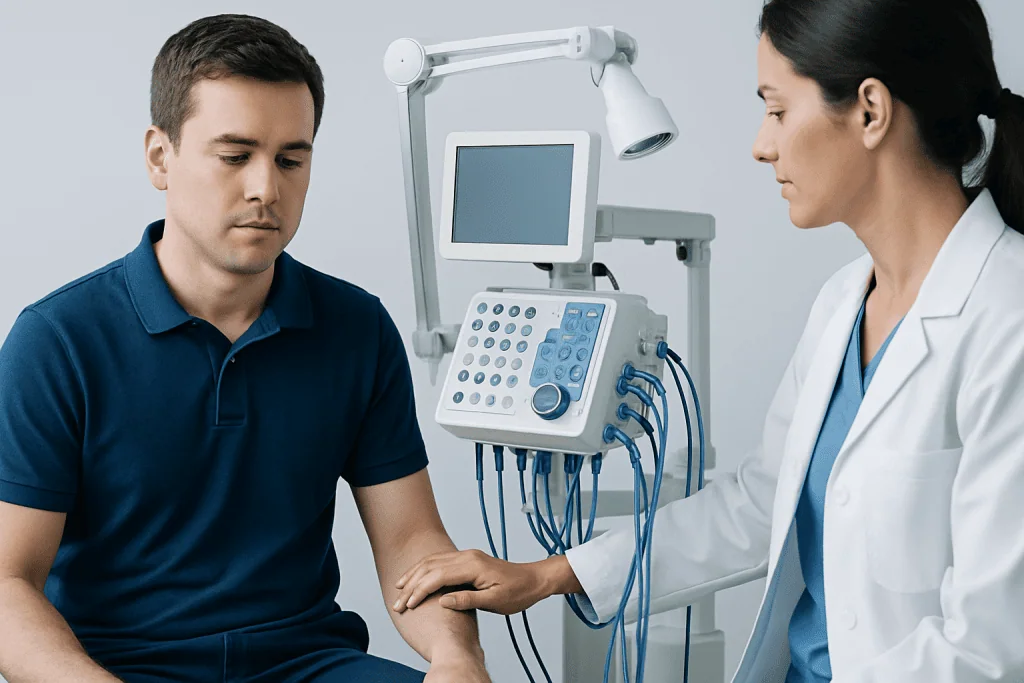
Weakness is often one of the first concerns. It may affect the legs, making stairs, walking uphill, or standing from a low seat difficult. It may also affect the arms and shoulders, making it harder to lift objects, wash hair, or reach overhead. Some people describe heaviness rather than clear weakness, especially at the beginning.
Falls and balance changes can happen when muscles are not responding normally. A person may catch their toes on the floor, feel unsteady turning, or find that they cannot recover well if they stumble. Frequent near-falls should also be taken seriously, even if no injury has occurred.
Muscle cramps, stiffness, twitching, or unusual fatigue may appear before obvious weakness develops. Fatigue in neuromuscular disorders is not simply ordinary tiredness after a busy day. It may feel like a marked drop in physical endurance, with activities becoming harder much sooner than expected. In some conditions, symptoms fluctuate and become worse later in the day or after repeated use of the muscles.
- Difficulty climbing stairs or rising from a chair
- Tripping, toe dragging, or frequent falls
- Hand weakness, reduced grip, or trouble with buttons and jars
- Muscle cramps, twitching, or aching after light activity
- Drooping eyelids, double vision, or facial weakness in some cases
- Shortness of breath, weak cough, or swallowing difficulty in more urgent situations
What Can Cause These Symptoms?

Neuromuscular symptoms can come from different parts of the motor system. In some diseases, the problem lies in the peripheral nerves, as in certain neuropathies. In others, the muscles themselves are affected, as in some myopathies and muscular dystrophies. Some conditions involve the communication point between nerve and muscle, such as myasthenia gravis. Each category can produce weakness and fatigue, but the pattern may differ.
Causes may be inherited, autoimmune, inflammatory, metabolic, infectious, toxic, or degenerative. For example, a doctor may consider inherited muscle disorders, inflammatory muscle diseases, motor neuron disorders, or peripheral neuropathy depending on the symptoms and examination findings. Non-neuromuscular causes also need attention, including electrolyte imbalance, anemia, thyroid disease, vitamin B12 deficiency, medication reactions, and orthopedic problems.
Risk factors depend on the condition. A family history of muscle or nerve disease may be relevant. Autoimmune disease can raise the likelihood of certain neuromuscular disorders. Age, diabetes, alcohol misuse, toxin exposure, viral illness, and some medications may also play a role. Because the causes are varied, a careful evaluation is important before drawing conclusions.
How Doctors Evaluate Neuromuscular Symptoms
Diagnosis usually begins with a detailed medical history and neurological examination. The doctor will ask when symptoms began, whether they are getting worse, which muscles are affected, and whether there are associated problems such as numbness, pain, cramps, swallowing changes, eyelid drooping, or breathing difficulty. Family history, medications, recent illness, and exercise tolerance are also important clues.
During the exam, the doctor checks muscle strength, tone, reflexes, coordination, sensation, walking pattern, and balance. This helps show whether the problem is more likely to involve muscle, nerve, neuromuscular junction, or another body system. If needed, blood tests may look for muscle enzyme levels, inflammation markers, thyroid issues, vitamin deficiencies, or autoimmune antibodies.
Further testing may include nerve conduction studies and electromyography (EMG), which can help distinguish nerve-related from muscle-related problems. In selected cases, imaging such as MRI may be used to assess muscles, spine, or brain, and some people may need genetic testing or a muscle or nerve biopsy. The exact tests depend on the person’s symptoms and exam findings rather than a one-size-fits-all approach.
Treatment Options and Symptom Management
Treatment depends on the cause. Some neuromuscular conditions are managed with medicines that reduce inflammation or regulate the immune system. Others are treated by correcting an underlying problem such as vitamin deficiency, thyroid disease, or medication side effects. In some cases, there is no single cure, but supportive treatment can still improve function, comfort, and safety.
Rehabilitation is often an important part of care. Physical therapy and rehabilitation may help maintain mobility, improve balance, and reduce fall risk. Occupational therapy can support hand function and everyday tasks, while speech and swallowing therapy may help if communication or swallowing becomes affected. Some people also benefit from braces, walking aids, or breathing support depending on the condition.
Fatigue and cramps are managed by addressing the underlying diagnosis, reviewing medications, pacing activities, improving sleep habits, staying hydrated, and correcting nutritional issues when present. In disorders with respiratory or swallowing involvement, a multidisciplinary plan is especially valuable. Near the end of the diagnostic and treatment journey, some patients seek care in specialized centers; Acibadem International’s multidisciplinary specialists in JCI-accredited hospitals diagnose and treat neuromuscular conditions for international patients.
Prevention, Self-Care, and Daily Safety
Not all neuromuscular diseases can be prevented, especially inherited conditions. However, some causes of weakness and nerve problems can be reduced by managing diabetes, avoiding excess alcohol, addressing nutritional deficiencies, and using medications carefully under medical guidance. Regular follow-up for chronic health conditions may also lower the risk of overlooked contributors to fatigue or muscle symptoms.
At home, practical safety steps can make a meaningful difference. Good lighting, removing loose rugs, wearing supportive footwear, and using handrails may help prevent falls. Planning activities with rest breaks can reduce fatigue without stopping movement completely. Gentle, medically approved exercise may support strength and mobility, but intense exercise should not begin without advice if a neuromuscular disorder is suspected.
Keeping a symptom diary can be helpful. Noting when weakness appears, which activities trigger fatigue, whether cramps occur at night, and whether symptoms fluctuate through the day can give the doctor useful information. People should also avoid self-diagnosing based on a single symptom, because many common and treatable conditions can look similar early on.
When to See a Doctor
A medical review is advisable when weakness, falls, cramps, or fatigue persist for more than a short period, interfere with daily activities, or seem to be getting worse. Even gradual changes matter, particularly if there is a clear loss of strength, trouble using the hands, difficulty climbing stairs, or repeated tripping. Early assessment can help identify whether the cause is neurological, muscular, metabolic, or something else.
More urgent evaluation is important if there is shortness of breath, choking, new swallowing difficulty, rapidly worsening weakness, severe back pain with leg weakness, sudden facial drooping, or loss of bladder or bowel control. Repeated falls should also be discussed promptly because they can lead to injury and may indicate progressing weakness or balance impairment.
If a person already has a diagnosed condition such as myasthenia gravis or another muscle disease, any new decline in breathing, swallowing, mobility, or endurance should be reported. A doctor can decide whether medication changes, rehabilitation, further testing, or specialist referral are needed.
Frequently asked questions
What are the earliest signs of neuromuscular disease?
Early signs often include muscle weakness, frequent tripping, falls, cramps, twitching, and unusual fatigue with routine activities. Some people also notice hand weakness, trouble climbing stairs, or symptoms that worsen with repeated muscle use.
Does muscle weakness always mean a neuromuscular disease?
No. Muscle weakness can also be caused by common problems such as vitamin deficiencies, thyroid disorders, medication side effects, dehydration, poor sleep, or joint and spine conditions. A medical evaluation helps identify the actual cause.
When should someone worry about falls and fatigue?
Falls and fatigue deserve attention when they are recurrent, unexplained, or getting worse over time. They should be assessed more urgently if they occur with leg weakness, swallowing problems, shortness of breath, or a clear decline in daily function.
How is a neuromuscular disease diagnosed?
Diagnosis usually starts with a medical history and neurological examination. Depending on the findings, doctors may order blood tests, nerve conduction studies, EMG, imaging, genetic testing, or sometimes a biopsy.
Can neuromuscular disease symptoms come and go?
Yes, some conditions cause fluctuating symptoms. Weakness may be more noticeable later in the day, after exertion, or during illness, while other disorders cause a more steady and progressive change.
Are muscle cramps a sign of a serious neurological problem?
Muscle cramps are common and often have non-serious causes such as dehydration, overuse, or electrolyte imbalance. However, cramps that occur with weakness, muscle wasting, frequent falls, or persistent fatigue should be discussed with a doctor.
This article is for general information only and is not a substitute for professional medical advice. Please consult a qualified doctor about your individual situation.
Explore treatments in Turkey — costs, top hospitals & a free quote
JCI-accredited · board-certified surgeons · reply within 24h
Add us as a Preferred Source to see more of our trusted health content across Google Search, AI Overviews and Discover.

More from the Health Library

Post-Viral Nerve Weakness: How Neuromuscular Disorders Are Diagnosed

Motor Neuron Disease: Early Signs That Should Not Be Ignored

Neuromuscular Disorders: Common Causes of Muscle Weakness and Wasting

Motor Neuron Disease: How Symptoms Progress and What Supportive Care Helps
Neuromuscular Disease in Children and Adults: How Symptoms Differ by Age