Myositis: Muscle Weakness, Blood Tests, and Neuromuscular Evaluation

Myositis usually causes muscle weakness more than severe pain, especially in the shoulders, hips, neck, or thighs. Diagnosis often includes blood tests, a neurological examination, imaging, and sometimes electromyography or muscle biopsy.
Key Takeaways
- Myositis usually causes muscle weakness more than severe pain, especially in the shoulders, hips, neck, or thighs.
- Diagnosis often includes blood tests, a neurological examination, imaging, and sometimes electromyography or muscle biopsy.
- There are several types of myositis, including autoimmune, infection-related, medication-related, and inclusion body myositis.
- Treatment depends on the cause and may include medicines, physical therapy, and management of swallowing or lung involvement.
- Early medical assessment can help prevent complications and support better long-term function.
Myositis is a group of conditions that causes muscle inflammation, most often leading to weakness and difficulty with everyday movements. Careful evaluation, including blood tests and neuromuscular assessment, helps identify the type of myositis and guide treatment.
Overview
Myositis is a general term for inflammation of the muscles. It is not a single disease, but a group of conditions that can affect how muscles work. The main problem is often muscle weakness, especially in the muscles closest to the center of the body, such as the shoulders, upper arms, hips, thighs, and neck. Some people also notice fatigue, muscle aches, or trouble swallowing.
Several forms of myositis exist. These include polymyositis, dermatomyositis, immune-mediated necrotizing myopathy, antisynthetase syndrome, and inclusion body myositis. In some people, myositis is linked to autoimmune disease, while in others it may be associated with infection, certain medications, or another medical condition. Because symptoms can overlap with other neuromuscular disorders, diagnosis requires a structured and careful evaluation.
The course of myositis varies. Some forms develop over weeks to months, while others progress more slowly over years. With appropriate care, many people can improve strength, function, and quality of life. A personalized plan is important because the best treatment depends on the specific type, severity, and whether other organs such as the skin, lungs, or swallowing muscles are involved.
Symptoms of Myositis
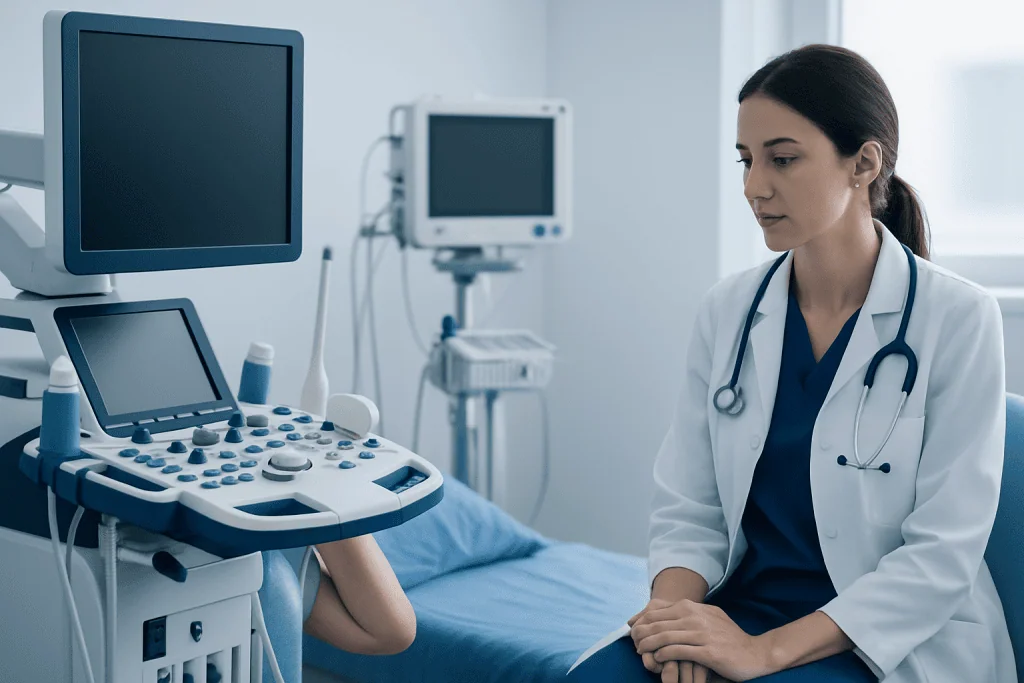
The most common symptom of myositis is progressive muscle weakness. People may have difficulty climbing stairs, standing up from a chair, lifting objects, raising the arms overhead, or getting out of bed. Weakness often affects both sides of the body and usually involves the proximal muscles, which are the muscles closer to the trunk. Everyday tasks can become tiring even when pain is mild.
Other symptoms can vary by type of myositis. Some people experience muscle tenderness, aching, or cramps, while others mainly notice reduced endurance. In dermatomyositis, a rash may appear on the eyelids, knuckles, chest, shoulders, or other sun-exposed areas. Swallowing problems can occur if throat muscles are affected, and some people may develop a cough or breathlessness if there is lung involvement.
Inclusion body myositis often has a somewhat different pattern. It may affect finger flexors, wrists, thighs, or lower legs, sometimes unevenly, and can lead to frequent tripping or grip weakness. Warning signs that should not be ignored include falls, choking, worsening shortness of breath, or weakness that steadily progresses over time.
- Difficulty climbing stairs or rising from a seated position
- Trouble lifting the arms or carrying objects
- Fatigue and reduced exercise tolerance
- Muscle pain or tenderness in some cases
- Rash, especially in dermatomyositis
- Swallowing difficulty, cough, or voice changes
Causes and Risk Factors

Many cases of myositis are autoimmune, meaning the immune system mistakenly attacks muscle tissue. This can happen on its own or alongside another connective tissue disease. Doctors may classify the condition based on clinical features, blood test findings, imaging, and biopsy results. Different autoantibodies can be associated with different patterns of disease, which is one reason blood testing is often part of the evaluation.
Not all myositis is autoimmune. Muscle inflammation or muscle injury can also occur after viral infections, with certain medications such as statins in some people, or less commonly from other systemic illnesses. Distinguishing true inflammatory myositis from other causes of elevated muscle enzymes or weakness is essential because treatment may differ significantly.
Risk factors depend on the type. Some forms are more common in adults, while dermatomyositis can also affect children. Inclusion body myositis is more often seen later in adulthood. A personal or family history of autoimmune disease may raise suspicion, but myositis can also occur in people without any clear risk factor. Because symptoms overlap with disorders such as muscular dystrophy and neuropathy, expert assessment is often needed.
How Myositis Is Diagnosed
Diagnosis starts with a detailed medical history and neurological examination. The clinician asks about the pattern of weakness, how quickly symptoms began, whether there is pain or rash, and whether swallowing or breathing is affected. During the examination, muscle strength, reflexes, sensation, gait, and muscle bulk are assessed. This helps determine whether the problem is most likely coming from muscle, nerve, neuromuscular junction, or another cause.
Blood tests are an important part of the workup. Doctors often check muscle enzymes such as creatine kinase, along with inflammatory markers and autoantibody panels that can support a specific diagnosis. Other blood tests may look for thyroid disease, medication effects, infection, or metabolic problems that can mimic myositis. Normal or mildly abnormal blood results do not always rule out disease, so the laboratory findings are interpreted together with symptoms and examination.
Further neuromuscular evaluation may include electromyography and nerve conduction studies, which can show a pattern suggesting muscle inflammation or help exclude a nerve disorder. MRI of affected muscles can identify edema, inflammation, or chronic muscle damage and can guide the best site for biopsy. In selected cases, a muscle biopsy is recommended to confirm the diagnosis and distinguish among different inflammatory myopathies. Depending on symptoms, doctors may also evaluate the lungs, heart, or swallowing function.
Because the diagnosis can be complex, referral to a specialist may be helpful, especially when weakness is progressive or the cause is uncertain. Tests such as electromyography (EMG) and MRI are commonly used within this process to build a complete picture.
Treatment Options
Treatment for myositis depends on the underlying type and how severe the disease is. In autoimmune myositis, treatment often begins with medicines that reduce inflammation and calm the immune response. Corticosteroids are commonly used at first, and many patients also need other immunosuppressive or immunomodulating medicines to control disease activity and reduce long-term steroid exposure. The exact choice is individualized based on symptoms, age, test results, and involvement of other organs.
Rehabilitation is another key part of care. Guided exercise and physical therapy can help maintain mobility, reduce deconditioning, and support safe strengthening once inflammation is being managed. Occupational therapy may help with daily tasks, hand weakness, or energy conservation. If swallowing is affected, a speech and swallowing specialist can assess safety and recommend strategies to lower the risk of choking or aspiration.
Some forms respond better to treatment than others. Inclusion body myositis, for example, often progresses slowly and may respond less well to standard immune therapies, making supportive care especially important. If myositis is triggered by a medication, the doctor may recommend stopping or changing that medicine under supervision. If another autoimmune disease is present, treatment may need to address both conditions, including disorders such as myasthenia gravis when symptoms overlap or the diagnosis is unclear.
In more complex cases, care may involve neurology, rheumatology, pulmonology, dermatology, rehabilitation, and nutrition specialists. For international patients, Acibadem International’s multidisciplinary specialists in JCI-accredited hospitals diagnose and treat myositis with coordinated neuromuscular care. When clinically appropriate, additional assessments such as muscle biopsy can help refine treatment decisions.
Prevention and Self-care
There is no guaranteed way to prevent autoimmune myositis, but self-care can support strength, safety, and overall health. Following the treatment plan, attending regular follow-up visits, and reporting new symptoms promptly are important steps. Because muscles may be weaker than they appear, people are often advised to pace activities and avoid sudden overexertion during active disease.
Physical activity is still valuable, but it should usually be tailored to the individual’s condition and stage of recovery. A supervised exercise program may include stretching, gentle aerobic work, and gradual strengthening. Good nutrition can also help, especially if swallowing difficulty or weight loss is present. Some people may benefit from texture changes, smaller meals, or dietitian guidance.
People with dermatomyositis may need sun protection because ultraviolet exposure can aggravate skin symptoms in some cases. Home safety measures can reduce the risk of falls when leg weakness is present. Practical steps may include supportive footwear, railings, shower chairs, and careful planning for stairs. Medication changes should never be made without speaking to a doctor first, even if a drug-related muscle problem is suspected.
When to See a Doctor
A person should seek medical attention if muscle weakness is persistent, worsening, or interfering with daily activities. Symptoms such as difficulty getting up from a chair, frequent falls, trouble lifting the arms, or steadily increasing fatigue deserve medical evaluation. Weakness caused by myositis can be subtle at first, so early changes are worth discussing even if pain is not severe.
Prompt care is especially important when weakness is accompanied by a skin rash, dark urine, fever, unexplained weight loss, swallowing problems, or shortness of breath. These symptoms can point to a more urgent need for testing or treatment. Sudden severe weakness, chest symptoms, or choking should be treated as urgent medical concerns.
Because many conditions can mimic myositis, a qualified doctor should make the diagnosis rather than relying on symptoms alone. A structured examination, blood tests, and neuromuscular studies can clarify what is happening and guide the next steps. Early assessment may help preserve muscle function and reduce complications over time.
Frequently asked questions
What is the first sign of myositis?
For many people, the earliest sign is gradual muscle weakness rather than severe pain. They may notice difficulty climbing stairs, standing up from a chair, or lifting the arms overhead.
Can blood tests diagnose myositis on their own?
Blood tests are helpful, but they usually do not diagnose myositis by themselves. Doctors interpret muscle enzyme levels and antibody results together with the medical history, physical examination, imaging, and sometimes EMG or muscle biopsy.
Is myositis the same as muscle pain after exercise?
No. Temporary soreness after exercise is common and usually improves on its own, while myositis involves muscle inflammation and often causes ongoing weakness. If symptoms persist or daily function becomes harder, medical assessment is important.
Does myositis always cause a rash?
No, a rash is mainly associated with dermatomyositis and is not present in every type. Some forms of myositis affect only the muscles, while others may involve the lungs, joints, or swallowing muscles as well.
Can myositis be treated successfully?
Many people improve with treatment, especially when the condition is recognized early and managed by experienced specialists. The outlook depends on the type of myositis, how severe it is, and whether other organs are involved.
What kind of doctor treats myositis?
Myositis is often managed by a neurologist, rheumatologist, or both, depending on the type and symptoms. Some patients also need support from rehabilitation, lung, skin, or swallowing specialists.
This article is for general information only and is not a substitute for professional medical advice. Please consult a qualified doctor about your individual situation.
Explore treatments in Turkey — costs, top hospitals & a free quote
JCI-accredited · board-certified surgeons · reply within 24h
Add us as a Preferred Source to see more of our trusted health content across Google Search, AI Overviews and Discover.

More from the Health Library

Early Symptoms of Neuromuscular Disease: Weakness, Falls, Cramps, and Fatigue

Is GBS a Neuromuscular Disease? How Guillain-Barré Syndrome Affects Nerves and Muscles

Muscle Twitching: When It Is Benign and When It May Need Neuromuscular Testing

Living With Neuromuscular Disease: Daily Challenges, Support, and Self-Care

Swallowing Problems in Motor Neuron Disease: When to Seek Early Support