Neuromuscular Disease in Children and Adults: How Symptoms Differ by Age
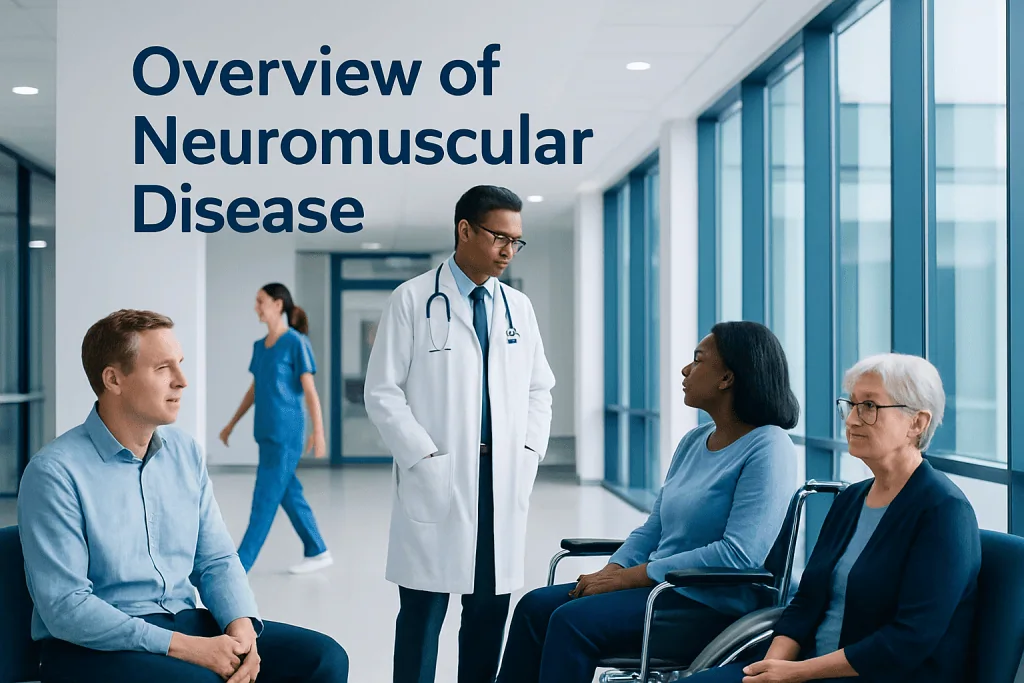
Neuromuscular disease can affect infants, children, teenagers, and adults in different ways. Muscle weakness, fatigue, balance problems, cramps, and swallowing or breathing issues are common warning signs.
Key Takeaways
- Neuromuscular disease can affect infants, children, teenagers, and adults in different ways.
- Muscle weakness, fatigue, balance problems, cramps, and swallowing or breathing issues are common warning signs.
- In children, delayed milestones or trouble keeping up with peers may be early clues.
- In adults, symptoms may begin gradually with falls, hand weakness, numbness, or increasing fatigue.
- Diagnosis often includes a neurological examination, blood tests, imaging, and nerve or muscle studies.
- Treatment focuses on the specific cause and may include medication, rehabilitation, breathing support, and long-term follow-up.
Neuromuscular disease is a broad term for conditions that affect the nerves controlling movement, the connection between nerves and muscles, or the muscles themselves. While children and adults can share symptoms such as weakness and fatigue, the pattern of symptoms, likely causes, and treatment goals often differ by age.
Overview of neuromuscular disease
Neuromuscular disease refers to a group of conditions that interfere with how the nervous system and muscles work together. These disorders may affect the motor neurons, peripheral nerves, neuromuscular junction, or the muscles themselves. Because movement depends on all of these parts functioning properly, a problem in any one area can lead to weakness, fatigue, poor coordination, or loss of muscle function.
The term includes many different diagnoses rather than a single disease. Examples include muscular dystrophies, peripheral neuropathies, myasthenia gravis, inflammatory muscle diseases, and motor neuron disorders. Some are inherited and appear early in life, while others develop later because of autoimmune, metabolic, infectious, or degenerative causes. A related condition such as muscular dystrophy may begin in childhood, whereas some neuropathies or junction disorders are more often recognized in adulthood.
Symptoms can overlap across ages, but the way they appear often differs. A child may be noticed because of delayed sitting, walking, or frequent falls. An adult may first experience hand weakness, trouble climbing stairs, cramping, or worsening endurance. Understanding age-related patterns helps families and clinicians seek evaluation earlier and plan appropriate care.
How symptoms differ in children and adults
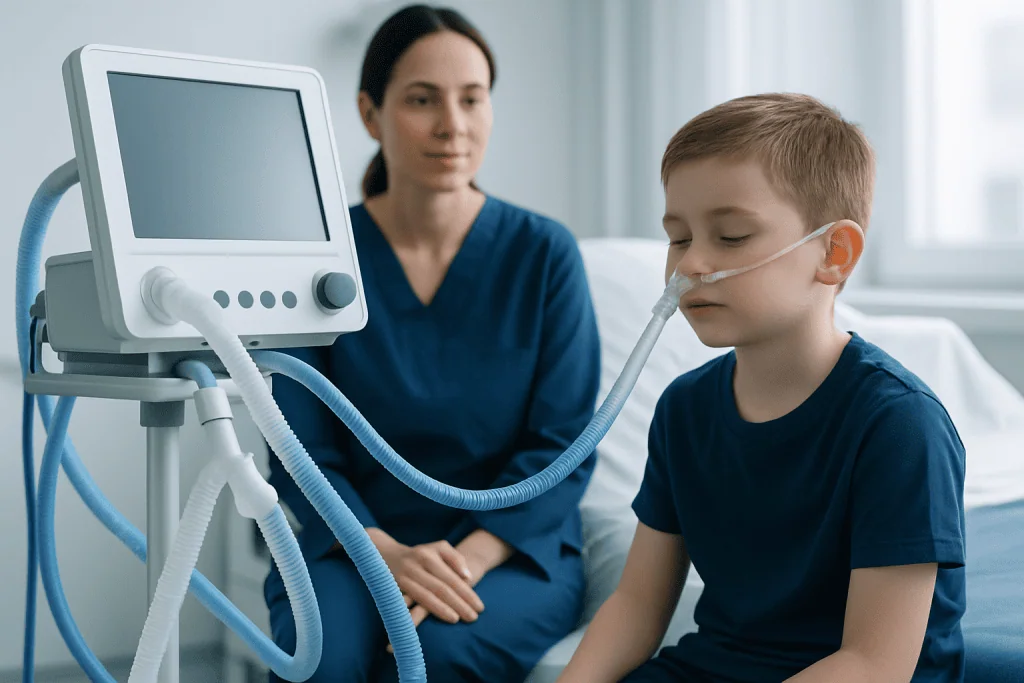
In children, neuromuscular disease often becomes noticeable when developmental milestones are delayed or movement skills do not progress as expected. Parents may observe poor head control in infancy, late walking, toe walking, a waddling gait, or difficulty running, jumping, and climbing. Some children tire quickly during play, have frequent falls, or struggle to rise from the floor. Feeding difficulties, weak cry, or poor weight gain can also be early signs in infants with more severe conditions.
Adults are more likely to describe a gradual change in function rather than a missed milestone. Common complaints include weakness in the hands or feet, tripping, dropping objects, cramps, muscle twitching, numbness, or increasing fatigue with daily activities. Depending on the type of disorder, symptoms may begin in the eyes, face, shoulders, hips, or lower legs. Some adults develop swallowing difficulties, hoarseness, double vision, or shortness of breath, especially when the muscles used for breathing are involved.
The pace of symptom progression can vary widely at any age. Some conditions remain mild and stable for years, while others are progressive and require closer monitoring. Because symptoms may appear gradually and can resemble orthopedic, developmental, or general fatigue problems, specialist assessment is often important when weakness persists or worsens.
- More common clues in children: delayed milestones, poor muscle tone, frequent falls, difficulty keeping up with peers, scoliosis, feeding problems
- More common clues in adults: foot drop, hand weakness, numbness or tingling, exercise intolerance, swallowing changes, muscle cramps or twitching
Causes and risk factors

The causes of neuromuscular disease depend on which part of the nerve-muscle system is affected. In children, inherited genetic conditions are an important cause. These may involve structural muscle proteins, the neuromuscular junction, or the nerves that signal the muscles. Some conditions are present from birth, while others emerge later in childhood or adolescence. A family history of similar symptoms, unexplained weakness, or early mobility loss can be a helpful clue, although a child may also be the first affected person in a family.
In adults, neuromuscular disease may still be genetic, but acquired causes become more common. These include autoimmune conditions, inflammation, diabetes-related nerve damage, vitamin deficiencies, thyroid disease, infections, medication side effects, toxin exposure, and age-related degenerative processes. Adults may also develop disorders in which the immune system disrupts nerve-to-muscle communication, such as myasthenia gravis.
Risk factors vary by diagnosis, so there is no single prevention rule for all neuromuscular diseases. However, certain factors can raise suspicion or influence outcomes, including family history, known autoimmune disease, long-term metabolic disorders, poor nutritional status, and exposure to medications that affect nerves or muscles. Even when no clear risk factor is present, new or persistent weakness should not be ignored.
How doctors diagnose neuromuscular disease
Diagnosis begins with a careful medical history and neurological examination. The doctor asks when symptoms began, how quickly they changed, whether they fluctuate during the day, and whether there are related problems such as numbness, pain, breathing difficulty, swallowing trouble, or family history. In children, the history often includes pregnancy and birth details, feeding, growth, and developmental milestones. In adults, the discussion may include work demands, medication use, past illnesses, and how symptoms affect daily tasks.
The examination looks at muscle strength, tone, reflexes, coordination, sensation, gait, posture, and breathing effort. Depending on the findings, further testing may include blood tests for muscle enzymes and metabolic causes, genetic testing, lung function assessment, and imaging such as MRI scans when needed to evaluate muscles, nerves, or the brain and spine. Some people also need specialized tests such as electromyography and nerve conduction studies to assess how nerves and muscles are functioning.
In selected cases, doctors may recommend a muscle biopsy or additional immune-related testing. Children and adults often benefit from multidisciplinary evaluation because these conditions can affect mobility, breathing, swallowing, growth, and emotional well-being. An accurate diagnosis is important not only to guide treatment but also to help families understand the expected course and available support.
Treatment options and long-term care
Treatment depends on the exact diagnosis, severity of symptoms, and the person’s age and daily needs. Some neuromuscular diseases have disease-specific treatments, while others are managed mainly with supportive care. Options may include medications to reduce inflammation or immune activity, treatments that improve communication between nerves and muscles, nutritional support, respiratory care, and measures to protect bone and joint health.
Rehabilitation is a central part of care for many patients. Tailored physical therapy and rehabilitation can help preserve mobility, prevent contractures, improve balance, and support independence. Occupational therapy may help with hand function, school or workplace adaptations, and energy conservation. Speech and swallowing specialists can assist when eating, voice, or communication are affected.
Breathing and heart monitoring may be especially important in certain inherited muscle diseases and progressive neuromuscular disorders. Some people benefit from assistive devices such as braces, walkers, wheelchairs, or noninvasive breathing support. In adults with nerve involvement, management may overlap with care for peripheral neuropathy if numbness, burning, or balance problems are prominent. Near the end of the care journey, some international patients choose evaluation at centers such as Acibadem International, where multidisciplinary specialists in JCI-accredited hospitals diagnose and treat neuromuscular conditions.
Prevention, self-care, and living well
Not all neuromuscular diseases can be prevented, especially inherited forms. Still, self-care can make a meaningful difference in comfort, function, and quality of life. A balanced routine that includes appropriate activity, planned rest, nutritious meals, hydration, and regular follow-up helps many patients manage fatigue and maintain strength as safely as possible.
Overexertion is usually not helpful, but complete inactivity can also lead to deconditioning. The safest exercise plan is individualized, especially for people with progressive weakness, heart involvement, or breathing limitations. Fall prevention at home, proper footwear, and timely use of mobility aids can reduce injury risk. Adults should also review medications with their doctor, since some drugs may worsen certain neuromuscular conditions.
Families of affected children often need guidance on school participation, physical activity, and emotional support. Genetic counseling may be useful when an inherited diagnosis is suspected or confirmed. Regular assessments of growth, spine alignment, breathing, and nutrition can help prevent complications and maintain participation in everyday life.
When to see a doctor
A medical evaluation is recommended if a child has delayed motor milestones, unusual floppiness, repeated falls, trouble running or climbing stairs, or difficulty feeding. Adults should seek assessment for persistent weakness, tripping, foot drop, hand weakness, unexplained muscle wasting, or increasing fatigue that interferes with daily activities. Symptoms that continue, recur, or slowly worsen should not be dismissed as simple deconditioning.
Urgent medical attention is important if there is new trouble breathing, choking, severe swallowing difficulty, sudden inability to walk, rapidly progressing weakness, or marked changes in speech or facial movement. These symptoms do not always mean a serious emergency, but they require prompt evaluation to protect breathing and nutrition and to identify treatable causes.
Early diagnosis can improve symptom control, support planning, and connect patients with the right specialists sooner. In many cases, timely care also helps preserve mobility, independence, and participation at school, work, and home. Anyone concerned about possible neuromuscular symptoms should speak with a qualified doctor rather than self-diagnosing.
Frequently asked questions
What is considered a neuromuscular disease?
Neuromuscular disease is a broad term for disorders that affect the nerves controlling movement, the connection between nerves and muscles, or the muscles themselves. These conditions can cause weakness, fatigue, cramps, poor coordination, or difficulty with breathing and swallowing.
Are neuromuscular diseases always genetic?
No. Some neuromuscular diseases are inherited, especially those that begin in infancy or childhood, but others are acquired later in life. Autoimmune disease, inflammation, metabolic disorders, infections, and medication-related effects can also play a role.
How do signs in children differ from signs in adults?
Children are more often noticed because of delayed milestones, poor muscle tone, frequent falls, or trouble keeping up with peers. Adults more often report gradual weakness, tripping, hand problems, numbness, cramps, or fatigue during everyday activities.
Can neuromuscular disease affect breathing or swallowing?
Yes, some neuromuscular disorders can weaken the muscles used for breathing, coughing, and swallowing. This is why symptoms such as choking, shortness of breath, weak cough, or recurrent chest infections should be assessed promptly.
What tests are used to diagnose neuromuscular disease?
Doctors may use a neurological examination, blood tests, genetic testing, imaging, and nerve or muscle function tests such as electromyography and nerve conduction studies. The exact combination depends on the symptoms, age of onset, and suspected cause.
Is there a cure for neuromuscular disease?
Some neuromuscular conditions have specific treatments that can improve symptoms or slow progression, while others are managed with supportive care and rehabilitation. Even when a cure is not available, early diagnosis and coordinated care can make a significant difference in function and quality of life.
This article is for general information only and is not a substitute for professional medical advice. Please consult a qualified doctor about your individual situation.
Explore treatments in Turkey — costs, top hospitals & a free quote
JCI-accredited · board-certified surgeons · reply within 24h
Add us as a Preferred Source to see more of our trusted health content across Google Search, AI Overviews and Discover.

More from the Health Library

The Most Common Neuromuscular Diseases Explained

Peripheral Nerve Entrapment: Symptoms, Diagnosis, and When Surgery Is Considered

Peripheral Neuropathy After Infection: When Numbness and Weakness Need Urgent Evaluation

Nervous System Disorders That Affect Muscles: How Doctors Narrow the Diagnosis

Numbness, Burning, and Balance Problems: Signs of Peripheral Nerve Disease