Peripheral Neuropathy After Infection: When Numbness and Weakness Need Urgent Evaluation

Numbness and tingling after an infection may arise from inflammation affecting peripheral nerves, but other causes must also be considered. Weakness that progresses over hours or days, trouble walking, facial weakness, breathing difficulty, or swallowing problems need urgent evaluation.
Key Takeaways
- Numbness and tingling after an infection may arise from inflammation affecting peripheral nerves, but other causes must also be considered.
- Weakness that progresses over hours or days, trouble walking, facial weakness, breathing difficulty, or swallowing problems need urgent evaluation.
- Guillain-Barré syndrome is an uncommon but important immune-mediated cause of rapidly progressive weakness after an infection.
- Diagnosis may include a neurological examination, blood tests, nerve conduction studies, electromyography, spinal fluid testing, and imaging when appropriate.
- Treatment depends on the cause and may involve hospital monitoring, immune therapy, pain management, rehabilitation, and treatment of an underlying infection or medical condition.
- Early medical attention can help identify serious complications and support recovery safely.
Peripheral neuropathy after infection describes nerve symptoms that develop during or after an illness, including tingling, numbness, pain, weakness, or balance changes. While many causes are treatable, new or rapidly progressing weakness requires prompt medical assessment because some post-infectious nerve conditions can affect breathing, swallowing, or movement.
Overview: What Is Peripheral Neuropathy After Infection?
Peripheral neuropathy is a problem affecting the peripheral nerves: the network of nerves outside the brain and spinal cord. These nerves carry sensation from the skin and muscles to the brain and send signals that control movement, reflexes, and some automatic body functions. When they are irritated, inflamed, injured, or not working properly, a person may notice tingling, burning pain, numbness, weakness, or unsteadiness.
Symptoms can sometimes begin during an infection or in the days to weeks afterward. An infection may trigger an immune response that mistakenly affects peripheral nerves, or it may be associated with inflammation, nutritional problems, medication effects, or an infection that directly involves nerve tissue. In other situations, symptoms that seem linked to a recent illness may instead be due to diabetes, vitamin deficiency, alcohol use, thyroid disease, pressure on a nerve, or another condition.
A particularly important post-infectious condition is Guillain-Barré syndrome, in which the immune system attacks peripheral nerves. It is uncommon, but it can progress quickly and needs urgent medical care. Not every case of tingling after a viral illness indicates Guillain-Barré syndrome; however, new weakness or symptoms that are spreading should never be ignored.
Symptoms and Warning Signs
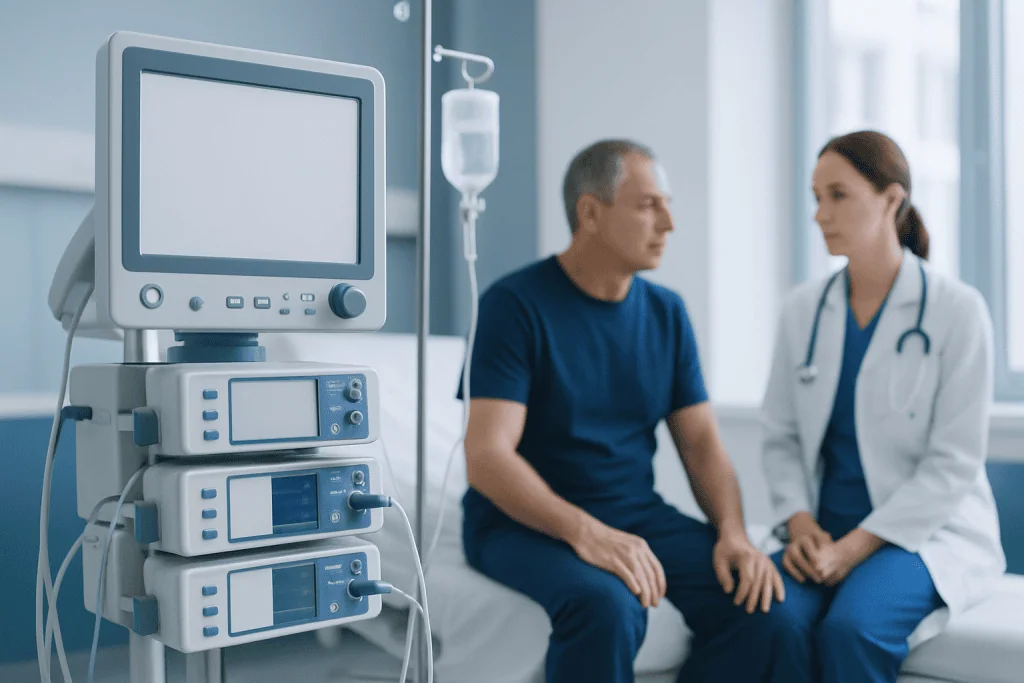
Symptoms vary according to which nerves are involved. Sensory nerve symptoms may include pins and needles, reduced feeling, burning or shooting pain, increased sensitivity to touch, or a feeling that the feet or hands are asleep. Symptoms often start in the toes or fingers and may gradually move upward, although patterns differ between conditions.
Motor nerve involvement can cause muscle weakness, heaviness in the legs, difficulty climbing stairs, trouble rising from a chair, reduced grip strength, foot drop, or problems walking. Reflexes may become reduced or absent. Some people also develop problems with balance because they cannot clearly sense the position of their feet and legs.
Autonomic nerves control functions such as heart rate, blood pressure, sweating, bladder function, and digestion. Their involvement can cause dizziness on standing, palpitations, abnormal sweating, constipation, urinary retention, or blood-pressure changes. These symptoms are especially important to report when they occur alongside weakness.
Urgent assessment is needed for weakness that develops or worsens rapidly; weakness moving upward from the legs; difficulty walking; facial drooping or weakness; trouble speaking, chewing, swallowing, or breathing; severe dizziness or fainting; or inability to pass urine. Emergency services should be contacted immediately for breathing difficulty, choking, blue lips, sudden severe weakness, or rapidly worsening symptoms.
Causes and Risk Factors
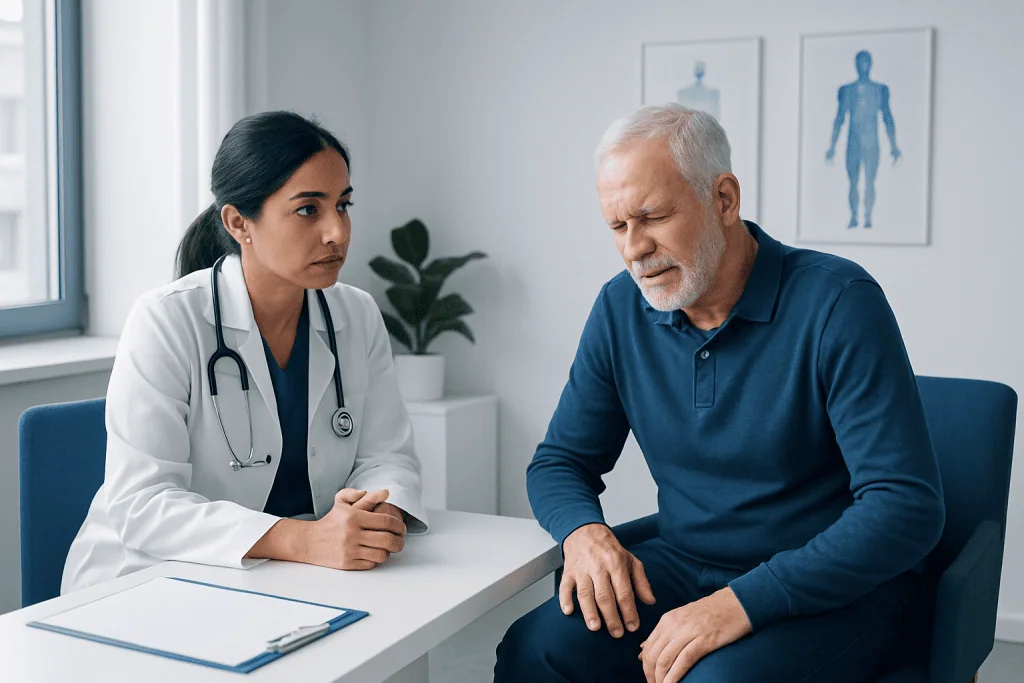
Many infections can precede peripheral nerve symptoms. Respiratory illnesses, stomach and intestinal infections, influenza-like illnesses, and some viral or bacterial infections have all been associated with post-infectious nerve inflammation. In Guillain-Barré syndrome, the infection has often already improved by the time weakness starts. The immune response, rather than the ongoing infection itself, is thought to damage nerve coverings or nerve fibers.
Some infections can directly affect nerves or nerve roots. For example, shingles may cause a painful rash and nerve pain, and certain tick-borne, viral, or bacterial infections may produce neurological symptoms. The pattern of symptoms, travel history, insect or animal exposures, fever, rash, immune status, and recent medications can help clinicians identify possible causes.
It is also important not to assume that infection is the only explanation. Diabetes and prediabetes, vitamin B12 deficiency, kidney disease, thyroid disorders, autoimmune diseases, alcohol-related nerve injury, some medications, toxin exposure, inherited neuropathies, and nerve compression can cause similar symptoms. A recent infection may be a trigger, a coincidence, or one part of a more complex medical picture.
Risk is not always predictable. People with a weakened immune system, nutritional deficiencies, chronic illness, or previous neurological disease may need especially careful assessment, but post-infectious neuropathy can also occur in otherwise healthy people. Vaccination, when medically appropriate, can help reduce the risk of several infections that may lead to neurological complications.
How Doctors Diagnose the Cause
Diagnosis begins with a detailed history and neurological examination. A clinician will ask when symptoms began, whether they are worsening, which body areas are affected, and whether there was a recent infection, diarrhea, fever, rash, vaccination, new medication, travel, or exposure to toxins. Testing strength, sensation, coordination, walking, reflexes, and cranial nerve function helps define the pattern of nerve involvement.
Blood tests may check for diabetes, vitamin deficiencies, thyroid or kidney problems, inflammation, autoimmune markers, and selected infections when clinically indicated. These tests can identify common, treatable contributors to neuropathy and help distinguish post-infectious nerve disease from other conditions.
Nerve conduction studies and electromyography, often called EMG, measure how electrical signals travel through nerves and muscles. They can help show whether the problem primarily affects nerve insulation, called myelin, or the nerve fibers themselves. In suspected Guillain-Barré syndrome, a spinal fluid test may also be recommended, although results can be normal early in the illness.
Imaging such as MRI is not required for every person with neuropathy, but it may be used to exclude conditions affecting the brain, spinal cord, or nerve roots. Rapid symptoms, marked weakness, or breathing and swallowing concerns may require hospital observation, repeated neurological examinations, and monitoring of respiratory function.
Treatment Options and Recovery Support
Treatment is based on the cause, severity, and speed of progression. If a specific infection is still active and requires treatment, clinicians will address it with the appropriate therapy. When an immune-mediated neuropathy such as Guillain-Barré syndrome is suspected, hospital care may be necessary so breathing, heart rhythm, blood pressure, swallowing, and muscle strength can be monitored closely.
For Guillain-Barré syndrome and some other inflammatory neuropathies, doctors may use immune therapies such as intravenous immunoglobulin or plasma exchange. These treatments are selected according to the clinical situation and are most helpful when used at the appropriate time. Corticosteroids are not effective for typical Guillain-Barré syndrome, although they may be used for certain other nerve conditions.
Nerve pain can often be eased with medications chosen by a doctor, alongside sleep support and gentle activity adjustments. Physical therapy and occupational therapy can help preserve movement, improve safety, build strength during recovery, and support day-to-day activities. Rehabilitation may include balance training, walking aids when needed, hand-function exercises, and strategies to prevent falls.
Recovery is highly individual. Some people improve steadily over weeks or months, while others recover more slowly or have lasting symptoms. Follow-up is important because continuing progression beyond the expected course, recurrent symptoms, or a lack of improvement may suggest a different diagnosis or a need to adjust the care plan.
Prevention and Safe Self-Care
Not every case of post-infectious neuropathy can be prevented, but reducing the chance of infections and managing health conditions that can affect nerves are practical steps. Hand hygiene, food safety, recommended vaccinations, good diabetes management, balanced nutrition, and limiting alcohol can all support nerve health. People who follow restrictive diets or have digestive conditions should discuss possible vitamin deficiencies with a clinician.
For mild, stable tingling without weakness, keeping a symptom record can be useful. Note the date symptoms started, areas affected, progression, pain level, recent illnesses, medications, and any changes in walking or hand function. This information can help a clinician recognize patterns and decide which tests are needed.
Until the cause is clear, it is sensible to protect areas with reduced sensation. Checking the feet and hands for cuts, burns, blisters, or pressure injuries can prevent unnoticed damage. Supportive footwear, adequate lighting at home, and avoiding walking barefoot may reduce fall and injury risk when numbness affects the feet.
Self-treatment should not delay assessment for new weakness, spreading numbness, or changes in breathing and swallowing. Over-the-counter supplements, particularly high-dose vitamin products, are not a substitute for diagnosis and may be unsuitable for some people. A clinician can advise whether a supplement is needed and whether it could interact with other treatments.
When to See a Doctor
A medical appointment should be arranged promptly for new numbness, tingling, burning pain, or weakness that begins after an infection, particularly if symptoms are symmetrical, moving upward, affecting both feet or hands, or interfering with daily activities. Early assessment is also appropriate for persistent symptoms that do not improve after the illness has resolved.
Same-day urgent evaluation is appropriate if weakness is getting worse over hours or days, walking becomes difficult, the face feels weak, speech changes, swallowing is difficult, or there are episodes of faintness and major palpitations. These symptoms can indicate significant nerve involvement and may need close monitoring.
Emergency care is essential for shortness of breath, inability to take a full breath, choking, difficulty clearing secretions, rapidly spreading weakness, severe trouble standing, or loss of bladder control with new leg weakness. These symptoms do not confirm one diagnosis, but they require immediate evaluation to protect breathing and other vital functions.
For international patients, Acibadem International’s multidisciplinary specialists and JCI-accredited hospitals can assess and treat peripheral nerve disorders, including cases requiring neurological testing, inpatient monitoring, and rehabilitation. The most appropriate care plan should always be determined after an individual medical evaluation.
Frequently asked questions
Can an infection cause peripheral neuropathy?
Yes. Some infections can directly affect nerves, while others can trigger an immune response that causes inflammation or damage to peripheral nerves. Symptoms may begin during an illness or after the infection appears to have improved, so a recent infection should be mentioned during medical assessment.
How soon can neuropathy start after an infection?
Timing varies depending on the infection and the underlying mechanism. Symptoms may occur during the infection, shortly afterward, or several days to weeks later. Rapidly developing or worsening weakness needs urgent evaluation regardless of the timing.
Is tingling after a viral infection always Guillain-Barré syndrome?
No. Tingling can have many causes, including temporary irritation, vitamin deficiencies, diabetes, medication effects, anxiety, nerve compression, and other neurological conditions. Guillain-Barré syndrome is uncommon, but it must be considered when tingling is accompanied by progressive weakness, reduced reflexes, walking difficulty, or breathing and swallowing symptoms.
What are the first warning signs of Guillain-Barré syndrome?
Early symptoms often include tingling or altered sensation in the feet and hands, followed by weakness that may start in the legs and spread upward. Some people experience back or limb pain, difficulty walking, facial weakness, or reduced reflexes. Because progression can be fast, new or increasing weakness should be assessed urgently.
Can peripheral neuropathy after infection go away?
Many people improve, particularly when the underlying cause is identified and treated early. Recovery may take weeks to months, and some individuals need rehabilitation or ongoing treatment for pain, weakness, or balance problems. The outlook depends on the specific type and severity of nerve involvement.
Should a person exercise with post-infectious neuropathy?
Gentle movement may be helpful for some people, but exercise should match their strength, balance, and diagnosis. Someone with new or worsening weakness should seek medical advice before starting an exercise program. Physical therapists can design a safe plan when rehabilitation is needed.
This article is for general information only and is not a substitute for professional medical advice. Please consult a qualified doctor about your individual situation.
Peripheral Neuropathy in Turkey — costs, top hospitals & a free quote
JCI-accredited · board-certified surgeons · reply within 24h
Add us as a Preferred Source to see more of our trusted health content across Google Search, AI Overviews and Discover.
Check your numbers in seconds
BMI, calories, due date, blood pressure and 30+ more clinical calculators — free, instant, doctor-reviewed ranges.

Physical Medicine & Rehabilitation
Restoring movement and function after injury, surgery or neurological conditions.
152 specialists in this unitMore from the Health Library

What Is the Most Common Neuromuscular Disease?
Can Neuromuscular Disease Be Fatal? When Weakness Becomes a Medical Emergency
Which Conditions Are Neuromuscular Diseases? Common Examples Explained
Numbness and Tingling: When Symptoms Suggest a Neuromuscular Disorder
Muscle Wasting and Foot Drop: Causes That Need a Neuromuscular Workup