Numbness, Burning, and Balance Problems: Signs of Peripheral Nerve Disease

Peripheral nerve disease commonly causes tingling, numbness, burning pain, and weakness in the hands or feet. Diabetes is a common cause, but vitamin deficiencies, infections, autoimmune conditions, medications, and nerve compression can also contribute.
Key Takeaways
- Peripheral nerve disease commonly causes tingling, numbness, burning pain, and weakness in the hands or feet.
- Diabetes is a common cause, but vitamin deficiencies, infections, autoimmune conditions, medications, and nerve compression can also contribute.
- Diagnosis usually includes a medical history, neurological examination, blood tests, and sometimes nerve conduction studies or imaging.
- Treatment focuses on the cause, symptom relief, protecting affected nerves, and improving safety and function.
- Persistent numbness, worsening weakness, severe pain, or new balance problems should be evaluated by a doctor.
Peripheral nerve disease affects the nerves outside the brain and spinal cord. It can lead to numbness, burning pain, weakness, and balance difficulties, but treatment often improves symptoms and helps address the underlying cause.
Overview
Peripheral nerve disease is a broad term for conditions that damage or disrupt the peripheral nerves. These nerves carry signals between the brain and spinal cord and the rest of the body, including the skin, muscles, and internal organs. When they do not work properly, a person may notice changes in sensation, movement, or automatic body functions such as sweating or blood pressure control.
Many people know this problem as peripheral neuropathy. Symptoms often begin gradually in the feet and legs and may later affect the hands. Some people describe a “pins and needles” feeling, while others notice burning pain, reduced sensation, clumsiness, or trouble keeping balance, especially in the dark or on uneven ground.
Peripheral nerve disease is not a single illness. Instead, it is a pattern of nerve dysfunction that can happen for many different reasons. Identifying the cause is important because some forms can improve or stabilize when treated early, while others need long-term symptom management and follow-up.
Symptoms of Peripheral Nerve Disease
Symptoms depend on which nerves are affected. Sensory nerves carry information about touch, temperature, vibration, and pain. Damage to these nerves may cause numbness, tingling, burning, electric-shock sensations, increased sensitivity to touch, or reduced ability to feel heat, cold, or injury. Many people notice symptoms starting in the toes and moving upward in a “stocking” pattern.
When motor nerves are involved, muscles may become weak or cramp easily. A person may have trouble lifting the front of the foot, climbing stairs, opening jars, buttoning clothes, or maintaining grip strength. If coordination becomes affected, walking may feel unsteady and falls may become more likely.
Autonomic nerve involvement can cause a different group of symptoms. These may include dizziness on standing, abnormal sweating, digestive problems such as constipation or diarrhea, bladder difficulties, or sexual dysfunction. Some forms of peripheral nerve disease mainly affect one nerve, while others involve many nerves on both sides of the body.
- Numbness or reduced sensation in the feet or hands
- Burning, stabbing, or shooting pain
- Tingling or “pins and needles”
- Muscle weakness or loss of coordination
- Balance problems and frequent tripping
- Changes in sweating, digestion, or bladder function
Causes and Risk Factors

There are many possible causes of peripheral nerve disease. Diabetes is one of the most common. Long-term high blood sugar can injure nerves over time, especially in the feet. Other metabolic problems, such as kidney disease, thyroid disorders, and vitamin deficiencies, especially low vitamin B12, may also affect nerve health.
Nerve damage can also develop after infections, autoimmune disorders, exposure to toxins, alcohol misuse, or as a side effect of some medications, including certain chemotherapy drugs. In other cases, a nerve is damaged by physical pressure or injury, such as in carpal tunnel syndrome or after trauma. Hereditary nerve disorders may run in families, and sometimes no clear cause is found despite careful testing.
Risk factors include older age, diabetes, poor nutrition, alcohol overuse, chronic medical illness, and repeated pressure on a nerve from work or posture. Because symptoms can overlap with other conditions affecting the brain, spinal cord, or muscles, a proper medical evaluation helps clarify whether the problem is truly peripheral nerve disease or another neurological condition.
How Doctors Diagnose It
Diagnosis begins with a detailed history. The doctor asks when symptoms started, whether they are getting worse, which parts of the body are affected, and whether there is pain, weakness, or balance difficulty. Medical history is also important, including diabetes, alcohol use, medications, family history, infections, autoimmune disease, or prior injuries.
A neurological examination can show patterns of sensory loss, reduced reflexes, muscle weakness, or poor coordination. The location and distribution of symptoms often provide clues to the cause. For example, widespread symptoms in both feet may suggest a generalized neuropathy, while symptoms in one hand may point to a compressed nerve.
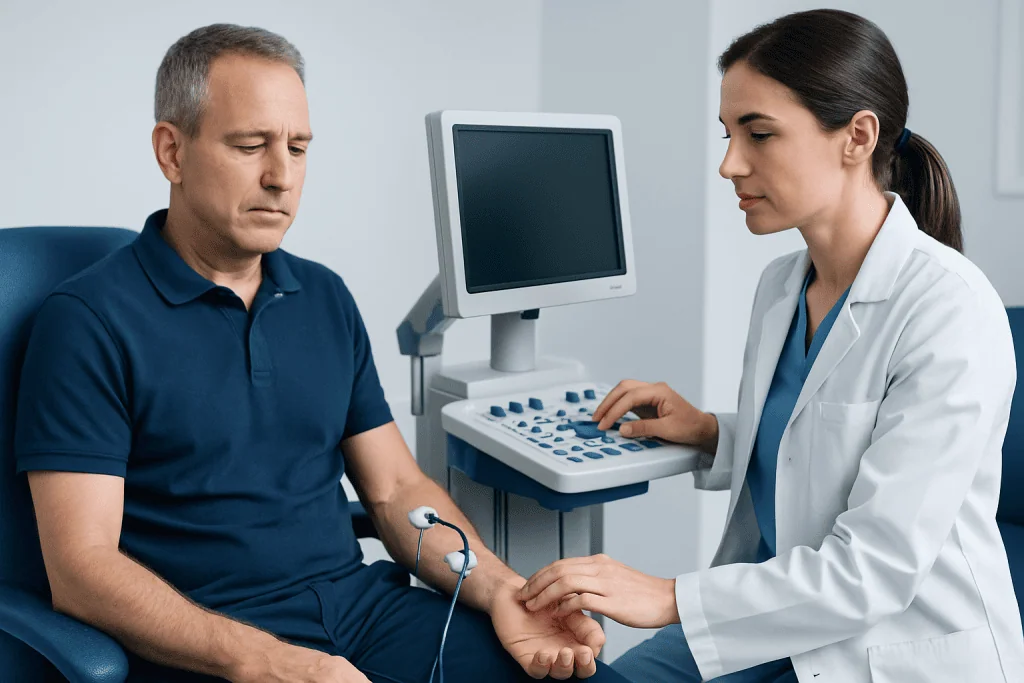
Further tests may include blood tests to look for diabetes, vitamin deficiency, thyroid disease, inflammation, infection, kidney problems, or immune-related causes. Nerve conduction studies and electromyography can help assess how well the nerves and muscles are working. In selected cases, imaging such as MRI scan may be used to look for nerve compression or conditions involving the spine, and EMG testing can provide more detail about the pattern of nerve involvement.
Some patients need additional testing, such as skin biopsy for small fiber neuropathy, genetic testing, or autonomic function tests. The goal is not only to confirm nerve damage but also to find a treatable cause and rule out related conditions such as multiple sclerosis or a spinal nerve problem.
Treatment Options
Treatment depends on the cause, the nerves involved, and how severe the symptoms are. When an underlying condition can be corrected or controlled, this is a key part of treatment. Examples include improving blood sugar control in diabetes, replacing a vitamin deficiency, treating an infection, adjusting a medication that may be contributing, or relieving physical nerve compression.
Symptom relief is also important. Doctors may recommend medications that help neuropathic pain, along with a plan to improve sleep, mobility, and daily function. Physical therapy can help maintain strength, flexibility, and balance. Occupational therapy may help a person adapt tasks at home or work if hand function is affected.
For some patients, treatment focuses on a compressed or injured nerve. This may involve splints, activity changes, injections in selected cases, or surgery if there is significant pressure on the nerve. If symptoms are linked to a spine-related cause or severe nerve entrapment, doctors may consider further evaluation and individualized procedures. Rehabilitation can play a major role in improving confidence and reducing fall risk.
Near the end of the diagnostic and treatment journey, some people benefit from care in a multidisciplinary center. Acibadem International’s multidisciplinary specialists and JCI-accredited hospitals evaluate and treat peripheral nerve disorders for international patients, including advanced testing such as neurology consultation when a detailed specialist assessment is needed.
Prevention and Self-Care
Not every form of peripheral nerve disease can be prevented, but healthy habits can reduce risk and help protect nerve function. Good control of diabetes and other chronic conditions is especially important. A balanced diet with enough vitamins, limiting alcohol, staying physically active, and avoiding toxin exposure all support overall nerve health.
Foot care matters greatly when sensation is reduced. A person may not feel a blister, cut, or pressure area, so regular skin checks are helpful. Comfortable, well-fitting shoes and careful nail care can reduce injury risk. People with balance symptoms may also benefit from removing trip hazards at home, using handrails, and improving lighting.
Self-care also includes pacing activities and protecting areas with reduced sensation from heat, cold, and repetitive pressure. Stretching, gentle exercise, and prescribed therapy exercises may improve mobility and confidence. Even when symptoms cannot be fully reversed, consistent self-care often helps preserve function and quality of life.
When to See a Doctor
It is sensible to seek medical advice for persistent numbness, tingling, burning pain, or unexplained weakness, especially if symptoms are spreading or interfering with walking, work, sleep, or daily tasks. Early evaluation can identify treatable causes before nerve damage becomes more advanced.
More urgent assessment is needed if symptoms come on suddenly, if weakness is rapidly worsening, or if there is new difficulty walking, holding objects, or controlling the bladder or bowels. Severe pain, falls, or sores on numb feet also deserve prompt attention. These symptoms do not always mean a serious emergency, but they should not be ignored.
If the diagnosis is unclear, a neurologist or neuromuscular specialist may recommend further testing to better define the pattern of nerve involvement. Clear diagnosis helps guide treatment, set realistic expectations, and support long-term symptom management.
Frequently asked questions
Is peripheral nerve disease the same as peripheral neuropathy?
These terms are often used interchangeably. Both usually refer to damage or dysfunction of the peripheral nerves, which can affect sensation, movement, or automatic body functions.
Can peripheral nerve disease be reversed?
Sometimes it can improve, especially if the cause is found early and treated. Recovery depends on the reason for the nerve damage, how long it has been present, and how severely the nerves are affected.
Does peripheral nerve disease always start in the feet?
It often begins in the feet because the longest nerves in the body are especially vulnerable. However, some forms affect the hands first, involve one isolated nerve, or cause symptoms in other areas depending on the cause.
What does nerve pain feel like?
People often describe nerve pain as burning, stabbing, shooting, tingling, or electric-like. Some also notice increased sensitivity, where light touch or bed sheets feel uncomfortable.
Can balance problems be caused by nerve damage?
Yes. When the nerves in the feet and legs do not send clear sensory information to the brain, walking may feel less stable. Weakness and reduced coordination can add to the problem, especially in low light or on uneven surfaces.
Which doctor treats peripheral nerve disease?
A primary care doctor may begin the evaluation, especially if diabetes or vitamin deficiency is suspected. Many patients are also referred to a neurologist, and some may benefit from a neuromuscular specialist, rehabilitation physician, or pain specialist depending on their symptoms.
References
- National Institute of Neurological Disorders and Stroke
- National Institute of Diabetes and Digestive and Kidney Diseases
- Mayo Clinic
- National Health Service
- American Academy of Neurology
This article is for general information only and is not a substitute for professional medical advice. Please consult a qualified doctor about your individual situation.
Peripheral Nerve in Turkey — costs, top hospitals & a free quote
JCI-accredited · board-certified surgeons · reply within 24h
Add us as a Preferred Source to see more of our trusted health content across Google Search, AI Overviews and Discover.
Check your numbers in seconds
BMI, calories, due date, blood pressure and 30+ more clinical calculators — free, instant, doctor-reviewed ranges.