

Can You Fly Alone After Treatment in Turkey? A Patient Readiness Guide

Sometimes, yes. You can usually fly home alone if your treating doctor clears you, your symptoms are stable, and you can realistically manage a full travel day — walking, queues, luggage, medication and toilet needs — without physical help. Ask your team for fit-to-fly advice and written travel guidance before booking, and pre-book airport assistance if you need it.
You are looking at flights home and wondering: can you really do this journey on your own? The safest answer is that you can fly alone after treatment in Turkey only if your medical team says you are ready and the practical side of the trip is manageable for you.
This guide helps you judge that readiness honestly. It walks through how to assess your own condition, what airlines and airports expect, and how to plan a smoother return home.
At a glance
- Best short answer: You may be able to fly alone if your doctor clears you, your symptoms are stable, and you can manage the journey safely.
- Most important check: Ask your treating team for fit-to-fly advice and written travel guidance before booking your return.
- Common deciding factors: Mobility, pain control, bleeding risk, medications, drains or dressings, and the length of your flight.
- Extra support available: Airlines and airports can often arrange wheelchair, escort, and priority assistance if requested in advance.
- When not to travel alone: If you feel faint, confused, very weak, short of breath, or unable to manage your luggage, medication, or toilet needs independently.
The short answer: sometimes, but not always
Whether you can fly alone after treatment in Turkey depends less on the country and more on your personal recovery, the type of treatment you had, and how well you can cope with a full travel day. Even if you feel eager to go home, airports involve walking, queues, waiting, security checks, carrying documents, and dealing with unexpected delays. A journey that looks simple on paper can feel much harder when you are tired or sore.
Your treating team should be your first source of advice. They understand your procedure, how your recovery has progressed, whether you have any restrictions, and what warning signs matter in your case. If you are receiving care through a large international provider such as Acibadem International, the patient services team can also help coordinate travel timing, interpreter support, paperwork, and practical arrangements around discharge.
It is also important to separate “allowed to board a plane” from “comfortable and safe to travel alone.” You might technically be fit to fly but still benefit from a companion if you need help with medication timing, luggage, dressing changes, stairs, or simply managing fatigue. Choosing support is not a setback; it is often the safest and least stressful option.
What your doctor will usually consider before clearing you to fly
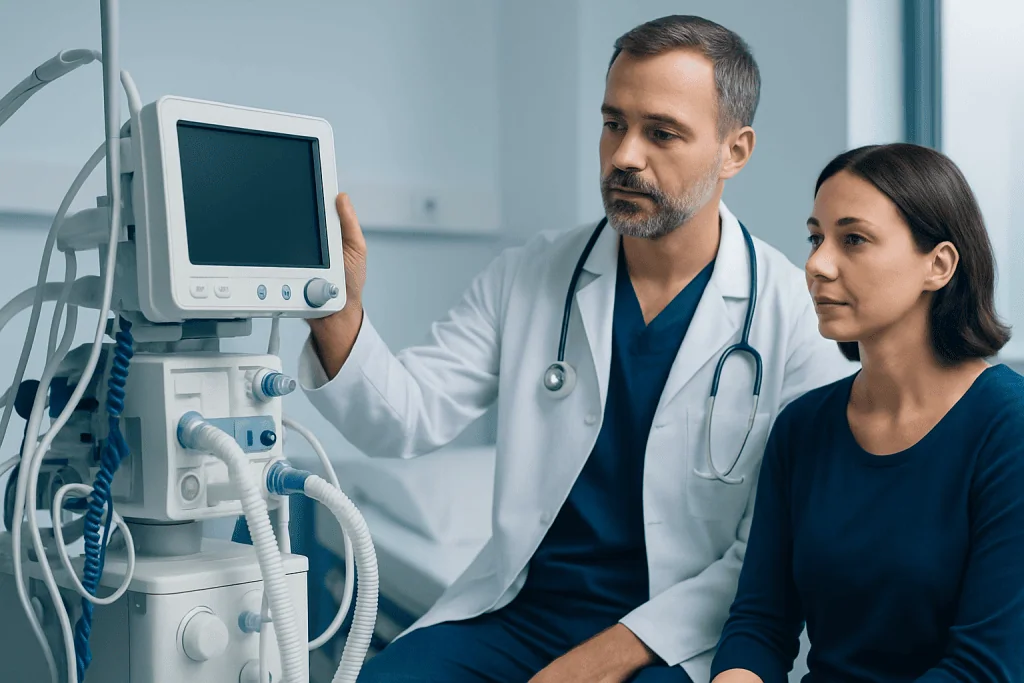
Medical clearance to travel often depends on a few practical questions: Is your pain reasonably controlled? Are your vital signs stable? Are you eating, drinking, urinating, and moving around safely? Do you have any signs of infection, active bleeding, severe swelling, dizziness, or breathing problems? These are the kinds of issues that can turn travel into a risk.
Your doctor may also consider the type of treatment you had and how recently it was done. Recovery expectations differ after a minimally invasive procedure, a major operation, imaging under sedation, dental treatment, orthopedic care, cosmetic surgery, or cancer-related treatment. If you have drains, catheters, compression garments, casts, stitches, or fresh wounds, you may need more planning before a solo journey is sensible.
Another factor is clot risk and circulation during air travel. Long periods of sitting can be uncomfortable after treatment and may be a concern for some patients, especially after surgery or when mobility is reduced. Your team may advise walking breaks, hydration, compression measures, or a delay before travel depending on your situation.
If you are being treated at Acibadem International, ask for discharge instructions in a format you can easily carry and understand. This is especially helpful if you need to explain your condition, medication, or devices at the airport or to your airline.
How to judge if you can manage the journey by yourself

Try to imagine your trip door to door, not just the time in the air. Can you get from your accommodation to the airport, check in, stand at security, walk to the gate, board, use the toilet on the plane, collect your bags, clear passport control, and get home at the other end without relying on someone physically supporting you? If the honest answer is no, travelling alone may not be your best option yet.
Mobility is one of the clearest signs of readiness. If you need help standing up, cannot walk moderate distances, struggle with stairs, or become exhausted after a short effort, you should consider wheelchair assistance or a travel companion. The same applies if you are taking sedating pain medicines, feel groggy, or have limited use of one arm or leg.
Think about your ability to manage essentials independently. Can you keep track of your passport, boarding pass, phone, medications, discharge papers, and any medical devices? Can you respond if your flight is delayed or your gate changes? Solo travel after treatment is usually most realistic when you are medically stable and mentally sharp enough to solve small travel problems without becoming overwhelmed.
Airline, airport, and paperwork details that matter
Different airlines have different rules for passengers returning after medical treatment. Some may ask for a fit-to-fly note, especially after recent surgery, hospitalization, reduced mobility, oxygen needs, visible dressings, or if you require special assistance onboard. It is best to contact the airline before your travel date rather than assume normal rules apply to you.
Ask specifically about wheelchair assistance, early boarding, extra legroom options, help during transfers, and whether you can carry medically necessary liquids or supplies in your hand luggage. If you have implants, metal devices, syringes, dressings, stoma supplies, or prescribed injectable medication, keep a doctor’s letter with you. This can make security screening much smoother.
Your discharge file should ideally include a treatment summary, current medication list, follow-up instructions, and emergency advice. Keep these papers in your cabin bag, not in checked luggage. If your care was coordinated through Acibadem International, the international patient team can often help you organize medical reports and practical discharge documents in a way that is easier for cross-border travel.
If you have a connecting flight, remember that self-transfer can be much more demanding than a direct route. A direct flight is often the better choice after treatment because it reduces walking, waiting, and the chance of missed connections or baggage issues.
Warning signs that mean you should not plan a solo flight yet
You should pause and speak to your medical team urgently if you have chest pain, shortness of breath, heavy bleeding, worsening swelling, fever, fainting, severe uncontrolled pain, confusion, or vomiting. These are not “push through the airport” symptoms. They need medical review before any travel decision is made.
Less dramatic problems can also make solo flying unrealistic. These include not sleeping well because of pain, needing frequent help to get up, struggling to eat or drink, not understanding your medication schedule, or feeling too anxious to cope with a long journey alone. If you cannot reliably look after yourself for a full day, you should not expect to manage an international airport smoothly.
You may also need extra caution if your treatment affects vision, balance, continence, speech, arm strength, or concentration. Even when recovery is progressing normally, these issues can increase the practical risks of travelling alone. In these situations, a companion or formal airport assistance can make a major difference to safety and confidence.
How to make a solo return safer and easier if you are cleared to travel
If your doctor says you can travel alone, set yourself up for the easiest possible journey. Choose a direct daytime flight if available, arrive early, request assistance in advance, and pack light. A cabin-sized rolling bag is usually easier to manage than multiple heavy items, and a small cross-body bag can keep your documents and medication within easy reach.
Keep your essential medications, water bottle if permitted after security, snacks, phone charger, compression items if advised, and treatment papers in your hand luggage. Wear loose, comfortable clothes and shoes that are easy to put on and remove. If your team has advised you to walk during the journey, choose seating that makes it easier for you to get up safely.
Let someone know your full itinerary and check-in times. It helps to have a named contact both in Turkey and at home. Acibadem International patients often find it reassuring to confirm discharge timing, transfer arrangements, and follow-up contact details with the international patient services team before leaving for the airport.
Finally, do not rush your departure day. Build in time for traffic, longer security lines, and rest breaks. A calmer travel plan is not just more comfortable; it reduces the chance that fatigue or overexertion will trigger problems during your journey home.
What to plan for after you land home
Being able to board a plane does not mean recovery is over. Before you leave Turkey, make sure you know what follow-up is needed, who to contact if you have concerns, and what symptoms require urgent attention. Save important phone numbers in your phone and keep written instructions in your bag in case your battery runs low.
Arrange help at the other end if possible, even if you travel alone. Someone meeting you at arrivals, driving you home, helping with groceries, or staying the first night can make recovery more comfortable. This is especially useful if you are tired, sore, or adjusting to time zone changes after treatment.
Ask when you can return to normal activity, work, exercise, showering, and any wound care routine. If your care provider offers remote follow-up, use it. Large international centers such as Acibadem International often support post-discharge communication for international patients, which can be helpful if you have questions once you are back home.
Step by step
- Ask for a clear fit-to-fly opinion. Before you confirm your return, ask your treating doctor whether you are medically safe to fly and whether flying alone is reasonable in your case. Request written advice, especially if you had surgery, sedation, mobility limits, or need medication or medical supplies during travel.
- Map your journey door to door. Look beyond the flight itself and plan every stage from hospital or hotel pickup to arriving home. This helps you spot where you may need support, such as stairs, long walks, baggage handling, or a late-night arrival.
- Check airline and airport assistance early. Contact the airline as soon as possible to ask about medical clearance requirements and mobility assistance. Pre-booking wheelchair or escort help is usually much easier than trying to arrange it on the day.
- Pack for access, not just convenience. Keep your passport, phone, charger, medication, medical letters, and discharge summary in your hand luggage. Avoid heavy bags and pack so that the items you may need mid-journey are easy to reach without lifting or stretching.
- Have a backup person and emergency plan. Share your itinerary with a family member or friend and set times to check in during the trip. Save your hospital contact, airline number, accommodation details, and emergency contacts so you can quickly get help if plans change.
- Be honest on the day of travel. If you wake up with new pain, bleeding, breathlessness, fever, or feel much weaker than expected, do not force the journey. Contact your care team first, because a delayed flight is far safer than travelling while unwell.
Your checklist
- Doctor or care team has said you are fit to travel
- You can walk or transfer safely, with assistance booked if needed
- Pain, nausea, and dizziness are under reasonable control
- You understand your medication schedule for travel day
- Medical letters, discharge summary, and prescriptions are in your cabin bag
- Airline has been informed if you need special assistance or carry medical supplies
- You have arranged airport transfer and someone knows your itinerary
- You have water, snacks, charger, and essential comfort items for the journey
Key takeaways
- You may be able to fly alone after treatment in Turkey, but only if your doctor clears you and you can manage the journey safely.
- The main issues are stability, mobility, pain control, paperwork, and the practical demands of airports and flights.
- Direct flights, advance assistance, light packing, and clear discharge documents can make solo travel much easier.
- Do not travel alone if you have warning signs such as breathlessness, bleeding, severe pain, fever, or confusion.
- Follow-up planning matters as much as departure planning, especially once you arrive home.
Frequently asked questions
How soon after treatment in Turkey can you fly home alone?
There is no single timeline that applies to everyone. The right timing depends on your treatment, your recovery speed, whether you had anesthesia or surgery, and whether you can move around and manage yourself safely during the trip. Always follow the advice of your treating team rather than a fixed online timeframe.
Do airlines ask for a fit-to-fly letter after treatment?
Sometimes they do, especially after recent surgery, hospitalization, reduced mobility, oxygen use, or when visible medical equipment is involved. Even if your airline does not require one, carrying a medical letter and discharge summary is still a good idea in case questions come up at check-in or security.
Can I travel alone if I need a wheelchair at the airport?
Yes, many people do, provided airport assistance is arranged in advance and your doctor is happy for you to travel. A wheelchair request does not automatically mean you need a companion, but you should think carefully about what happens outside the airport too, such as transfers, hotel checkout, and arrival at home.
What if I feel fine in hospital but weak on travel day?
That can happen, especially if you have had a busy discharge day, poor sleep, pain medication, or anxiety. If you feel significantly worse, contact your care team before you leave for the airport. It is better to reassess than to struggle through a long journey alone.
Is a direct flight better after treatment in Istanbul?
In most cases, yes. A direct flight usually means less walking, fewer queues, fewer delays between flights, and less chance of luggage or transfer problems. After treatment, reducing complexity is often one of the safest choices you can make.
What documents should I keep with me when flying home?
Carry your passport, boarding information, discharge summary, medication list, prescriptions, and any fit-to-fly or medical device letters in your hand luggage. If you are travelling with dressings, injections, implants, or mobility aids, written medical documentation can help avoid delays at the airport.
Can Acibadem International help with discharge and travel planning?
International patient teams can often help you organize practical parts of your return, such as discharge paperwork, interpreter support, and guidance around transfers or accommodation timing. They are not a substitute for your doctor’s medical clearance, but they can make the travel process easier to manage.
Add us as a Preferred Source to see more of our trusted health content across Google Search, AI Overviews and Discover.

References (2)
- Travelers' Health: Deep Vein Thrombosis and Pulmonary Embolism — wwwnc.cdc.gov
- MedlinePlus: Travel Health — medlineplus.gov
More Patient Guides
Returning Home with New Medical Restrictions: A Travel Planning Guide
Returning home with medical restrictions: plan safe travel from Turkey with medical clearance, documents, medication and follow-up support.
8 min read
How to Prepare a Caregiver for Your Recovery at Home
Caregiver preparation for recovery at home helps you plan safe support, medicines, appointments and warning signs after treatment in Turkey.
8 min read
Remote Results Review After Returning Home: When to Book Your Next Check-In
Remote results review after treatment in Turkey helps you plan follow-up safely, understand results and know when to contact your care team.
8 min read
Compression Stockings for Travel After Treatment in Turkey
Compression stockings for travel after treatment in Turkey can support circulation, but use them only as advised by your care team.
8 min read