Pediatric Epilepsy Surgery: When Seizures Need Advanced Treatment

Surgery is usually considered when a child has seizures that do not respond well to anti-seizure medicines. The goal is often to remove, disconnect, or treat the brain area causing seizures while protecting important functions.
Key Takeaways
- Surgery is usually considered when a child has seizures that do not respond well to anti-seizure medicines.
- The goal is often to remove, disconnect, or treat the brain area causing seizures while protecting important functions.
- A child needs a careful pre-surgical evaluation that may include EEG, MRI, and neuropsychological testing.
- Some children become seizure-free after surgery, while others have fewer or less severe seizures.
- Early specialist assessment may help protect learning, behavior, and overall development.
Pediatric epilepsy surgery can be an effective treatment for some children whose seizures continue despite appropriate medication. A detailed evaluation helps specialists decide whether surgery is likely to reduce seizures safely and support a child’s development and quality of life.
Overview
Pediatric epilepsy surgery refers to procedures used to treat seizures in children when medicines alone are not enough. Epilepsy is a condition in which repeated seizures happen because of abnormal electrical activity in the brain. Many children do well with medication, but some continue to have seizures despite trying appropriate anti-seizure drugs. In these cases, surgery may become an important treatment option.
The purpose of surgery is not always the same for every child. In some children, the aim is to remove a small area of brain tissue where seizures start. In others, the goal is to interrupt the spread of seizure activity or use a device-based approach to reduce seizure burden. The best approach depends on the child’s seizure type, brain imaging findings, development, and overall health.
Families often worry that surgery is only a last resort or that it is too risky to discuss. In reality, referral for a surgical evaluation can be appropriate much earlier for children with drug-resistant epilepsy. When seizures are frequent or severe, they can affect safety, sleep, learning, language, mood, and development. A timely assessment helps the care team understand whether surgery could offer meaningful benefit.
When Surgery May Be Considered
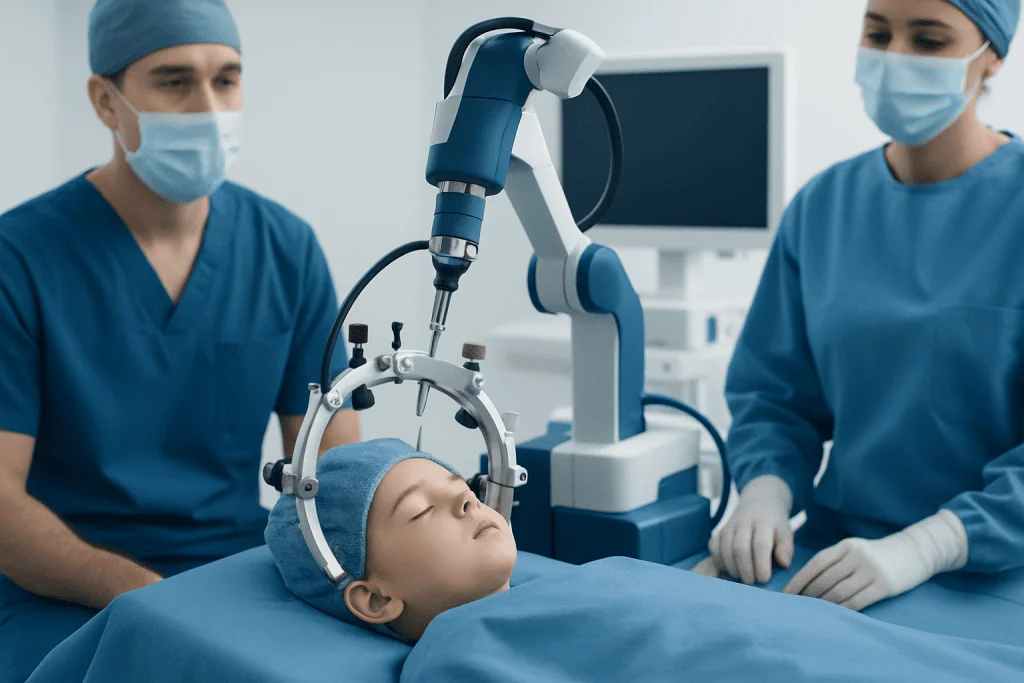
Surgery is usually considered for children with drug-resistant epilepsy. This generally means seizures continue even after two well-chosen anti-seizure medicines have been tried at suitable doses. If medications have not controlled seizures, the chance that additional medicines alone will completely stop them may be lower, making specialist evaluation especially important.
Not every child with difficult-to-control seizures is a candidate for surgery, but many can benefit from an assessment at a comprehensive epilepsy center. Children may be considered if they have focal seizures that appear to begin in one brain area, seizures linked to a structural brain change on MRI, seizures causing developmental regression, or seizure-related injuries and hospital visits.
Even infants and very young children may be evaluated when seizures are frequent and harming development. Some seizure conditions are especially time-sensitive because ongoing seizures can interfere with important stages of brain growth. Early treatment planning may help improve future learning, behavior, and daily functioning.
- Seizures continue despite appropriate medicines
- Seizures come from a specific brain region
- MRI shows a lesion or structural abnormality
- Seizures affect development, sleep, or safety
- Side effects of medicines are significant
Causes and Risk Factors That Can Lead to Surgical Epilepsy
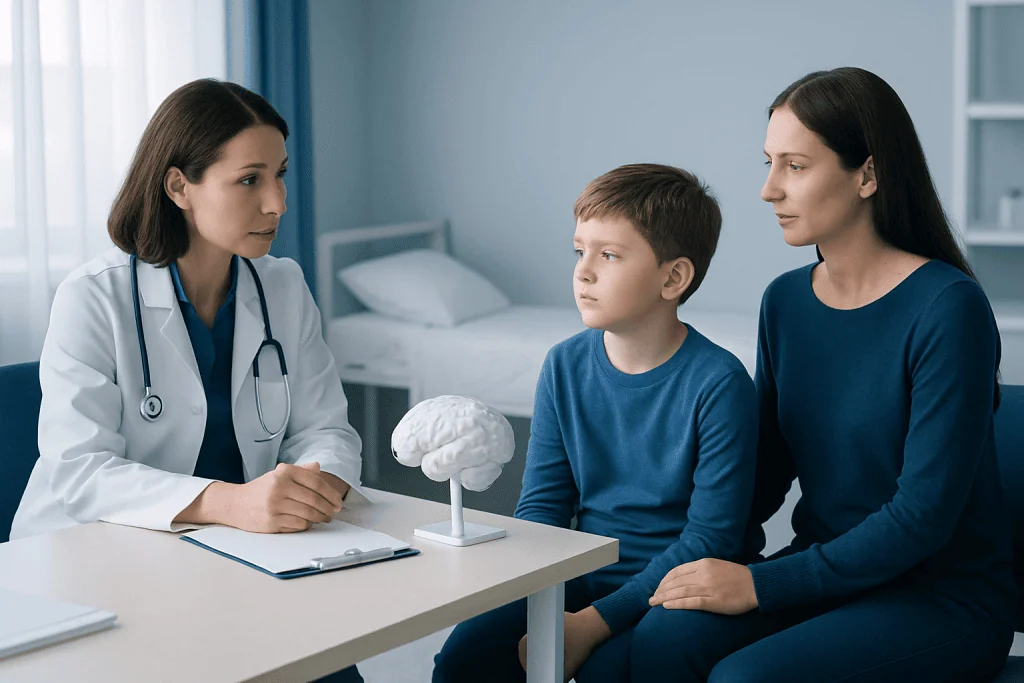
Children may develop epilepsy for many different reasons, and some of these causes are more likely to be treatable with surgery. One common example is a focal cortical dysplasia, a change in how part of the brain formed before birth. Other causes include brain scars from earlier injury or infection, benign brain tumors, blood vessel abnormalities, stroke, or developmental differences affecting one hemisphere or one lobe of the brain.
Some children have genetic or metabolic epilepsies that are less likely to be helped by resective surgery, while others have clear focal epilepsy even if the underlying cause is not obvious on the first MRI. In certain cases, advanced imaging and prolonged EEG monitoring can still identify a seizure focus. That is why a normal initial scan does not automatically rule out surgical treatment.
Doctors also consider how seizures affect a child’s daily life. Frequent seizures, episodes that cause falls, prolonged seizures, and nighttime seizures can all increase risk and place a heavy burden on the child and family. Children with conditions such as epilepsy or complex focal seizure syndromes may need a more advanced treatment plan when standard therapies are not enough.
How Children Are Evaluated Before Epilepsy Surgery
Before surgery is recommended, the child goes through a detailed pre-surgical evaluation. This process is designed to answer two key questions: where the seizures start and whether that area can be treated without causing major problems with speech, movement, memory, or vision. The evaluation is usually led by a multidisciplinary team that may include pediatric neurologists, neurosurgeons, neuroradiologists, neuropsychologists, and epilepsy nurses.
Common tests include an electroencephalogram to record brain activity, often with prolonged video EEG monitoring to capture actual seizures. Brain MRI is especially important because it can show structural causes such as cortical dysplasia or a lesion. Depending on the child’s needs, the team may also use PET, SPECT, functional MRI, MEG, developmental assessment, and neuropsychological testing. Some children need invasive monitoring with intracranial electrodes if noninvasive tests do not provide enough information.
This stage can feel long and emotionally demanding for families, but it is a key part of safe decision-making. The team reviews whether the findings all point to the same seizure focus and whether surgery offers a reasonable chance of benefit. In some cases, the evaluation may show that another treatment path is more suitable, such as vagus nerve stimulation or continued medical therapy.
Types of Pediatric Epilepsy Surgery
There is no single operation for every child. If seizures begin in one small area that can be safely treated, the surgeon may recommend a focal resection or lesionectomy to remove the seizure focus. In children with larger or more complex abnormalities, procedures such as lobectomy or hemispheric surgery may be considered. These operations aim to stop or greatly reduce seizures by removing or disconnecting the brain tissue involved.
Some procedures are designed to disconnect pathways rather than remove tissue. Corpus callosotomy, for example, may help children with drop attacks by limiting how seizures spread between the two sides of the brain. Device-based therapies may also be used when resective surgery is not suitable. Depending on the child’s condition and center expertise, options can include epilepsy surgery techniques, deep brain stimulation, or other neuromodulation approaches.
The treatment plan is individualized. Doctors look at expected seizure control, possible impact on development, and the risk of side effects. They also consider rehabilitation needs after surgery, school support, and whether medicines may still be needed. Families are encouraged to ask how the chosen procedure matches the child’s seizure pattern and long-term goals.
Benefits, Risks, and Recovery
For the right child, surgery can offer major benefits. Some children become seizure-free, while others have fewer or less severe seizures. Reducing seizure burden may improve alertness, sleep, attention, behavior, and participation in school and family life. In young children, successful seizure control may also support better developmental progress during a critical period of brain growth.
At the same time, surgery has real risks, and families should receive a balanced explanation. Possible concerns depend on the procedure and the part of the brain being treated. Risks can include infection, bleeding, weakness, speech or memory changes, vision problems, or ongoing seizures. The medical team carefully studies these risks during planning so they can weigh them against the risks of uncontrolled epilepsy itself.
Recovery varies by procedure. Some children stay in the hospital only a short time, while others need a longer recovery and rehabilitation support. Follow-up usually includes clinic visits, medication review, repeat EEG or imaging when needed, and monitoring of learning and behavior. Even after successful surgery, the child may continue anti-seizure medicine for a period of time, based on the neurologist’s plan.
Ongoing Care, Family Support, and When to Seek Specialist Help
Children with difficult-to-control seizures need ongoing follow-up whether or not they have surgery. Families can help by keeping a seizure diary, giving medicines exactly as prescribed, watching for triggers such as sleep loss, and maintaining regular appointments. School communication is also important so teachers understand the child’s seizure plan, safety needs, and learning support requirements.
Parents should ask for specialist review if a child continues having seizures despite treatment, has side effects from medicines, loses developmental skills, or experiences seizure-related injuries. Urgent medical care is needed for prolonged seizures, repeated seizures without recovery between them, breathing problems, or significant injury. These situations should be discussed in advance as part of a seizure action plan.
Near the end of the evaluation and treatment journey, some families choose care at experienced international centers. Acibadem International’s multidisciplinary specialists and JCI-accredited hospitals diagnose and treat children with complex epilepsy, including advanced neurosurgery when appropriate for international patients. Whatever the setting, decisions are best made with a qualified pediatric epilepsy team that can explain options clearly and tailor care to the child’s needs.
Frequently asked questions
What is pediatric epilepsy surgery?
Pediatric epilepsy surgery is treatment for children whose seizures do not respond well to medication. It may involve removing or disconnecting the area of the brain causing seizures, or using device-based therapy to reduce seizure activity.
When should a child be evaluated for epilepsy surgery?
A child should be considered for specialist evaluation when seizures continue after trying two appropriate anti-seizure medicines. Earlier assessment can also be important if seizures are frequent, severe, or affecting development and safety.
Can a child still need medication after epilepsy surgery?
Yes. Many children continue anti-seizure medicine for some time after surgery, even if seizures improve. The neurology team decides whether and when medicines can be reduced based on recovery and seizure control.
Is epilepsy surgery safe for children?
Epilepsy surgery is carefully planned to improve safety and protect important brain functions. As with any brain procedure, there are risks, but these are weighed against the effects of ongoing uncontrolled seizures and discussed in detail with the family.
Will surgery cure my child’s epilepsy?
Some children become seizure-free after surgery, but outcomes vary depending on the cause of epilepsy and the type of procedure. For others, surgery reduces the number or severity of seizures and improves quality of life.
What tests are done before surgery?
The evaluation often includes video EEG monitoring, MRI, and developmental or neuropsychological assessment. Some children also need advanced imaging or invasive monitoring to identify exactly where seizures start.
References
- World Health Organization
- International League Against Epilepsy
- American Epilepsy Society
- National Institute of Neurological Disorders and Stroke
- American Academy of Neurology
This article is for general information only and is not a substitute for professional medical advice. Please consult a qualified doctor about your individual situation.
Pediatric Epilepsy in Turkey — costs, top hospitals & a free quote
JCI-accredited · board-certified surgeons · reply within 24h
Add us as a Preferred Source to see more of our trusted health content across Google Search, AI Overviews and Discover.

Neurology
Diagnosis and treatment of disorders of the brain, spinal cord, nerves and muscles.
51 specialists in this unit