

Autonomic Testing: What It Shows in Neuromuscular and Nerve Disorders

Autonomic testing checks the part of the nervous system that controls involuntary body functions. It may help explain symptoms like lightheadedness, fainting, sweating changes, bowel or bladder problems, and rapid heartbeat.
Key Takeaways
- Autonomic testing checks the part of the nervous system that controls involuntary body functions.
- It may help explain symptoms like lightheadedness, fainting, sweating changes, bowel or bladder problems, and rapid heartbeat.
- The testing process often combines several noninvasive or minimally invasive assessments rather than a single test.
- Results do not usually stand alone; they are interpreted together with symptoms, examination findings, and other nerve or muscle studies.
- Preparation matters because caffeine, nicotine, dehydration, and some medicines can affect results.
Autonomic testing evaluates how the body’s automatic nerve functions are working, including heart rate, blood pressure, sweating, and sometimes breathing patterns. It can help doctors understand symptoms such as dizziness, fainting, abnormal sweating, digestive problems, or heat intolerance in people with neuromuscular and nerve disorders.
Overview: what autonomic testing is
Autonomic testing is a group of tests used to measure how well the autonomic nervous system is working. This system controls body functions that happen automatically, without conscious effort. These include heart rate, blood pressure, sweating, temperature regulation, pupil responses, and parts of digestion, bladder function, and sexual function.
In people with neuromuscular and nerve disorders, autonomic symptoms can be easy to overlook at first. A person may notice dizziness on standing, unexplained fatigue, dry eyes or dry mouth, constipation, urinary problems, heat intolerance, or changes in sweating. Autonomic testing helps doctors determine whether these symptoms are linked to nerve dysfunction and how significant that dysfunction may be.
The goal is not simply to label a symptom. These tests can help identify patterns of nerve involvement, show whether the sympathetic or parasympathetic parts of the system are affected, and guide the next steps in diagnosis and treatment. In many cases, autonomic testing is one part of a larger neurophysiology evaluation.
What the autonomic nervous system controls
The autonomic nervous system has two main branches: the sympathetic system, which helps the body respond to stress or activity, and the parasympathetic system, which supports rest, recovery, and routine body maintenance. A healthy nervous system keeps these branches balanced from moment to moment.
Because this system reaches many organs, autonomic dysfunction can cause a wide range of symptoms. These may include a racing heart, drops in blood pressure when standing, feeling faint, reduced or excessive sweating, bloating, nausea, constipation, diarrhea, urinary urgency or retention, and trouble tolerating heat or exercise. Some people also notice blurred vision from abnormal pupil responses or dry skin because sweat glands are affected.
Autonomic problems can occur in isolation, but they are also seen in conditions involving peripheral nerves, small nerve fibers, diabetes-related nerve damage, autoimmune disorders, and some inherited or degenerative neurological diseases. When symptoms suggest possible peripheral neuropathy or another nerve disorder, autonomic testing can add important information.
What autonomic testing can show in neuromuscular and nerve disorders

Autonomic testing can show whether nerves that control circulation, sweating, and other automatic functions are working normally. For example, it can reveal an abnormal blood pressure response when a person changes position, an inappropriate heart rate response to breathing or strain, or reduced sweat production in certain body areas. These findings may point toward autonomic neuropathy or broader nervous system involvement.
In neuromuscular and nerve disorders, this information can help doctors understand the pattern of disease. Some conditions mainly affect motor nerves and muscles, while others also involve sensory or autonomic fibers. If autonomic fibers are affected, symptoms may be more widespread and may need targeted management alongside treatment of the underlying condition.
Testing can also help distinguish between different causes of similar symptoms. For instance, dizziness may come from dehydration, medication side effects, heart conditions, anxiety, or autonomic failure. The test results are interpreted carefully in context so that the person receives the most accurate explanation possible.
Although autonomic testing is useful, it usually does not diagnose a disease by itself. It supports clinical decision-making when combined with the medical history, neurological examination, blood tests, and other studies such as electromyography (EMG) or nerve conduction testing.
Common types of autonomic tests
Doctors may choose different tests depending on the symptoms. Cardiovascular autonomic testing looks at heart rate and blood pressure control. This often includes measuring changes while lying down and standing, deep breathing, and the Valsalva maneuver, which involves breathing out against resistance for a short time. In some patients, a tilt table test is used to assess fainting, orthostatic intolerance, or unexplained lightheadedness.
Sweat testing is another important part of evaluation. It helps show whether the small nerve fibers that activate sweat glands are functioning properly. Depending on the center, this may include tests that map sweat production over the body or measure local sweat gland responses. These studies can support the assessment of small fiber nerve involvement when symptoms include burning pain, heat intolerance, or abnormal sweating.
Sometimes doctors add breathing-related or other specialized autonomic measurements. If symptoms suggest broader nerve involvement, the evaluation may be combined with nerve conduction study findings or, in selected cases, investigations for myasthenia gravis or other neuromuscular disorders when weakness and fatigue are also present.
- Heart rate response to deep breathing
- Blood pressure and pulse changes with standing
- Valsalva maneuver response
- Tilt table testing
- Sweat function testing
- Sometimes additional small fiber or cardiovagal assessments
When doctors recommend autonomic testing
Autonomic testing is usually recommended when symptoms suggest that involuntary nerve function may be impaired. Common reasons include dizziness on standing, fainting or near-fainting, unexplained rapid heartbeat, reduced exercise tolerance, unexplained sweating changes, gastrointestinal symptoms without a clear cause, or bowel and bladder disturbances that may relate to nerve function.
It may also be considered in people with known neurological or systemic conditions that can affect autonomic nerves. These include diabetes, autoimmune neuropathies, small fiber neuropathy, amyloidosis, some hereditary nerve disorders, Parkinsonian syndromes, and certain spinal cord or brain disorders. In neuromuscular practice, testing may be helpful when symptoms seem broader than muscle weakness alone.
Not every patient with these symptoms needs the same testing. The doctor decides which studies are most appropriate based on the person’s age, medical history, medications, and the most likely causes of symptoms. The aim is to answer a clear clinical question while avoiding unnecessary procedures.
How to prepare and what to expect during the test
Preparation instructions vary by center, but they matter because everyday factors can influence results. Patients are often asked to avoid caffeine, nicotine, alcohol, and heavy exercise for a period before testing. They may also be told to drink water normally unless instructed otherwise. Some medicines can affect heart rate, blood pressure, or sweating, so the medical team may review them in advance and advise whether any should be paused safely.
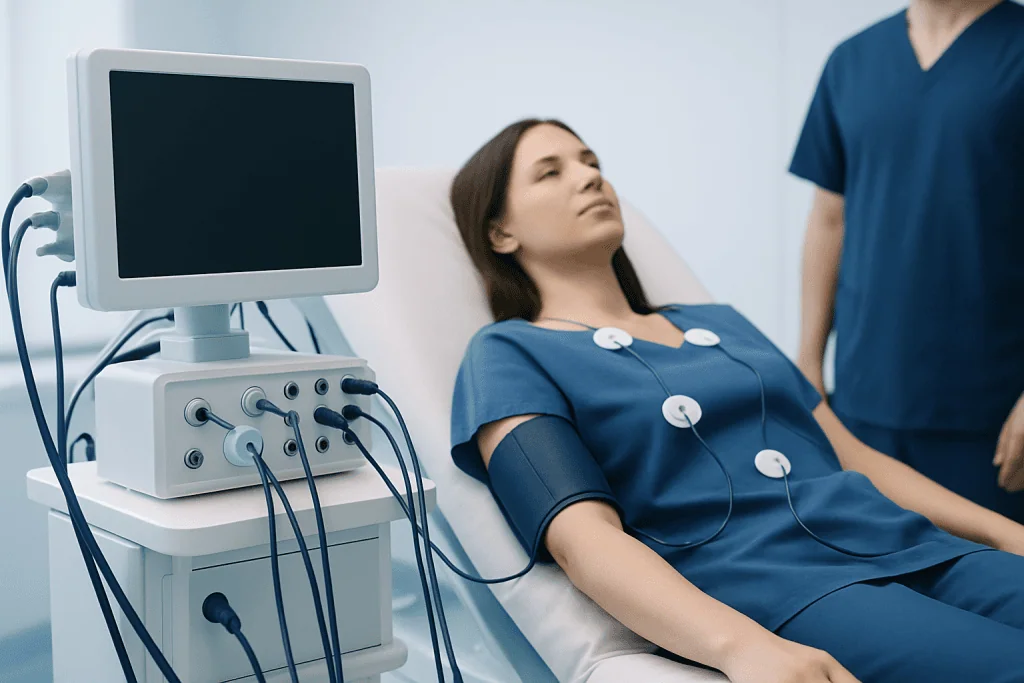
Most autonomic tests are done in a quiet, temperature-controlled room. Small sensors may be placed on the chest, fingers, arm, or feet to record heart rate, blood pressure, breathing, or sweat responses. The patient may be asked to lie still, breathe in a certain pattern, stand, or be tilted gradually on a motorized table. The staff monitors comfort and safety throughout.
These tests are generally well tolerated. Some people briefly feel dizzy, warm, sweaty, tired, or faint during parts that challenge blood pressure control. These feelings usually pass quickly once the test ends and the person lies flat again. The team is trained to stop the test if symptoms become too uncomfortable.
Results are usually reviewed by a specialist who compares measured responses with expected patterns. Because age, hydration, medicines, and other health conditions can affect the findings, interpretation is individualized rather than one-size-fits-all.
Understanding the results and what happens next
An autonomic test result may be normal, clearly abnormal, or borderline. A normal result can be reassuring, but it does not always rule out every cause of symptoms. Some symptoms fluctuate over time, and some forms of autonomic dysfunction are subtle or appear only under certain conditions. This is why results are considered alongside the person’s full clinical picture.
If the tests suggest autonomic dysfunction, the next step is to identify the cause. Doctors may recommend blood tests, imaging, skin biopsy for small fiber neuropathy in selected cases, heart evaluation, or additional neurological studies. Treatment focuses both on the underlying disorder and on symptom control. For example, management may include hydration strategies, compression garments, diet adjustments, medication review, physical counter-maneuvers, exercise guidance, or condition-specific treatments.
Follow-up is important because autonomic symptoms can change. Repeat testing is sometimes used to track progression or response to treatment, especially when symptoms are affecting daily life. In multidisciplinary centers, neurologists, cardiologists, rehabilitation specialists, and other clinicians may work together to create a practical treatment plan.
Near the end of the care pathway, some patients may seek evaluation at specialized centers. Acibadem International’s multidisciplinary specialists and JCI-accredited hospitals diagnose and treat autonomic dysfunction and related neuromuscular conditions for international patients.
When to seek medical advice
A person should speak with a doctor if symptoms such as repeated dizziness on standing, fainting, severe palpitations, unexplained sweating changes, persistent constipation or urinary difficulty, or heat intolerance are interfering with daily life. These problems are not always caused by autonomic dysfunction, but they deserve proper assessment.
Urgent medical attention is important for symptoms such as chest pain, shortness of breath, loss of consciousness with injury, severe dehydration, new weakness, or sudden neurological changes. These symptoms may have causes that need prompt treatment and should not be attributed to an autonomic problem without evaluation.
Early assessment can make it easier to identify reversible contributors such as medication side effects, dehydration, uncontrolled diabetes, or vitamin deficiencies. It can also help people with chronic neurological disease receive more tailored symptom support and safer day-to-day advice.
Frequently asked questions
Is autonomic testing painful?
Most autonomic tests are not painful. They may feel uncomfortable for a short time because they can trigger dizziness, warmth, or a faint feeling, especially during standing or tilt testing. The staff monitors patients closely and can stop the test if needed.
How long does autonomic testing take?
The length depends on which tests are ordered. A focused evaluation may take less than an hour, while a more complete battery can take several hours. The clinic usually gives preparation instructions and timing details in advance.
Can autonomic testing diagnose the exact disease causing symptoms?
Not usually on its own. Autonomic testing shows how the autonomic nervous system is functioning, but doctors still need to interpret the results with symptoms, examination findings, and other tests. It is best viewed as one important piece of the diagnostic picture.
Why might someone with a neuromuscular disorder need autonomic testing?
Some neuromuscular and nerve disorders affect more than movement and sensation. They can also involve the nerves that control blood pressure, heart rate, sweating, digestion, and bladder function. Testing helps clarify whether these symptoms are part of the underlying condition.
Do medications affect autonomic test results?
Yes, some medicines can change heart rate, blood pressure, and sweating responses. This is why the medical team reviews all prescription medicines, over-the-counter products, and supplements before testing. Patients should not stop medication unless a doctor specifically advises it.
What happens if the results are abnormal?
Abnormal results usually lead to a discussion about possible causes and next steps. The doctor may recommend additional testing, treatment for the underlying condition, and symptom-focused measures such as hydration, exercise planning, or medication changes. Many people benefit from a coordinated plan tailored to their symptoms.
References
- National Institute of Neurological Disorders and Stroke
- American Academy of Neurology
- National Institute of Diabetes and Digestive and Kidney Diseases
- National Heart, Lung, and Blood Institute
- Mayo Clinic
This article is for general information only and is not a substitute for professional medical advice. Please consult a qualified doctor about your individual situation.
Heart care in Turkey — expert evaluation and treatment
JCI-accredited · board-certified surgeons · reply within 24h
Add us as a Preferred Source to see more of our trusted health content across Google Search, AI Overviews and Discover.
Check your numbers in seconds
BMI, calories, due date, blood pressure and 30+ more clinical calculators — free, instant, doctor-reviewed ranges.

More from the Health Library



Related Specialists

Assoc. Prof. Dr. Oğuz Durakbaşa
Orthopedic Surgery & Traumatology
Asst. Prof. Dr. Gökhan Arslanhan
Cardiovascular Surgery
Prof. Dr. Fuat Bilgen
Cardiovascular Surgery
Prof. Dr. Muhsin Eraslan
Ophthalmology