Heart Bypass Surgery for Women: Do Symptoms and Recovery Differ?

Women may have less typical symptoms of coronary artery disease, which can delay diagnosis and treatment. Heart bypass surgery is used to improve blood flow to the heart when coronary arteries are severely narrowed or blocked.
Key Takeaways
- Women may have less typical symptoms of coronary artery disease, which can delay diagnosis and treatment.
- Heart bypass surgery is used to improve blood flow to the heart when coronary arteries are severely narrowed or blocked.
- Recovery after bypass surgery is often successful in women, but fatigue, pain, mood changes, and slower physical recovery may need closer attention.
- Cardiac rehabilitation, medication adherence, and follow-up care are important parts of recovery and long-term heart health.
- Women should seek medical advice promptly for chest discomfort, shortness of breath, unusual fatigue, or other possible heart symptoms.
Heart bypass surgery for women can differ from men’s experiences in how heart disease appears, when surgery is recommended, and how recovery feels afterward. Understanding these differences may help women seek care earlier, prepare for surgery, and recover with confidence.
Overview: Does Heart Bypass Surgery Differ for Women?
Heart bypass surgery, also called coronary artery bypass grafting (CABG), is performed to improve blood flow to the heart muscle when one or more coronary arteries become narrowed or blocked. The operation uses a healthy blood vessel taken from another part of the body to create a new path for blood to reach the heart. In both women and men, the goal is the same: to reduce symptoms, improve quality of life, and lower the risk of serious heart complications.
What can differ in women is not the basic surgical principle, but the journey leading up to surgery and the recovery afterward. Women are more likely to develop heart disease later in life, may have smaller coronary arteries, and may also be living with conditions such as diabetes, high blood pressure, or heart failure at the time of diagnosis. These factors can influence how symptoms appear, how quickly the condition is recognized, and how recovery progresses.
Another important difference is that women are more likely to experience symptoms that do not fit the “classic” picture of severe central chest pain. Because of this, heart disease may be identified later, sometimes when it is already advanced. For some women, bypass surgery becomes necessary after tests show significant coronary artery disease or after other treatments, such as medicines or stents, are not enough.
With timely treatment, modern surgical care, and structured rehabilitation, many women recover well after bypass surgery. Clear communication with the care team, realistic expectations, and attention to emotional as well as physical healing can make the recovery period smoother and less stressful.
Symptoms Before Surgery: How Heart Disease May Present in Women

The symptoms that lead to bypass surgery often begin with coronary artery disease. Women can certainly have classic angina, including pressure, tightness, heaviness, or pain in the chest that may spread to the arm, neck, jaw, back, or upper abdomen. However, women may also notice less specific symptoms that are easy to overlook or attribute to another cause.
These may include unusual fatigue, shortness of breath, nausea, dizziness, indigestion-like discomfort, trouble sleeping, or discomfort in the back, shoulders, or jaw. Some women report a general sense that something feels wrong rather than sharp chest pain. Symptoms may come on with physical activity, emotional stress, or even at rest when heart disease is more advanced.
Because these symptoms can be subtle, women may delay seeking help, and healthcare professionals may need to look carefully at the full picture. In some cases, bypass surgery is considered after a heart attack, worsening angina, or testing that shows multiple blocked arteries. Evaluation may also reveal related problems such as coronary artery disease or a higher risk of future cardiac events.
- Chest pressure, tightness, or pain
- Shortness of breath during activity or rest
- Unusual tiredness or reduced exercise tolerance
- Pain in the jaw, neck, shoulder, back, or arm
- Nausea, lightheadedness, or sweating
- Symptoms that seem like indigestion or reflux
Why Women May Need Bypass Surgery
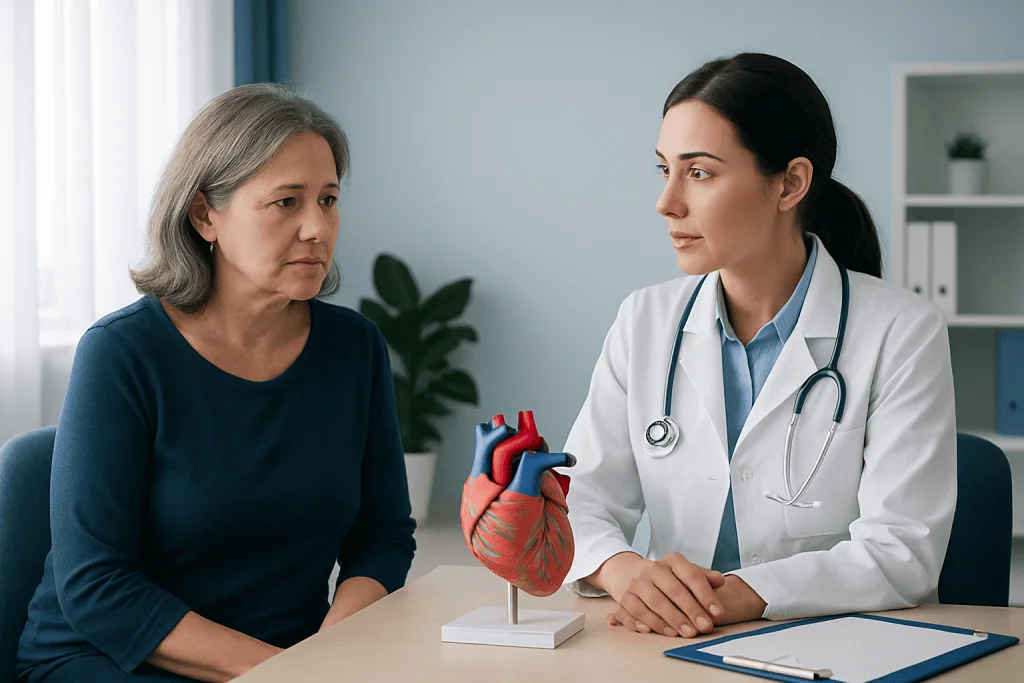
Bypass surgery is usually recommended when coronary artery disease is severe enough that blood flow to the heart is significantly reduced. This may happen when several arteries are blocked, when an important main coronary artery is affected, or when previous treatments are unlikely to provide lasting benefit. The decision is individualized and based on symptoms, heart function, test results, and overall health.
Risk factors for coronary artery disease in women include high blood pressure, high cholesterol, diabetes, smoking, obesity, physical inactivity, chronic kidney disease, and a family history of early heart disease. Age and menopause also influence risk, as the natural hormonal changes of menopause are associated with increased cardiovascular risk over time.
Women may also have patterns of heart disease that are less straightforward. Some have disease in smaller blood vessels or more diffuse narrowing rather than one easily treated blockage. This can make diagnosis and treatment planning more complex. Conditions such as autoimmune disease, pregnancy-related complications like preeclampsia, and a history of early menopause may also contribute to future cardiovascular risk.
Before surgery is advised, cardiologists and heart surgeons review whether symptoms can be managed with medication, lifestyle changes, or catheter-based procedures. In many cases, coronary angiography helps define the location and severity of blockages and supports the decision about whether coronary bypass surgery is the most appropriate option.
How Doctors Diagnose the Problem and Plan Surgery
The diagnostic process usually begins with a medical history, physical examination, and tests such as an electrocardiogram, blood tests, and echocardiography. Stress testing may be used to assess how the heart responds to exertion and whether reduced blood flow is likely. If symptoms suggest urgent heart disease, evaluation may move quickly.
Imaging of the coronary arteries is a key step in planning treatment. Coronary angiography allows doctors to see where arteries are narrowed or blocked and whether the pattern of disease is best treated with medication, stenting, or bypass surgery. Other information, such as heart pumping function, valve disease, lung health, kidney function, and general fitness for surgery, is also reviewed.
For women, this assessment can be especially important because symptoms and test findings do not always match in a simple way. A woman may have significant symptoms with complex disease patterns, or she may have smaller vessels that affect the technical planning of surgery. The surgical team also considers age, frailty, diabetes, anemia, and any prior stroke or vascular disease.
Shared decision-making is an important part of care. Patients are encouraged to ask why surgery is recommended, what the expected benefits are, what the risks may be, and how recovery is likely to look. In some cases, related treatment planning may also include management of rhythm problems such as atrial fibrillation if they are present.
What the Operation Involves and What Results to Expect
During bypass surgery, the surgeon uses a healthy blood vessel, often from the chest, leg, or arm, to bypass the blocked section of a coronary artery. This creates a new route for blood to nourish the heart muscle. Depending on the individual case, one, two, three, or more bypass grafts may be performed. Some surgeries are done using a heart-lung machine, while others may be performed off-pump.
The operation itself is similar in women and men, but technical considerations can differ. Women may have smaller arteries or more widespread coronary disease, which can make surgery more complex. Even so, CABG remains a well-established treatment with potential benefits that include better symptom control, improved daily function, and lower risk from severe coronary blockages.
Hospital recovery begins in intensive monitoring, followed by several days on a cardiac ward. Pain control, breathing exercises, early movement, wound care, and gradual increase in activity all start soon after surgery. Some women are surprised by how tired they feel at first, but this is a common part of healing after major heart surgery.
Results depend on many factors, including the extent of heart disease, overall health, age, and recovery support. Doctors may also recommend ongoing evaluation of heart function through tests such as echocardiography during follow-up, especially if symptoms continue or other cardiac conditions need monitoring.
Recovery After Bypass Surgery in Women
Most women recover gradually over weeks to months, rather than all at once. It is common to experience tiredness, soreness around the chest incision, interrupted sleep, reduced appetite, and fluctuations in energy. Emotional changes can also occur, including anxiety, low mood, or feeling overwhelmed. These reactions are common after major surgery and deserve attention just like physical symptoms do.
Some studies suggest women may have a slower functional recovery or more symptom burden in the early period after surgery. This may relate to older age at surgery, additional medical conditions, differences in body size, anemia, or delays in diagnosis before treatment. It does not mean recovery will be poor, but it does highlight the importance of personalized support.
Cardiac rehabilitation is one of the most helpful parts of recovery. These supervised programs combine safe exercise, education, nutrition guidance, risk-factor control, and emotional support. They can help women rebuild stamina, gain confidence, and return more safely to daily activities such as walking, climbing stairs, driving, or work.
- Take medicines exactly as prescribed
- Attend all follow-up appointments
- Increase physical activity gradually
- Protect the incision and watch for signs of infection
- Eat a heart-healthy diet and stay well hydrated unless advised otherwise
- Ask for support with mood, sleep, and daily tasks during recovery
Prevention, Long-Term Self-Care, and Follow-Up
Bypass surgery improves blood flow, but it does not cure the underlying tendency to develop atherosclerosis. Long-term success depends on continuing heart-healthy habits and taking prescribed medication. This often includes treatment for blood pressure, cholesterol, blood sugar, and blood thinning if recommended by the medical team.
Women can support heart health by avoiding smoking, staying physically active, maintaining a healthy weight, managing stress, and choosing a balanced eating pattern rich in vegetables, fruits, whole grains, legumes, and healthy fats. Good sleep and regular checkups are also important. If diabetes is present, careful glucose control plays a major role in protecting blood vessels.
Follow-up care allows doctors to monitor healing, adjust medication, and evaluate any new or persistent symptoms. Rehabilitation and education may continue long after the first few weeks of recovery. Women should feel comfortable raising concerns about pain, fatigue, intimacy, return to work, or mood changes, as these are all part of whole-person recovery.
Near the end of treatment planning and follow-up, some patients may seek care in specialized centers. Acibadem International’s multidisciplinary specialists and JCI-accredited hospitals diagnose and treat heart conditions for international patients, with coordinated evaluation, surgery, and aftercare when needed.
When to Seek Medical Care
Women should seek prompt medical attention for possible heart symptoms, especially if they are new, worsening, or unusual. This includes chest pressure, sudden shortness of breath, pain spreading to the jaw or arm, fainting, severe weakness, or symptoms that feel different from normal fatigue or indigestion. Fast evaluation is important because early treatment can protect heart muscle and improve outcomes.
After bypass surgery, it is also important to contact a doctor if there are signs that recovery is not going as expected. Concerning symptoms may include fever, increasing redness or drainage at the incision, worsening shortness of breath, rapid weight gain, swelling, irregular heartbeat, or chest pain that is new or severe. Patients should also seek help for persistent sadness, anxiety, or difficulty coping at home.
Emergency care is appropriate for symptoms that may suggest a heart attack, stroke, severe infection, or a breathing emergency. It is better to be checked and reassured than to wait with a potentially serious symptom. Women should trust their instincts if something feels significantly wrong.
Regular communication with a cardiologist, surgeon, and primary care doctor helps ensure that concerns are addressed early. Ongoing support can make recovery safer, more comfortable, and more sustainable over the long term.
Frequently asked questions
Are heart disease symptoms in women always different from men’s?
Not always. Women can have the same classic chest pain symptoms as men, but they are also more likely to have less typical symptoms such as unusual fatigue, nausea, shortness of breath, or discomfort in the back or jaw. Because symptoms vary, any possible warning signs should be discussed with a doctor promptly.
Is heart bypass surgery riskier for women?
Risk depends on many factors, including age, overall health, diabetes, kidney function, heart strength, and how advanced the coronary disease is. Some women come to surgery later in the course of disease or with more medical conditions, which can affect recovery. A careful preoperative assessment helps the team plan treatment and reduce risk as much as possible.
How long does recovery usually take after bypass surgery?
Initial hospital recovery usually takes several days, but full recovery often takes weeks to a few months. Energy levels usually improve gradually, and many women notice that stamina returns step by step rather than quickly. Cardiac rehabilitation can help make recovery safer and more structured.
Can women return to normal activities after CABG?
Many women can return to daily activities, exercise, and work after healing, but timing varies from person to person. Doctors usually recommend a gradual return based on incision healing, strength, and heart recovery. Following activity instructions and attending follow-up visits are important for a safe return to routine.
Will bypass surgery cure coronary artery disease?
Bypass surgery improves blood flow around blocked arteries, but it does not remove the underlying tendency to develop plaque buildup. Long-term treatment still includes medication, healthy lifestyle changes, and regular medical follow-up. These steps help protect both the bypass grafts and the rest of the cardiovascular system.
What should a woman do if she feels unusually tired or short of breath after surgery?
Mild fatigue is common during recovery, but worsening shortness of breath, severe weakness, swelling, fever, or chest pain should be reported to a doctor. If symptoms are sudden or severe, urgent medical evaluation is important. It is always appropriate to ask the care team whether a symptom is a normal part of healing or a sign of a complication.
References
- American Heart Association
- National Heart, Lung, and Blood Institute
- European Society of Cardiology
- Centers for Disease Control and Prevention
- Mayo Clinic
This article is for general information only and is not a substitute for professional medical advice. Please consult a qualified doctor about your individual situation.
Heart Bypass Surgery in Turkey — costs, top hospitals & a free quote
JCI-accredited · board-certified surgeons · reply within 24h
Add us as a Preferred Source to see more of our trusted health content across Google Search, AI Overviews and Discover.
Check your numbers in seconds
BMI, calories, due date, blood pressure and 30+ more clinical calculators — free, instant, doctor-reviewed ranges.