

Aftercare Abroad: When to Contact Your Turkey Care Team After You Get Home
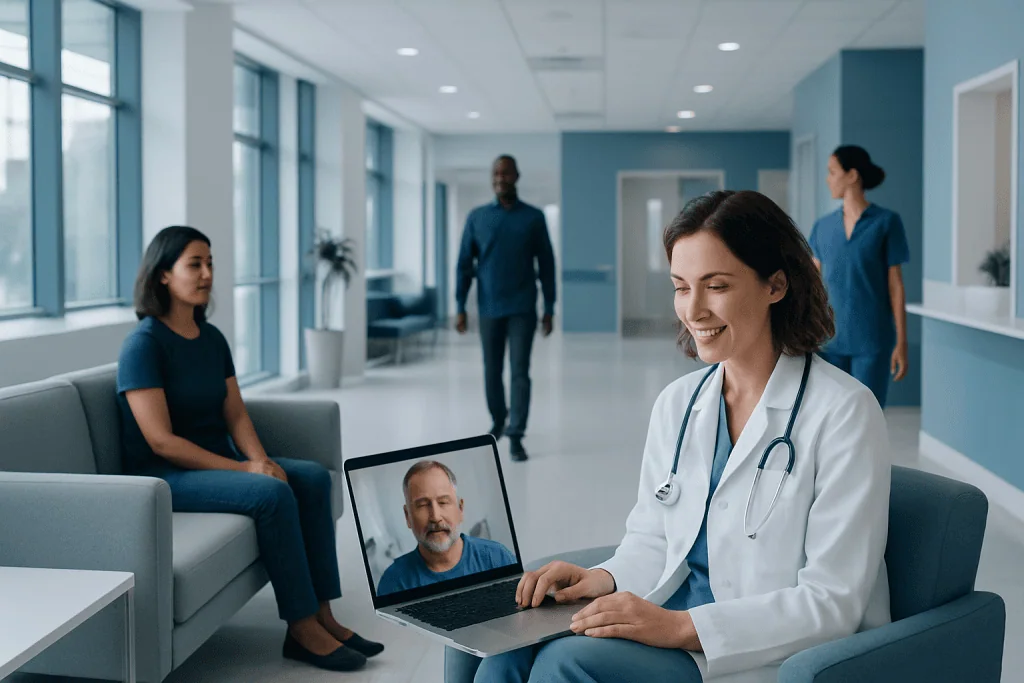
Contact your Turkey care team whenever a symptom is new, worsening, or not explained by your discharge instructions — including medication side effects, wound or stitch concerns, and questions about driving, working, or flying. Send timing, photos, temperature and your medication list. For severe symptoms such as chest pain, heavy bleeding or breathing difficulty, call local emergency services first, then update the team.
You are home, the hospital feels far away, and you notice something you were not expecting — a bit more swelling, a wound that looks different, a temperature that was not there yesterday. Is that normal healing, or a reason to message someone? That question keeps a lot of patients awake in the first weeks back.
Getting home after treatment in Turkey can feel reassuring and a little uncertain at the same time. This guide helps you understand which recovery changes are expected, which ones mean you should contact your Turkey care team, and how to make follow-up smoother from home.
At a glance
- Best for: Patients returning home after treatment or surgery in Turkey
- Main goal: Know when to monitor, when to ask, and when to seek urgent help
- Contact timing: Reach out early for new, worsening, or unclear symptoms
- Keep ready: Discharge papers, medication list, test results, and travel dates
- Important reminder: Emergency symptoms should be assessed by local emergency services first
What follow-up from home usually looks like
Once you are back home, recovery often becomes less structured than it felt in hospital. You no longer have nurses nearby, and small changes can feel more noticeable. That is why it helps to think of follow-up as an active part of your treatment, not just something that happens only if there is a problem.
Your discharge plan may include medication instructions, wound care guidance, activity limits, warning signs, and a suggested timeline for check-ins. In many cases, your Turkey care team can review updates remotely, especially if you can share clear photos, your current medication list, temperature readings, blood pressure logs, or recent test results from your local doctor.
If you were treated through Acibadem International, your international patient services team may also help coordinate communication, interpret medical instructions, and guide you on which details to send. This can be especially useful if you are unsure whether a symptom is expected recovery or something that needs faster attention.
Normal recovery changes versus warning signs
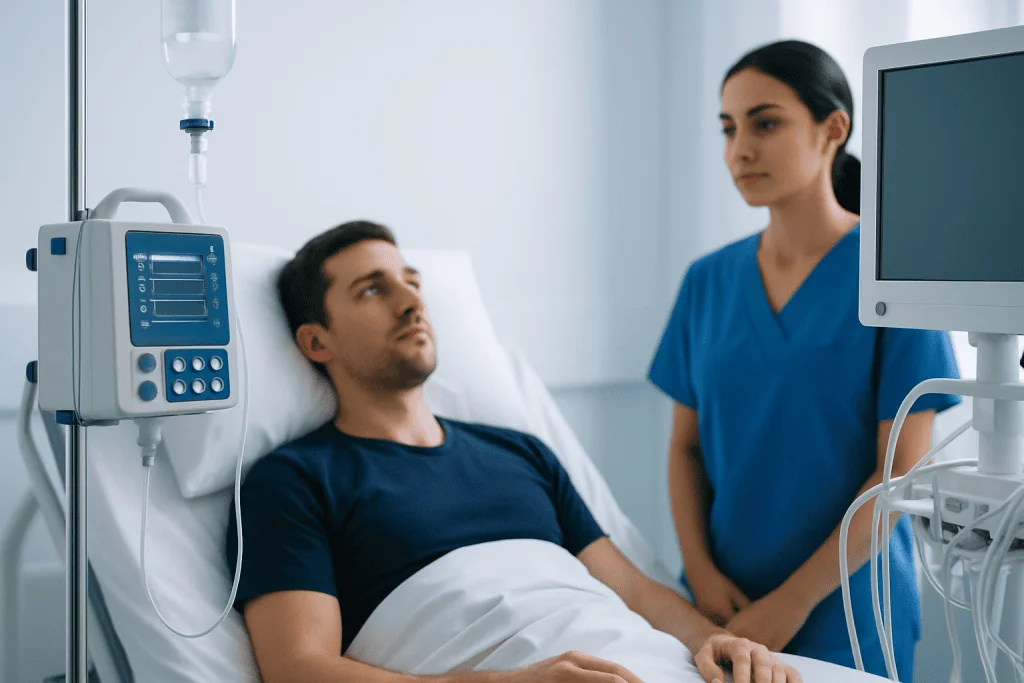
Many patients worry about symptoms that are actually common during healing. Mild discomfort, tiredness, some swelling, reduced appetite, temporary sleep disruption, bruising, and gradual day-to-day improvement are often part of a normal recovery pattern. You may also notice good days and slower days, especially in the first weeks after travel and treatment.
What matters most is the direction of change. Symptoms that slowly improve are generally less concerning than symptoms that are new, intensifying, or interfering more with daily life. If pain suddenly increases, swelling becomes more pronounced, a wound changes in appearance, or you feel worse rather than better, it is worth contacting your care team sooner rather than later.
Warning signs can include fever, chills, redness spreading around a wound, unusual discharge, persistent vomiting, severe constipation or diarrhea, shortness of breath, chest pain, fainting, confusion, calf swelling, or bleeding that does not settle. These symptoms do not always mean a serious complication, but they should not be ignored.
If you are ever in doubt, it is better to ask. A quick message sent early can sometimes prevent a small issue from becoming a larger one.
Exactly when to contact your Turkey care team
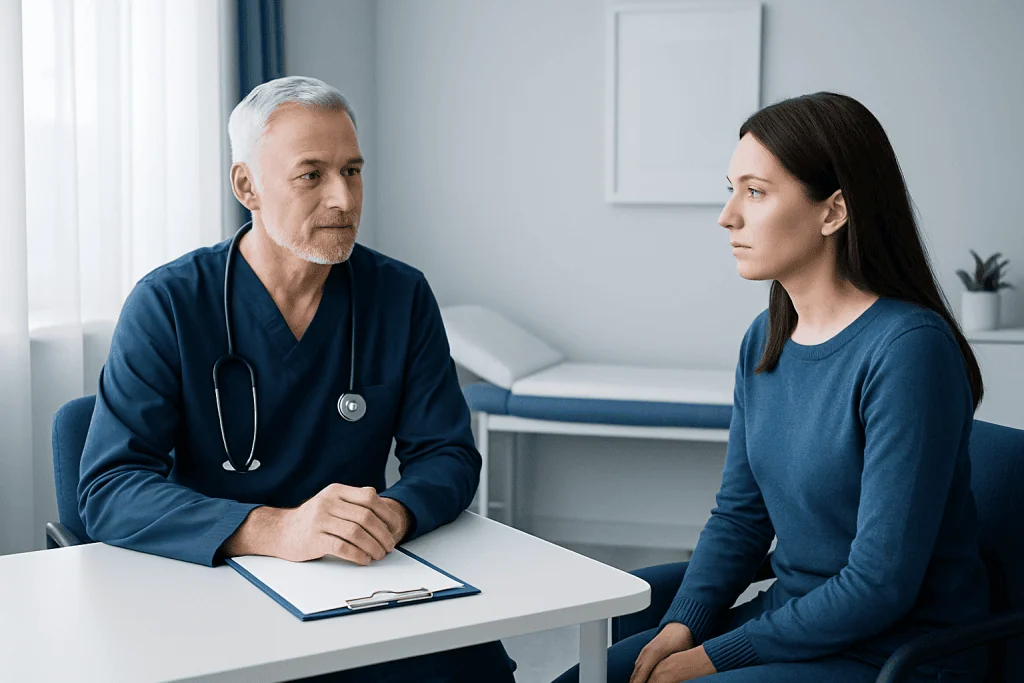
You should contact your Turkey care team when you notice anything unexpected, worsening, or difficult to explain. That includes symptoms not covered in your discharge instructions, side effects after starting a medication, concerns about stitches or dressings, changes in mobility, or questions about when it is safe to work, drive, exercise, fly again, or resume daily routines.
It is also sensible to get in touch if you cannot follow the aftercare plan as written. For example, you may not be tolerating a medicine, you may be unsure how to clean a wound, or you may have been advised to arrange a local blood test or scan and do not know what type is needed. Your team can often clarify these practical points quickly and help avoid confusion.
Reach out promptly if you have had treatment from multiple specialists and are unsure who should answer your question. In a large group such as Acibadem International, multidisciplinary specialist teams and international patient coordinators can help direct your update to the right department so you are not trying to navigate everything alone.
- Contact the team for new or worsening symptoms
- Contact the team for medication side effects or missed doses
- Contact the team for wound, dressing, drain, or stitch concerns
- Contact the team if local doctors need operative notes or discharge summaries
- Contact the team if recommended follow-up tests are delayed or unavailable
When to seek urgent local medical help first
Your Turkey care team is an important part of your recovery, but they are not a substitute for emergency care in your own country. If you have severe shortness of breath, chest pain, sudden weakness, heavy bleeding, collapse, seizures, signs of stroke, or any rapidly worsening condition, contact local emergency services or go to the nearest emergency department immediately.
Once you are safe and being assessed locally, you or your companion can share the details with your Turkey hospital team. This helps them understand what has happened and, if needed, communicate with your local clinicians using your treatment records and discharge information.
Think of it this way: urgent symptoms need the fastest available hands-on assessment near you. Remote follow-up works well for many recovery questions, but emergencies need in-person examination and immediate treatment.
How to make your message clear and useful
When you contact your care team, the quality of information you send can make a big difference. A short but complete update is more helpful than a long message without specifics. Include when the symptom started, whether it is getting better or worse, where it is happening, your temperature if relevant, and what you have already tried at home.
Photos can be very useful for wound healing, bruising, swelling, skin reactions, or drainage concerns. Try to send images in good light and, if possible, at more than one distance so the team can understand the size and location. If your question is about medication, attach or type the exact medicine name, dose, and when you started taking it.
Keep all your records together in one folder on your phone and in paper form. This should include your discharge summary, pathology or imaging reports if applicable, implant or device information if relevant, prescriptions, allergy details, and passport-travel dates. If you were supported by Acibadem International, your coordinator may also help you identify which documents matter most for a specific question.
Practical follow-up after international treatment
Returning home after treatment abroad often involves more logistics than local care. Time zone differences can affect response times, and your local doctor may not immediately know the details of your procedure. Planning for this in advance makes follow-up much easier.
Before you leave Turkey, it is wise to confirm who to contact, which platform to use, what hours apply, and what symptoms should trigger a message. Ask whether routine follow-up is expected by video call, email, phone, or through your coordinator. Also ask which issues should be handled locally, such as blood pressure checks, blood tests, dressing changes, or suture removal.
Many international patients find it helpful to involve both teams: their local doctor for examination and urgent practical needs, and their Turkey specialists for treatment-specific guidance. This combined approach is often the safest and most reassuring, particularly after complex care. In JCI-accredited settings such as Acibadem International hospitals, structured discharge and follow-up processes are designed to support that handover.
You do not need to wait until you are worried enough to panic. A calm, early follow-up question is often the most efficient step.
Step by step
- Review your discharge instructions within 24 hours of getting home. Read through your medication schedule, activity restrictions, wound care steps, and follow-up dates while everything is still fresh. If any instruction is unclear, contact your coordinator or care team before a small misunderstanding affects your recovery.
- Track symptoms instead of relying on memory. Make a simple daily note of pain level, temperature, swelling, appetite, sleep, bowel habits, and mobility. This helps you notice patterns and gives your Turkey care team useful details if you need advice.
- Send an update early if something changes. Do not wait several days hoping a new symptom will disappear if it is clearly worsening or feels unusual. Early communication often leads to simpler advice and less stress.
- Use local urgent care for emergencies. If you have severe symptoms, seek immediate medical help near you rather than waiting for a remote reply. After local assessment, share the findings with your Turkey team so both sides have the same information.
- Prepare useful documents before contacting the hospital. Keep your discharge summary, operation details, prescriptions, and any recent local test results ready to send. Having these available saves time and reduces back-and-forth messages.
- Ask who is coordinating your follow-up. If you had care involving more than one specialty, clarify whether your surgeon, physician, coordinator, or international patient team is your first point of contact. This can make communication much faster and more reassuring.
- Arrange local follow-up if advised. Some parts of recovery are best checked in person, such as wound review, blood tests, blood pressure monitoring, or imaging. If your Turkey care team recommends local follow-up, book it promptly and share the results back.
Your checklist
- Discharge summary saved on your phone and printed
- Full medication list with doses and timing
- Hospital contact details and your coordinator's name
- A record of allergies and any chronic conditions
- Clear photos of any wound or area of concern if symptoms appear
- A daily symptom log for the first days or weeks at home
- Local doctor or clinic identified for urgent in-person review
- Copies of recent test results to send if requested
Key takeaways
- Recovery after treatment abroad is easier when you know who to contact and what information to send.
- Gradual improvement is usually reassuring; new or worsening symptoms deserve attention.
- Your Turkey care team can guide remote follow-up, but emergencies should be assessed locally without delay.
- Clear photos, temperature readings, medication details, and discharge papers make follow-up faster and more accurate.
- Using both your local doctor and your Turkey specialists is often the safest way to manage aftercare abroad.
Frequently asked questions
Should I contact my Turkey care team even if my symptom seems minor?
Yes, especially if the symptom is new, unexpected, or getting worse. Minor concerns are often easier to sort out early, and your team can tell you whether to monitor at home or arrange local review.
What if I am not sure whether my recovery is normal?
That uncertainty alone is a good reason to ask. If you describe the symptom clearly and share timing, photos, and any home measurements, your care team can usually advise whether it fits the expected recovery pattern.
Can my local doctor speak with the hospital in Turkey?
In many cases, yes. If your local clinician needs more detail, your records and discharge summary can be shared, and international patient teams may help coordinate communication and interpretation where needed.
How quickly should I report a fever after I get home?
Do not ignore a fever, especially if it is paired with chills, wound redness, discharge, pain that is increasing, or feeling generally unwell. Contact your care team promptly, and seek local urgent care if the fever is high, persistent, or accompanied by serious symptoms.
What information should I send when I ask for follow-up advice?
Include what happened, when it started, whether it is improving or worsening, your current medications, and any relevant measurements such as temperature or blood pressure. If the issue is visible, attach clear photos in good lighting.
What if I cannot reach the team immediately because of time zone differences?
For non-urgent concerns, send a clear written message with all key details so the team can review it efficiently when available. For urgent symptoms, do not wait for a reply; go to a local doctor or emergency department straight away.
Is remote follow-up enough after treatment in Turkey?
Remote follow-up can be very useful for reviewing symptoms, medication issues, and healing progress. But some concerns still need a physical examination, blood test, scan, or urgent treatment near you, so local care remains an important part of safe recovery.
Add us as a Preferred Source to see more of our trusted health content across Google Search, AI Overviews and Discover.

References (3)
- Travelers' Health — Getting Health Care Abroad — wwwnc.cdc.gov
- Wound care after surgery — medlineplus.gov
- Going abroad for medical treatment — www.nhs.uk
More Patient Guides
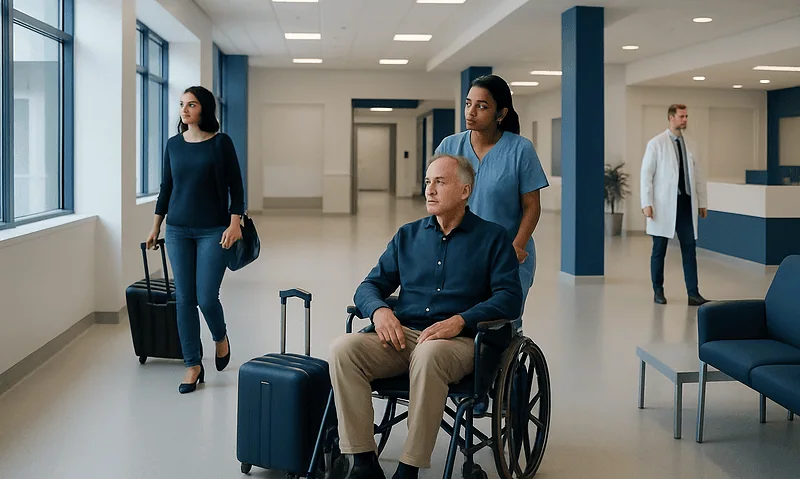
Returning Home with New Medical Restrictions: A Travel Planning Guide
Returning home with medical restrictions: plan safe travel from Turkey with medical clearance, documents, medication and follow-up support.
8 min read
How to Prepare a Caregiver for Your Recovery at Home
Caregiver preparation for recovery at home helps you plan safe support, medicines, appointments and warning signs after treatment in Turkey.
8 min read
Remote Results Review After Returning Home: When to Book Your Next Check-In
Remote results review after treatment in Turkey helps you plan follow-up safely, understand results and know when to contact your care team.
8 min read
Compression Stockings for Travel After Treatment in Turkey
Compression stockings for travel after treatment in Turkey can support circulation, but use them only as advised by your care team.
8 min read