Daytime Sleepiness in Children: When Narcolepsy Should Be Suspected
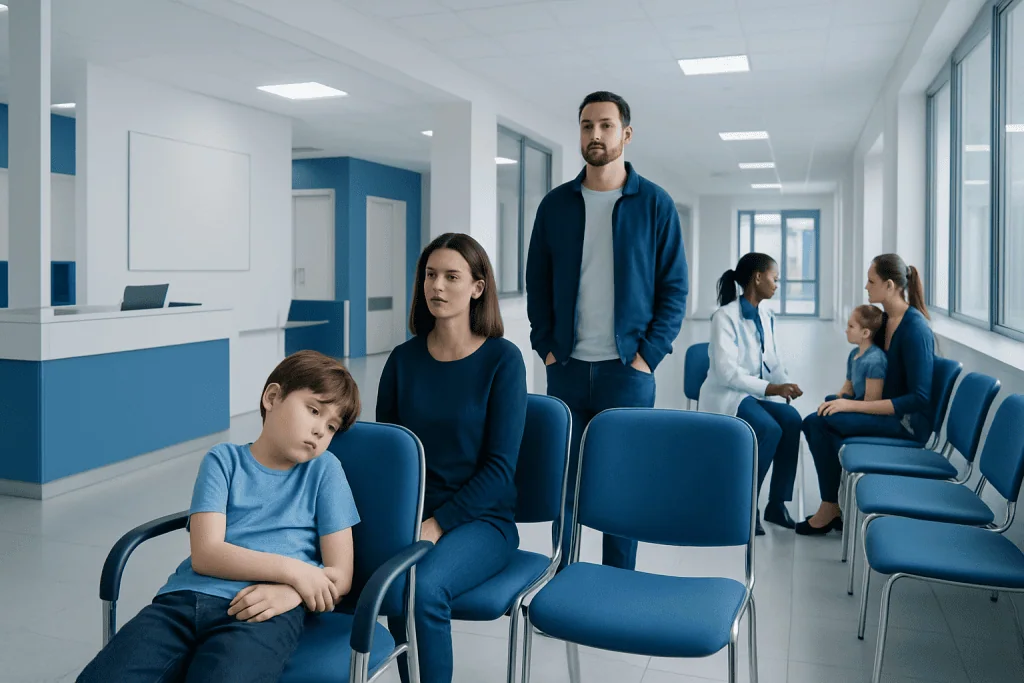
Persistent daytime sleepiness in children is not always caused by poor sleep habits alone. Narcolepsy may cause irresistible sleep episodes, vivid dreams, sleep paralysis, and sometimes sudden muscle weakness called cataplexy.
Key Takeaways
- Persistent daytime sleepiness in children is not always caused by poor sleep habits alone.
- Narcolepsy may cause irresistible sleep episodes, vivid dreams, sleep paralysis, and sometimes sudden muscle weakness called cataplexy.
- Diagnosis usually involves a careful medical history, sleep assessment, and specialized sleep testing.
- Treatment often combines lifestyle strategies, school support, and medication when appropriate.
- A child with ongoing sleepiness, learning difficulties, or unusual sleep-related symptoms should be assessed by a qualified doctor.
Daytime sleepiness in children is often linked to not getting enough sleep, but in some cases it may point to narcolepsy. Recognizing the pattern early can help families seek the right evaluation and support.
Overview
Daytime sleepiness in children is common, especially during busy school years, growth spurts, and periods of irregular sleep. In many cases, the cause is straightforward, such as a late bedtime, poor sleep quality, stress, or another medical condition that disrupts rest. However, when a child seems unusually sleepy despite having enough time in bed, a more specific sleep disorder may need to be considered.
Narcolepsy is a chronic neurological sleep disorder that affects the brain’s control of sleep and wakefulness. Children with narcolepsy may fall asleep suddenly, struggle to stay alert in class, or appear unfocused and irritable. Because these symptoms can look like laziness, attention problems, or mood changes, the condition is sometimes missed for years.
Not every sleepy child has narcolepsy, and narcolepsy is much less common than sleep deprivation or obstructive sleep apnea. Still, it should be suspected when daytime sleepiness is persistent, disruptive, and accompanied by symptoms such as vivid dream-like experiences, sleep paralysis, or episodes of sudden weakness triggered by laughter or strong emotion. Early recognition can make school life, social development, and daily routines easier to manage.
Symptoms That May Suggest Narcolepsy
The main symptom of narcolepsy is excessive daytime sleepiness. A child may seem unable to stay awake during quiet activities, fall asleep in the car or at school, or need frequent naps that are hard to resist. Some children do not describe feeling sleepy in the usual way. Instead, they may become hyperactive, restless, inattentive, or unusually emotional when tired.
Another important symptom is cataplexy, which is a sudden brief loss of muscle tone while the child remains awake. It may be triggered by laughter, excitement, surprise, or anger. In children, cataplexy can be subtle and may appear as facial drooping, head nodding, slurred speech, jaw weakness, or knees buckling rather than a dramatic collapse.
Other symptoms can include sleep paralysis, vivid dreams as the child falls asleep or wakes up, fragmented nighttime sleep, and automatic behaviors such as continuing an activity without full awareness. Parents and teachers may also notice declining school performance, forgetfulness, mood swings, or social withdrawal. These signs can overlap with other sleep disorders or behavioral concerns, which is one reason an expert assessment is important.
- Frequent unintended naps or sleep attacks
- Difficulty waking in the morning
- Cataplexy triggered by emotion
- Vivid dream-like hallucinations around sleep
- Sleep paralysis
- Poor concentration, irritability, or school problems
Causes and Risk Factors

Narcolepsy is a neurological condition, not a sign of poor motivation or parenting. In many people with narcolepsy type 1, the brain has a loss of cells that produce hypocretin, also called orexin, a chemical that helps regulate wakefulness and muscle tone. The exact reason this happens is not always known, but experts believe immune-related processes and genetic susceptibility may play a role.
Narcolepsy can begin in childhood or adolescence, although the diagnosis may be delayed because symptoms are mistaken for more common problems. A family history of narcolepsy is uncommon but can increase the likelihood slightly. Some children develop rapid weight gain, early puberty changes, or disrupted nighttime sleep around the time symptoms begin.
It is also important to remember that many other conditions can cause daytime sleepiness in children. These include insufficient sleep, irregular schedules, anxiety, depression, medications, epilepsy, iron deficiency, circadian rhythm disorders, and breathing-related sleep conditions such as obstructive sleep apnea. A doctor will usually consider these possibilities before confirming narcolepsy.
How Doctors Diagnose Narcolepsy in Children
Diagnosis begins with a detailed history from both the child and caregivers. The doctor will ask about bedtime routines, total sleep time, naps, school behavior, emotional triggers for weakness, medications, and any signs of snoring or breathing pauses during sleep. A sleep diary and, in some cases, actigraphy may help show the child’s sleep pattern over one to two weeks.
Specialized sleep testing is often needed. An overnight sleep study, called polysomnography, can look for other causes of sleepiness and assess sleep quality. This is commonly followed the next day by a multiple sleep latency test, which measures how quickly the child falls asleep during scheduled nap opportunities and whether dream sleep begins unusually fast. In selected cases, doctors may also use laboratory tests or spinal fluid testing, though these are not needed for every child.
Because symptoms may overlap with attention-deficit/hyperactivity disorder, mood disorders, seizures, and other sleep conditions, diagnosis can take time. Evaluation in a sleep center with pediatric expertise is often helpful. When needed, clinicians may recommend a broader sleep study and, if symptoms suggest other neurological concerns, a child may also be assessed by specialists in neurology care.
Treatment Options and Long-Term Management
There is no single cure for narcolepsy, but treatment can greatly improve a child’s daily functioning and quality of life. Care usually combines education, planned routines, school accommodations, and medication tailored to the child’s symptoms and age. Since symptoms can change over time, treatment often needs regular review.
Lifestyle strategies are an important foundation. Many children benefit from a consistent sleep schedule, planned short naps, regular physical activity, and avoidance of sleep deprivation. Families and teachers can work together to create a supportive routine, such as allowing brief scheduled naps, extra time for assignments, or seating arrangements that help the child stay engaged.
Medications may be used to improve wakefulness or reduce cataplexy and disturbed nighttime sleep when symptoms are significant. The choice depends on the child’s age, symptom pattern, other medical conditions, and local prescribing guidance. Follow-up is important to monitor benefits, side effects, growth, mood, and school performance. In more complex cases, care may involve sleep medicine specialists, pediatricians, psychologists, and educators. If another sleep problem is found at the same time, targeted treatment such as sleep apnea treatment may also be needed.
Daily Life, School Support, and Self-care
Narcolepsy can affect learning, friendships, confidence, and family routines, but practical support can make a meaningful difference. Children often do best when adults understand that symptoms are medical, not deliberate behavior. A child who falls asleep in class or seems distracted may be coping with a real neurological sleep disorder rather than lack of effort.
Helpful school measures may include a written support plan, scheduled nap breaks, flexibility for tests, permission to move around when sleepy, and communication between parents, teachers, and healthcare professionals. Adolescents may also need guidance about sports, public transportation, and later driving eligibility, depending on local rules and symptom control.
At home, families can encourage regular bedtimes, limit caffeine and late-night screen use, and keep a simple record of symptoms. Emotional support matters too, since some children feel embarrassed, anxious, or isolated. If mood, behavior, or coping becomes difficult, psychological support can be useful. In centers such as Acibadem International, multidisciplinary specialists in JCI-accredited hospitals evaluate sleep-related neurological conditions in international patients and coordinate care when needed.
When to See a Doctor
A medical review is appropriate when daytime sleepiness in children is frequent, unexplained, or beginning to affect school, mood, or safety. Parents should seek advice if a child regularly falls asleep in class, cannot stay awake during normal daytime activities, or needs unusually long naps despite a reasonable sleep schedule.
Prompt assessment is especially important if sleepiness occurs along with sudden weakness during laughter or excitement, vivid dream-like experiences when falling asleep or waking, sleep paralysis, loud snoring, witnessed pauses in breathing, or major changes in behavior and learning. These symptoms do not always mean narcolepsy, but they deserve evaluation.
Families do not need to make the diagnosis on their own. A pediatrician or sleep specialist can help sort through common causes, arrange testing when needed, and explain the next steps clearly. Early assessment can reduce misunderstanding, support a child’s development, and lead to more effective day-to-day management.
Frequently asked questions
Is it normal for children to be sleepy during the day?
Mild daytime tiredness can happen, especially if a child is not getting enough sleep or has a busy schedule. Persistent or severe daytime sleepiness is not considered normal and should be discussed with a doctor.
What is the difference between tiredness and narcolepsy?
Ordinary tiredness usually improves with enough good-quality sleep. Narcolepsy causes ongoing excessive sleepiness and may include symptoms such as sudden sleep episodes, cataplexy, sleep paralysis, or vivid dreams around sleep.
Can narcolepsy be mistaken for ADHD or behavioral problems?
Yes. Sleepy children may seem inattentive, impulsive, irritable, or hyperactive, which can resemble ADHD or other behavioral concerns. A careful sleep history and specialist evaluation can help distinguish the cause.
At what age can narcolepsy begin?
Narcolepsy can start in childhood, the teenage years, or adulthood. In children, the first signs are sometimes subtle, so diagnosis may be delayed unless the pattern is recognized.
How is narcolepsy confirmed in a child?
Doctors usually begin with a detailed history, sleep diary, and examination. Many children then need overnight sleep testing and a daytime nap test to measure how quickly they fall asleep and how their sleep cycles behave.
Can children with narcolepsy go to school and live normally?
Yes, with the right support many children do very well. Treatment, scheduled naps, regular sleep habits, and school accommodations can help improve learning, participation, and daily independence.
References
- American Academy of Sleep Medicine
- National Institute of Neurological Disorders and Stroke
- National Health Service
- MedlinePlus
- American Academy of Pediatrics
This article is for general information only and is not a substitute for professional medical advice. Please consult a qualified doctor about your individual situation.
Narcolepsy in Turkey — costs, top hospitals & a free quote
JCI-accredited · board-certified surgeons · reply within 24h
Add us as a Preferred Source to see more of our trusted health content across Google Search, AI Overviews and Discover.