Sleep Attacks, Dream Enactment, and Other Clues of Neurological Sleep Disorders

Neurological sleep disorders involve the brain and nervous system pathways that regulate sleep and wakefulness. Sleep attacks, dream enactment, excessive daytime sleepiness, and unusual nighttime movements are important warning signs.
Key Takeaways
- Neurological sleep disorders involve the brain and nervous system pathways that regulate sleep and wakefulness.
- Sleep attacks, dream enactment, excessive daytime sleepiness, and unusual nighttime movements are important warning signs.
- Diagnosis often combines a detailed medical history, sleep questionnaires, and overnight sleep studies.
- Treatment depends on the specific disorder and may include lifestyle changes, safety measures, medications, or positive airway pressure therapy.
- Early assessment can improve daily function, reduce injury risk, and identify related neurological conditions.
Neurological sleep disorders affect how the brain controls sleep, wakefulness, breathing, and movement during the night. Clues such as sudden sleep attacks, acting out dreams, unusual nighttime behaviors, or excessive daytime sleepiness should be evaluated because they may point to a treatable condition.
Overview
Neurological sleep disorders are conditions in which the brain, nerves, or related body systems disrupt normal sleep. Sleep is not simply “switching off.” It is an active process controlled by complex networks that regulate alertness, dreaming, muscle tone, breathing, and body movements. When these systems do not work properly, a person may feel very sleepy during the day, behave unusually during sleep, or have trouble moving smoothly between sleep and wakefulness.
Common clues include sudden sleep attacks, vivid dream enactment, episodes of weakness triggered by emotions, repeated leg movements, or daytime fatigue that does not improve with enough time in bed. Some people also snore loudly, stop breathing briefly during sleep, or wake with headaches and poor concentration. In other cases, the main sign is unusual behavior at night, such as talking, shouting, punching, kicking, or getting out of bed while still asleep.
These symptoms may be linked to conditions such as narcolepsy, REM sleep behavior disorder, restless legs syndrome, periodic limb movement disorder, or sleep-related breathing disorders. Sometimes they occur on their own, and sometimes they are associated with another neurological illness. Because the causes vary, a careful medical evaluation is important to identify the problem and guide treatment.
Symptoms and Warning Signs
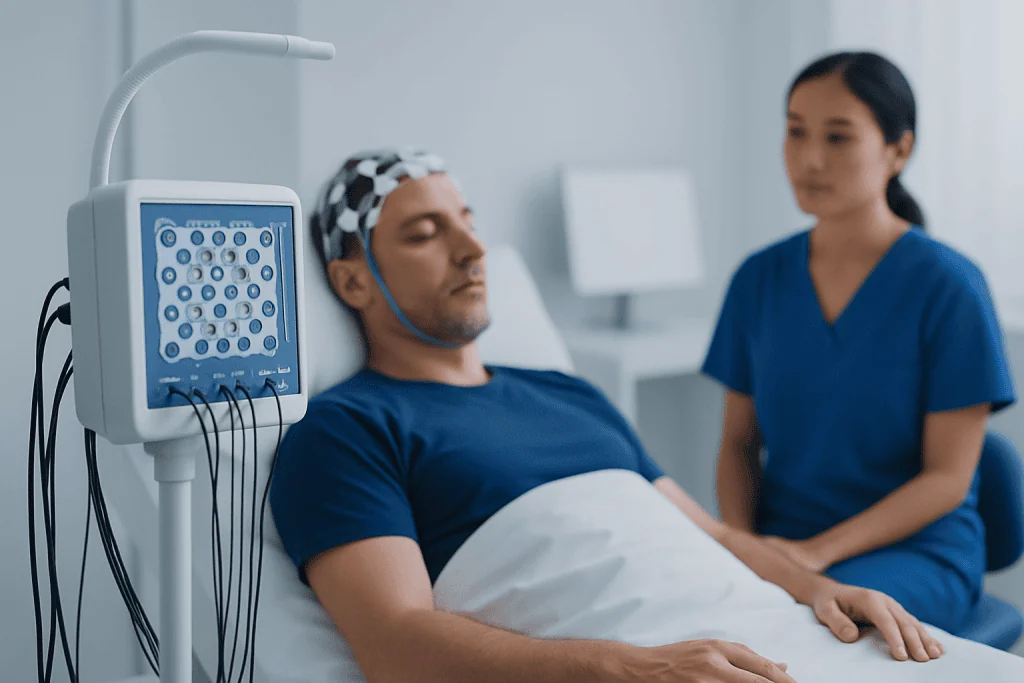
The symptoms of neurological sleep disorders can differ widely depending on which part of sleep regulation is affected. Excessive daytime sleepiness is one of the most common complaints. A person may struggle to stay awake during quiet activities, drift off unexpectedly, or feel mentally foggy despite spending enough hours in bed. These “sleep attacks” can interfere with work, school, driving, and daily safety.
Dream enactment is another important sign. During normal REM sleep, the body’s muscles are largely relaxed so dreams are not acted out. In REM sleep behavior disorder, that protective muscle relaxation is reduced or absent. A person may talk, shout, laugh, flail, punch, kick, or jump from bed while dreaming. This can lead to accidental injury to the sleeper or a bed partner.
Other symptoms may include sudden loss of muscle strength with strong emotions, vivid hallucinations at sleep onset or on waking, sleep paralysis, frequent nighttime awakenings, unusual jerking or repetitive limb movements, and restless sensations in the legs that worsen in the evening. Some people also have symptoms of sleep apnea, such as loud snoring, pauses in breathing, gasping, dry mouth, or morning fatigue.
- Unexpected daytime sleep episodes
- Acting out dreams with movements or vocal sounds
- Strong urge to move the legs at night
- Repeated kicking or twitching during sleep
- Sleep paralysis or vivid dream-like hallucinations
- Poor memory, irritability, or concentration problems from disrupted sleep
Causes and Risk Factors

Neurological sleep disorders can arise from many different mechanisms. Narcolepsy, for example, is linked to a problem in the brain systems that promote stable wakefulness and REM sleep control. REM sleep behavior disorder involves changes in the brain pathways that normally keep muscles still during dreaming. Restless legs syndrome may be associated with iron regulation, nerve signaling, kidney disease, pregnancy, or certain medications. Sleep-related breathing disorders occur when breathing is repeatedly interrupted during sleep, reducing oxygen and fragmenting rest.
Risk factors vary by condition. Family history can play a role in some disorders. Older age is associated with a higher chance of certain nighttime movement problems and REM sleep behavior disorder. Obesity, nasal blockage, alcohol use, sedating medications, and some anatomical features can contribute to breathing-related sleep problems. Neurological diseases such as Parkinsonian disorders may also be linked with dream enactment and other sleep changes.
Medical and mental health conditions can worsen sleep as well. Anxiety, depression, chronic pain, thyroid disease, iron deficiency, and irregular schedules may all affect sleep quality or imitate a neurological sleep disorder. Because symptoms can overlap, doctors usually look at the whole person rather than one symptom alone.
How Doctors Diagnose Neurological Sleep Disorders
Diagnosis usually starts with a detailed history. The doctor asks about daytime sleepiness, bedtime habits, dream-related behaviors, snoring, breathing pauses, medications, alcohol use, work schedule, and any injuries during sleep. Input from a bed partner or family member can be very helpful, especially when the person is not fully aware of what happens overnight.
Sleep questionnaires and a sleep diary may help identify patterns. A physical examination may look for signs of airway narrowing, movement abnormalities, or underlying neurological disease. Blood tests are sometimes used to check for contributing factors such as iron deficiency, thyroid problems, or other medical issues that can disturb sleep.
Many people need specialized testing. An overnight sleep study, called polysomnography, records brain waves, breathing, oxygen levels, heart rhythm, eye movements, and muscle activity. This can help confirm disorders such as REM sleep behavior disorder or detect breathing-related problems. If narcolepsy is suspected, a daytime nap study after an overnight test may measure how quickly the person falls asleep and whether REM sleep begins unusually early.
In some cases, further neurological evaluation is recommended, particularly if there are symptoms such as tremor, stiffness, memory changes, fainting, or persistent weakness. The goal is not only to name the sleep disorder but also to understand whether it is connected to another condition that needs care.
Treatment Options
Treatment depends on the specific diagnosis, symptom severity, and the person’s overall health. For excessive daytime sleepiness and narcolepsy, doctors may recommend structured sleep schedules, planned naps, and medicines that improve wakefulness or help control REM-related symptoms. For restless legs syndrome, treatment may include correcting iron deficiency if present, reviewing medications that may worsen symptoms, and using medicines when needed.
For dream enactment, safety is a major part of treatment. Doctors may advise removing sharp objects from the bedroom, placing padding near the bed, moving furniture, protecting windows, or having the person sleep separately for a period if injuries are occurring. Medications may be prescribed when behaviors are frequent, violent, or disruptive. If another neurological disorder is suspected, that condition is also assessed and managed.
When testing shows obstructive sleep apnea or another breathing-related disorder, treatment may include weight management, sleeping position changes, oral appliances, or CPAP therapy to keep the airway open during sleep. In selected cases, sleep apnea surgery may be considered. A multidisciplinary sleep team may also evaluate whether overnight polysomnography or additional neurophysiological testing is needed to refine the diagnosis and monitor response to treatment.
Not every symptom points to a neurological disease, and many sleep disorders are manageable once identified. Near the end of a care journey, some patients may benefit from coordinated follow-up with neurologists, sleep specialists, and other clinicians. Acibadem International’s multidisciplinary specialists and JCI-accredited hospitals diagnose and treat neurological sleep disorders for international patients when expert evaluation is needed.
Prevention and Self-Care
Not all neurological sleep disorders can be prevented, but healthy sleep habits can reduce symptom burden and improve overall sleep quality. A consistent sleep schedule, a comfortable sleep environment, and avoiding sleep deprivation are useful for many conditions. Going to bed and waking up at regular times helps the brain maintain a more stable sleep-wake rhythm.
Alcohol, recreational drugs, and some sedating medicines can worsen dream enactment, snoring, and fragmented sleep. Caffeine late in the day may increase restlessness or delay sleep. People with leg discomfort at night may find it helpful to limit triggers, stay physically active in a balanced way, and discuss iron status or medications with a doctor rather than self-treating.
Safety measures are especially important when abnormal behaviors happen during sleep. Padding corners, lowering the bed, locking doors or windows when appropriate, and removing dangerous objects can reduce injury risk. Daytime safety matters too: a person with sudden sleep episodes or severe sleepiness should avoid driving or operating hazardous machinery until properly evaluated and treated.
When to See a Doctor
Medical advice is important when sleep symptoms are frequent, disruptive, or unsafe. A person should seek evaluation if they regularly fall asleep unintentionally, wake unrefreshed despite enough sleep, or have nighttime behaviors such as shouting, punching, kicking, or leaving the bed while dreaming. These symptoms may be treatable, and early diagnosis can prevent complications.
Urgent assessment is especially important if there is injury during sleep, dangerous daytime drowsiness, breathing pauses, chest symptoms, blackouts, or sudden weakness triggered by emotion. Parents should also seek help for children or teenagers with persistent daytime sleepiness, unusual nocturnal behaviors, or school performance changes linked to poor sleep.
Because neurological sleep disorders can sometimes overlap with movement disorders, breathing disorders, mental health conditions, or medication effects, it is best to consult a qualified doctor rather than assume a single cause. Timely care can improve safety, concentration, mood, and quality of life.
Frequently asked questions
What is a neurological sleep disorder?
A neurological sleep disorder is a condition in which the brain or nervous system disrupts normal sleep, wakefulness, movement, or breathing during sleep. Examples include narcolepsy, REM sleep behavior disorder, restless legs syndrome, and some sleep-related breathing disorders.
Are sleep attacks the same as being tired?
No. Ordinary tiredness usually improves with rest, while sleep attacks are sudden, hard-to-resist episodes of sleep that may happen even after adequate time in bed. They can be a sign of narcolepsy or another sleep disorder and should be assessed by a doctor.
What does dream enactment mean?
Dream enactment means physically acting out dreams during sleep, such as talking, yelling, punching, kicking, or jumping from bed. It can occur in REM sleep behavior disorder and may increase the risk of injury, so medical evaluation is recommended.
How are neurological sleep disorders diagnosed?
Doctors usually begin with a detailed medical history, symptom review, and sometimes a sleep diary or questionnaires. Many patients also need an overnight sleep study, and some may have daytime testing or blood tests depending on the suspected cause.
Can neurological sleep disorders be treated?
Yes, many can be treated or managed effectively. Treatment depends on the specific disorder and may include lifestyle measures, safety changes, medications, treatment of related medical problems, or breathing support such as CPAP for sleep apnea.
When should someone seek urgent help for sleep symptoms?
Urgent medical advice is needed if sleep symptoms are causing injuries, dangerous drowsiness while driving, repeated breathing pauses, fainting, or sudden weakness. It is also important to seek prompt care if symptoms are worsening quickly or interfering strongly with daily life.
References
- American Academy of Sleep Medicine
- National Institute of Neurological Disorders and Stroke
- National Heart, Lung, and Blood Institute
- National Institute on Aging
- Mayo Clinic
This article is for general information only and is not a substitute for professional medical advice. Please consult a qualified doctor about your individual situation.
Explore treatments in Turkey — costs, top hospitals & a free quote
JCI-accredited · board-certified surgeons · reply within 24h
Add us as a Preferred Source to see more of our trusted health content across Google Search, AI Overviews and Discover.