What Is a Brain Doctor Called? Specialists for Stroke, Memory, and Headache
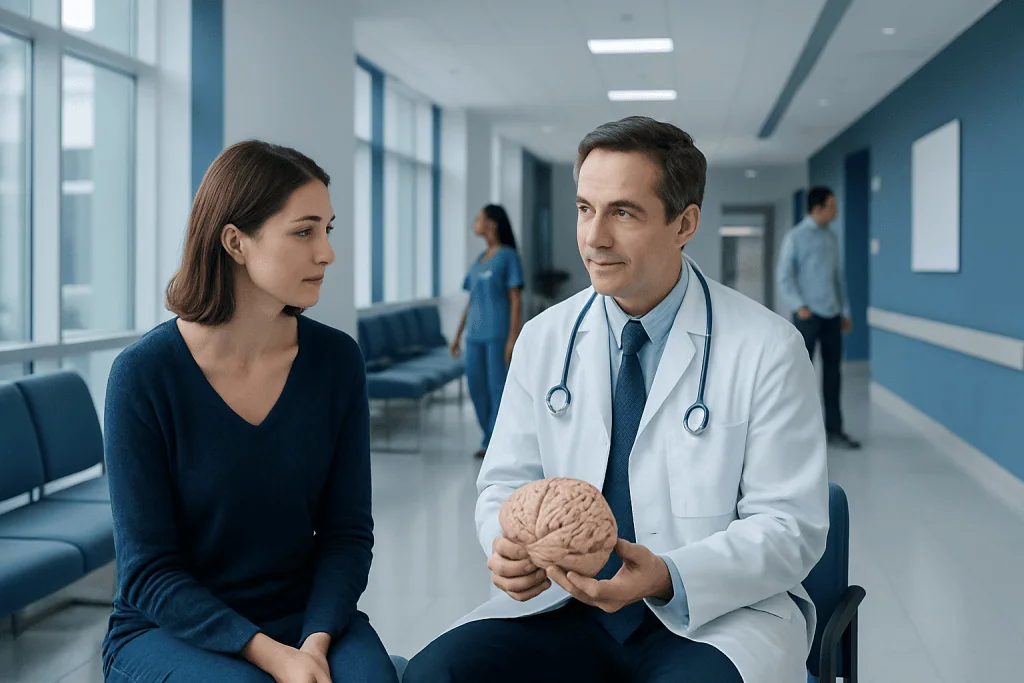
A neurologist is the main medical specialist for disorders of the brain, spinal cord, and nerves. Different brain-related symptoms may be treated by subspecialists such as stroke neurologists, headache specialists, memory specialists, or neurosurgeons.
Key Takeaways
- A neurologist is the main medical specialist for disorders of the brain, spinal cord, and nerves.
- Different brain-related symptoms may be treated by subspecialists such as stroke neurologists, headache specialists, memory specialists, or neurosurgeons.
- Emergency symptoms such as sudden weakness, trouble speaking, or severe sudden headache need urgent medical care.
- Diagnosis may involve a neurological exam, blood tests, and imaging such as CT or MRI.
- Treatment can include medicines, rehabilitation, lifestyle changes, procedures, or surgery depending on the cause.
A brain doctor is most often called a neurologist, but several types of specialists may care for brain and nervous system conditions. The right doctor depends on the person’s symptoms, such as stroke, memory changes, headaches, seizures, or balance problems.
Overview: What Is a Brain Doctor Called?
A brain doctor is usually called a neurologist. A neurologist is a physician who diagnoses and treats conditions affecting the brain, spinal cord, and nerves. This includes problems such as stroke, migraine, epilepsy, memory loss, neuropathy, tremor, dizziness, and movement disorders.
However, “brain doctor” is a broad term. Different specialists may be involved depending on the problem. For example, a person with a brain tumor may see a neurologist, a neurosurgeon, and an oncologist. Someone with a stroke may be treated by a vascular neurologist, an emergency team, rehabilitation specialists, and sometimes an interventional neuroradiologist.
Many people start with a primary care doctor, who reviews symptoms and decides whether referral to a neurologist or another specialist is needed. This can be helpful because headaches, memory concerns, and numbness may sometimes be caused by non-neurological problems such as sleep disorders, vitamin deficiencies, infections, or medication side effects.
Understanding which specialist treats which condition can make the next step clearer and less stressful. It can also help patients prepare for appointments and ask more focused questions about diagnosis, treatment, and follow-up care.
Which Specialist Treats Stroke, Memory Problems, and Headaches?
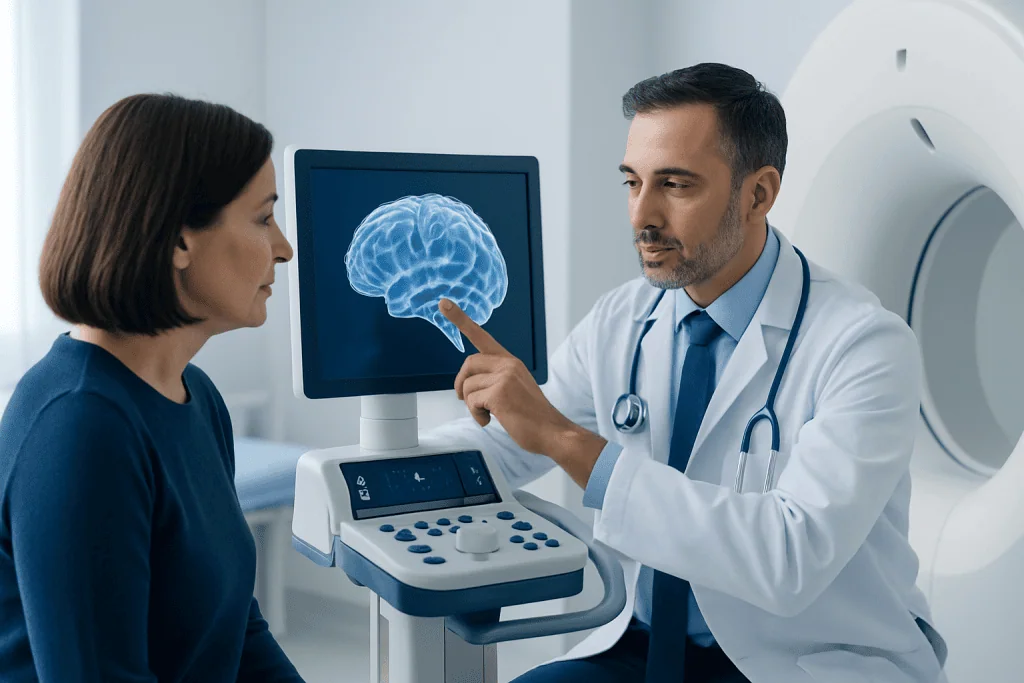
The best specialist depends on the symptom or diagnosis. A general neurologist often evaluates many brain-related complaints first and may then refer to a subspecialist when needed. Subspecialists have additional training in specific conditions.
For stroke, the specialist is often a vascular neurologist, also called a stroke neurologist. This doctor focuses on reduced blood flow or bleeding in the brain, stroke prevention, and recovery planning. In some situations, care may also involve interventional neuroradiology for procedures that open blocked blood vessels or treat certain vascular problems.
For memory problems, a patient may see a neurologist with experience in cognitive disorders, behavioral neurology, or geriatric neurology. These specialists assess causes of forgetfulness, confusion, and changes in thinking. Memory loss is not always dementia, so evaluation may look for reversible causes as well as conditions such as Alzheimer’s disease.
For headaches, care may be provided by a neurologist or a headache medicine specialist. These doctors evaluate migraine, tension-type headache, cluster headache, and secondary headaches caused by another condition. They help distinguish common headaches from warning signs that may need urgent investigation.
- Neurologist: General evaluation of brain, nerve, and spinal cord symptoms
- Vascular neurologist: Stroke, transient ischemic attack, and blood vessel disorders of the brain
- Headache specialist: Migraine and other recurring headache disorders
- Memory specialist: Cognitive decline, dementia, and changes in thinking or behavior
- Neurosurgeon: Surgery for some tumors, bleeding, hydrocephalus, nerve compression, or structural problems
Other Types of Brain and Nervous System Specialists
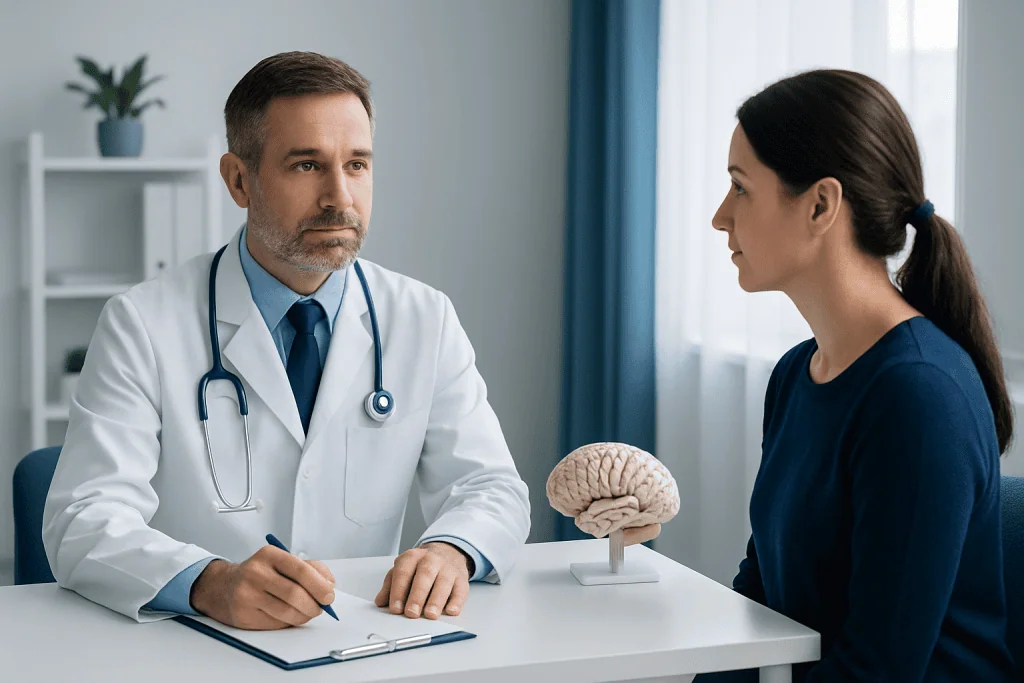
Not every brain-related problem is treated by the same doctor. Neurology has many subspecialties, and collaboration between teams is common. This is especially true when symptoms overlap, such as dizziness with headache, weakness with spinal problems, or memory changes with sleep disturbance.
A neurosurgeon is a surgeon who operates on the brain, spine, or nerves when surgery is needed. This may include treatment of brain tumors, some bleeding emergencies, hydrocephalus, certain seizure conditions, or spinal nerve compression. A neurologist and neurosurgeon often work together, with the neurologist focusing on diagnosis and medical management and the neurosurgeon assessing whether an operation would help.
Other relevant specialists may include an epileptologist for seizures, a movement disorders neurologist for Parkinson’s disease and tremor, a neuro-otologist for dizziness, a neuro-ophthalmologist for vision problems linked to the nervous system, and a neuroradiologist who interprets brain imaging. Rehabilitation physicians, physical therapists, speech therapists, and occupational therapists also play an important role after stroke or other neurological illness.
Because symptoms can point in different directions, the “right” brain doctor is not always obvious at first. A careful history, physical examination, and basic tests usually guide referral to the most appropriate specialist.
Symptoms That May Need a Brain Specialist
People often wonder when symptoms are serious enough to see a neurologist. In general, medical advice is appropriate for persistent, worsening, unusual, or unexplained symptoms involving thinking, movement, sensation, balance, speech, or consciousness. Some symptoms are urgent and should never wait for a routine appointment.
Common reasons to see a brain specialist include frequent or severe headaches, repeated dizziness, numbness or tingling, weakness, memory loss, seizures, tremor, fainting, double vision, balance problems, and changes in speech or behavior. A neurologist can help determine whether these symptoms come from the brain, spinal cord, nerves, muscles, blood vessels, or another medical condition.
Urgent symptoms include sudden weakness on one side, facial drooping, confusion, trouble speaking, sudden loss of vision, a seizure without recovery, or the worst sudden headache of a person’s life. These can be signs of stroke or other emergencies. Suspected stroke needs immediate emergency evaluation because early treatment may reduce brain injury.
Headache also deserves prompt attention if it is new after age 50, follows head injury, comes with fever or neck stiffness, wakes a person from sleep regularly, or happens together with weakness, confusion, or visual changes. While many headaches are not dangerous, these patterns should be assessed without delay.
How Brain Conditions Are Diagnosed
Diagnosis usually begins with a detailed medical history and neurological examination. The doctor asks when symptoms started, how they have changed, what makes them better or worse, and whether there is a family history of neurological disease. The neurological exam checks strength, reflexes, sensation, coordination, walking, eye movements, speech, and thinking.
Depending on the symptoms, tests may include blood work, brain imaging, or specialized studies. A CT scan is often used in emergencies because it is quick and can identify bleeding or major structural changes. An MRI gives more detailed images and may help diagnose stroke, multiple sclerosis, tumors, inflammation, or causes of chronic headache. In some cases, additional testing such as EEG, nerve conduction studies, lumbar puncture, or ultrasound of blood vessels may be recommended.
For memory concerns, testing may include cognitive screening and more detailed neuropsychological assessment. Doctors also look for potentially reversible causes such as thyroid disease, sleep apnea, depression, vitamin deficiency, medication effects, or infection. For headache, the history is often especially important because many primary headache disorders are diagnosed mainly by symptom pattern.
When a vascular problem is suspected, specialists may assess the arteries and veins supplying the brain. This can help diagnose conditions related to stroke, transient ischemic attack, aneurysm, or vessel narrowing. Accurate diagnosis is important because treatment differs greatly depending on the cause.
Treatment Options and What to Expect
Treatment depends on the diagnosis, symptom severity, and a person’s overall health. Some neurological conditions are managed mainly with medication, while others may need rehabilitation, procedures, or surgery. Care often continues over time because many brain and nerve conditions benefit from monitoring and adjustment of treatment plans.
For stroke, emergency treatment aims to restore blood flow or control bleeding as quickly as possible. After the urgent phase, treatment may include medicines to lower the risk of another stroke, management of blood pressure and cholesterol, and rehabilitation to improve speech, movement, and independence. Some patients may need neurology rehabilitation to support recovery.
For migraines and other recurring headaches, treatment may include medications to stop an attack, preventive therapy to reduce how often headaches occur, attention to sleep and hydration, and avoidance of personal triggers when known. For memory disorders, management may include treatment of reversible causes, medicines for some types of dementia, safety planning, cognitive support, and family education. If surgery is needed for a tumor, hydrocephalus, or another structural problem, referral to neurosurgery may be part of care.
Patients often benefit from a team approach. At Acibadem International, multidisciplinary specialists in JCI-accredited hospitals diagnose and treat brain and nervous system conditions for international patients, with care plans tailored to the individual condition and recovery needs.
Prevention, Self-Care, and When to See a Doctor
Not every neurological condition can be prevented, but healthy habits can lower the risk of some major brain disorders, especially stroke and vascular cognitive decline. Helpful steps include controlling blood pressure, managing diabetes, not smoking, staying physically active, eating a balanced diet, limiting alcohol, and taking prescribed medicines regularly. Adequate sleep and stress management may also reduce headaches and support cognitive health.
For people with frequent headaches, a symptom diary can be useful. It may show patterns related to sleep, dehydration, skipped meals, hormonal changes, stress, or specific foods. For memory concerns, families can note when problems began, whether they are getting worse, and whether they interfere with finances, driving, medication use, or daily routines.
A routine medical appointment is appropriate for recurring headaches, mild memory changes, tremor, numbness, balance problems, or other symptoms that are not improving. Seeking care early may make diagnosis easier and help treatment start before symptoms interfere more with daily life.
Emergency care is needed for sudden stroke-like symptoms, loss of consciousness, a new seizure, severe sudden headache, or rapidly worsening confusion. When in doubt, it is safest to seek urgent medical attention rather than wait.
Frequently asked questions
Is a brain doctor the same as a neurologist?
Usually, yes. When people say “brain doctor,” they often mean a neurologist, a physician who treats disorders of the brain, spinal cord, and nerves. In some cases, the right specialist may instead be a neurosurgeon or a neurologist with subspecialty training.
What kind of doctor treats stroke?
Stroke is often treated by a vascular neurologist, also called a stroke specialist. Emergency doctors, radiology specialists, neurosurgeons, and rehabilitation professionals may also be involved depending on the type and severity of the stroke.
Who should someone see for memory loss?
A neurologist with expertise in memory and cognitive disorders is often the most appropriate specialist. A geriatrician, psychiatrist, or primary care doctor may also be part of the evaluation, especially because memory changes can have several possible causes.
Should a person see a neurologist for headaches?
Many headaches can be assessed by a primary care doctor, but recurring, severe, unusual, or disabling headaches may need a neurologist or headache specialist. Urgent care is needed for sudden severe headache or headache with weakness, confusion, fever, or vision changes.
What is the difference between a neurologist and a neurosurgeon?
A neurologist diagnoses and treats neurological conditions mainly with medical, non-surgical care. A neurosurgeon is trained to perform operations on the brain, spine, and nerves when surgery is the best option.
Do all memory problems mean dementia?
No. Memory problems can also be related to stress, poor sleep, depression, medication effects, vitamin deficiency, thyroid problems, or other medical conditions. A proper medical evaluation is important because some causes may be treatable.
References
- World Health Organization
- American Academy of Neurology
- National Institute of Neurological Disorders and Stroke
- Centers for Disease Control and Prevention
- Alzheimer's Association
This article is for general information only and is not a substitute for professional medical advice. Please consult a qualified doctor about your individual situation.
Joint and spine care in Turkey — expert assessment & treatment
JCI-accredited · board-certified surgeons · reply within 24h
Add us as a Preferred Source to see more of our trusted health content across Google Search, AI Overviews and Discover.