Why Falls Increase With Age: A Neurology Perspective

Falls in older adults are often caused by several factors working together, not one single problem. Age-related changes in the brain, nerves, muscles, vision, and inner ear can all affect balance.
Key Takeaways
- Falls in older adults are often caused by several factors working together, not one single problem.
- Age-related changes in the brain, nerves, muscles, vision, and inner ear can all affect balance.
- Neurological conditions such as stroke, Parkinson’s disease, neuropathy, and dementia may increase fall risk.
- A fall assessment may include a physical exam, medication review, gait and balance testing, and sometimes imaging or nerve studies.
- Many falls can be prevented with exercise, home safety changes, proper footwear, and treatment of underlying conditions.
Falls become more common with age for many reasons, and the nervous system is an important part of the picture. Changes in balance, walking, reaction time, vision, sensation, and brain function can all affect stability, especially when combined with medication effects or medical conditions.
Overview: Why Falls Become More Common With Age
Falls in older adults are common, but they are not simply an unavoidable part of aging. In many cases, falls happen because several body systems that support balance and movement begin to change over time. These include the brain, spinal cord, peripheral nerves, muscles, joints, inner ear, and eyes. When these systems do not work together as smoothly as before, walking can become less steady and reacting to a loss of balance may take longer.
From a neurology perspective, balance is an active process. The brain constantly combines information from vision, the inner ear, and sensory nerves in the feet and legs to understand where the body is in space. It then sends signals to the muscles to keep posture upright and adjust each step. If any part of this network is affected, the risk of stumbling or falling can rise.
Older adults may also have more than one risk factor at the same time. For example, a person may have weaker leg muscles, reduced feeling in the feet, poor night vision, and side effects from medication. Each issue may seem small on its own, but together they can significantly affect stability. This is why fall prevention usually works best when it looks at the whole person rather than one symptom alone.
How the Nervous System Helps Maintain Balance
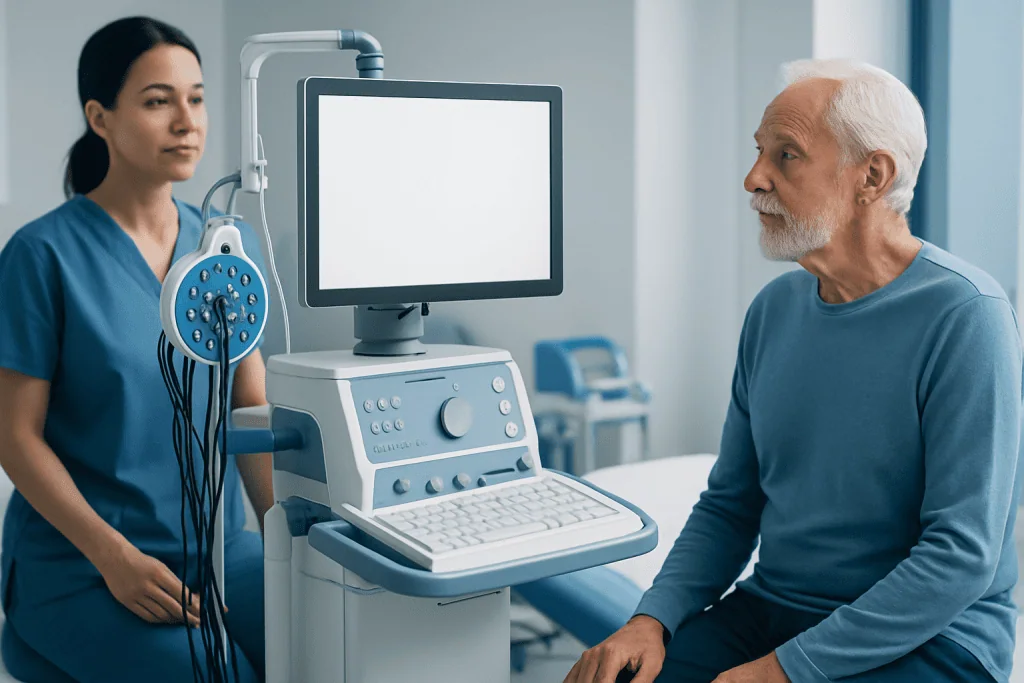
Walking and balance may look automatic, but they depend on complex neurological coordination. The brain plans movement, the cerebellum fine-tunes it, and the spinal cord carries signals back and forth between the brain and body. Sensory nerves tell the brain whether the feet are touching the ground evenly, while the inner ear detects motion and head position. Vision helps the body orient itself in the environment and avoid obstacles.
As people age, some of these systems may become less efficient. Reaction times can slow, and the brain may take longer to process sensory information and make rapid corrections. The muscles may also respond more slowly to sudden shifts in posture, such as tripping on a curb or turning quickly. This means a minor loss of balance is more likely to lead to a fall.
Changes in attention and multitasking can also matter. Many older adults notice that walking becomes less automatic when they are distracted, talking, or carrying something. Neurologists sometimes call this a “dual-task” problem. If the brain has to divide attention between movement and another task, gait can become slower or less stable, especially in people with early neurological disease.
Symptoms and Warning Signs Linked to Fall Risk

Some warning signs suggest that a person may be at higher risk of falling. These include feeling unsteady while walking, needing furniture or walls for support, dizziness when standing, shuffling steps, numbness in the feet, frequent tripping, or needing much longer to get up from a chair. Recurrent near-falls can be just as important as actual falls and should not be ignored.
Family members may notice subtle changes before the person does. They may observe shorter steps, slower turning, hesitation on stairs, or reduced confidence outdoors. A person may begin avoiding walks, shopping trips, or social visits because they fear falling. This can lead to less activity, which may further weaken muscles and worsen balance over time.
Certain symptoms may point more strongly toward a neurological cause. These can include tremor, stiffness, one-sided weakness, changes in speech, memory problems, fainting, or loss of sensation in the legs. In some people, balance problems may be part of a broader condition such as Parkinson’s disease or stroke. New or progressive symptoms should always be assessed by a qualified doctor.
Causes and Risk Factors: A Neurology Perspective
Falls in older adults usually have multiple causes. Age-related loss of muscle strength, reduced flexibility, slower reflexes, and changes in posture can all make recovery from a stumble more difficult. Reduced vision, especially in dim light, may make it harder to judge steps, curbs, or changes in floor surfaces. Hearing and inner ear problems may also affect orientation and balance.
Neurological conditions are an important cause of falls. Peripheral neuropathy can reduce sensation in the feet, making it difficult to feel the ground clearly. Parkinsonian syndromes may cause shuffling gait, freezing, stiffness, and poor postural reflexes. Stroke may leave weakness, coordination difficulties, or visual-spatial problems. Dementia can affect judgment, awareness of hazards, and the ability to follow safe movement strategies. Some older adults may also have cerebellar disorders or spinal cord problems that disturb balance and coordination.
Medications are another major factor. Drugs that cause drowsiness, lower blood pressure, affect blood sugar, or reduce alertness can increase fall risk. Sedatives, some antidepressants, certain pain medications, and medicines used for urinary symptoms are common examples. Even when a medicine is necessary, the overall medication list may need review to reduce interactions and side effects.
Other contributors include dehydration, poor nutrition, low blood pressure on standing, foot pain, inappropriate footwear, alcohol use, and environmental hazards such as loose rugs or poor lighting. Because so many factors can interact, assessing falls often requires a broad medical review rather than focusing on only one body system.
How Doctors Diagnose the Cause of Falls
Evaluating falls begins with a careful history. The doctor will ask when the falls started, how often they happen, whether there was dizziness or loss of consciousness, and what the person remembers just before and after the event. Details such as tripping, veering to one side, falling only at night, or falling when turning can provide useful clues. A review of medical conditions, medications, vision, and previous injuries is also important.
The physical and neurological examination usually includes checking blood pressure when lying and standing, muscle strength, reflexes, coordination, sensation in the feet, eye movements, and walking pattern. Simple functional tests may be used to assess gait speed, balance, and the ability to rise from a chair. The doctor may also look for signs of parkinsonism, neuropathy, vestibular problems, or cognitive impairment.
Depending on the findings, further tests may be recommended. These can include blood tests, brain imaging such as MRI, heart rhythm testing, hearing or vestibular assessment, or nerve studies such as EMG. If stroke symptoms or vascular concerns are suspected, additional neurological imaging may be needed. The goal is not only to explain why a fall happened, but also to identify treatable factors that can help prevent another one.
Treatment Options and Fall Prevention Strategies
Treatment depends on the cause, and it often works best when several approaches are combined. If a neurological condition is present, treating it can improve stability or prevent further decline. This may include medication adjustments for Parkinson’s disease, rehabilitation after stroke, treatment of neuropathy-related problems, or management of blood pressure changes. A doctor may also review medications to reduce sedating or balance-affecting drugs where possible.
Exercise and rehabilitation are central to care. Targeted programs can improve leg strength, flexibility, reaction time, and confidence with movement. Balance training, gait retraining, and supervised physical therapy and rehabilitation can be especially helpful for older adults who have already fallen or who have become afraid of walking. Assistive devices such as a cane or walker may also be recommended when appropriate and properly fitted.
Home and lifestyle changes are equally important. Better lighting, handrails on stairs, grab bars in bathrooms, removal of loose rugs, and supportive footwear can reduce risk. Vision and hearing checks may help identify problems that add to instability. For people with dizziness, vertigo, or inner ear disorders, vestibular exercises or specialist care may be useful.
In complex cases, care may involve several specialties. Neurologists, geriatricians, rehabilitation physicians, physical therapists, occupational therapists, and eye or ear specialists may all contribute. Near the end of the evaluation pathway, some people benefit from a more advanced workup through neurology services. Acibadem International’s multidisciplinary specialists and JCI-accredited hospitals diagnose and treat fall-related neurological conditions for international patients.
Prevention, Self-care, and When to See a Doctor
Many falls can be prevented, even when age-related changes are present. Staying physically active is one of the most effective steps, because regular movement helps preserve muscle strength, balance, and joint flexibility. Safe exercises may include walking, strength work, balance routines, or professionally guided programs designed for older adults. It is generally best to choose activities that match the person’s health status and mobility level.
Daily habits matter as well. Older adults can lower fall risk by rising slowly from bed or a chair, wearing glasses and hearing aids as prescribed, keeping pathways clear at home, and choosing shoes with a stable sole and good grip. Adequate hydration and nutrition support blood pressure regulation, energy, and muscle function. If a person has had a recent fall, it is wise to review the home environment and discuss prevention strategies with a healthcare professional.
A doctor should be consulted after any unexplained fall, repeated near-falls, or a fall that causes pain, head injury, loss of consciousness, or new weakness. Urgent medical attention is needed if the person has chest pain, sudden one-sided weakness, new confusion, difficulty speaking, severe dizziness, or other possible signs of stroke or a serious medical event. Early assessment can help identify reversible causes and reduce the chance of future falls.
Frequently asked questions
Are falls a normal part of aging?
Falls become more common with age, but they are not considered a normal or harmless part of getting older. Many falls are linked to treatable issues such as medication side effects, balance problems, vision changes, or neurological conditions.
What neurological problems can cause falls in older adults?
Neurological causes may include stroke, Parkinson’s disease, peripheral neuropathy, dementia, cerebellar disorders, and some spinal cord conditions. These problems can affect balance, coordination, muscle control, sensation, or judgment.
When should an older adult see a doctor after a fall?
A doctor should evaluate repeated falls, near-falls, or any fall without a clear explanation. Medical care is especially important if there is a head injury, fainting, severe pain, new weakness, confusion, or trouble speaking.
Can medications increase the risk of falling?
Yes. Medicines that cause drowsiness, dizziness, low blood pressure, or reduced alertness can increase fall risk. A doctor or pharmacist can review the medication list and decide whether any adjustments are appropriate.
What tests may be used to find the cause of falls?
Assessment often starts with a detailed history, physical examination, neurological evaluation, and gait and balance testing. Depending on the situation, doctors may also use blood tests, imaging, heart tests, or nerve studies.
What is the best way to prevent falls in older adults?
Prevention usually works best when it combines exercise, treatment of underlying medical problems, medication review, and home safety improvements. Good footwear, regular vision checks, and balance-focused physical therapy can also help.
References
- World Health Organization
- National Institute on Aging
- Centers for Disease Control and Prevention
- National Institute of Neurological Disorders and Stroke
- American Geriatrics Society
This article is for general information only and is not a substitute for professional medical advice. Please consult a qualified doctor about your individual situation.
Joint and spine care in Turkey — expert assessment & treatment
JCI-accredited · board-certified surgeons · reply within 24h
Add us as a Preferred Source to see more of our trusted health content across Google Search, AI Overviews and Discover.