Hemochromatosis: Iron Overload as a Blood and Metabolic Disorder

Hemochromatosis causes the body to store excess iron, which may build up in organs such as the liver, heart, pancreas, and joints. Symptoms often develop gradually and may include fatigue, joint pain, abdominal discomfort, and changes in liver function.
Key Takeaways
- Hemochromatosis causes the body to store excess iron, which may build up in organs such as the liver, heart, pancreas, and joints.
- Symptoms often develop gradually and may include fatigue, joint pain, abdominal discomfort, and changes in liver function.
- Blood tests and, when needed, genetic testing or imaging can help confirm the diagnosis and assess iron overload.
- The main treatment is regular blood removal, called therapeutic phlebotomy, to lower iron stores safely.
- Early treatment can help prevent serious complications such as cirrhosis, diabetes, heart problems, and arthritis.
Hemochromatosis is a disorder in which the body absorbs and stores too much iron over time. With early diagnosis and proper treatment, many people can manage iron levels well and reduce the risk of organ damage.
Overview
Hemochromatosis is a condition in which the body absorbs more iron from food than it needs. Because the body has no natural way to actively remove large amounts of extra iron, this excess iron gradually builds up in tissues and organs. Over time, the liver, heart, pancreas, joints, and skin may be affected.
Iron is essential for making hemoglobin, the protein in red blood cells that carries oxygen. In hemochromatosis, the problem is not too little iron but too much. When iron stores become very high, the excess can damage cells and interfere with how organs work.
The most common form is hereditary hemochromatosis, an inherited condition linked to changes in genes that regulate iron absorption. There are also non-hereditary forms that may occur because of repeated blood transfusions, certain blood disorders, or some liver diseases. Whatever the cause, early recognition is important because treatment can often prevent long-term complications.
Symptoms
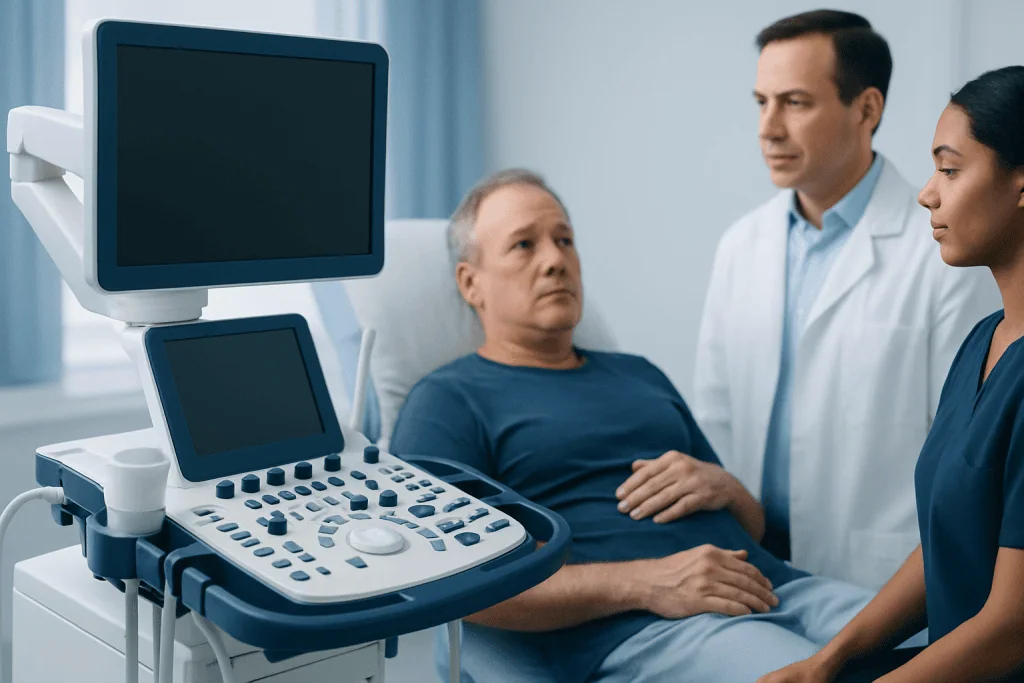
Hemochromatosis can be difficult to recognize at first because symptoms often appear slowly and may be vague. Some people have no symptoms for years and are diagnosed only after routine blood tests show abnormal iron levels or liver function results.
Common symptoms may include persistent tiredness, weakness, joint pain, abdominal discomfort, loss of sex drive, or difficulty concentrating. Some people notice skin that appears more bronze or gray than usual. In later stages, iron overload can contribute to liver disease, diabetes, heart rhythm problems, or heart weakness.
Symptoms can vary depending on which organs are affected and how much iron has accumulated. Not everyone with genetic changes will develop significant illness, and severity can differ even within the same family.
- Fatigue or low energy
- Joint pain, especially in the hands
- Abdominal pain
- Unexplained liver test abnormalities
- Reduced libido or hormone-related symptoms
- Irregular heartbeat or shortness of breath in advanced cases
Causes and Risk Factors

The most common cause of hemochromatosis is an inherited gene change that affects how the body controls iron absorption. This is called hereditary hemochromatosis. It is most often associated with changes in the HFE gene. A person usually develops the classic form when altered copies are inherited from both parents, although symptoms and severity still vary widely.
Secondary iron overload can happen for other reasons. Repeated blood transfusions, some types of anemia, chronic liver disease, and certain metabolic or inflammatory conditions can increase body iron stores. In these cases, treatment focuses on both reducing excess iron and addressing the underlying condition.
Risk factors include a family history of hemochromatosis, having a first-degree relative with iron overload, and belonging to populations in which hereditary hemochromatosis is more common. Men often develop symptoms earlier than women because menstruation and pregnancy can naturally reduce iron stores before menopause. Existing liver disease, heavy alcohol use, and viral hepatitis may increase the chance of complications.
Diagnosis
Diagnosis usually begins with blood tests. Two important tests are transferrin saturation, which shows how much iron is bound in the blood, and serum ferritin, which reflects iron stores. High results may suggest iron overload, but doctors interpret them carefully because ferritin can also rise with inflammation, infection, or liver disease.
If blood tests point to hereditary hemochromatosis, genetic testing may be recommended to look for common HFE gene changes. Additional tests may be used to understand whether excess iron has already affected organs. These can include liver function tests, blood sugar evaluation, hormone tests, heart assessment, and imaging studies.
In some cases, magnetic resonance imaging can estimate iron in the liver or heart without invasive testing. A liver biopsy is less commonly needed today, but it may still be considered when there is concern about significant liver scarring or when the diagnosis is uncertain. Because iron overload can overlap with other conditions, doctors may also evaluate for problems such as cirrhosis or fatty liver disease when liver health is affected.
Treatment Options
The standard treatment for many people with hemochromatosis is therapeutic phlebotomy. This means removing a controlled amount of blood at regular intervals, similar to blood donation. As the body makes new red blood cells, it uses up stored iron, which gradually lowers iron levels. Treatment is usually more frequent at first and then less often once iron stores reach a safe range.
People who cannot undergo phlebotomy, such as some individuals with severe anemia or certain medical conditions, may be considered for iron chelation therapy. These medicines bind iron so it can be removed from the body. Chelation is more commonly used in secondary iron overload, especially when frequent transfusions are involved.
Managing complications is also an important part of care. A person may need support from liver specialists, endocrinologists, cardiologists, or rheumatologists depending on which organs are affected. When appropriate, evaluation may include advanced liver assessment or liver transplant care in severe end-stage liver disease, although this is not needed for most patients. If iron overload has contributed to blood sugar problems or liver damage, doctors may also address related conditions with diabetes treatment or cirrhosis treatment as part of a broader care plan.
The goal of treatment is not only to improve symptoms but also to prevent permanent organ damage. Many people feel better once iron levels are reduced, though established problems such as arthritis may not fully reverse. Regular follow-up blood tests help guide ongoing care and keep iron at a healthy level.
Prevention and Self-care
People cannot prevent inherited hemochromatosis itself, but early detection can help prevent complications. Family members of someone diagnosed with hereditary hemochromatosis may benefit from discussing screening with a doctor, especially first-degree relatives. Identifying iron overload before symptoms begin often leads to the best outcomes.
Self-care focuses on reducing additional strain on the liver and avoiding unnecessary iron intake. Doctors may advise avoiding iron supplements unless they are specifically prescribed for another reason. Vitamin C supplements may also need caution because vitamin C can increase iron absorption. Alcohol intake should be discussed with a clinician, particularly if liver tests are abnormal.
Diet alone usually cannot treat hemochromatosis, but practical habits can support overall health. A balanced diet, regular follow-up, and treatment adherence are key.
- Do not start iron supplements unless a doctor advises them
- Ask whether vitamin C supplements are appropriate
- Limit alcohol if recommended, especially with liver disease
- Keep regular blood test appointments
- Tell healthcare providers about the diagnosis before new treatments or supplements
When to See a Doctor
A doctor should be consulted if a person has unexplained fatigue, joint pain, persistent abdominal discomfort, abnormal liver tests, or a family history of hemochromatosis. These signs do not always mean iron overload is present, but they are worth evaluating, especially when symptoms continue.
Medical advice is also important if someone has been told they have high ferritin or transferrin saturation levels. Further testing can help determine whether the cause is hereditary hemochromatosis, another medical condition, or temporary inflammation. Prompt follow-up can make a meaningful difference in preventing organ complications.
Urgent care may be needed if there are signs of serious liver or heart problems, such as swelling, jaundice, chest pain, severe shortness of breath, or fainting. Near the end of the care pathway, some patients may seek multidisciplinary assessment at specialized centers; Acibadem International’s JCI-accredited hospitals support international patients with diagnosis and treatment of complex blood, liver, and metabolic conditions.
Frequently asked questions
Is hemochromatosis a blood disorder or a metabolic disorder?
Hemochromatosis is often described as both because it involves iron metabolism and can affect the blood system through iron handling. In practice, it is a disorder of iron regulation that can lead to broader effects throughout the body.
Can hemochromatosis be cured?
Inherited hemochromatosis cannot be removed genetically, but it can usually be managed very effectively. With early treatment and regular monitoring, many people keep iron levels under control and avoid major complications.
What foods should someone with hemochromatosis avoid?
Diet is not the main treatment, but people are often advised to avoid iron supplements unless prescribed. A doctor may also recommend caution with vitamin C supplements and alcohol, especially if liver disease is present. Personalized advice is best because needs can vary.
Does everyone with hereditary hemochromatosis develop symptoms?
No. Some people carry the relevant genetic changes but never develop significant iron overload or symptoms. Others may have only mild abnormalities, while some develop organ complications over time.
How is therapeutic phlebotomy different from regular blood donation?
Therapeutic phlebotomy removes blood in a medically supervised way to lower iron stores as part of treatment. It may look similar to blood donation, but the schedule and monitoring are tailored to the person's iron levels and overall health.
Can hemochromatosis damage the liver?
Yes. Excess iron can build up in the liver and, over time, may cause inflammation, scarring, or cirrhosis if untreated. This is one reason early diagnosis and follow-up are so important.
References
- National Institute of Diabetes and Digestive and Kidney Diseases
- National Heart, Lung, and Blood Institute
- Mayo Clinic
- Merck Manual
- World Health Organization
This article is for general information only and is not a substitute for professional medical advice. Please consult a qualified doctor about your individual situation.
Hemochromatosis in Turkey — costs, top hospitals & a free quote
JCI-accredited · board-certified surgeons · reply within 24h
Add us as a Preferred Source to see more of our trusted health content across Google Search, AI Overviews and Discover.

Gastroenterology
Diagnosis and treatment of the digestive system and liver, with advanced endoscopy.
43 specialists in this unit