Back Pain Specialist: When to See a Spine Doctor Instead of Waiting

Most back pain is not dangerous, but persistent or severe symptoms should be evaluated. A back pain specialist can assess whether pain comes from muscles, discs, joints, nerves, or another condition.
Key Takeaways
- Most back pain is not dangerous, but persistent or severe symptoms should be evaluated.
- A back pain specialist can assess whether pain comes from muscles, discs, joints, nerves, or another condition.
- Urgent medical attention is important for back pain with weakness, numbness, fever, trauma, or bladder or bowel changes.
- Diagnosis may include a physical exam, imaging, and sometimes blood tests or nerve studies.
- Treatment often starts with exercise, physical therapy, posture changes, and pain relief rather than surgery alone.
Many cases of back pain improve with time, activity modification, and simple self-care. A back pain specialist may be needed when symptoms last, return often, limit daily life, or suggest a nerve, disc, spine, or other underlying medical problem.
Overview
Back pain is one of the most common reasons people seek medical advice. It can affect the lower back, mid-back, or neck-to-low-back region, and it may feel dull, sharp, stiff, burning, or aching. In many people, symptoms improve within a few days to a few weeks with relative rest, gentle movement, and simple self-care.
Even so, waiting too long is not always the best approach. A back pain specialist, such as a spine doctor, orthopedic specialist, neurosurgeon, neurologist, or physical medicine and rehabilitation physician, can help when pain does not settle, comes back often, or begins to affect walking, sleep, work, or daily activities. Specialist assessment is especially important if nerve-related symptoms or warning signs are present.
Seeing a specialist does not automatically mean surgery is needed. In fact, most back pain is treated without surgery. The goal of specialist care is to identify the cause, rule out serious problems, relieve pain safely, and help the person return to normal movement and function.
Common Symptoms and Red Flags
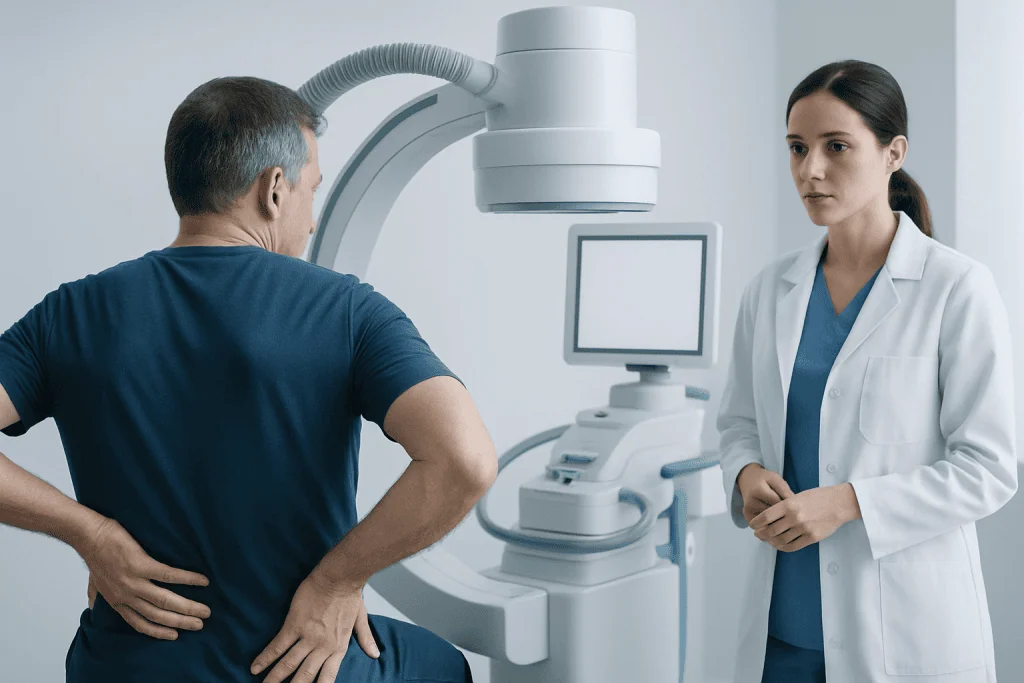
Back pain can vary widely from person to person. Some feel stiffness after sitting or lifting, while others notice pain that shoots into the buttock, leg, chest wall, or arm. Pain may be constant or intermittent, and it may worsen with bending, coughing, twisting, standing, or long periods of sitting.
Symptoms that often prompt referral to a back pain specialist include pain lasting more than a few weeks, repeated flare-ups, pain severe enough to limit normal activities, or pain that keeps a person awake at night. Numbness, tingling, burning, or weakness in an arm or leg may suggest nerve involvement. A specialist may evaluate for problems such as a herniated disc, spinal stenosis, or another structural condition including scoliosis.
Some symptoms need urgent medical attention rather than watchful waiting. These include:
- New loss of bladder or bowel control
- Severe weakness in a leg or arm
- Numbness in the groin or saddle area
- Back pain after a fall, accident, or other trauma
- Fever, chills, or unexplained weight loss with back pain
- History of cancer, significant osteoporosis, or immune suppression
- Pain that is rapidly worsening or unrelenting at rest
These warning signs do not always mean a serious condition is present, but they do mean prompt medical evaluation is important.
Why Back Pain Happens

Back pain has many possible causes. The most common are mechanical problems involving muscles, ligaments, discs, facet joints, and posture. A strain after lifting, a sudden awkward movement, prolonged desk work, or weak core support can all trigger pain. Age-related wear in the spine may also contribute over time.
Sometimes the source is irritation or compression of a spinal nerve. This can happen with a bulging or herniated disc, narrowing of the spinal canal, or arthritic changes around the spine. In these cases, pain may radiate into the arm or leg, often with tingling or numbness. A specialist may also consider related conditions such as herniated disc when symptoms fit that pattern.
Less commonly, back pain is linked to inflammatory arthritis, fracture, infection, kidney problems, or cancer. Risk factors for persistent pain include older age, smoking, obesity, low physical activity, heavy repetitive lifting, poor sleep, stress, and previous episodes of back pain. Pregnancy, osteoporosis, and jobs involving vibration or prolonged sitting may also increase strain on the spine.
Because causes vary so much, a careful evaluation matters when symptoms are ongoing or unusual. Effective treatment depends on understanding whether pain is mainly muscular, joint-related, disc-related, nerve-related, or due to another medical issue.
When to See a Back Pain Specialist
It is reasonable to monitor mild back pain for a short time if it began after a clear minor strain and is gradually improving. However, specialist review is worth considering if pain lasts longer than two to six weeks, returns frequently, or interferes with work, walking, sleep, exercise, or self-care. Early assessment can sometimes prevent a temporary problem from becoming a long-lasting one.
A back pain specialist is also appropriate when over-the-counter measures, activity modification, and basic exercises are not helping enough. People who have pain spreading into the arm or leg, significant stiffness on waking, balance problems, or increasing difficulty standing upright may benefit from a more focused spine evaluation.
Older adults, people with osteoporosis, those with a history of cancer, and people recovering from a major injury should generally not delay professional assessment. Children and teenagers with persistent back pain should also be evaluated, because their causes can differ from those in adults.
Depending on the symptoms, a primary doctor may refer the person to orthopedics, neurosurgery, neurology, pain management, or rehabilitation medicine. Some patients may also benefit from structured rehabilitation, posture retraining, or physical therapy and rehabilitation as part of early care.
How a Spine Doctor Makes the Diagnosis
Diagnosis begins with a detailed history. The doctor usually asks when the pain started, where it is felt, whether it travels, what makes it better or worse, and whether there are any numbness, weakness, fever, weight loss, trauma, or bladder or bowel changes. Medical history, work activities, sports, and previous episodes also provide helpful clues.
A physical examination may include checking posture, flexibility, walking pattern, reflexes, muscle strength, sensation, and areas of tenderness. Certain movements or nerve tension tests can help show whether the pain is likely muscular, joint-related, or caused by nerve irritation. This step is often very informative and may guide whether testing is needed.
Imaging is not required for every person with back pain, especially when symptoms are new and uncomplicated. But if red flags are present, pain is persistent, or surgery or procedures are being considered, doctors may request X-rays, MRI, or CT scans. MRI is often most useful for looking at discs, nerves, and soft tissues. If a fracture is suspected, imaging helps confirm it, and specialists may assess whether treatments such as kyphoplasty are relevant in selected cases.
In some situations, blood tests or nerve studies are used to look for infection, inflammation, or nerve dysfunction. The aim is not simply to label the pain, but to build a treatment plan tailored to the individual person and the likely source of symptoms.
Treatment Options
Most people improve with non-surgical treatment. This often includes staying as active as tolerated, avoiding prolonged bed rest, using heat or cold, and taking pain-relieving medicines when appropriate and advised by a doctor. Exercise programs focused on flexibility, posture, and core strength are a key part of recovery and can reduce future flare-ups.
Physical therapy can help improve movement patterns, strengthen supportive muscles, and gradually restore confidence in activity. For some, ergonomic changes at work, weight management, and sleep-position adjustments are also helpful. If stress and fear of movement are contributing to persistent pain, education and a gradual return-to-activity plan can make a meaningful difference.
When pain is linked to nerve compression, significant disc disease, or spinal narrowing, specialists may discuss additional options such as targeted injections, interventional pain procedures, or surgical evaluation. Depending on the diagnosis, treatments may include microdiscectomy for selected disc-related nerve compression or spine surgery for certain structural spine problems when conservative care is not enough.
Surgery is usually considered only after careful review of symptoms, examination findings, and imaging, or when urgent neurologic problems are present. The best treatment plan depends on the cause of pain, its severity, overall health, and the person’s goals for mobility and daily function.
Self-Care, Prevention, and Follow-Up
Good self-care can support recovery and help prevent future episodes. Gentle movement is usually better than complete rest. Walking, prescribed stretching, and gradual strengthening often help the back recover more effectively than avoiding activity for long periods. Good lifting technique, regular breaks from sitting, and a supportive work setup may also reduce strain.
Maintaining a healthy body weight, not smoking, and keeping the muscles of the back, abdomen, and hips conditioned can lower stress on the spine. Supportive footwear, proper sports technique, and attention to sleep posture may be useful for some people. People with osteoporosis should discuss bone health and fracture prevention with their doctor.
Follow-up matters when symptoms change or do not improve as expected. A specialist may adjust the exercise plan, review medicines, recommend further tests, or refer to another expert if needed. If symptoms suggest complex spinal conditions such as spinal stenosis, coordinated care can help guide the next steps clearly and safely.
For international patients seeking evaluation, Acibadem International’s multidisciplinary specialists and JCI-accredited hospitals diagnose and treat a wide range of spine conditions with individualized care plans.
Frequently asked questions
How long should someone wait before seeing a back pain specialist?
If mild back pain is clearly improving, a short period of self-care may be reasonable. If pain lasts more than a few weeks, keeps returning, or begins to limit sleep, work, walking, or daily activities, a specialist review is a good idea.
What kind of doctor is best for back pain?
The right doctor depends on the likely cause of pain. A primary care doctor may start the evaluation and refer to a spine specialist such as an orthopedic surgeon, neurosurgeon, neurologist, pain specialist, or rehabilitation physician when needed.
Does seeing a spine doctor mean surgery will be needed?
No. Most back pain improves with non-surgical treatments such as exercise, physical therapy, posture changes, and pain management. A specialist often helps clarify the diagnosis and guide conservative care before surgery is considered.
What symptoms suggest back pain is related to a nerve?
Pain that travels into the arm or leg, along with tingling, numbness, burning, or weakness, can suggest nerve involvement. These symptoms should be assessed, especially if they are worsening or affecting movement.
When is back pain considered an emergency?
Urgent medical care is important if back pain occurs with new loss of bladder or bowel control, severe weakness, numbness in the groin area, major trauma, or fever. These symptoms may point to conditions that should not be left to improve on their own.
Will an MRI always be needed for back pain?
No. Many people with recent, uncomplicated back pain do not need imaging at first. MRI is usually reserved for persistent symptoms, red flags, suspected nerve compression, or when procedures or surgery are being considered.
References
- World Health Organization
- National Institute for Health and Care Excellence
- American Academy of Orthopaedic Surgeons
- National Institute of Neurological Disorders and Stroke
- American Association of Neurological Surgeons
This article is for general information only and is not a substitute for professional medical advice. Please consult a qualified doctor about your individual situation.
Joint and spine care in Turkey — expert assessment & treatment
JCI-accredited · board-certified surgeons · reply within 24h
Add us as a Preferred Source to see more of our trusted health content across Google Search, AI Overviews and Discover.