Cerebrum vs Brain Stem: What’s the Difference?
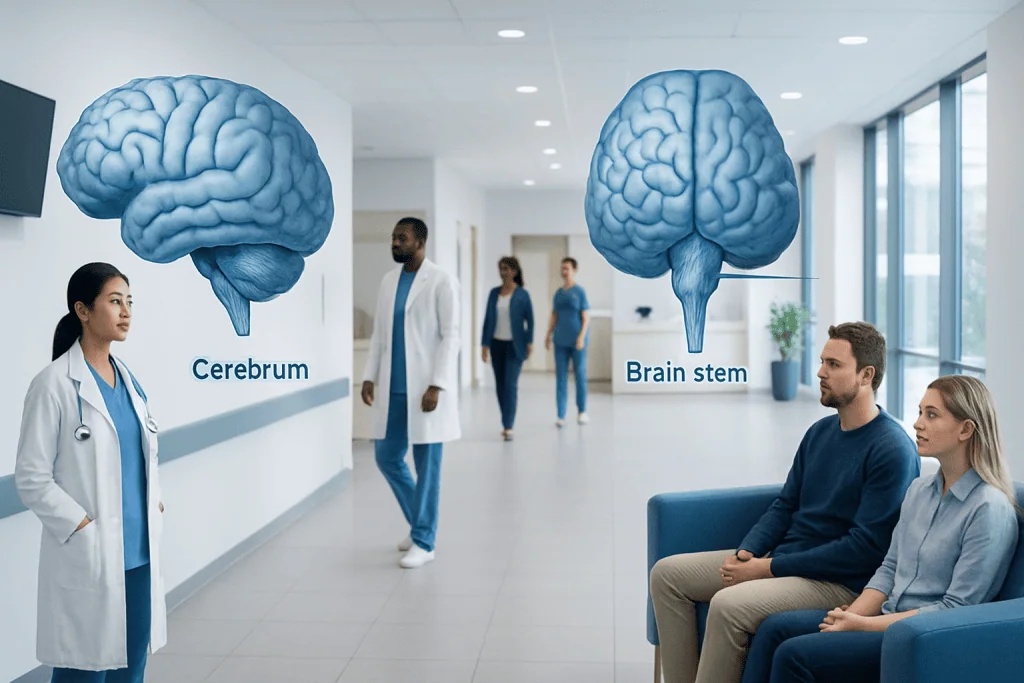
The cerebrum is the largest part of the brain and is responsible for higher thinking, memory, language, and voluntary movement. The brain stem connects the brain to the spinal cord and helps control breathing, heart rate, swallowing, and alertness.
Key Takeaways
- The cerebrum is the largest part of the brain and is responsible for higher thinking, memory, language, and voluntary movement.
- The brain stem connects the brain to the spinal cord and helps control breathing, heart rate, swallowing, and alertness.
- Damage to either area can cause different symptoms depending on the exact location and severity of injury or disease.
- Doctors use neurological exams and imaging tests such as MRI or CT scans to evaluate problems affecting these brain structures.
- Urgent medical care is important for sudden symptoms such as weakness, trouble speaking, confusion, or loss of consciousness.
The cerebrum and brain stem are both essential parts of the brain, but they serve different roles. The cerebrum supports conscious thought, memory, sensation, and voluntary movement, while the brain stem manages many automatic functions that keep the body alive.
Overview: How the Cerebrum and Brain Stem Differ
When comparing the cerebrum vs brain stem, it helps to think of the brain as a highly organized control center with specialized regions. The cerebrum is the largest and most visible part of the brain. It is involved in conscious activities such as thinking, learning, remembering, speaking, interpreting sensory information, and directing voluntary movement.
The brain stem is smaller but equally vital. It sits below the cerebrum and connects the brain to the spinal cord. This structure helps regulate many automatic processes the body performs without conscious effort, including breathing, heart rate, blood pressure, swallowing, sleep-wake cycles, and aspects of alertness.
Although these structures have different main roles, they work closely together. For example, a person may decide to speak or move because of activity in the cerebrum, but the ability to stay awake, breathe, and coordinate the pathways that carry signals through the body depends heavily on the brain stem. Healthy brain function relies on both areas communicating smoothly.
What the Cerebrum Does
The cerebrum makes up the upper part of the brain and is divided into right and left hemispheres. Each hemisphere contains regions called lobes, including the frontal, parietal, temporal, and occipital lobes. These areas have specialized functions, but they also interact constantly to support daily life.
In general, the cerebrum is responsible for higher brain functions. It helps a person plan, reason, solve problems, understand language, form memories, and process emotions. It also interprets sensory input such as touch, vision, sound, taste, and smell, then helps the body respond in a meaningful way.
The cerebrum also controls voluntary movement. This means it helps a person decide to lift an arm, walk, write, smile, or turn the head. Depending on which area is affected by illness or injury, a problem in the cerebrum may cause weakness, speech changes, sensory loss, memory difficulties, confusion, or vision-related symptoms. Conditions such as stroke or seizures may involve the cerebrum in different ways.
What the Brain Stem Does

The brain stem lies beneath the cerebrum and in front of the cerebellum. It is usually described in three parts: the midbrain, pons, and medulla. Even though it is smaller than the cerebrum, it is essential for basic life-sustaining functions.
The brain stem helps control automatic processes that continue whether a person is awake or asleep. These include breathing, heart rate, blood pressure, swallowing, coughing, and aspects of digestion. It also plays a major role in maintaining consciousness, sleep, and arousal. Because it serves as a relay station, it helps carry nerve signals between the cerebrum, cerebellum, and spinal cord.
Many cranial nerves arise from the brain stem, which is why this area is also involved in functions such as eye movements, facial sensation, hearing, balance, and facial muscle control. A brain stem problem can therefore lead to symptoms such as double vision, dizziness, difficulty swallowing, slurred speech, poor coordination, abnormal breathing, or decreased alertness. In severe cases, injury to the brain stem can become life-threatening because of its role in essential body functions.
Cerebrum vs Brain Stem: Symptoms of Problems in Each Area
Symptoms can vary depending on whether the cerebrum or brain stem is affected. Cerebral problems often involve thinking, communication, sensation, or voluntary movement. A person may develop weakness on one side of the body, numbness, difficulty finding words, confusion, memory trouble, personality changes, or vision disturbances. Seizures can also occur when abnormal electrical activity affects the cerebrum.
Brain stem problems often cause a different pattern. Because the brain stem helps regulate automatic functions and houses important nerve pathways, symptoms may include difficulty swallowing, hoarseness, slurred speech, facial weakness, dizziness, imbalance, abnormal eye movements, and changes in breathing or consciousness. Some people may have symptoms on both sides of the body or a combination of facial symptoms and limb weakness.
Sometimes there can be overlap. For example, a stroke, tumor, infection, inflammation, or traumatic injury may affect neighboring brain structures or interfere with communication pathways. Doctors look carefully at the exact symptom pattern to help determine where the problem may be located and which tests are needed next.
- Possible cerebrum-related symptoms: weakness, speech problems, sensory changes, memory loss, confusion, seizures
- Possible brain stem-related symptoms: swallowing trouble, double vision, dizziness, imbalance, altered breathing, reduced alertness
Causes of Damage or Disease
Both the cerebrum and brain stem can be affected by a range of medical conditions. Common causes include stroke, traumatic brain injury, tumors, infections, inflammatory disorders, reduced blood flow, bleeding, and degenerative neurological disease. The exact symptoms depend on the location, size, and speed of onset of the problem.
For the cerebrum, conditions may involve one lobe, one hemisphere, or more widespread tissue. For the brain stem, even a small lesion can have significant effects because many critical pathways are concentrated in a compact area. This is one reason brain stem disorders may sometimes cause severe symptoms quickly.
Risk factors vary by condition but may include high blood pressure, diabetes, smoking, high cholesterol, older age, certain infections, autoimmune disease, head trauma, and family history of some neurological disorders. It is also important to remember that not every symptom means a serious disorder. Still, sudden or unexplained neurological changes should be assessed promptly by a qualified clinician.
How Doctors Diagnose Problems in These Brain Areas
Diagnosis usually begins with a detailed medical history and neurological examination. The doctor asks about the timing of symptoms, whether they appeared suddenly or gradually, and whether there are associated features such as headache, fever, weakness, vision changes, speech difficulty, or balance problems. During the examination, they may assess strength, sensation, reflexes, coordination, eye movements, speech, memory, and level of alertness.
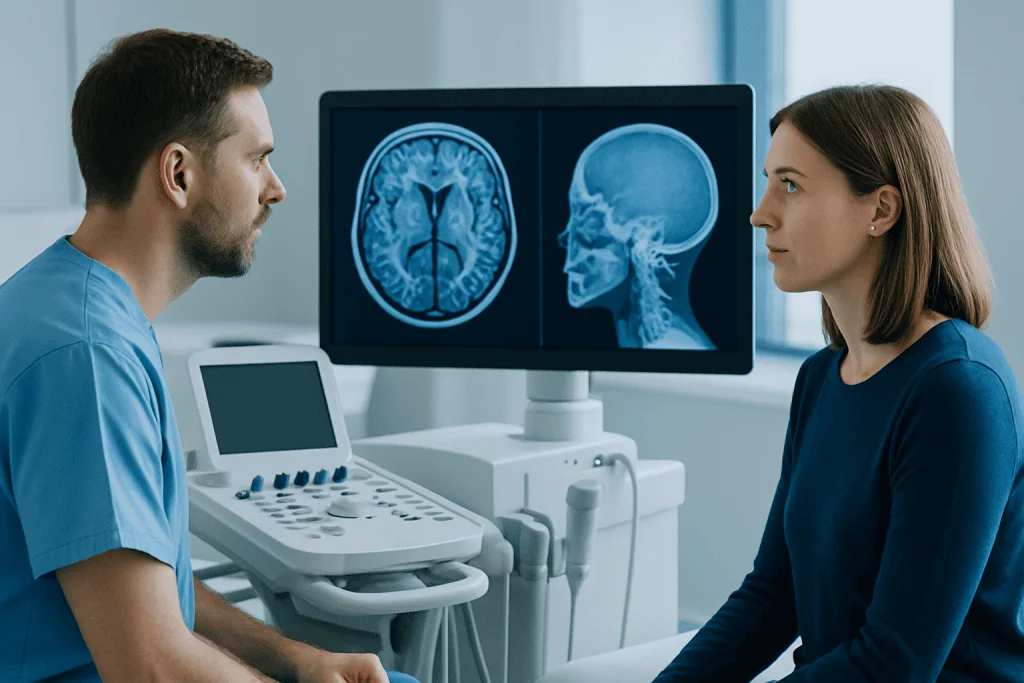
Imaging tests are often essential. A CT scan may be used quickly in emergencies, especially when stroke or bleeding is suspected. MRI provides more detailed images of brain tissue and is especially useful for identifying small strokes, tumors, inflammation, demyelination, or brain stem abnormalities. Depending on the situation, doctors may also use vascular imaging, blood tests, electroencephalography for seizures, or swallowing evaluations.
Because symptoms can overlap, diagnosis focuses not only on identifying whether the cerebrum or brain stem is involved, but also on determining the underlying cause. This guides the treatment plan and helps predict recovery. In some situations, care may involve specialists in neurology, neurosurgery, rehabilitation, critical care, or speech and swallowing therapy.
Treatment and Recovery
Treatment depends on the specific diagnosis rather than the brain structure alone. For example, a stroke requires rapid medical evaluation and targeted management, while an infection may need antimicrobial treatment, and a tumor may require monitoring, surgery, radiation, or other therapies. If symptoms are caused by bleeding, swelling, or pressure on the brain, urgent hospital care may be needed.
Supportive treatment can also be very important. People with speech, swallowing, balance, or movement problems may benefit from rehabilitation, including physical therapy, occupational therapy, and speech-language therapy. If a condition affects consciousness or breathing, treatment may begin in an intensive care setting where vital functions can be monitored closely. Some patients may also need physical therapy and rehabilitation as part of recovery.
Recovery varies widely. Some people improve quickly, especially when a reversible cause is treated early. Others may need longer-term rehabilitation and follow-up care. In complex neurological cases, multidisciplinary evaluation helps coordinate treatment planning. Acibadem International’s multidisciplinary specialists and JCI-accredited hospitals diagnose and treat neurological conditions for international patients when advanced assessment is needed.
Prevention, Self-Care, and When to Seek Medical Help
Not all brain disorders can be prevented, but many general health measures support brain health. Managing blood pressure, blood sugar, and cholesterol can help reduce the risk of stroke and vascular damage. Avoiding smoking, limiting alcohol, wearing seat belts and helmets, staying physically active, sleeping well, and following a balanced diet may also lower the risk of some neurological problems.
People living with chronic neurological conditions should attend regular follow-up visits and take medicines exactly as prescribed. It can also help to monitor new symptoms, especially changes in speech, balance, memory, vision, or swallowing. Family members may notice subtle changes before the patient does, so involving loved ones in care can be useful.
Emergency medical attention is important if symptoms start suddenly, especially weakness, facial drooping, trouble speaking, severe confusion, sudden imbalance, fainting, seizure, or a major change in breathing or consciousness. Prompt evaluation is also needed for head injury, persistent vomiting, severe headache with neurological symptoms, or new swallowing difficulty. In urgent cases, rapid assessment may improve outcomes and help doctors rule out serious causes such as brain tumor or acute vascular disease.
Frequently asked questions
Is the cerebrum the same as the whole brain?
No. The cerebrum is the largest part of the brain, but it is only one part of the overall organ. Other important structures include the brain stem and cerebellum, each with different roles.
Why is the brain stem so important?
The brain stem helps control essential automatic functions such as breathing, heart rate, blood pressure, swallowing, and alertness. Because of this, serious brain stem injury can quickly become a medical emergency.
Can symptoms tell whether a problem is in the cerebrum or brain stem?
Symptoms can provide useful clues, but they do not give a complete answer on their own. Doctors usually combine symptom patterns with a neurological examination and imaging tests to identify the exact location and cause.
What happens if the cerebrum is damaged?
Damage to the cerebrum may affect thinking, memory, speech, sensation, vision, emotions, or voluntary movement. The exact effects depend on which area is involved and how severe the injury or disease is.
What happens if the brain stem is damaged?
Brain stem damage may cause dizziness, swallowing problems, double vision, facial weakness, poor coordination, or changes in breathing and consciousness. Because many critical pathways pass through this area, symptoms can be complex and may require urgent care.
Are cerebrum and brain stem disorders treatable?
Many conditions affecting these brain areas can be treated or managed, especially when diagnosed early. Treatment depends on the cause and may include emergency care, medications, surgery, rehabilitation, or long-term follow-up.
References
- World Health Organization
- National Institute of Neurological Disorders and Stroke
- National Institute on Aging
- American Stroke Association
- Merck Manual Consumer Version
This article is for general information only and is not a substitute for professional medical advice. Please consult a qualified doctor about your individual situation.
Explore treatments in Turkey — costs, top hospitals & a free quote
JCI-accredited · board-certified surgeons · reply within 24h
Add us as a Preferred Source to see more of our trusted health content across Google Search, AI Overviews and Discover.
Check your numbers in seconds
BMI, calories, due date, blood pressure and 30+ more clinical calculators — free, instant, doctor-reviewed ranges.