Peripheral Artery Disease: Leg Pain, Circulation Tests, and Treatment Choices

Peripheral artery disease usually happens when fatty deposits narrow the arteries that supply the legs. A common symptom is cramping, aching, or heaviness in the calves, thighs, or buttocks during walking that improves with rest.
Key Takeaways
- Peripheral artery disease usually happens when fatty deposits narrow the arteries that supply the legs.
- A common symptom is cramping, aching, or heaviness in the calves, thighs, or buttocks during walking that improves with rest.
- Diagnosis often starts with a physical exam and an ankle-brachial index test, sometimes followed by ultrasound or other imaging.
- Treatment may include smoking cessation, exercise therapy, medicines, and procedures to restore blood flow when needed.
- PAD is also a warning sign for cardiovascular disease, so controlling blood pressure, cholesterol, and diabetes is important.
Peripheral artery disease is a circulation problem in which narrowed arteries reduce blood flow to the legs, often causing pain during walking. Early diagnosis and treatment can help relieve symptoms, protect limb health, and lower the risk of heart attack and stroke.
Overview
Peripheral artery disease, often called PAD, develops when arteries outside the heart and brain become narrowed, most commonly in the legs. The usual cause is atherosclerosis, a process in which fatty deposits build up in artery walls and reduce blood flow. When leg muscles do not receive enough oxygen-rich blood during activity, symptoms such as pain or cramping can appear.
PAD can range from mild disease with few symptoms to more advanced disease that affects daily walking, wound healing, and overall vascular health. Some people have no clear warning signs, which is one reason the condition may go unnoticed for a long time. Even when leg symptoms are mild, PAD matters because it can signal a higher risk of heart attack, stroke, and other circulation problems.
Understanding the condition early gives patients more choices. Lifestyle changes, careful monitoring, and medical treatment can often improve walking ability and quality of life. In more severe cases, specialists may consider procedures to open blocked arteries and restore circulation.
Symptoms of Peripheral Artery Disease
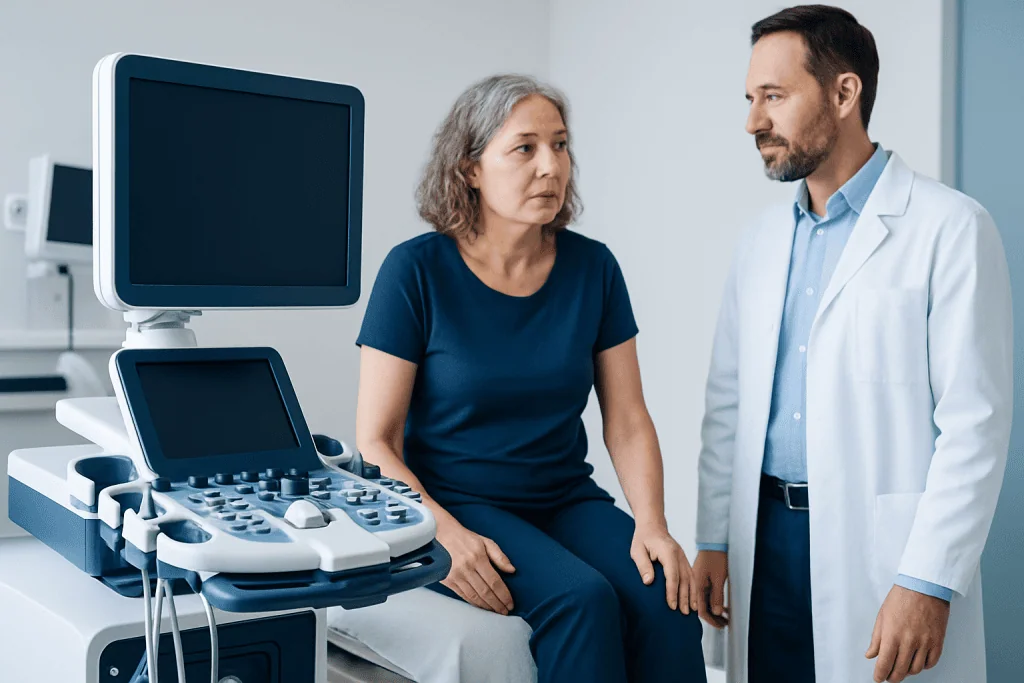
The best-known symptom of peripheral artery disease is leg discomfort during activity, especially walking. People often describe this as cramping, tightness, aching, heaviness, or fatigue in the calf, thigh, or buttock. The discomfort usually improves within a few minutes of rest, then returns with exertion. This pattern is called intermittent claudication.
Not everyone with PAD has classic claudication. Some people notice slower walking speed, reduced exercise tolerance, or a feeling that one leg becomes tired sooner than expected. Others may have cold feet, numbness, weak pulses in the feet, or a leg wound that heals slowly. Skin on the legs or feet may look shiny, pale, or slightly bluish, and hair growth on the legs may decrease over time.
In advanced disease, pain may occur even at rest, especially at night when lying down. Severe reduction in blood flow can lead to sores on the toes or feet, skin breakdown, or tissue damage. These symptoms need prompt medical attention because they may suggest critical limb ischemia, a more serious form of poor circulation.
- Cramping or pain in the calf, thigh, or buttock during walking
- Symptoms that improve with rest
- Coldness, numbness, or weakness in a leg or foot
- Slow-healing sores on the legs, ankles, or feet
- Reduced walking distance or leg fatigue
Causes and Risk Factors
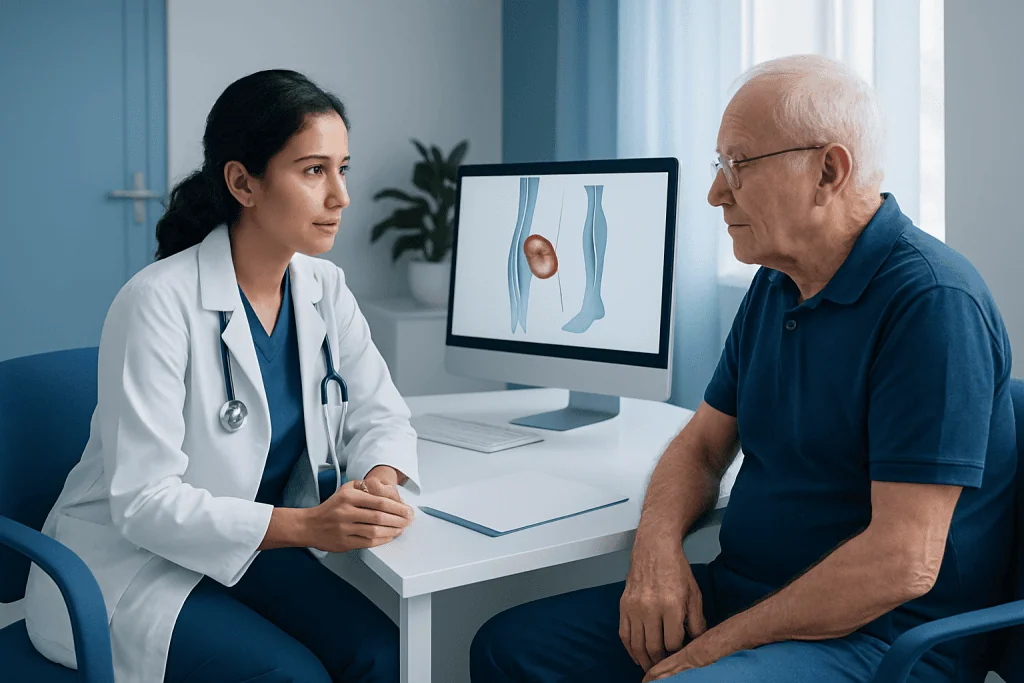
The most common cause of PAD is atherosclerosis. Over time, cholesterol, inflammatory cells, and other materials collect in artery walls and form plaque. This narrows the artery opening and reduces blood flow. When muscles work harder during walking or climbing stairs, the limited blood supply may no longer meet demand, leading to pain or fatigue.
Several factors increase the chance of developing peripheral artery disease. Smoking is one of the strongest risk factors because it damages blood vessels and speeds up atherosclerosis. Diabetes, high blood pressure, and high cholesterol also contribute by affecting blood vessel health over many years. PAD becomes more common with age, and the risk is higher in people with a personal or family history of cardiovascular disease.
Other factors that may play a role include obesity, physical inactivity, kidney disease, and chronic inflammation. Because PAD and coronary artery disease often occur together, someone diagnosed with PAD may also need evaluation for broader cardiovascular risk. In some cases, leg pain can be caused by other conditions such as spinal stenosis, arthritis, or deep vein thrombosis, so medical assessment helps identify the true cause.
How Doctors Diagnose It
Diagnosis begins with a detailed history and physical examination. A doctor asks about leg pain, walking distance, smoking history, diabetes, blood pressure, cholesterol, and previous heart or vascular disease. During the exam, pulses in the groin, knees, ankles, and feet may be checked, and the skin and nails may be examined for signs of reduced circulation.
One of the most useful first-line tests is the ankle-brachial index, or ABI. This compares blood pressure in the ankle with blood pressure in the arm. A lower reading in the ankle can suggest narrowed arteries in the legs. The ABI is simple, painless, and widely used to confirm suspected PAD. Sometimes the test is repeated after walking on a treadmill if symptoms occur mainly with exercise.
If more detail is needed, doctors may order vascular ultrasound to see blood flow and identify where narrowing is present. In selected cases, CT angiography, MR angiography, or catheter angiography may be used to map the arteries before treatment planning. Because PAD is linked with overall vascular risk, blood tests and cardiovascular assessment are often part of the evaluation.
Treatment Choices
Treatment aims to reduce symptoms, improve walking ability, protect the limbs, and lower the risk of heart attack and stroke. For many people, the first step is a combination of lifestyle change and medical therapy. Stopping smoking is especially important because it can slow disease progression and improve treatment results. Regular supervised or structured walking exercise is also highly effective, helping muscles use oxygen more efficiently and improving walking distance over time.
Doctors may prescribe medicines to reduce cardiovascular risk and manage contributing conditions. These may include antiplatelet medication, cholesterol-lowering therapy, and treatment for high blood pressure or diabetes. Some patients may also receive medication to help improve walking symptoms. The exact plan depends on symptom severity, test results, and overall health.
When symptoms remain limiting despite conservative treatment, or when there is severe blockage threatening the limb, a procedure may be considered. Minimally invasive angiography can help define the blockage in detail, and some patients may be treated with catheter-based methods during the same general treatment pathway. These can include balloon angioplasty and stent placement to widen narrowed arteries. In more complex or extensive disease, peripheral bypass surgery may be recommended to reroute blood flow around a blocked section of artery.
Treatment is individualized. A person with mild symptoms may do very well with exercise and risk-factor control alone, while someone with rest pain or tissue loss may need faster intervention. A vascular specialist can explain which approach is most appropriate and what benefits and limits to expect from each option.
Prevention and Self-care
Many of the same steps used to treat PAD also help prevent it. Avoiding tobacco is one of the most powerful ways to protect blood vessels. For people who smoke, quitting can be difficult, but support from a doctor, counseling, and smoking-cessation programs can make success more likely.
Regular physical activity supports circulation and cardiovascular health. Walking is especially helpful because it gradually conditions the leg muscles and may reduce claudication symptoms over time. Eating a heart-healthy diet, maintaining a healthy weight, and taking prescribed medicines consistently are also important. Good control of blood pressure, cholesterol, and blood sugar can slow the progression of artery disease.
Foot care deserves extra attention, particularly for people with diabetes or reduced sensation. Daily inspection of the feet, prompt treatment of blisters or cuts, and well-fitting shoes can help prevent complications. Patients should not ignore new sores, color changes, or increasing pain, as these can be early signs that circulation is worsening.
When to See a Doctor
A person should arrange medical evaluation if leg pain, cramping, or unusual tiredness appears repeatedly during walking and improves with rest. These symptoms are common in PAD, but they can also overlap with muscle, joint, nerve, or spine conditions. A proper diagnosis helps guide the right treatment and can uncover cardiovascular risks that also need attention.
Urgent care is important if there is sudden severe leg pain, a cold or pale foot, loss of sensation, or a wound that is not healing. Rest pain, blackened skin, or ulcers on the toes or feet may suggest severely reduced blood flow and should be assessed without delay. Early treatment may help prevent serious complications.
People with diabetes, a smoking history, high cholesterol, or known heart disease may benefit from discussing PAD risk even before symptoms become obvious. Near the end of the care journey, some patients may choose evaluation in centers with multidisciplinary vascular expertise. Acibadem International’s multidisciplinary specialists and JCI-accredited hospitals diagnose and treat peripheral artery disease for international patients.
Frequently asked questions
Is peripheral artery disease the same as poor circulation?
Peripheral artery disease is one common cause of poor circulation in the legs, but the terms are not exactly the same. Poor circulation can also result from vein problems, heart conditions, or other vascular disorders. A medical evaluation helps determine the cause.
What does PAD leg pain feel like?
Many people describe PAD pain as cramping, aching, tightness, or heaviness in the calf, thigh, or buttock when walking. It usually improves with rest and returns with activity. Some people feel only fatigue or reduced endurance rather than clear pain.
Can peripheral artery disease be treated without surgery?
Yes, many people improve with non-surgical treatment. Smoking cessation, a structured walking program, and medicines to manage cholesterol, blood pressure, diabetes, and clotting risk are often the foundation of care. Procedures are usually considered when symptoms remain limiting or blood flow is severely reduced.
Which test is commonly used first for PAD?
The ankle-brachial index is a common first test because it is simple and painless. It compares blood pressure in the ankle and arm to look for reduced blood flow to the legs. If needed, doctors may add ultrasound or other imaging tests.
Is walking good for peripheral artery disease?
Yes, walking is often one of the most helpful self-care strategies for people with PAD. A structured walking plan can improve muscle efficiency and increase the distance a person can walk before symptoms begin. It is best started with a doctor’s guidance, especially if symptoms are severe.
Does PAD increase the risk of heart attack or stroke?
Yes, PAD is linked with a higher risk of heart attack and stroke because it often reflects atherosclerosis in other arteries as well. That is why treatment focuses not only on leg symptoms but also on overall cardiovascular protection. Managing cholesterol, blood pressure, diabetes, and smoking is important.
References
- American Heart Association
- National Heart, Lung, and Blood Institute
- Society for Vascular Surgery
- European Society of Cardiology
- Centers for Disease Control and Prevention
This article is for general information only and is not a substitute for professional medical advice. Please consult a qualified doctor about your individual situation.
Heart care in Turkey — expert evaluation and treatment
JCI-accredited · board-certified surgeons · reply within 24h
Add us as a Preferred Source to see more of our trusted health content across Google Search, AI Overviews and Discover.
Check your numbers in seconds
BMI, calories, due date, blood pressure and 30+ more clinical calculators — free, instant, doctor-reviewed ranges.