Cataract Surgery in Turkey: Planning Travel, Treatment, and Follow-Up Care

Cataract surgery is usually a short, commonly performed procedure that replaces the cloudy lens with an artificial intraocular lens. Good planning includes a pre-travel eye assessment, medical records review, travel timing, and arrangements for postoperative checkups.
Key Takeaways
- Cataract surgery is usually a short, commonly performed procedure that replaces the cloudy lens with an artificial intraocular lens.
- Good planning includes a pre-travel eye assessment, medical records review, travel timing, and arrangements for postoperative checkups.
- Most patients recover quickly, but they still need eye drops, activity precautions, and follow-up visits after surgery.
- Lens choice, overall eye health, and conditions such as glaucoma or diabetes can affect results and recovery plans.
- International patients should confirm how urgent concerns will be handled after returning home.
Cataract surgery in Turkey can be a well-organized option for international patients when travel, treatment, and follow-up are planned carefully. Understanding the process before, during, and after surgery helps patients prepare with confidence and support a smooth recovery.
Overview: What Cataract Surgery in Turkey Involves
Cataracts happen when the eye’s natural lens becomes cloudy, causing blurred vision, glare, faded colors, and difficulty seeing clearly, especially at night. Cataract surgery removes the cloudy lens and replaces it with a clear artificial lens called an intraocular lens. For many people, this improves visual clarity and daily functioning when glasses are no longer enough.
When considering cataract surgery in Turkey, patients are usually planning more than the procedure itself. They also need to think about medical assessment, travel timing, language support, accommodation, and follow-up after they return home. A successful experience depends not only on skilled surgery, but also on clear communication and a realistic recovery plan.
Turkey is a destination many international patients consider for eye care because it offers modern hospital settings and access to ophthalmology specialists. Still, the best choice is always the setting where the patient can receive a full evaluation, a tailored surgical plan, and dependable aftercare. In many cases, cataract treatment may be part of broader cataract treatment planning that includes tests, lens selection, surgery, and recovery support.
Who May Be a Candidate and When Surgery Is Considered
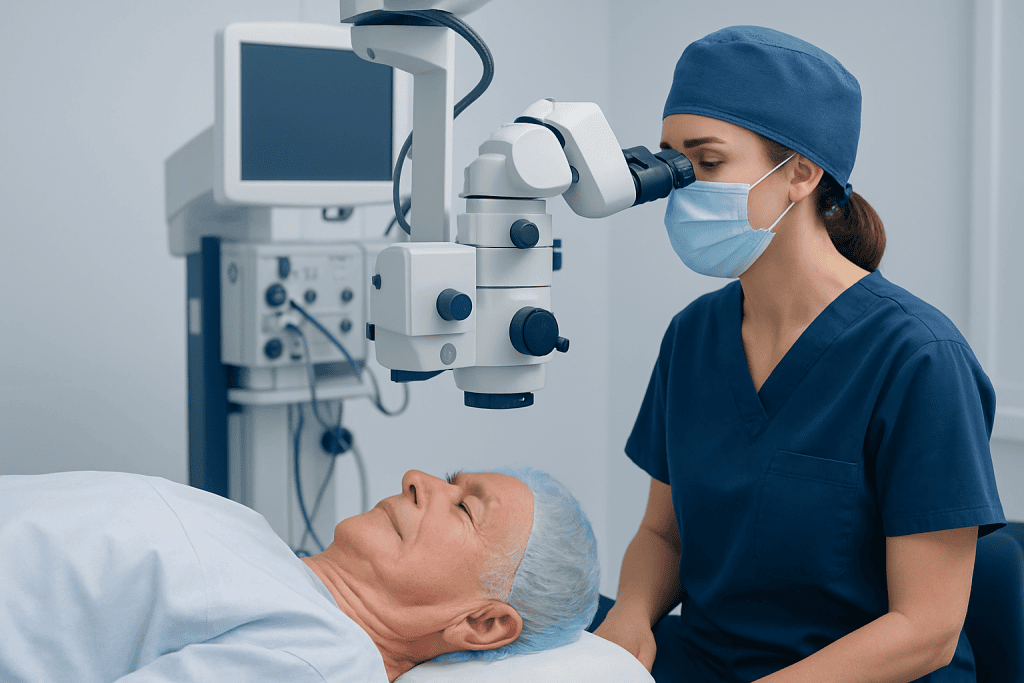
Cataract surgery is generally considered when vision changes begin to interfere with daily life. This may include trouble reading, driving, recognizing faces, working on a screen, or coping with bright light and halos. Surgery is not based only on age or the appearance of the cataract; it is based on how much the cataract affects the person’s vision and quality of life.
Not every blurry eye is caused only by cataracts. Before travel is planned, an ophthalmologist should assess whether the cataract is the main reason for reduced vision or whether another eye condition is also involved. Problems such as macular degeneration, diabetic eye disease, corneal disease, or glaucoma can influence both the expected outcome and the overall treatment plan.
Candidates for surgery are usually adults who are medically stable enough for a short procedure and able to follow postoperative instructions. If both eyes have cataracts, surgery is typically performed one eye at a time, allowing the first eye to begin healing before the second is treated. A specialist will advise on timing based on vision needs, travel plans, and the health of each eye.
Before Travel: Evaluation, Records, and Practical Planning

Early planning is one of the most important parts of cataract surgery in Turkey. Patients should share recent eye examination results, glasses prescriptions, a list of medications, allergy history, and information about other medical conditions such as diabetes, heart disease, or previous eye surgery. This helps the surgical team judge whether additional tests are needed before travel and whether the patient is a good candidate for a specific lens type.
The preoperative eye assessment often includes vision testing, measurement of the eye for lens calculation, examination of the retina and optic nerve, and evaluation of the cornea. These details matter because the artificial lens power must be chosen carefully. If a patient has a history of retinal problems or prior laser procedures, the surgeon may request extra imaging or specialist review before finalizing the plan.
Travel logistics also deserve attention. It is usually wise to arrange enough time in the destination for the initial consultation, surgery, and at least one early postoperative review. Patients should ask whether they can fly soon after surgery, how long they should stay locally, whether they will need a companion, and what support is available if they do not speak the local language. Packing sunglasses, current medications, and copies of health records can make the trip easier.
Patients who have other eye conditions may need coordinated planning. For example, some may require evaluation related to retinal detachment risk or previous retinal treatment, while others may need to discuss whether combined procedures are necessary. Clear expectations before departure can reduce stress and help avoid last-minute changes.
The Procedure and Lens Options
Modern cataract surgery is usually performed with local anesthesia, often using numbing drops and sometimes light sedation. During the procedure, the surgeon makes a very small opening in the eye, breaks up the cloudy lens, removes it, and places an artificial lens in the same position. The operation is commonly completed in a short time, and many patients go home the same day after a brief observation period.
One of the most important parts of planning is choosing the intraocular lens. Monofocal lenses are designed to provide clear vision at one main distance, often for far vision, while reading glasses may still be needed. Other lens types may reduce dependence on glasses for some people, but they are not suitable for every eye. The best option depends on the patient’s visual goals, corneal shape, retinal health, and whether there is astigmatism.
Patients should ask what visual result is realistic. Cataract surgery can improve the cloudiness caused by the lens, but it does not cure every eye problem. If a person also has corneal disease, optic nerve damage, or retinal disease, final vision may still be limited. In some cases, additional ophthalmic care such as vitrectomy or retinal assessment may be relevant to the broader eye health picture, even if it is separate from the cataract procedure itself.
Recovery and Follow-Up Care After Surgery
Recovery after cataract surgery is often straightforward, but it still requires care and patience. Vision may seem clearer within days, though mild irritation, watery eyes, or a scratchy sensation can happen early on. Many patients are prescribed eye drops to reduce inflammation and help prevent infection. These drops should be used exactly as instructed, even if the eye already feels better.
Follow-up care is especially important for international patients. The first review is often scheduled soon after surgery to check healing, eye pressure, and the position of the new lens. Additional visits may be needed depending on whether one or both eyes were treated, whether the patient has other eye conditions, and how far they are traveling. Before leaving Turkey, patients should know which warning signs require urgent assessment and who to contact if symptoms appear later.
Common advice during recovery includes avoiding rubbing the eye, keeping water, soap, and makeup out of the eye for a period advised by the doctor, and using protective eyewear when needed. Heavy lifting, strenuous exercise, and swimming may be restricted temporarily. Most people can gradually return to regular activities, but timing varies from one person to another.
If the patient already has retinal disease, diabetic eye disease, or high eye pressure, the aftercare plan may be more individualized. In more complex situations, collaboration between cataract surgeons and other specialists, including those involved in retinal treatment, can help protect long-term visual health.
Benefits, Limitations, and Possible Risks
The main benefit of cataract surgery is clearer vision when cataracts are the main cause of visual decline. Many patients notice improvements in brightness, contrast, color perception, and the ability to perform daily tasks. Surgery may also make it easier for the doctor to examine the back of the eye and monitor other eye conditions after the cloudy lens has been removed.
At the same time, it is helpful to keep expectations realistic. Needing glasses after surgery is still common, depending on the lens chosen and the person’s healing. Vision may improve significantly, but the exact result can be influenced by age-related changes elsewhere in the eye, pre-existing disease, and the natural healing response.
As with any surgery, cataract surgery carries some risks, although serious complications are uncommon. Possible concerns include infection, inflammation, swelling, increased eye pressure, bleeding, lens displacement, retinal problems, or persistent blurred vision. Prompt medical attention for warning symptoms can reduce the chance of long-term problems. Patients should feel comfortable asking their surgeon how risks apply to their own eye health rather than relying on general assumptions.
How to Choose a Center and Prepare for Safe Medical Travel
Choosing where to have cataract surgery abroad should involve more than comparing dates or convenience. Patients should look for an experienced ophthalmology team, clear diagnostic pathways, transparent explanations of lens options, and a reliable plan for communication before and after surgery. It is also sensible to ask who will provide care if a concern arises outside routine hours.
Safe medical travel planning includes confirming whether medical records can be shared in English, how prescriptions will be explained, and whether a local eye doctor at home can assist with later reviews if needed. Patients should also ask for written discharge instructions, copies of test results, and a summary of the procedure to bring back to their regular doctor.
For some international patients, support from a multidisciplinary hospital system can make coordination easier, especially if they have other medical conditions that need attention while traveling. Near the end of the process, some may choose centers such as Acibadem International, where multidisciplinary specialists and JCI-accredited hospitals diagnose and treat eye conditions for international patients. The most important point, however, is that the chosen team offers appropriate expertise, safe standards, and continuity of care.
When to Contact a Doctor Urgently After Cataract Surgery
Patients should seek urgent medical advice if they develop severe eye pain, sudden worsening of vision, significant redness, flashes of light, many new floaters, or a curtain-like shadow in vision. These symptoms do not always mean a serious complication, but they should be assessed quickly. Waiting to see if the symptoms settle on their own is usually not the safest approach.
Other reasons to contact the surgical team include persistent nausea with eye pain, discharge from the eye, injury to the operated eye, or confusion about how to use prescribed drops. International patients should have a clear contact plan before they travel home, including emergency numbers and advice on whether to attend a local emergency eye service if needed.
Even when recovery seems smooth, routine follow-up still matters. Vision often continues to stabilize over time, and a doctor may recommend a later check for updated glasses or to monitor pressure and healing. A thoughtful plan for both immediate and later reviews supports the best possible recovery experience.
Frequently asked questions
How long should a patient stay in Turkey after cataract surgery?
The exact length of stay depends on the individual case, whether one or both eyes are being treated, and the surgeon’s follow-up schedule. Many patients need enough time for the consultation, surgery, and an early postoperative examination before traveling home.
Is cataract surgery painful?
Cataract surgery is usually not painful because the eye is numbed with drops or local anesthesia. Some people notice pressure, light, or mild temporary discomfort, but significant pain is not expected and should be reported to a doctor.
Can a patient fly after cataract surgery?
Many patients can fly after cataract surgery, but timing should be confirmed with the treating ophthalmologist. The doctor will consider how the eye is healing, whether there were any complications, and whether an early follow-up visit is still needed.
Will glasses still be needed after cataract surgery?
Some patients still need glasses after surgery, especially for reading or fine visual tasks. This depends on the type of intraocular lens used, the health of the eye, and the final refractive result after healing.
What tests are needed before cataract surgery?
Preoperative testing commonly includes vision assessment, measurement of the eye for lens calculation, and a detailed eye examination. Some patients also need retinal imaging, corneal evaluation, or additional tests if they have other eye diseases or previous eye surgery.
What symptoms after surgery require urgent medical care?
Urgent review is needed for severe pain, sudden loss or worsening of vision, marked redness, flashing lights, many new floaters, or a shadow in the visual field. These symptoms may indicate a complication that should be assessed promptly.
References
- American Academy of Ophthalmology
- National Eye Institute
- Royal College of Ophthalmologists
- National Health Service
- World Health Organization
This article is for general information only and is not a substitute for professional medical advice. Please consult a qualified doctor about your individual situation.
Cataract Surgery in Turkey — costs, top hospitals & a free quote
JCI-accredited · board-certified surgeons · reply within 24h
Add us as a Preferred Source to see more of our trusted health content across Google Search, AI Overviews and Discover.

Ophthalmology
Comprehensive eye care from laser vision correction to retina, cornea and cataract surgery.
75 specialists in this unit