

Robotic Surgery Recovery: Pain, Activity, and Return to Daily Life

Many people have less pain and a shorter hospital stay after robotic surgery than after open surgery. Mild to moderate discomfort, fatigue, bloating, and temporary activity limits are common during early recovery.
Key Takeaways
- Many people have less pain and a shorter hospital stay after robotic surgery than after open surgery.
- Mild to moderate discomfort, fatigue, bloating, and temporary activity limits are common during early recovery.
- Walking, wound care, hydration, and following medical instructions can support healing.
- Return to work, exercise, and driving depends on the specific procedure and the person’s progress.
- Medical advice should be personalized, especially if there is fever, worsening pain, heavy bleeding, or signs of infection.
Robotic surgery recovery is often smoother than recovery after traditional open surgery because incisions are usually smaller and there may be less tissue disruption. Even so, each person heals at a different pace, and the recovery plan depends on the type of operation, overall health, and the surgeon’s advice.
Overview of Robotic Surgery Recovery
Robotic surgery is a minimally invasive surgical approach in which the surgeon controls specialized instruments from a console. It is used in several fields, including urology, gynecology, general surgery, and some heart and thoracic procedures. Although the term may sound highly automated, the surgeon remains in control throughout the operation.
Recovery after robotic surgery is often easier than recovery after traditional open surgery because the cuts in the skin are usually smaller. This can mean less pain, less blood loss, shorter hospitalization, and a quicker return to normal routines for many patients. However, robotic surgery is still real surgery, and the body still needs time to heal internally.
The exact recovery experience depends on what operation was performed. For example, recovery after a robotic hysterectomy may feel different from recovery after robotic prostate surgery or robotic-assisted surgery for digestive or chest conditions. Age, fitness level, nutrition, sleep, medical conditions, and whether there were any complications also affect healing.
What Pain and Discomfort Are Usually Like
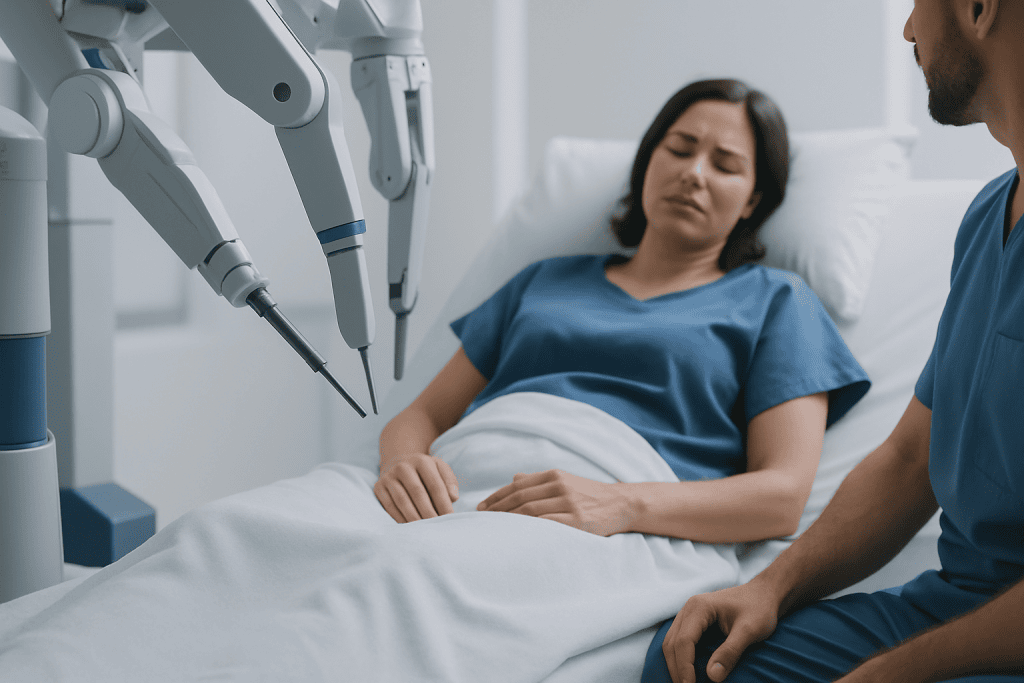
Pain after robotic surgery is usually described as mild to moderate in the first few days, though this varies by procedure and by individual pain sensitivity. Some soreness around the small incisions is expected. Many patients also notice deeper aching, abdominal tightness, or discomfort when changing position, coughing, or getting out of bed.
One common source of early discomfort is gas pain or bloating. During some robotic procedures, the abdomen is inflated with gas to create working space. After surgery, this can lead to pressure, abdominal fullness, or pain felt in the shoulders. This usually improves as the gas is absorbed and as gentle walking helps the body recover.
Fatigue is also very common and should not be mistaken for a problem on its own. Anesthesia, the stress of surgery, changes in sleep, pain medicines, and reduced activity can all make a person feel tired for days or even a few weeks. Most doctors recommend using pain relief exactly as prescribed and gradually reducing it as comfort improves.
- Incision soreness and mild swelling can be normal
- Bloating, constipation, and temporary nausea may occur
- Shoulder-tip pain can happen after abdominal robotic surgery
- Severe or worsening pain should be reported promptly
Activity, Walking, and Returning to Daily Life

Early movement is an important part of robotic surgery recovery. In many cases, patients are encouraged to sit up and walk on the same day or the day after surgery. Gentle walking helps circulation, supports bowel function, lowers the risk of blood clots, and may reduce gas-related discomfort. Activity is usually increased in small steps rather than all at once.
Most people can do light daily tasks fairly soon, such as walking indoors, climbing a few stairs slowly, eating meals at a table, and basic self-care. At the same time, there are usually short-term restrictions on lifting, straining, intense exercise, and sexual activity, depending on the operation. Returning too quickly to heavy activity can increase pain and may affect healing.
The timeline for driving, office work, and more physically demanding jobs is different for each patient. A person should generally be able to move comfortably, react quickly, and no longer rely on sedating pain medication before driving. For desk-based work, some patients return within one to three weeks, while jobs that involve standing, lifting, or physical labor may require longer recovery.
Wound Care, Diet, and Self-Care at Home
Small robotic surgery incisions usually heal well, but they still need regular care. Patients are commonly advised to keep the area clean and dry, follow showering instructions, avoid soaking in baths until cleared, and watch for redness, drainage, or increasing swelling. Dressings, if used, should be changed exactly as instructed by the care team.
Eating and drinking after surgery should usually be gentle and gradual. Many people start with fluids and light foods, then move toward a normal balanced diet as nausea improves and the bowels become active again. Good hydration and fiber can help with constipation, which is common after anesthesia and pain medication. If needed, the surgical team may recommend a stool softener or other supportive measures.
Rest is important, but complete bed rest is usually not recommended unless specifically advised. Short walks, regular deep breathing, and adequate sleep can support healing. It is also helpful to avoid smoking and limit alcohol, as both can interfere with wound healing and overall recovery.
For patients traveling for treatment, it is especially important to understand follow-up instructions before leaving the hospital. At centers such as Acibadem International, multidisciplinary specialists in JCI-accredited hospitals care for international patients undergoing advanced procedures including Da Vinci robotic surgery, with recovery plans tailored to the type of operation and the person’s needs.
Typical Healing Time and What Affects It
Many patients feel noticeably better within days to a couple of weeks after robotic surgery, but full healing often takes longer. Skin incisions may close relatively quickly, while deeper tissues continue to recover over several weeks. For some operations, complete recovery may take four to six weeks or more, even when a person appears well on the outside.
The type of procedure is one of the biggest factors in healing time. Surgery on the urinary tract, bowel, uterus, or chest each places different demands on the body. A longer operation, more complex surgery, or a procedure that required removal of an organ or reconstruction may also lengthen recovery. If robotic surgery was performed for a condition such as prostate cancer, cancer-related treatments and follow-up plans may influence the overall timeline as well.
General health matters too. Diabetes, anemia, obesity, smoking, older age, poor nutrition, and reduced mobility can all slow healing. On the other hand, careful preparation before surgery, good pain control, hydration, and gradual activity afterward may help support a steadier recovery.
Possible Risks and Warning Signs During Recovery
Most people recover without major problems, but all surgeries carry some risk. Possible concerns after robotic surgery include infection, bleeding, blood clots, bowel or bladder problems, reactions to medication, or complications specific to the procedure performed. The chances vary depending on the operation and a person’s medical history.
Patients are usually advised to contact their doctor if they develop fever, chills, worsening rather than improving pain, heavy bleeding, bad-smelling wound drainage, increasing redness, chest pain, shortness of breath, or swelling in one leg. Persistent vomiting, inability to pass urine, severe constipation, or a swollen and painful abdomen may also need prompt medical review.
It is normal to have questions about what is expected and what is not. Clear discharge instructions can help patients feel more confident at home. When something feels unusual or symptoms suddenly change, it is safer to check with a qualified medical professional rather than wait and worry.
Follow-Up Care and Questions to Discuss With the Surgeon
Follow-up appointments are an important part of robotic surgery recovery. During these visits, the surgeon or care team checks the incisions, reviews pain control, discusses pathology or procedure findings if relevant, and advises when the patient can resume work, exercise, travel, and other normal activities. These visits also allow time to address concerns that may not have been obvious right after surgery.
Helpful questions may include when bathing is allowed, how much walking is recommended, what level of lifting is safe, when driving can restart, and how long fatigue may last. Patients may also want guidance on bowel changes, urinary symptoms, diet, sleeping positions, and sexual activity. Asking these practical questions can make day-to-day recovery less stressful.
For people preparing for surgery, it can also help to ask in advance what recovery is typically like for that exact operation. Robotic procedures differ significantly, whether the plan involves robotic urologic surgery or another type of minimally invasive approach. Personalized advice from the surgical team should always guide expectations and decision-making.
Frequently asked questions
Is recovery after robotic surgery faster than after open surgery?
For many patients, yes. Because robotic surgery usually uses smaller incisions, there may be less pain, a shorter hospital stay, and a quicker return to daily activities than with open surgery. The exact benefit depends on the type of operation and the patient’s overall health.
How long does pain last after robotic surgery?
Pain is often strongest in the first few days and then gradually improves. Some soreness, tightness, and fatigue can continue for a few weeks, especially after more complex procedures. If pain becomes worse instead of better, the patient should contact the surgical team.
When can a person walk and move around after robotic surgery?
Many patients are encouraged to begin gentle movement very soon after surgery, sometimes the same day or the next day. Short walks are usually helpful for circulation, bowel function, and reducing stiffness. Activity should increase gradually and follow the surgeon’s instructions.
When is it safe to return to work after robotic surgery?
This depends on the procedure and the type of work. People with desk jobs may return sooner than those whose jobs involve lifting, standing for long periods, or physical labor. A surgeon usually gives the safest timeline based on healing progress and symptoms.
What should a person avoid during robotic surgery recovery?
Common restrictions include heavy lifting, strenuous exercise, smoking, and driving while taking sedating pain medication. Some patients may also need to avoid baths, swimming, or sexual activity for a period of time. The exact limits depend on the operation performed.
What symptoms after robotic surgery need urgent medical attention?
A patient should seek medical advice quickly for fever, worsening pain, heavy bleeding, chest pain, shortness of breath, pus-like wound drainage, or trouble urinating. Severe vomiting, a swollen painful abdomen, or one-sided leg swelling are also important warning signs. These symptoms do not always mean a serious complication, but they should be checked promptly.
References
- World Health Organization
- National Institutes of Health
- American College of Surgeons
- National Health Service
- Society of American Gastrointestinal and Endoscopic Surgeons
This article is for general information only and is not a substitute for professional medical advice. Please consult a qualified doctor about your individual situation.
Explore treatments in Turkey — costs, top hospitals & a free quote
JCI-accredited · board-certified surgeons · reply within 24h
Add us as a Preferred Source to see more of our trusted health content across Google Search, AI Overviews and Discover.

More from the Health Library



Related Specialists

Dr. Hasan İnsel
Internal Medicine
Prof. Dr. Metin Keskin
General Surgery
Assoc. Prof. Dr. Özden Sıla Ulus Buturak
Breast Clinic Clinical Service
Dr. Veysel Doğan
Emergency Service