What Is IEEE and How Does It Influence Medical Technology?

IEEE is a global professional organization for engineering and technology. In healthcare, IEEE standards help improve safety, data sharing, and device compatibility.
Key Takeaways
- IEEE is a global professional organization for engineering and technology.
- In healthcare, IEEE standards help improve safety, data sharing, and device compatibility.
- IEEE influences areas such as medical imaging, wearable sensors, telehealth, and hospital equipment networks.
- Standards do not replace clinical judgment, but they support safer and more consistent technology use.
- Patients benefit when medical systems are reliable, secure, and able to work together.
IEEE plays an important role in medical technology by developing technical standards and supporting engineering best practices. These efforts help medical devices communicate more reliably, work more safely, and fit more smoothly into modern healthcare systems.
Overview: What IEEE Means in Healthcare
IEEE stands for the Institute of Electrical and Electronics Engineers. It is an international professional organization that brings together engineers, researchers, and technical experts to develop standards, share knowledge, and support innovation across many fields. Although many people associate IEEE with computers, electronics, or telecommunications, its work also has an important effect on healthcare.
In medical technology, IEEE helps shape the technical rules and frameworks that allow devices and digital systems to function safely and consistently. These standards can affect how a bedside monitor sends data, how a wearable sensor measures signals, or how hospital equipment connects to a network. By creating common approaches, IEEE helps reduce confusion between manufacturers and supports more dependable technology.
For patients, IEEE is usually invisible in day-to-day care. A person having an ECG, using a home monitoring device, or attending a telehealth appointment may never see the term. Still, the underlying standards can influence whether devices are accurate, secure, and able to exchange information effectively.
Why Standards Matter in Medical Technology
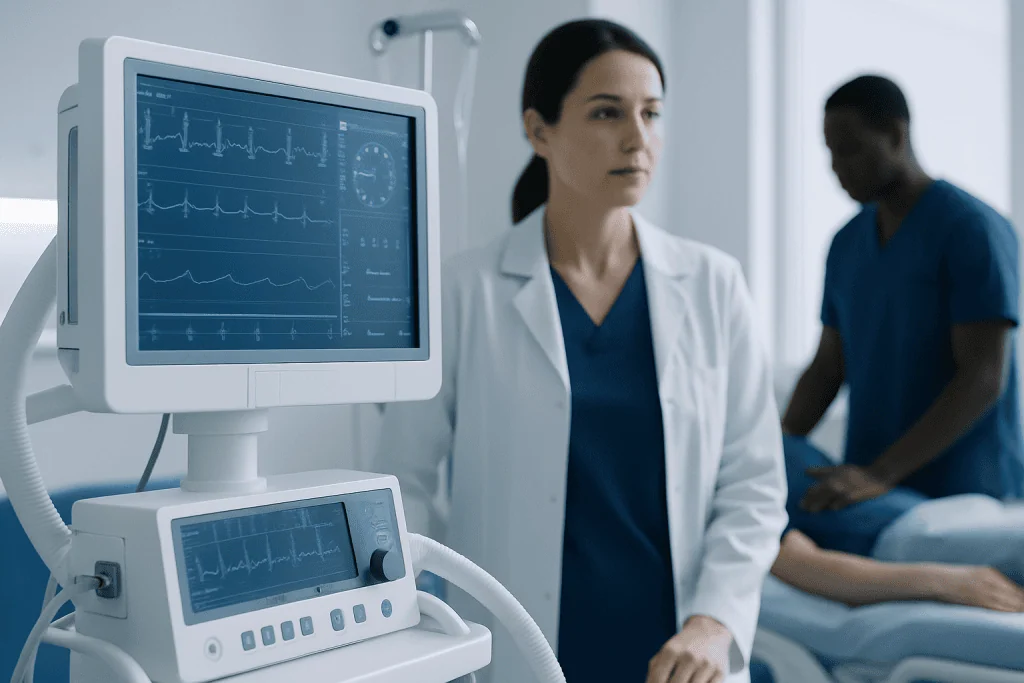
Modern healthcare depends on a wide range of digital and electronic tools. These include infusion pumps, imaging systems, heart monitors, wearable trackers, laboratory analyzers, and remote care platforms. If each system used completely different technical rules, integrating them would be difficult and errors could become more likely.
Standards help create a common technical language. They guide how information is formatted, how devices connect, how signals are measured, and how performance may be evaluated. This supports interoperability, which means different systems can work together more smoothly. In practical terms, interoperability can help clinicians access information more efficiently and reduce the need for repeated manual data entry.
Standards also support quality and safety. While no standard can remove all risk, a well-designed technical standard can help manufacturers test devices more consistently and design systems with reliability in mind. This is especially valuable in environments such as intensive care, surgery, and emergency medicine, where dependable equipment is essential.
- Supports compatibility between devices and software
- Encourages consistency in engineering and testing
- Helps improve reliability and data quality
- Provides a shared framework for innovation
How IEEE Influences Medical Devices and Digital Health

IEEE influences healthcare in several ways. One major area is medical device communication. In a hospital, patient monitors, smart beds, alarms, and electronic systems may need to share information. IEEE standards can help define the technical structure that allows such communication to happen more predictably and securely.
Another important area is wearable and remote monitoring technology. Devices that track heart rhythm, oxygen levels, activity, sleep, or glucose-related trends rely on sensors, wireless communication, signal processing, and power management. IEEE’s broader work in electronics, wireless systems, and engineering design helps shape the technical environment in which these tools are developed.
IEEE also contributes to fields such as medical imaging, artificial intelligence in healthcare, robotics, and telemedicine. For example, engineers and clinicians may use IEEE publications, conferences, and standards as references when designing new systems. This does not mean IEEE approves every product, but it does mean its technical guidance can influence how products are built and evaluated before reaching clinical use.
As healthcare becomes more connected, these contributions become even more relevant. Hospitals increasingly rely on networks, cloud-based systems, and data exchange across departments. Technical standards help these systems operate in a more coordinated way, supporting both clinicians and patients.
Examples of Areas Where IEEE Has an Impact
IEEE’s impact is often easiest to understand through examples. In cardiac care, devices such as ECG monitors and wearable rhythm trackers depend on accurate signal capture and reliable data transmission. In imaging, digital systems require carefully designed hardware and software to produce clear, usable images that clinicians can interpret confidently. In telehealth, stable communication standards support remote appointments and home monitoring.
Hospital environments also use many networked systems at the same time. A patient may undergo blood pressure monitoring, oxygen saturation tracking, infusion therapy, and imaging during one admission. If those systems are built around clear technical standards, it may be easier to integrate them into larger care platforms, including MRI imaging workflows or comprehensive check-up programs where multiple data sources are reviewed together.
Another growing area is smart and connected home care. Some patients use blood pressure cuffs, pulse oximeters, or activity trackers at home, especially during long-term follow-up. Good technical design helps ensure that these tools collect information consistently and communicate with apps or clinical platforms in a useful way. This can be relevant for chronic conditions that benefit from regular monitoring, including some aspects of arrhythmia management or follow-up in patients with sleep apnea.
Benefits and Limits for Patients and Clinicians
From a patient perspective, the main benefit of IEEE-related standardization is trust in the healthcare technology environment. Patients generally want devices to be accurate, dependable, and easy for clinicians to use. When manufacturers follow recognized technical standards, the result may be systems that are better able to perform consistently in real clinical settings.
Clinicians also benefit when data is easier to interpret and systems are easier to integrate into daily work. Better interoperability can reduce technical barriers between departments and may help healthcare teams access information more efficiently. In some settings, this can support faster clinical decisions and smoother care coordination.
At the same time, standards have limits. They are not a guarantee that every device will work perfectly, and they do not replace regulatory review, hospital quality checks, maintenance, or clinician expertise. A product must still be designed well, tested properly, used correctly, and monitored over time. Safe medical care depends on the combination of good technology, good training, and sound clinical judgment.
Safety, Cybersecurity, and Data Sharing
As more medical devices become connected, cybersecurity is a growing concern. A hospital network may include monitoring systems, imaging equipment, laboratory instruments, and patient portals. If these systems are not designed carefully, security weaknesses could affect privacy, availability, or device performance. IEEE contributes to technical discussions and standards that can help guide secure engineering practices.
Data sharing is another important issue. Patients often receive care from more than one department or facility, and medical information may need to move between systems. Standards can help structure this exchange so information is easier to read and use. This can support continuity of care, especially when patients have complex evaluations such as PET-CT scanning or advanced outpatient monitoring.
Even with strong technical standards, healthcare organizations must still apply local safeguards. These include software updates, secure network management, user access controls, staff training, and clear procedures for reporting technical problems. Patients can also play a role by using approved apps and devices, protecting account passwords, and asking questions if they are unsure how health data is being handled.
What the Future May Look Like
The future of medical technology is likely to include more connected devices, more artificial intelligence, and greater use of remote monitoring. In this environment, technical standards will remain important because they help new tools fit into healthcare systems without creating unnecessary confusion or incompatibility. IEEE is likely to continue influencing the engineering foundations behind these developments.
Areas such as wearable biosensors, smart implants, robotic assistance, and real-time data analysis are developing quickly. To be useful in healthcare, these innovations need more than novelty. They need dependable performance, secure communication, and practical integration into patient care. Standards help support this transition from technical possibility to safe and meaningful clinical use.
Patients considering advanced diagnostics or digital health programs may wish to ask how their devices share information, who reviews the data, and what safeguards are in place. At Acibadem International, multidisciplinary specialists and JCI-accredited hospitals diagnose and treat international patients using modern medical technologies within established clinical pathways. Clear communication with a qualified healthcare team remains the best way to understand how any technology is used in individual care.
Frequently asked questions
What does IEEE stand for in medical technology?
IEEE stands for the Institute of Electrical and Electronics Engineers. In medical technology, it is known for helping develop technical standards and engineering guidance that support safer, more reliable healthcare devices and systems.
Does IEEE approve medical devices for patient use?
No. IEEE develops standards and technical resources, but it does not replace medical regulators. Medical devices still need appropriate regulatory review, manufacturer testing, and clinical oversight before and during use.
How does IEEE affect patients directly?
Patients are usually affected indirectly. IEEE-related standards can help devices communicate better, measure data more consistently, and fit more smoothly into hospital or home monitoring systems.
Why is interoperability important in healthcare?
Interoperability means that different systems and devices can exchange and use information effectively. This can help reduce technical barriers, support care coordination, and make it easier for clinicians to review relevant data in one place.
Is IEEE only relevant to hospital equipment?
No. IEEE also influences technologies used outside hospitals, including wearable sensors, telehealth tools, wireless health devices, and some home monitoring systems. Its broader standards work in electronics and communications can shape many kinds of healthcare technology.
Are standards enough to make medical technology safe?
Standards are important, but they are only one part of safety. Safe care also depends on good device design, proper testing, regular maintenance, cybersecurity protections, and trained healthcare professionals using the technology correctly.
References
- Institute of Electrical and Electronics Engineers
- World Health Organization
- U.S. Food and Drug Administration
- International Organization for Standardization
- National Institutes of Health
This article is for general information only and is not a substitute for professional medical advice. Please consult a qualified doctor about your individual situation.
Explore treatments in Turkey — costs, top hospitals & a free quote
JCI-accredited · board-certified surgeons · reply within 24h
Add us as a Preferred Source to see more of our trusted health content across Google Search, AI Overviews and Discover.
Check your numbers in seconds
BMI, calories, due date, blood pressure and 30+ more clinical calculators — free, instant, doctor-reviewed ranges.