

Heart stent: Symptoms, Causes, and Treatment — Complete Patient Guide

A heart stent does not replace the heart; it supports a narrowed coronary artery from the inside. Stents are commonly used with angioplasty to treat reduced blood flow caused by coronary artery disease.
Key Takeaways
- A heart stent does not replace the heart; it supports a narrowed coronary artery from the inside.
- Stents are commonly used with angioplasty to treat reduced blood flow caused by coronary artery disease.
- Common warning signs that may lead to stent treatment include chest pain, shortness of breath, or symptoms of a heart attack.
- After a stent procedure, medications and long-term lifestyle changes are important to lower the risk of future artery blockage.
- Urgent medical evaluation is needed for chest pain, sudden shortness of breath, or possible heart attack symptoms.
A heart stent is a small mesh tube placed inside a narrowed or blocked coronary artery to help keep it open and improve blood flow to the heart muscle. It is most often used during angioplasty to treat coronary artery disease, relieve symptoms such as chest pain, or urgently restore blood flow during a heart attack.
Overview: what a heart stent is and why it is used
A heart stent is a small metal mesh tube that a doctor places inside a coronary artery, the blood vessel that supplies the heart muscle. Its purpose is to hold the artery open after a narrowed area has been widened, helping blood flow more freely. In everyday language, people often say “heart stent,” but the device is usually a coronary stent placed in a coronary artery.
Stents are commonly used during a minimally invasive procedure called angioplasty, also known as percutaneous coronary intervention (PCI). In this procedure, a thin tube called a catheter is guided through a blood vessel, usually from the wrist or groin, to the heart. A small balloon may be inflated to widen the narrowed area, and then the stent is expanded into place to support the artery wall.
A heart stent may be recommended for stable narrowing that causes symptoms such as chest discomfort with activity, or in urgent situations such as a heart attack when blood flow needs to be restored quickly. The goal is not only symptom relief but also protection of heart muscle when a blockage is severe or sudden.
Many people think a stent “cures” heart disease. In reality, it treats a specific narrowed segment, while the underlying process that caused the blockage can still affect other parts of the arteries. That is why follow-up care, medication, and risk-factor control remain important after the procedure.
Symptoms and signs that may lead to stent treatment
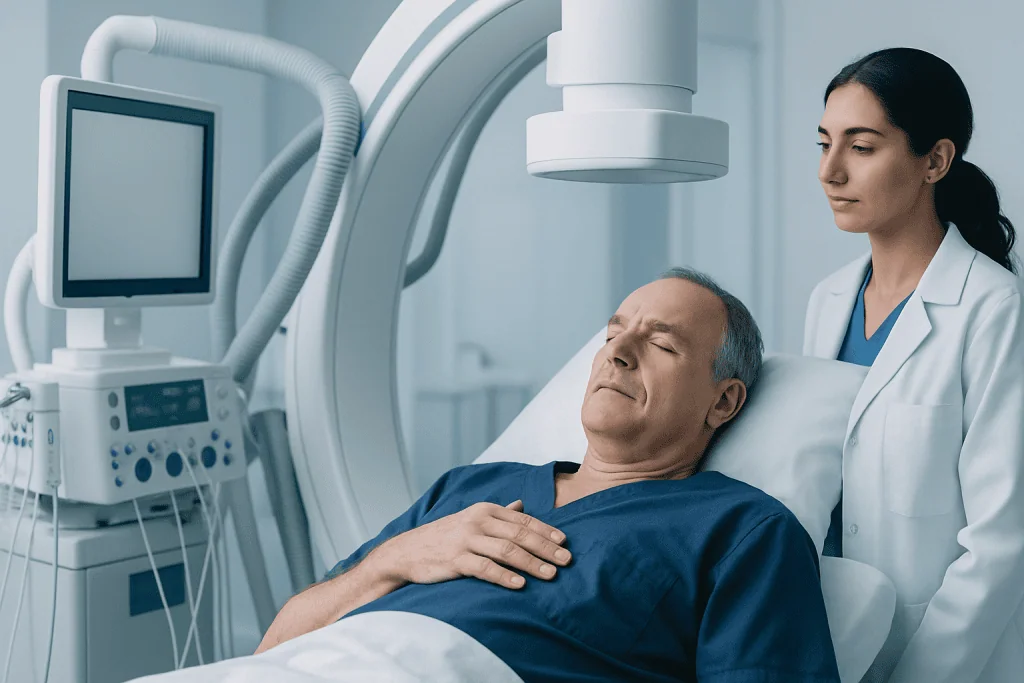
A heart stent itself does not cause symptoms before it is placed. Rather, symptoms usually come from the narrowed coronary artery that limits blood flow to the heart. The most common symptom is chest pain or pressure, often described as tightness, squeezing, heaviness, or burning. Some people notice these symptoms during walking, climbing stairs, emotional stress, or cold weather.
Reduced blood flow can also cause shortness of breath, unusual fatigue, pain in the arm, shoulder, neck, jaw, or upper back, and reduced exercise tolerance. In some people, especially older adults, women, and people with diabetes, symptoms may be less typical. They may notice nausea, sweating, indigestion-like discomfort, or a general feeling that something is not right.
When a coronary artery becomes suddenly blocked, symptoms may signal a heart attack. These can include persistent chest pain, shortness of breath, cold sweats, lightheadedness, or pain spreading to the left arm or jaw. In this setting, a heart stent may be used urgently to reopen the artery and limit damage to the heart muscle.
Some people have significant coronary narrowing without obvious symptoms until the condition becomes advanced. For that reason, symptoms should be assessed in context, especially if a person has risk factors for coronary artery disease or has already been told they have narrowed heart arteries.
Causes and risk factors behind blocked heart arteries
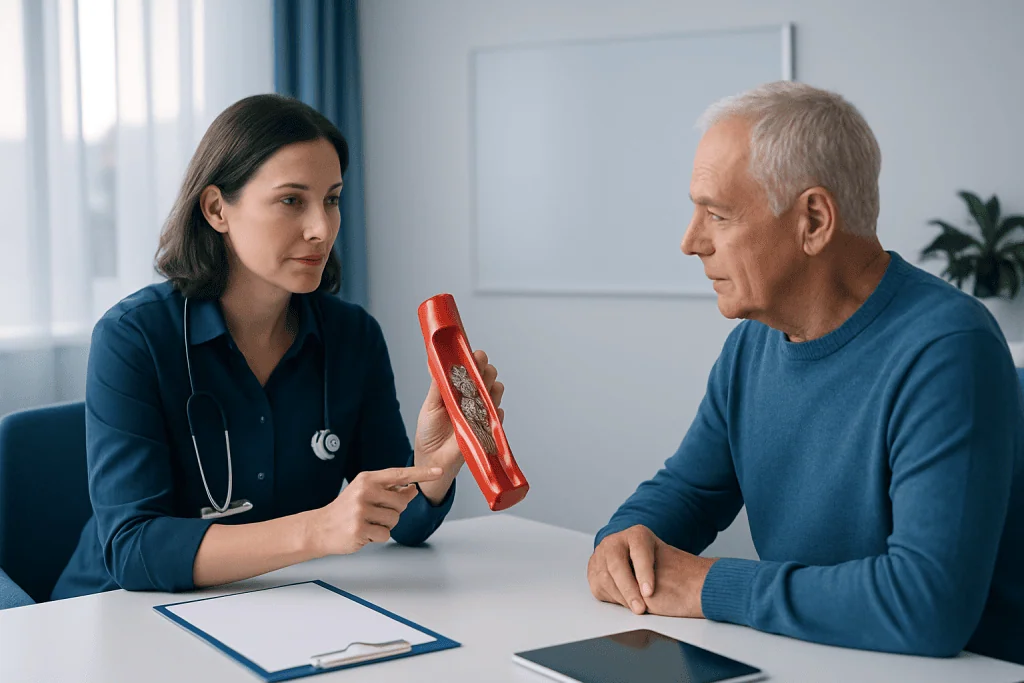
The most common reason a person may need a heart stent is atherosclerosis, a gradual buildup of fatty deposits, inflammatory material, and scar tissue inside the coronary arteries. Over time, this buildup narrows the artery and reduces blood flow. If a plaque ruptures, a blood clot can form quickly and suddenly block the artery, leading to a heart attack.
Several factors increase the risk of coronary artery narrowing. These include smoking, high blood pressure, high cholesterol, diabetes, obesity, low physical activity, chronic stress, and a diet high in salt, saturated fat, or highly processed foods. Family history, increasing age, and male sex at younger ages are also important contributors, although anyone can develop heart disease.
Some medical conditions can further increase risk, including chronic kidney disease, inflammatory disorders, and sleep apnea. People who have had prior heart disease, stroke, or circulation problems in other arteries are more likely to have atherosclerosis elsewhere in the body as well.
A heart stent treats the narrowed area, but not the root causes on its own. Lasting benefit depends on lowering cardiovascular risk over time. This is why doctors usually combine stent treatment with medical therapy and a long-term prevention plan rather than viewing the procedure as a stand-alone solution.
How doctors decide whether a heart stent is needed
Doctors begin with symptoms, medical history, physical examination, and basic tests such as an electrocardiogram (ECG) and blood tests. If a heart attack is suspected, evaluation is urgent and treatment decisions are often made quickly. In non-emergency situations, the next step may include stress testing, echocardiography, or coronary CT imaging, depending on the person’s symptoms and overall risk.
The most direct way to assess the coronary arteries is coronary angiography. During this test, contrast dye is injected through a catheter so narrowed areas can be seen on X-ray images. If a significant blockage is found and the anatomy is suitable, angioplasty and stent placement may sometimes be performed during the same session.
Not every narrowed artery requires a stent. Doctors consider how severe the blockage is, whether it is causing symptoms, whether heart muscle is at risk, and whether medication alone may be enough. In some people with complex or extensive coronary disease, surgery may be the better option than a stent, such as coronary artery bypass surgery.
Decision-making is individualized. The care team weighs the expected benefit, the urgency of the situation, the person’s other health conditions, and possible procedure-related risks. A clear conversation with a cardiologist helps patients understand why a stent is or is not being recommended in their particular case.
What happens during heart stent treatment
Heart stent placement is usually performed in a cardiac catheterization laboratory. The patient is typically awake but given medication to help with relaxation and comfort. After cleaning the skin and numbing the access site, the doctor inserts a catheter through an artery in the wrist or groin and guides it toward the coronary arteries.
A tiny balloon may be positioned across the narrowed segment and inflated to widen the artery. The stent, mounted on a balloon or delivered in another expansion system, is then placed at the site and expanded so it presses gently against the artery wall. Once the stent is in position, the balloon is removed, but the stent remains in place to support the artery.
Many modern stents are drug-eluting stents, meaning they slowly release medication that helps reduce the chance of the artery narrowing again inside the stent. In selected situations, other devices or techniques may also be used, depending on the location and nature of the blockage. Patients may hear the procedure described as coronary angiography followed by angioplasty and stenting.
Recovery is often relatively quick, especially when the wrist is used for access. Some patients go home the same day, while others stay in hospital longer, particularly after a heart attack or if they have other medical needs. Before discharge, the care team explains medication, activity guidance, and follow-up plans.
Benefits, risks, and life after a stent
The main benefits of a heart stent are improved blood flow, relief of symptoms such as angina, and urgent restoration of circulation during a heart attack. Many people feel better able to carry out daily activities after the artery is reopened. In emergency settings, timely stent treatment can help preserve heart muscle and improve recovery.
Like any medical procedure, stent placement has risks. Possible complications include bleeding at the catheter site, bruising, allergic reaction to contrast dye, kidney strain from contrast, irregular heart rhythm, blood clot formation, re-narrowing of the artery, or, rarely, heart attack or stroke related to the procedure. The overall risk varies depending on age, overall health, and whether the situation is elective or urgent.
After a stent is placed, medications are essential. These often include antiplatelet medicines to help prevent clotting inside the stent, as well as treatment to control cholesterol, blood pressure, and other risk factors. It is important not to stop prescribed antiplatelet medication without specific medical advice, because doing so can increase the risk of a dangerous clot.
Cardiac rehabilitation, when recommended, can support recovery through supervised exercise, education, and lifestyle coaching. Near the end of care planning, some patients also explore follow-up through centers experienced in complex cardiovascular care; Acibadem International’s multidisciplinary specialists and JCI-accredited hospitals diagnose and treat heart conditions for international patients.
Prevention and self-care after heart stent placement
Healthy habits remain a key part of treatment even after a successful stent procedure. Stents treat a specific blockage, but preventing future narrowing depends on long-term cardiovascular care. Patients are usually advised to stop smoking, follow a heart-healthy eating pattern, stay physically active within medical guidance, and maintain a healthy weight.
Controlling blood pressure, cholesterol, and blood sugar is especially important. Regular follow-up visits allow the doctor to monitor recovery, adjust medication, and check whether symptoms are improving. People should also discuss when they can return to work, driving, exercise, and sexual activity, as timing differs from person to person.
Good self-care includes taking medication exactly as prescribed and keeping an up-to-date list of all medicines. Patients should tell all healthcare providers, including dentists and surgeons, that they have a coronary stent and are taking antiplatelet medication. This can affect decisions around other procedures.
Stress management, adequate sleep, and treatment of related conditions also matter. Depending on the broader heart condition, some people may need additional evaluation for problems such as heart valve disease or rhythm disorders, although these are separate from the stent itself.
When to seek medical care
Medical care should be sought promptly for chest pain, chest pressure, unexplained shortness of breath, or fainting, especially in someone with known heart disease or multiple cardiovascular risk factors. Symptoms that come on with activity and improve with rest still deserve assessment, because they may reflect reduced blood flow to the heart.
Emergency care is needed right away for possible heart attack symptoms. These include severe or persistent chest pain, pain spreading to the arm, shoulder, back, neck, or jaw, sudden sweating, nausea, marked weakness, or shortness of breath. It is safer not to wait and see whether these symptoms pass.
After a heart stent procedure, patients should contact their doctor if they develop increasing chest discomfort, new shortness of breath, fever, significant swelling or bleeding at the catheter site, or signs that the arm or leg used for access is becoming cold, painful, numb, or discolored. New or worsening symptoms should always be reviewed by a qualified clinician.
Even when symptoms are mild, timely evaluation can help clarify whether the problem is related to the heart, medication side effects, or another condition. Early assessment often makes treatment simpler and safer.
Frequently asked questions
What is the difference between a heart stent and bypass surgery?
A heart stent is placed through a catheter to open a narrowed coronary artery from the inside. Bypass surgery creates a new route for blood to flow around blocked arteries using a blood vessel graft. The best option depends on how many arteries are affected, where the blockages are, and the person’s overall health.
Does a heart stent cure coronary artery disease?
No. A heart stent treats a specific narrowed area and can improve blood flow, but it does not remove the underlying tendency to develop plaque in the arteries. Ongoing medication, healthy lifestyle changes, and regular follow-up are still important.
How long does a heart stent last?
A coronary stent is designed to remain in the artery permanently. However, the artery can sometimes narrow again over time, either in the stent or elsewhere in the coronary circulation. This is one reason long-term medical therapy and risk-factor control are necessary.
Will a person feel the stent inside the heart?
No, people do not usually feel the stent itself once it is in place. Some soreness or bruising may occur at the wrist or groin access site after the procedure, but that is different from feeling the stent in the artery.
Is heart stent placement a major surgery?
It is generally considered a minimally invasive procedure rather than open-heart surgery. It is performed through a small catheter inserted into an artery, often with a shorter recovery time than surgical treatment. Even so, it is still an important heart procedure and requires proper follow-up.
Can someone live a normal life after a heart stent?
Many people return to their usual activities after recovery, especially when symptoms improve and risk factors are well managed. The outcome depends on the overall heart condition, other medical problems, and commitment to medication and lifestyle measures. A doctor can give individualized guidance about activity and long-term outlook.
References
- American Heart Association
- National Heart, Lung, and Blood Institute
- Centers for Disease Control and Prevention
- European Society of Cardiology
- Mayo Clinic
This article is for general information only and is not a substitute for professional medical advice. Please consult a qualified doctor about your individual situation.
Heart care in Turkey — expert evaluation and treatment
JCI-accredited · board-certified surgeons · reply within 24h
Add us as a Preferred Source to see more of our trusted health content across Google Search, AI Overviews and Discover.
Check your numbers in seconds
BMI, calories, due date, blood pressure and 30+ more clinical calculators — free, instant, doctor-reviewed ranges.

More from the Health Library



Related Specialists

Assoc. Prof. Dr. Ahmet Küçükçelebi
Aesthetic Plastic & Reconstructive Surgery
Dr. Semih Yazla
Otorhinolaryngology
Dr. Yusuf Hakan Abacı
Orthopedic Surgery & Traumatology
Dr. Muktedir Öreşe
Emergency Service