Kussmaul breathing: Symptoms, Causes, and Treatment — Complete Patient Guide

Kussmaul breathing is deep, forceful breathing most often linked to severe metabolic acidosis. A common cause is diabetic ketoacidosis, but kidney failure, sepsis, and some poisonings can also trigger it.
Key Takeaways
- Kussmaul breathing is deep, forceful breathing most often linked to severe metabolic acidosis.
- A common cause is diabetic ketoacidosis, but kidney failure, sepsis, and some poisonings can also trigger it.
- It differs from ordinary shortness of breath because the breaths are typically very deep and driven by the body's chemistry.
- Diagnosis focuses on finding the underlying cause with blood tests, urine tests, and clinical assessment.
- Treatment aims to correct the cause, restore fluid and electrolyte balance, and monitor breathing closely.
- Anyone with Kussmaul breathing, confusion, severe weakness, or vomiting should seek urgent medical attention.
Kussmaul breathing is a distinctive pattern of deep, labored, often rapid breathing that usually happens when the body is trying to correct severe metabolic acidosis. It is not a disease itself, but an important warning sign that a serious underlying problem—commonly diabetic ketoacidosis—needs prompt medical care.
What Kussmaul breathing means
Kussmaul breathing is a breathing pattern in which a person takes unusually deep, often rapid, labored breaths. It happens when the body is trying to lower acid levels in the blood by breathing out more carbon dioxide. In simple terms, it is a compensatory response: the lungs are working harder because the body’s chemistry has become dangerously unbalanced.
This pattern is most classically associated with diabetic ketoacidosis, a serious complication of diabetes in which the body produces excess ketones and becomes acidic. However, kussmaul breathing can also occur in other forms of severe metabolic acidosis, including advanced kidney failure, overwhelming infection, and certain toxic exposures. Because it points to an underlying medical emergency rather than a lung disorder alone, it should never be ignored.
Many people describe it as “air hunger,” but it is different from typical breathlessness after exertion. The breathing is often strikingly deep and persistent, even at rest. Family members may notice that the person seems to be breathing from the abdomen and chest with pronounced effort.
How it looks and feels
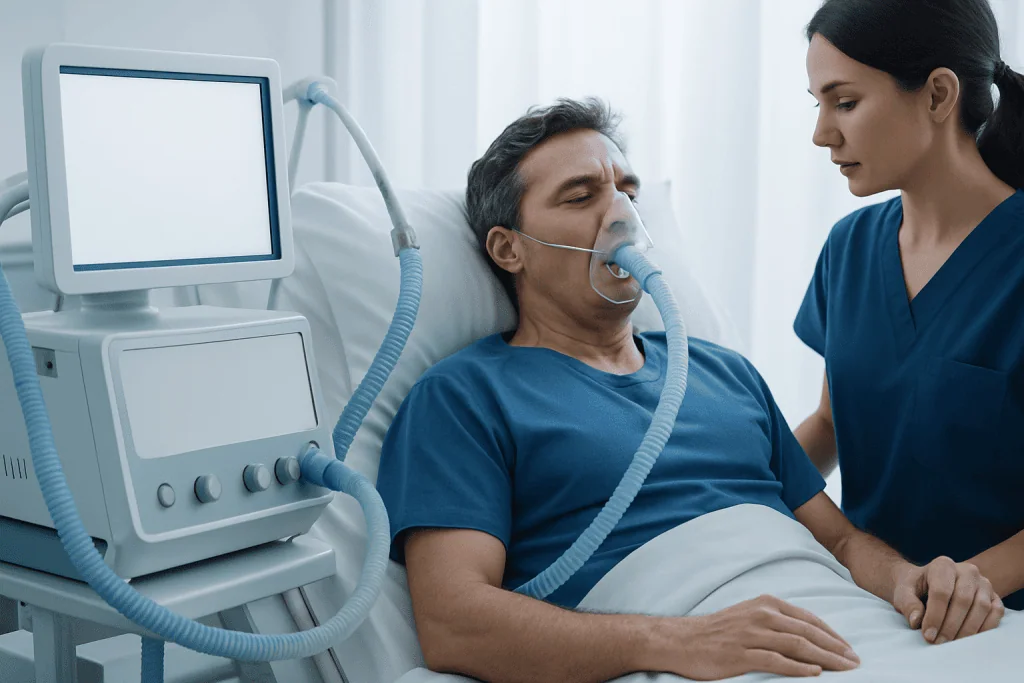
The main feature of kussmaul breathing is its depth. Breaths are usually large, forceful, and regular, and they may become faster than normal. The person may appear to be breathing hard without wheezing or coughing, and the pattern often continues rather than coming in brief episodes.
Symptoms related to the underlying cause often appear at the same time. For example, in diabetic ketoacidosis there may be excessive thirst, frequent urination, nausea, vomiting, abdominal pain, weakness, fruity-smelling breath, and confusion. In kidney failure, there may be swelling, fatigue, poor appetite, or reduced urine output.
Other warning signs can include:
- Extreme tiredness or drowsiness
- Dry mouth or signs of dehydration
- Confusion, difficulty concentrating, or altered alertness
- Rapid heartbeat
- Nausea or repeated vomiting
- General feeling of severe illness
Although the breathing pattern itself is very noticeable, the larger concern is what it signals internally. A person with kussmaul breathing may look relatively calm or may seem distressed, but in either case urgent assessment is important.
Why Kussmaul breathing happens

The body normally keeps blood acidity within a narrow range. When acid builds up or bicarbonate levels fall, a state called metabolic acidosis develops. The brain senses this change and stimulates deeper breathing so more carbon dioxide can be exhaled. Because carbon dioxide is acidic when dissolved in blood, removing more of it helps partially correct the imbalance.
The best-known cause is diabetic ketoacidosis, which can occur when the body does not have enough effective insulin. Without insulin, it begins breaking down fat rapidly, producing ketones that make the blood more acidic. This is why kussmaul breathing is often discussed in relation to diabetes, especially type 1 diabetes, although it can happen in some people with type 2 diabetes as well.
Other causes of severe metabolic acidosis include:
- Advanced kidney failure, when the kidneys cannot remove acids effectively
- Sepsis or severe infection
- Lactic acidosis related to shock, low oxygen states, or severe illness
- Poisoning or toxic ingestions, such as methanol, ethylene glycol, or salicylates
- Severe dehydration or prolonged starvation in some situations
Not everyone with metabolic acidosis develops a classic kussmaul pattern, but when it appears, it usually indicates that the acid-base disturbance is significant.
How it differs from other breathing problems
Kussmaul breathing can be confused with shortness of breath from asthma, pneumonia, heart failure, panic attacks, or chronic lung disease. The difference is that kussmaul breathing is primarily driven by the body’s need to correct an acid imbalance, not by narrowing of the airways or fluid in the lungs. The breaths tend to be deep and steady, rather than shallow or irregular.
For example, asthma often causes wheezing, chest tightness, and difficulty getting air out. Panic-related hyperventilation may be fast but is often more shallow and can come with tingling, dizziness, and anxiety. A clinician looks at the whole picture, including medical history, oxygen levels, blood chemistry, and accompanying symptoms, to understand the cause.
This distinction matters because treatment is different. A breathing pattern caused by metabolic acidosis improves by correcting the underlying problem, not simply by giving oxygen or inhalers. In some cases, a patient may need emergency care, intravenous fluids, insulin therapy, or treatment for infection rather than treatment focused on the lungs themselves.
Diagnosis and urgent evaluation
Doctors diagnose kussmaul breathing by observing the breathing pattern and identifying the underlying cause. Since this sign often reflects a medical emergency, assessment usually begins quickly with vital signs, oxygen measurement, blood glucose testing, and a physical examination. The clinician will also ask about diabetes, kidney disease, infection symptoms, medications, alcohol use, and possible toxin exposure.
Common tests may include blood gas analysis, blood glucose, serum electrolytes, kidney function tests, ketone testing, complete blood count, and urine tests. Depending on the situation, additional tests such as infection workup, toxicology screening, or imaging may be needed. These tests help confirm metabolic acidosis and show how severe it is.
When diabetic ketoacidosis is suspected, evaluation and treatment often happen at the same time. In many patients, managing diabetes treatment needs and correcting dehydration and electrolytes are central steps. If kidney failure or another systemic illness is responsible, specialists may also be involved early in care.
The key point for patients and families is that kussmaul breathing is not something to monitor at home for long. It should trigger prompt medical assessment, especially if there is vomiting, drowsiness, confusion, or known diabetes.
Treatment options and what care involves
Treatment does not aim to stop the breathing pattern directly. Instead, it focuses on reversing the cause of metabolic acidosis. As the blood chemistry improves, the breathing usually becomes less deep and less labored on its own. Supportive monitoring is important throughout care because shifts in fluids, electrolytes, and consciousness can happen quickly.
In diabetic ketoacidosis, treatment usually includes intravenous fluids, insulin, and close correction of electrolytes such as potassium. If severe infection is the trigger, antibiotics and sepsis care may be needed. If kidney failure is contributing significantly, management may include advanced kidney support and, in some cases, kidney dialysis.
Some patients require treatment in an emergency department or intensive care setting, especially if they are very dehydrated, confused, or unstable. Oxygen may be used if levels are low, but oxygen alone does not correct the acid-base problem. If poisoning is suspected, treatment depends on the substance involved and may include antidotes or other emergency measures.
For people with recurring diabetes-related complications or complex metabolic disorders, ongoing follow-up is essential. Near the end of the care pathway, some patients benefit from review by endocrinology, nephrology, or critical care teams. Acibadem International’s multidisciplinary specialists in JCI-accredited hospitals diagnose and treat conditions linked to kussmaul breathing for international patients.
Prevention and self-care
Prevention depends on the underlying condition. For people with diabetes, careful glucose monitoring, taking insulin or other prescribed medicines as directed, staying hydrated, and following sick-day guidance can reduce the risk of diabetic ketoacidosis. It is also important to know when to check ketones, especially during illness, persistent high blood sugar, or vomiting.
People with chronic kidney disease should attend regular follow-up visits and have blood tests as recommended. Prompt treatment of infections, avoiding toxic substances, and discussing medication safety with a doctor can also lower the risk of serious metabolic acidosis. If a person has had a previous episode, the medical team may provide a written action plan.
Helpful self-care steps include:
- Keeping a list of current medications and medical conditions
- Following diabetes sick-day instructions if they have been provided
- Drinking fluids appropriately unless a doctor has restricted fluids
- Seeking advice early for vomiting, fever, or persistently high blood sugar
- Never trying to self-treat severe breathing changes at home
If there is concern about diabetes-related emergencies, learning more about type 1 diabetes treatment or broader metabolic care may be useful as part of long-term management. Prevention works best when patients understand that kussmaul breathing is a late warning sign, not an early one.
When to seek medical care
Urgent medical care is needed if a person develops deep, labored breathing that does not quickly settle, especially if they also have diabetes, vomiting, confusion, severe weakness, or signs of dehydration. Emergency evaluation is especially important when the person is hard to wake, has chest pain, faints, or seems mentally altered.
People with diabetes should seek prompt help if high blood sugar is accompanied by ketones, abdominal pain, repeated vomiting, fruity breath, or unusual deep breathing. Patients with kidney disease, severe infection symptoms, or possible toxic ingestion should also be assessed urgently if this breathing pattern appears.
It is reasonable to contact a doctor for guidance when symptoms are mild and the person feels otherwise stable, but true kussmaul breathing should not be watched at home for long. Early treatment can help prevent complications and allows doctors to address the underlying problem before it becomes more severe.
Frequently asked questions
Is Kussmaul breathing the same as hyperventilation?
Not exactly. Kussmaul breathing is a form of deep, often rapid breathing that happens specifically as the body tries to compensate for metabolic acidosis. Hyperventilation is a broader term and can happen for many reasons, including anxiety, pain, or lung disease.
Does Kussmaul breathing always mean diabetic ketoacidosis?
No. Diabetic ketoacidosis is a classic cause, but not the only one. Severe kidney failure, sepsis, lactic acidosis, and certain poisonings can also lead to the same breathing pattern.
Can Kussmaul breathing happen in people without diabetes?
Yes. Any serious condition that causes metabolic acidosis can trigger it, whether or not a person has diabetes. That is why doctors look at the whole clinical picture rather than assuming one cause.
What does Kussmaul breathing sound like?
It often sounds like steady, heavy, deep breathing rather than wheezing or gasping. Family members may notice that each breath seems unusually large and forceful. The pattern is usually persistent, not just a brief episode after exercise.
Can someone with Kussmaul breathing be treated at home?
Usually no. Because it often signals a serious acid-base imbalance, medical assessment is important as soon as possible. Home monitoring alone may delay treatment of a condition that can worsen quickly.
Will the breathing go back to normal after treatment?
In many cases, yes. Once the underlying acidosis is corrected, the body no longer needs to compensate in the same way, and breathing typically becomes more normal. Recovery depends on how severe the cause is and how quickly treatment begins.
References
- American Diabetes Association
- National Institute of Diabetes and Digestive and Kidney Diseases
- Merck Manual Professional Edition
- Mayo Clinic
- Cleveland Clinic
This article is for general information only and is not a substitute for professional medical advice. Please consult a qualified doctor about your individual situation.
Explore treatments in Turkey — costs, top hospitals & a free quote
JCI-accredited · board-certified surgeons · reply within 24h
Add us as a Preferred Source to see more of our trusted health content across Google Search, AI Overviews and Discover.