Types of cancer: Symptoms, Causes, and Treatment — Complete Patient Guide

Cancer is not one disease; it is a large group of diseases that can begin in almost any tissue or organ. Symptoms vary by cancer type, but unexplained weight loss, persistent fatigue, unusual bleeding, and lasting changes in bowel, bladder, skin, or breathing can be warning signs.
Key Takeaways
- Cancer is not one disease; it is a large group of diseases that can begin in almost any tissue or organ.
- Symptoms vary by cancer type, but unexplained weight loss, persistent fatigue, unusual bleeding, and lasting changes in bowel, bladder, skin, or breathing can be warning signs.
- Risk rises with factors such as age, tobacco use, certain infections, family history, radiation exposure, and some lifestyle factors.
- Diagnosis usually involves a medical history, physical exam, imaging, laboratory tests, and often a biopsy to confirm the cancer type.
- Treatment may include surgery, chemotherapy, radiation therapy, immunotherapy, targeted therapy, hormone therapy, or combinations of these.
- Early medical evaluation for persistent or unexplained symptoms can improve the chance of timely diagnosis and effective treatment.
Types of cancer include many diseases that start when abnormal cells grow uncontrollably and may invade nearby tissue or spread to other parts of the body. While each cancer type has its own features, many share common warning signs, risk factors, diagnostic methods, and treatment approaches.
Overview: what are the types of cancer?
Types of cancer are grouped by where they start, the kind of cells involved, and how they behave. In simple terms, cancer begins when cells that normally grow, divide, and die in an orderly way start multiplying out of control. These abnormal cells can form a mass called a tumor, invade nearby tissues, or travel to distant parts of the body through the blood or lymphatic system.
There are many main categories. Carcinomas begin in the skin or tissues lining organs and are among the most common. Sarcomas start in connective tissues such as bone, muscle, fat, or cartilage. Leukemias affect blood-forming tissues, lymphomas involve the lymphatic system, and myelomas affect plasma cells. Cancers can also be described by organ, such as lung, breast, prostate, colon, liver, pancreatic, ovarian, or brain cancer.
Some cancers grow slowly and may be found early through screening. Others can develop more silently and may only cause symptoms when they are larger or have spread. Because cancer is a broad term rather than a single illness, understanding the type, stage, and biology of the disease is essential for choosing the most appropriate treatment plan.
Common symptoms across different cancers
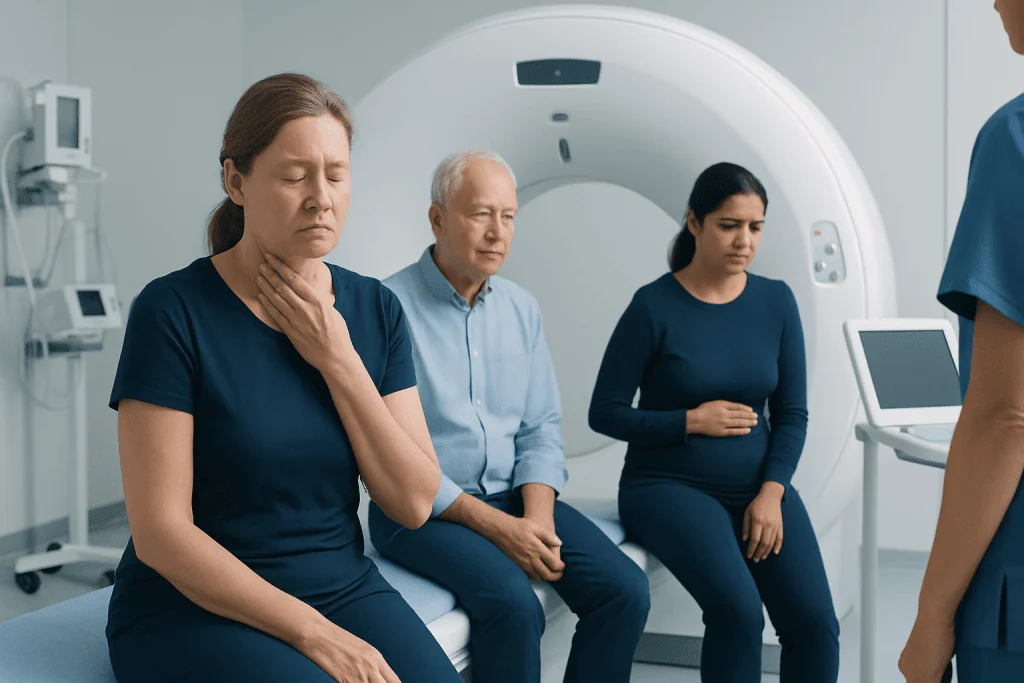
Cancer symptoms depend on where the disease begins and whether it affects nearby structures or other organs. Some cancers cause clear local symptoms, such as a breast lump, a changing mole, blood in the stool, or a persistent cough. Others may cause more general symptoms that are easy to overlook at first.
Possible warning signs that deserve medical attention include unexplained weight loss, unusual tiredness, persistent pain, fever without a clear cause, night sweats, new lumps or swelling, skin changes, sores that do not heal, unexplained bleeding, or changes in appetite. Ongoing digestive symptoms, a change in bowel habits, difficulty swallowing, hoarseness, shortness of breath, or blood in urine can also be important.
Many of these symptoms are more often caused by non-cancerous conditions. However, a symptom that is new, persistent, worsening, or unexplained should not be ignored. A medical assessment helps determine whether the cause is benign or whether tests are needed to rule out conditions such as lung cancer or breast cancer.
- Persistent cough or coughing up blood
- Unusual bleeding or bruising
- A lump in the breast, neck, testicle, or elsewhere
- Changes in a mole or other skin lesion
- Long-lasting changes in bowel or bladder habits
- Difficulty swallowing or persistent indigestion
Causes and risk factors
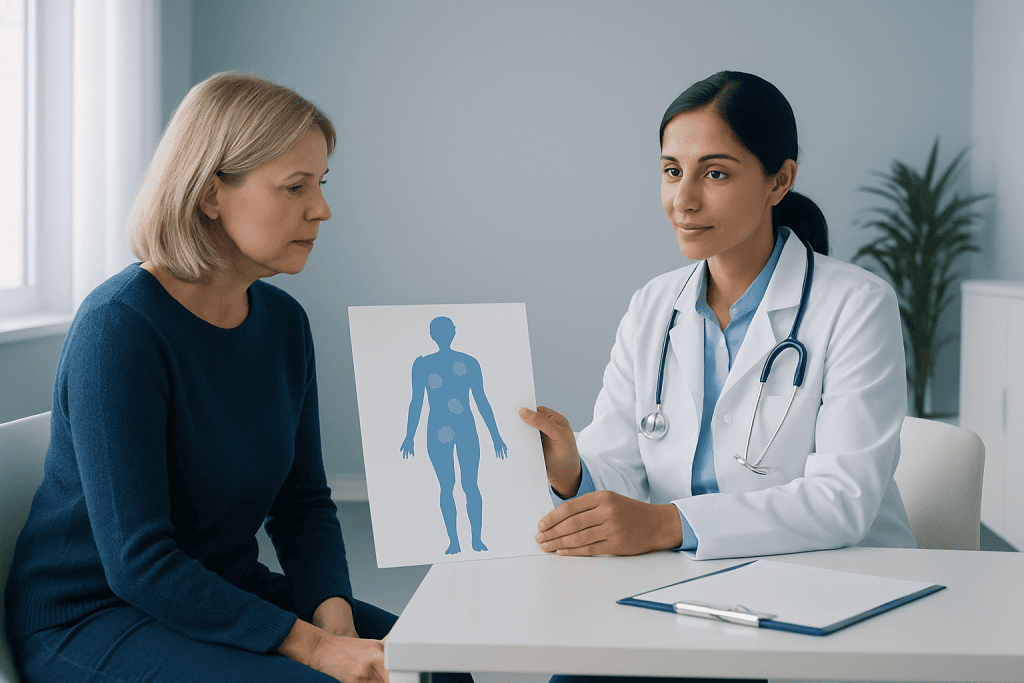
Cancer develops because of changes in a cell’s genetic material that affect how it grows and repairs itself. These changes may happen by chance over time, may be inherited from a parent, or may be triggered by environmental exposures. Usually, cancer develops from a combination of influences rather than a single cause.
Important risk factors include increasing age, tobacco use, secondhand smoke exposure, heavy alcohol use, obesity, physical inactivity, poor diet patterns, excessive sun or ultraviolet exposure, and exposure to certain chemicals or radiation. Chronic inflammation and some long-term medical conditions can also increase risk in specific tissues.
Infections play a role in some cancers. Human papillomavirus can increase the risk of cervical and other cancers, hepatitis B and C can raise the risk of liver cancer, and Helicobacter pylori infection may contribute to stomach cancer. Family history is another key factor. People with inherited cancer syndromes or several close relatives with the same or related cancers may benefit from genetic counseling and more individualized screening.
Having a risk factor does not mean a person will definitely develop cancer, and people without obvious risk factors can still be diagnosed. This is why prevention, awareness of symptoms, and appropriate screening all remain important parts of cancer care.
How doctors diagnose and classify cancer
Diagnosis often begins with a detailed history and physical examination. A doctor may ask about symptoms, smoking history, occupational exposures, family history, medicines, and prior illnesses. Depending on the concern, the next steps may include blood tests, urine tests, or imaging studies such as X-rays, ultrasound, CT, MRI, or PET scans.
In many cases, a biopsy is needed to confirm cancer. During a biopsy, a sample of tissue or cells is taken and examined under a microscope by a pathologist. This helps identify the exact cancer type, how abnormal the cells look, and whether special markers are present. These details can strongly influence treatment decisions.
After diagnosis, doctors determine the stage of the cancer, meaning how large it is and whether it has spread to lymph nodes or other organs. Some cancers are also tested for hormone receptors, genetic mutations, or protein targets. This more precise classification supports tailored care, including options such as PET-CT imaging and advanced biopsy procedures when clinically appropriate.
Treatment options for different cancer types
Cancer treatment is individualized. The best approach depends on the cancer type, stage, location, growth rate, molecular features, and the person’s overall health and preferences. Some patients need only one treatment, while others benefit from a combination given in a planned sequence.
Surgery may be used to remove a tumor and nearby tissue, especially when the cancer is localized. Radiation therapy uses high-energy beams to destroy cancer cells in a targeted area. Chemotherapy uses medicines that circulate through the body to kill rapidly dividing cells. Other important treatments include targeted therapy, which acts on specific molecules in cancer cells, immunotherapy, which helps the immune system recognize and attack cancer, and hormone therapy for cancers that depend on hormones to grow.
Supportive care is also an essential part of treatment. It may help manage pain, nausea, fatigue, anemia, appetite changes, emotional stress, or treatment side effects. Nutritional support, rehabilitation, psychological support, and careful follow-up can improve quality of life throughout the treatment journey.
In some situations, specialists may recommend chemotherapy or radiation therapy as part of a broader plan. For selected patients, the care team may also discuss clinical trials, fertility preservation, or palliative care alongside cancer-directed treatment.
Prevention, screening, and self-care
Not all cancers can be prevented, but many risks can be reduced. Avoiding tobacco is one of the most effective steps. Limiting alcohol, maintaining a healthy weight, staying physically active, protecting the skin from excessive sun exposure, and eating a balanced diet rich in whole foods are also helpful general measures. Vaccination against HPV and hepatitis B can reduce the risk of certain cancers.
Screening aims to find some cancers before symptoms begin or at an earlier, more treatable stage. Depending on age, sex, family history, and personal risk, screening may include mammography, cervical screening, colon cancer screening, skin checks, or low-dose CT for people at high risk of lung cancer. Screening is not the same for everyone, so it should be discussed with a qualified clinician.
Self-care also includes paying attention to the body’s usual patterns. Keeping track of new or persistent symptoms, attending follow-up visits, and asking about family history can all support earlier evaluation. People who have already had cancer may need long-term surveillance, since follow-up plans differ by type and treatment.
When to seek medical care
Medical advice should be sought if a symptom lasts more than a few weeks, keeps returning, or is difficult to explain. This includes persistent pain, unexplained weight loss, fatigue that does not improve with rest, a new lump, unusual bleeding, blood in the stool or urine, a lasting cough, hoarseness, or trouble swallowing. A change in a mole or a sore that does not heal should also be checked promptly.
Urgent medical care is especially important for symptoms such as severe shortness of breath, coughing up significant blood, heavy bleeding, sudden weakness, confusion, seizures, or severe dehydration. These symptoms do not always mean cancer, but they require prompt evaluation.
If cancer is diagnosed, care is often coordinated by a multidisciplinary team that may include medical oncologists, radiation oncologists, surgeons, radiologists, pathologists, nurses, dietitians, and rehabilitation specialists. Acibadem International’s multidisciplinary specialists and JCI-accredited hospitals diagnose and treat many cancer types for international patients, with care plans based on the individual diagnosis and overall needs.
Frequently asked questions
How many types of cancer are there?
There are many types of cancer, and doctors classify them in several ways, including the organ where they start and the kind of cells involved. Major groups include carcinomas, sarcomas, leukemias, lymphomas, and myelomas, but there are many subtypes within each group.
What are the earliest signs of cancer?
Early signs vary widely by cancer type and sometimes there are no symptoms at first. Common warning signs can include a new lump, unexplained weight loss, unusual bleeding, a persistent cough, skin changes, or lasting changes in bowel or bladder habits.
Do all cancers form tumors?
No. Many cancers form solid tumors, but some, such as leukemia, affect the blood and bone marrow rather than forming a solid mass. This is one reason symptoms and testing can differ greatly between cancer types.
Can cancer happen without a family history?
Yes. Many people diagnosed with cancer do not have a strong family history. While inherited genes can increase risk for some people, aging, environmental exposures, infections, and random genetic changes in cells also play important roles.
What tests confirm a cancer diagnosis?
Doctors often use a combination of imaging, blood tests, and physical examination to investigate symptoms. In many cases, a biopsy is needed to confirm the diagnosis because it allows the tissue to be examined under a microscope.
Is cancer always treatable?
Many cancers are treatable, and some can be cured, especially when found early. Even when cure is not possible, treatment may still slow the disease, reduce symptoms, and improve quality of life.
This article is for general information only and is not a substitute for professional medical advice. Please consult a qualified doctor about your individual situation.
Oncology care in Turkey — second opinion and treatment plan
JCI-accredited · board-certified surgeons · reply within 24h
Add us as a Preferred Source to see more of our trusted health content across Google Search, AI Overviews and Discover.

More from the Health Library

Paleo Snacks — Explained by Medical Evidence, Not Myths

Rhinovirus: An Evidence-Based Guide for Patients
Penile Fracture — Explained by Medical Evidence, Not Myths

Tylenol and Alcohol: What Patients Need to Know

Ginger and Garlic: Benefits, Uses, and Interactions