Can you get a pink eye from farts: Common Causes, Warning Signs, and When to See a Doctor

Passing gas by itself is not considered a common cause of pink eye. Pink eye is more often linked to viral or bacterial infections, allergies, or irritation.
Key Takeaways
- Passing gas by itself is not considered a common cause of pink eye.
- Pink eye is more often linked to viral or bacterial infections, allergies, or irritation.
- Germs can reach the eye through hand-to-eye contact, shared items, or poor contact lens hygiene.
- Redness, tearing, discharge, itching, and a gritty feeling are common symptoms of conjunctivitis.
- Eye pain, light sensitivity, vision changes, or symptoms in a newborn need prompt medical care.
Usually, no—pink eye from passing gas alone is very unlikely. Pink eye, also called conjunctivitis, is far more commonly caused by viruses, bacteria, allergies, irritants, or germs transferred to the eye by hands, towels, makeup, or contact lenses.
Overview: can you get a pink eye from farts?
In most everyday situations, the answer is no. Passing gas into the air is not a typical way to develop pink eye, and the idea is largely based on a myth. Pink eye usually happens when the thin clear membrane covering the white part of the eye and inner eyelid becomes inflamed due to infection, allergy, or irritation.
That said, the eye can become infected if germs from stool or contaminated surfaces are transferred to the eye, usually by unwashed hands, shared linens, or poor hygiene. In other words, the issue is not the fart itself but whether bacteria or viruses from fecal material are carried to the eye through direct contamination. This distinction matters because it points to the true prevention steps: handwashing, clean linens, and avoiding touching the eyes.
Pink eye is also called conjunctivitis. It can affect one or both eyes and may range from mild and short-lived to more uncomfortable cases that need medical treatment. Some forms spread easily, while others are not contagious at all.
What pink eye is and what it feels like
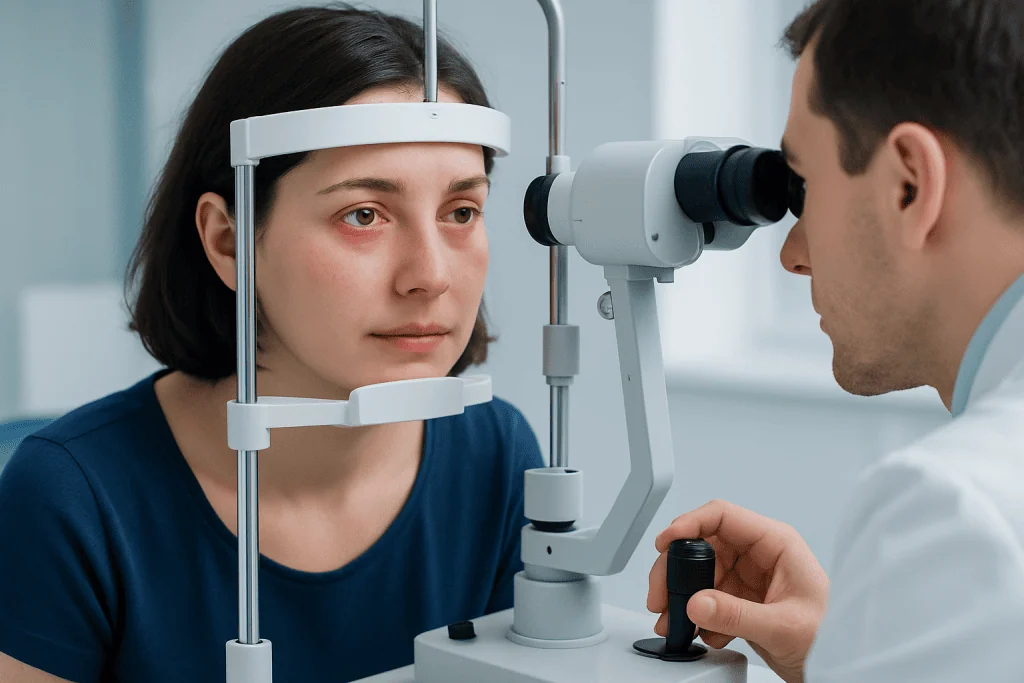
Conjunctivitis means inflammation of the conjunctiva, the delicate tissue lining the eyelids and covering the white of the eye. When this tissue is irritated or infected, blood vessels become more visible, making the eye look pink or red. The condition can occur in children and adults, and symptoms may begin suddenly or build over a day or two.
Common symptoms include redness, watering, itchiness, a burning or gritty sensation, and discharge. Some people wake up with crusting on the eyelids, especially in bacterial conjunctivitis. Viral cases often come with watery eyes and may happen along with a cold, sore throat, or other upper respiratory symptoms.
Symptoms can vary by cause:
- Viral conjunctivitis: watery discharge, redness, often starts in one eye and spreads to the other.
- Bacterial conjunctivitis: thicker yellow or green discharge, eyelids may stick together.
- Allergic conjunctivitis: intense itching, tearing, swelling, often affects both eyes.
- Irritant conjunctivitis: burning and watering after smoke, chlorine, chemicals, or foreign material.
Because several eye conditions can cause redness, not every “pink eye” is conjunctivitis. Dry eye, blepharitis, corneal problems, and glaucoma can also cause a red eye, but they may require different care.
Common causes and how pink eye really spreads

The most common causes of pink eye are viral infections, bacterial infections, allergies, and environmental irritants. Viral conjunctivitis often spreads in the same way common colds do—through respiratory droplets, contaminated hands, and shared surfaces. Bacterial conjunctivitis can spread through contact with infected secretions or by touching the eye after touching a contaminated object.
This is why hand-to-eye transmission is so important. If a person touches contaminated material, including stool, and then rubs the eye without washing their hands, infection is possible. This is the realistic route by which fecal germs could contribute to conjunctivitis. Passing gas through clothing and into the room air is not the usual pathway.
Other frequent triggers include:
- Contact lens overuse or poor lens cleaning habits
- Shared eye makeup, towels, pillowcases, or washcloths
- Swimming pool chemicals or chlorinated water
- Seasonal allergies, dust, pet dander, or pollen
- Eye drops, smoke, or other irritating substances
People may also confuse pink eye with other eye infections or inflammation. If symptoms are severe or keep coming back, an ophthalmology evaluation can help rule out conditions such as keratitis or eyelid inflammation.
Could fecal bacteria cause an eye infection?
Yes, but the mechanism is direct contamination rather than airborne gas alone. Certain bacteria found in the gastrointestinal tract can cause infections if they enter the eye. This is more relevant in settings involving diaper changes, toileting, caregiving, or inadequate hand hygiene than it is with ordinary social contact.
For example, if a caregiver changes a diaper, touches a contaminated surface, and then touches the eye without washing their hands, bacteria may be transferred. Shared towels or bed linens can also play a role if they become contaminated. In healthcare, daycare, and family settings, prevention depends on careful handwashing and cleaning of high-touch surfaces.
Some people are more vulnerable to eye infections after exposure to germs. Contact lens wearers have a higher risk because lenses can trap bacteria and irritate the eye surface. People with dry eye, recent eye surgery, or weakened immune defenses may also be more prone to complications and should be assessed sooner if symptoms develop.
Importantly, a red eye after an obvious contamination event does not automatically mean bacterial conjunctivitis. Irritation from rubbing or exposure to cleaning products may also be involved, so a clinician may need to examine the eye to identify the true cause.
How doctors diagnose pink eye
Pink eye is usually diagnosed based on symptoms, recent exposures, and an eye examination. A doctor will ask whether the problem started in one or both eyes, whether there is discharge or itching, and whether the person has a cold, allergies, contact lenses, or recent eye irritation. They may also ask about household spread, daycare attendance, or close contact with someone who has an eye infection.
During the exam, the doctor checks the redness pattern, the type of discharge, eyelid swelling, and whether the cornea appears involved. Vision may be tested, especially if symptoms seem more severe than simple conjunctivitis. In most uncomplicated cases, no special testing is needed.
Additional testing may be considered when symptoms are severe, recurrent, occurring in newborns, or not improving as expected. Contact lens wearers need careful evaluation because corneal infection can sometimes mimic conjunctivitis and may need more urgent treatment. If the cause is uncertain or symptoms are significant, an eye specialist may recommend further assessment or a detailed eye examination.
Treatment options and home care
Treatment depends on the cause. Viral conjunctivitis often improves with time and supportive care, while bacterial conjunctivitis may be treated with prescription antibiotic eye drops or ointment when a clinician believes bacteria are likely involved. Allergic conjunctivitis is managed by reducing exposure to triggers and using allergy-directed treatment recommended by a doctor or pharmacist.
General self-care can help most people feel better. This includes using clean warm or cool compresses, washing hands often, avoiding eye rubbing, and not sharing towels, pillowcases, or cosmetics. Contact lenses should not be worn until the eye has recovered and a clinician says it is safe to restart them.
Home care measures may include:
- Gently cleaning eyelid crusting with clean water and a fresh cotton pad
- Stopping eye makeup use until symptoms resolve
- Replacing disposable contact lenses and cleaning or replacing storage cases
- Using only medicines recommended for the specific cause
Not every red eye should be treated the same way. Using leftover antibiotic drops or steroid-containing drops without medical advice can be unsafe in some cases. If symptoms are persistent or there is concern about vision, specialist care such as ophthalmology evaluation may be appropriate.
Prevention and simple hygiene habits
The best prevention is practical hygiene. Frequent handwashing with soap and water, especially after using the toilet, changing diapers, or caring for a sick child, lowers the chance of transferring germs to the eye. It also helps to avoid touching or rubbing the eyes during the day.
People can further reduce risk by not sharing towels, pillowcases, cosmetics, or contact lens supplies. Linens should be washed regularly, and frequently touched surfaces should be cleaned if someone in the household has conjunctivitis. For contact lens users, careful lens cleaning and replacement schedules matter.
When allergies are the cause, prevention focuses on minimizing triggers. Keeping windows closed during high pollen periods, washing the face after outdoor exposure, and using allergy treatment advised by a clinician may help. If there is repeated irritation from smoke, chemicals, or workplace exposures, protective eyewear and environmental changes can make a difference.
Near the end of the care pathway, some people benefit from specialist assessment if episodes keep returning or the diagnosis remains unclear. Acibadem International’s multidisciplinary specialists and JCI-accredited hospitals evaluate and treat eye conditions for international patients, including cases that need advanced eye care procedures when clinically appropriate.
When to seek medical care
Many mild cases of conjunctivitis improve without complications, but some symptoms suggest a need for prompt medical assessment. A person should seek care if there is moderate to severe eye pain, sensitivity to light, blurred vision that does not clear with blinking, worsening redness, or significant swelling around the eye. These features can point to conditions more serious than routine conjunctivitis.
Medical advice is also important for newborns with eye discharge or redness, contact lens wearers with a painful red eye, people with a weakened immune system, and anyone whose symptoms do not improve after a few days of supportive care. Recurrent episodes, eye injury, or chemical exposure also deserve professional evaluation.
Emergency care may be needed if there is sudden vision loss, severe pain, a suspected foreign body stuck in the eye, or symptoms after trauma. These situations can involve the cornea or deeper eye structures and should not be managed at home.
Frequently asked questions
Can you get a pink eye from farts?
Usually no. Passing gas by itself is not considered a common or likely cause of pink eye. The more realistic risk is contamination from germs reaching the eye through unwashed hands, shared items, or poor hygiene.
What is the most common cause of pink eye?
Common causes include viruses, bacteria, allergies, and irritants such as smoke or chlorine. Viral conjunctivitis is especially common and often occurs with cold-like symptoms. The best treatment depends on which cause is responsible.
How can someone tell if pink eye is viral, bacterial, or allergic?
Viral pink eye often causes watery discharge and may begin in one eye before affecting the other. Bacterial pink eye tends to produce thicker discharge that can make the eyelids stick together. Allergic pink eye usually causes strong itching, tearing, and often affects both eyes.
Is pink eye always contagious?
No. Viral and bacterial conjunctivitis can spread, but allergic and irritant conjunctivitis are not contagious. Good hand hygiene and avoiding shared personal items help reduce spread when an infectious cause is suspected.
Should contact lenses be worn with pink eye?
No, contact lenses should usually be stopped until the eye has healed and a clinician says it is safe to use them again. Lenses can worsen irritation and may raise the risk of corneal infection. Cases involving contact lenses deserve extra caution.
When should a person see a doctor for a red eye?
Medical care is important if there is eye pain, light sensitivity, vision changes, severe swelling, or symptoms that are getting worse. Newborns, contact lens wearers, and people with weak immune systems should also be evaluated sooner. A red eye after trauma or chemical exposure needs prompt assessment.
References
- American Academy of Ophthalmology
- Centers for Disease Control and Prevention
- National Eye Institute
- American Optometric Association
This article is for general information only and is not a substitute for professional medical advice. Please consult a qualified doctor about your individual situation.
Persistent digestive symptoms? Get evaluated in Turkey
JCI-accredited · board-certified surgeons · reply within 24h
Add us as a Preferred Source to see more of our trusted health content across Google Search, AI Overviews and Discover.