Blood Pressure 106/66: Is It Normal? What This Reading Means for Your Health

A 106/66 blood pressure reading is generally within the normal range for most adults. This reading is often not a concern unless it causes symptoms such as dizziness, fainting, or unusual fatigue.
Key Takeaways
- A 106/66 blood pressure reading is generally within the normal range for most adults.
- This reading is often not a concern unless it causes symptoms such as dizziness, fainting, or unusual fatigue.
- Blood pressure should be interpreted in context, including age, activity level, medications, hydration, and overall health.
- Repeated low readings with symptoms may suggest hypotension and should be discussed with a doctor.
- Correct measurement technique matters because a single reading can be affected by stress, caffeine, exercise, or body position.
A blood pressure reading of 106/66 mmHg is usually considered normal and often healthy, especially if the person feels well. Its significance depends on symptoms, age, medical history, medications, and whether the reading is consistent over time.
Overview: Is 106/66 blood pressure normal?
Yes—106/66 blood pressure is usually considered normal for many adults. In most cases, this reading suggests that blood is circulating with a healthy level of pressure through the arteries, especially when the person has no symptoms such as dizziness, fainting, blurred vision, or unusual weakness.
Blood pressure is written as two numbers. The first number, 106, is the systolic pressure, which reflects the force of blood against artery walls when the heart beats. The second number, 66, is the diastolic pressure, which reflects the pressure when the heart relaxes between beats.
Although 106/66 is commonly a healthy reading, blood pressure is never interpreted by numbers alone. Doctors also consider age, pregnancy status, fitness level, medications, hydration, and medical conditions. A reading that is normal for one person may feel too low for another, especially if symptoms are present.
For anyone worried about a blood pressure result, the most useful question is not only “Is this number normal?” but also “Is this normal for this person?” Looking at patterns over time is more helpful than focusing on a single measurement.
How 106/66 fits into blood pressure classifications
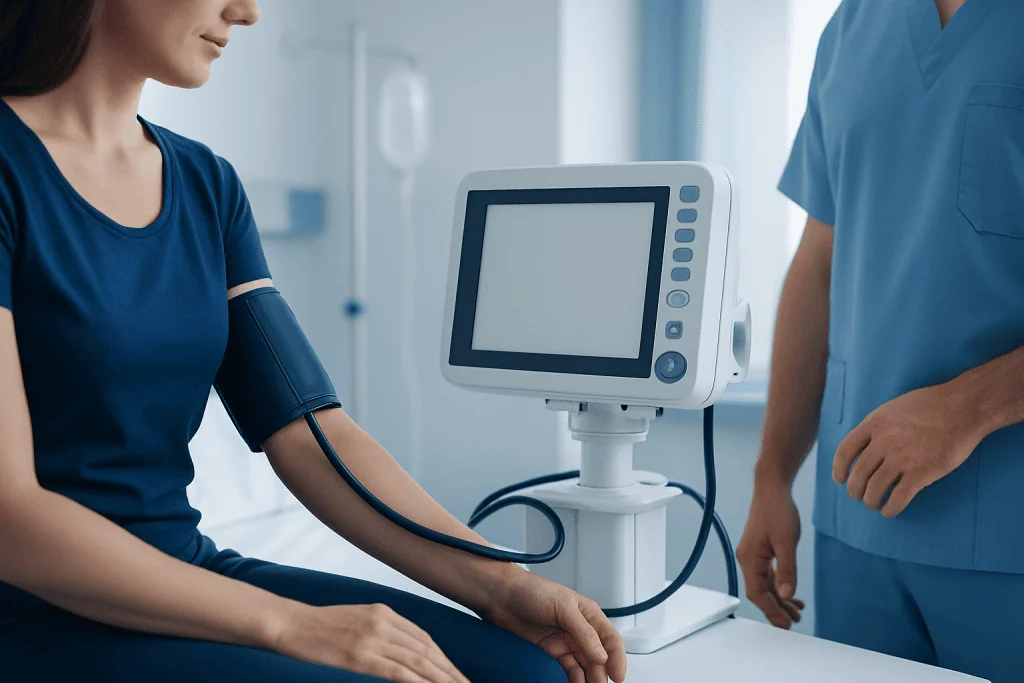
According to commonly used American Heart Association blood pressure categories, 106/66 falls within the normal range. Normal blood pressure means the systolic pressure is less than 120 mmHg and the diastolic pressure is less than 80 mmHg.
It is important to understand that “normal” does not necessarily mean identical for everyone. Some people naturally have readings around this level and feel completely well. Others may notice symptoms if their usual pressure is much higher and it drops quickly.
The table below shows how this reading compares with standard adult blood pressure categories:
- Normal: less than 120 systolic and less than 80 diastolic
- Elevated: 120-129 systolic and less than 80 diastolic
- High blood pressure stage 1: 130-139 systolic or 80-89 diastolic
- High blood pressure stage 2: 140 or higher systolic or 90 or higher diastolic
- Hypertensive crisis: higher than 180 systolic and/or higher than 120 diastolic, requiring urgent medical evaluation
By these categories, 106/66 is not high blood pressure. It is also not automatically abnormal low blood pressure. Low blood pressure, or hypotension, is usually diagnosed when a low reading is persistent and linked with symptoms or an underlying cause.
What 106/66 may mean by age group and health status

In younger adults, teenagers, and physically active people, 106/66 is often a very typical reading. Endurance-trained individuals in particular may have lower resting blood pressure because the heart pumps efficiently and the blood vessels respond well. If they feel well, this is usually not a problem.
In middle-aged adults, 106/66 may also be healthy, especially in those who maintain a balanced diet, exercise regularly, sleep well, and do not smoke. In this age group, doctors usually pay attention to the overall cardiovascular picture, including cholesterol, blood sugar, weight, and family history, not blood pressure alone.
In older adults, the same number may still be normal, but context matters more. Some older adults are more likely to develop dizziness on standing, dehydration, medication side effects, or changes in circulation. A reading of 106/66 may deserve closer review if it is new, if falls are occurring, or if symptoms appear when standing up.
During pregnancy, children, and in people with chronic illness, blood pressure interpretation is more individualized. A clinician may compare the reading with previous values and any symptoms. People with heart disease, endocrine disorders, or autonomic problems may need a more tailored assessment, especially if low pressure episodes recur alongside conditions such as heart failure.
When 106/66 can be a concern
For many people, 106/66 is not concerning at all. It becomes more relevant when it is associated with symptoms or a noticeable drop from the person’s usual blood pressure. The most common warning signs of blood pressure that is too low for the individual include lightheadedness, fainting, blurred vision, nausea, cold or clammy skin, unusual tiredness, or trouble concentrating.
A low-normal reading can also matter in certain situations, such as dehydration after vomiting, diarrhea, fever, or heavy sweating. Blood loss, severe infection, medication effects, and some hormone-related conditions may also lower blood pressure. In these settings, symptoms and the overall clinical picture matter more than the number alone.
Doctors may also look for orthostatic hypotension, which means blood pressure falls when a person stands up from sitting or lying down. This can cause dizziness, unsteadiness, or even falls. If symptoms happen mainly on standing, a clinician may check blood pressure in different positions and ask about fluid intake and medicines.
Some heart rhythm problems, valve disorders, and circulation issues can contribute to low or unstable blood pressure. When clinically appropriate, a doctor may recommend tests such as an electrocardiogram, blood tests, or echocardiography to look at heart structure and function.
Possible causes of a lower blood pressure reading
A single lower reading is often harmless and may simply reflect normal daily variation. Blood pressure can change with hydration, temperature, emotional state, sleep, meals, alcohol intake, and recent physical activity. It is usually lower during rest and may be lower in the morning or after relaxation.
Common non-serious reasons for a reading such as 106/66 include good cardiovascular fitness, being naturally slender, temporary dehydration, standing for a long time, or taking a warm bath. Some people also have lower blood pressure after eating, especially older adults.
Medications are another frequent factor. Blood pressure medicines, diuretics, some antidepressants, drugs used for Parkinson’s disease, and certain heart medications can reduce blood pressure. If symptoms begin after starting or changing medication, the prescribing doctor should review the treatment plan rather than the person stopping medicine on their own.
Less commonly, low blood pressure may be linked with endocrine conditions, severe infection, allergy, anemia, nutritional deficiency, or heart conditions. In selected cases, tests such as blood work, ambulatory monitoring, or cardiac check-up assessments may help clarify whether the reading is simply normal or part of a larger issue.
How to measure blood pressure accurately
Correct technique is essential because even a healthy reading can be misleading if measured under the wrong conditions. Before checking blood pressure, it helps to avoid caffeine, smoking, and exercise for about 30 minutes if possible. The person should sit quietly for at least five minutes with back supported and feet flat on the floor.
The cuff should fit properly and be placed on a bare upper arm at heart level. Talking, crossing the legs, or holding the arm too low or too high can affect the result. Home monitors can be very useful, but they need to be validated and used exactly as instructed.
It is often best to take two readings one to two minutes apart and record both. Readings should ideally be checked at the same time of day when monitoring trends. A one-time low-normal value is less informative than a series of readings taken carefully over several days.
If blood pressure readings vary a lot, or if symptoms occur, a doctor may suggest office measurements, 24-hour monitoring, or further evaluation. In people who also have symptoms such as palpitations, chest discomfort, or known arrhythmia, additional heart rhythm evaluation may be recommended.
Lifestyle guidance and what to do next
If a person has a 106/66 blood pressure reading and feels well, there is usually no need for treatment. In fact, this level is often consistent with good cardiovascular health. The priority is to maintain healthy habits and to notice whether any symptoms develop over time.
Helpful daily measures include staying well hydrated, eating balanced meals, getting regular physical activity, sleeping adequately, and avoiding tobacco. People who are prone to lightheadedness may benefit from standing up slowly, especially after lying down, and from discussing alcohol intake and medication timing with a doctor.
If symptoms are frequent, it may help to keep a home blood pressure diary with readings, pulse, symptoms, fluid intake, and any triggers such as heat or missed meals. This can make a medical review more useful and may help identify patterns.
For people who need further assessment, multidisciplinary cardiovascular teams can investigate whether symptoms are related to blood pressure, heart rhythm, or another cause. Acibadem International’s multidisciplinary specialists at JCI-accredited hospitals diagnose and treat cardiovascular conditions for international patients, including advanced testing such as ECG when appropriate.
When to seek medical care
Medical advice is appropriate if 106/66 blood pressure is accompanied by dizziness, fainting, weakness, confusion, chest pain, shortness of breath, or repeated falls. These symptoms do not always mean something serious, but they do deserve medical assessment, especially if they are new or worsening.
A doctor should also be consulted if low readings are recurring, if blood pressure has dropped noticeably from a person’s usual range, or if symptoms started after a new medication. People with diabetes, heart disease, kidney disease, pregnancy, or a history of stroke should be especially careful about unexplained changes in blood pressure.
Urgent medical care is needed for fainting with injury, severe chest pain, signs of stroke, severe shortness of breath, or symptoms of shock such as confusion, clammy skin, and extreme weakness. In these situations, prompt evaluation is more important than the exact blood pressure number.
In summary, 106/66 blood pressure is usually a normal, reassuring reading. The main question is whether the person feels well and whether the reading is stable over time. When in doubt, a qualified doctor can interpret it in the context of the person’s full health picture.
Frequently asked questions
Is 106/66 blood pressure too low?
Usually no. A reading of 106/66 is commonly within the normal range, especially if the person feels well and has no symptoms such as dizziness or fainting. It may be considered too low only if it causes symptoms or reflects a significant drop from the person’s usual blood pressure.
Is 106/66 blood pressure good for adults?
For many adults, yes. This reading is generally consistent with normal blood pressure and may reflect healthy circulation. Doctors still interpret it alongside symptoms, age, medications, and medical history.
What symptoms would make a 106/66 reading concerning?
Symptoms such as lightheadedness, fainting, blurred vision, unusual fatigue, confusion, chest pain, or shortness of breath deserve attention. These symptoms do not always mean an emergency, but they should not be ignored. If symptoms are severe or sudden, urgent medical care is important.
Can dehydration cause a blood pressure reading of 106/66?
Yes, dehydration can contribute to lower blood pressure in some people. This is more likely if there has been vomiting, diarrhea, fever, heavy sweating, or poor fluid intake. Rehydration and medical advice may be needed if symptoms occur.
Does age change whether 106/66 blood pressure is normal?
Yes, age can affect how a reading is interpreted. Younger and physically active people often tolerate this level very well, while older adults may be more likely to experience dizziness or falls if pressure drops on standing. The reading is judged in context rather than by age alone.
Should someone treat 106/66 blood pressure?
Most people do not need treatment for this reading if they feel well. Management is usually focused on healthy habits and monitoring rather than raising blood pressure. Treatment is considered only if there is an underlying cause or troublesome symptoms.
How often should blood pressure be rechecked after a 106/66 reading?
If the person feels well, routine monitoring during regular health visits may be enough. Home checks can be helpful if readings are changing, symptoms are present, or a doctor has advised follow-up. Repeated readings taken correctly are more useful than a single isolated result.
References
- American Heart Association
- Centers for Disease Control and Prevention
- National Heart, Lung, and Blood Institute
- European Society of Cardiology
- World Health Organization
This article is for general information only and is not a substitute for professional medical advice. Please consult a qualified doctor about your individual situation.
Explore treatments in Turkey — costs, top hospitals & a free quote
JCI-accredited · board-certified surgeons · reply within 24h
Add us as a Preferred Source to see more of our trusted health content across Google Search, AI Overviews and Discover.
Check your numbers in seconds
BMI, calories, due date, blood pressure and 30+ more clinical calculators — free, instant, doctor-reviewed ranges.