Eye infection eye: A Complete Medical Guide for Patients

Eye infections can affect different parts of the eye and do not all need the same treatment. Common symptoms include redness, tearing, discharge, swelling, pain, light sensitivity, and blurred vision.
Key Takeaways
- Eye infections can affect different parts of the eye and do not all need the same treatment.
- Common symptoms include redness, tearing, discharge, swelling, pain, light sensitivity, and blurred vision.
- Contact lens use, allergies, poor hand hygiene, and recent illness can raise the risk of infection.
- Urgent medical care is important for severe pain, vision changes, light sensitivity, or symptoms after an eye injury.
- Self-care may ease discomfort, but antibiotic drops should only be used when prescribed by a doctor.
An eye infection eye problem usually means an infection affecting the conjunctiva, eyelid, cornea, or nearby tissues, often causing redness, discharge, irritation, or pain. The right treatment depends on whether the cause is viral, bacterial, fungal, or related to contact lenses, so a proper eye examination is important.
Overview: what an eye infection eye problem means
An eye infection eye complaint is a general term people use when the eye becomes red, irritated, watery, sticky, painful, or swollen because of an infection. In practice, the infection may involve the clear membrane over the white of the eye and inner eyelid, the eyelid itself, the cornea, or surrounding tissues. Because several conditions can look similar at first, an eye examination helps identify the cause and guide treatment.
Some eye infections are mild and improve with supportive care, while others need prescription medicines or closer monitoring. Viral conjunctivitis, often called pink eye, may spread easily and usually causes redness and watery discharge. Bacterial infections are more likely to cause thicker discharge, while corneal infections can cause pain, sensitivity to light, and blurred vision and need prompt attention.
It is also important to remember that not every red eye is an infection. Dry eye, allergies, irritation from smoke or chemicals, and inflammatory eye disease can all mimic infection. This is why symptoms such as vision changes, severe pain, or contact lens use should not be ignored.
Signs and symptoms to watch for
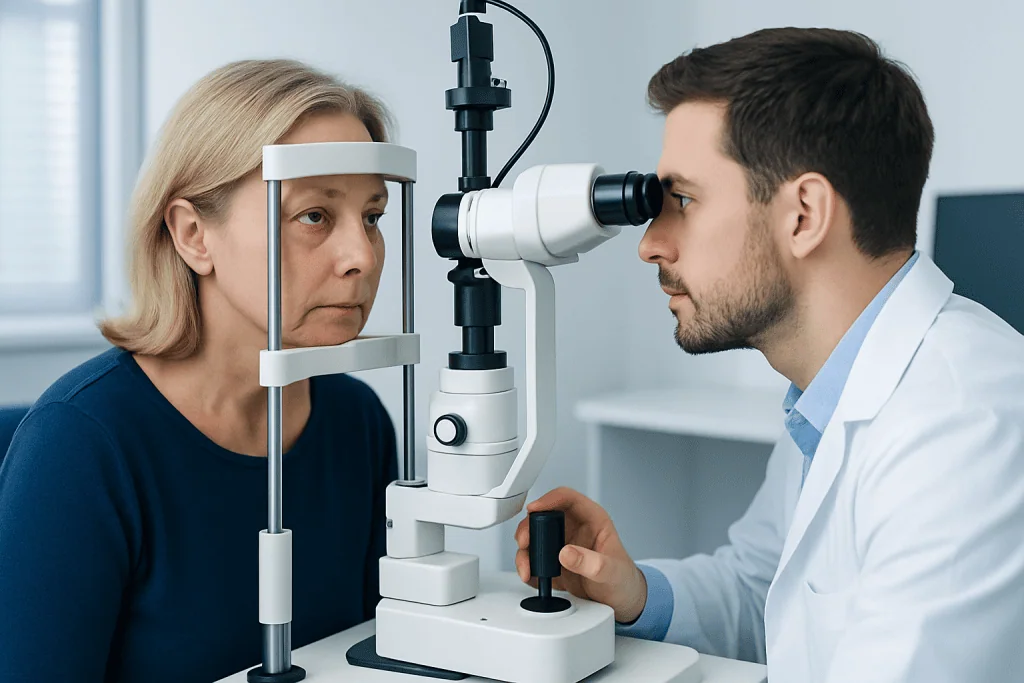
Symptoms vary depending on which part of the eye is affected. Many people notice redness, burning, itching, a gritty feeling, tearing, or crusting on the eyelashes. Discharge may be watery, stringy, or thicker and yellowish. The eyelids can become puffy, especially in the morning.
Some symptoms suggest a deeper or more serious infection. These include moderate to severe eye pain, marked sensitivity to light, blurred vision that does not clear with blinking, difficulty keeping the eye open, or a feeling that something is stuck in the eye. These symptoms can occur with corneal infection and should be checked promptly.
Common symptoms of an eye infection may include:
- Redness in one or both eyes
- Watery eyes or thick discharge
- Crusting of the eyelids
- Swollen or tender eyelids
- Itching, burning, or irritation
- Blurred vision or light sensitivity
- Pain, especially in contact lens wearers
Children may also rub the eye frequently, become sensitive to light, or wake up with the eyelids stuck together. In adults, a recent cold, sore throat, or close contact with someone who has pink eye can provide a clue to the cause.
Common types, causes, and risk factors

Eye infections can be caused by viruses, bacteria, fungi, or, less commonly, parasites. Viral conjunctivitis is a frequent cause of red, watery eyes and may appear alongside cold symptoms. Bacterial conjunctivitis often causes thicker discharge and sticky eyelids. Infections can also affect the eyelid, such as a stye, or the cornea, which is more serious.
Risk factors matter because they change both the likely cause and the urgency of care. Contact lens wear is especially important because it raises the risk of corneal infection, particularly if lenses are worn overnight, cleaned poorly, or exposed to water. Eye injury, recent eye surgery, weakened immunity, chronic eyelid inflammation, and exposure to infected secretions can also increase risk.
Some conditions are not infections themselves but may be confused with one. For example, conjunctivitis may be infectious or allergic, and inflammation around the eyelids may overlap with blepharitis. Understanding this difference helps avoid unnecessary medication and supports proper treatment.
Common risk factors include:
- Wearing contact lenses, especially overnight
- Poor hand or lens hygiene
- Recent cold or upper respiratory infection
- Sharing towels, makeup, or eye products
- Eye injury or foreign body exposure
- Chronic eyelid irritation or skin conditions
- Reduced immunity or certain medical conditions
How doctors diagnose an eye infection
Diagnosis usually starts with a careful history and eye examination. A doctor asks when the symptoms began, whether one or both eyes are involved, whether there is pain or vision change, and whether the person wears contact lenses. They may also ask about recent illness, allergies, trauma, eye surgery, and exposure to others with eye symptoms.
During the examination, the doctor looks at the conjunctiva, cornea, eyelids, tear film, and pupils. In some cases, special dye is placed in the eye to highlight corneal injury or ulceration. This can help distinguish a surface irritation from a more serious infection.
Most mild cases do not need laboratory testing. However, if symptoms are severe, recurrent, not improving, or affecting the cornea, the doctor may take a sample for culture or refer the patient to an ophthalmologist. Imaging is not usually required unless there is concern about infection spreading into deeper tissues around the eye.
Treatment options and what to expect
Treatment depends on the cause. Viral conjunctivitis often improves with time, along with supportive care such as cool compresses, lubricating eye drops, and strict hand hygiene. Bacterial infections may need prescription antibiotic eye drops or ointment, especially when discharge is significant or symptoms are persistent. Fungal or parasite-related infections are less common and need specialist treatment.
Corneal infection, severe eyelid infection, or infection after surgery needs urgent expert assessment. Contact lens wearers with a painful red eye should stop using lenses immediately and seek prompt care, because a corneal ulcer can threaten vision if treatment is delayed. Medicines should be used exactly as prescribed, and leftover eye drops should not be shared or reused without medical advice.
Depending on the diagnosis, doctors may recommend measures such as cornea-focused treatment for serious corneal damage, or evaluation by specialists in eye surgery when structural problems or complications are present. If a stye or eyelid abscess does not improve, a minor eyelid procedure may occasionally be discussed for selected cases, though this is not routine treatment for simple infections.
It is best to avoid self-starting steroid eye drops unless a qualified eye doctor has prescribed them. Steroids can worsen some infections, especially herpes-related or fungal disease, and may delay healing if used inappropriately.
Prevention and self-care at home
Good hygiene is the most effective way to reduce the spread of many eye infections. Hands should be washed before and after touching the eyes, applying drops, or handling contact lenses. Towels, pillowcases, eye makeup, and contact lens cases should not be shared. Eye cosmetics that may be contaminated are best discarded.
For comfort, a clean warm or cool compress can be placed gently over closed eyelids. Artificial tears may soothe irritation if recommended by a clinician or pharmacist. Contact lenses should not be worn until the eye has healed and a doctor says it is safe to restart them. Lens cases should be replaced regularly, and lenses should never be rinsed with tap water.
People who are prone to eye irritation may also benefit from managing triggers such as smoke, dust, and allergens. If symptoms are due to an allergic or dry eye problem rather than infection, targeted treatment may help prevent repeated episodes that are mistaken for infection.
When to seek medical care
Medical assessment is recommended when symptoms are not improving after a short period, when discharge is heavy, or when the person is unsure whether the cause is infection, allergy, or injury. Infants, older adults, and people with weakened immune systems should be assessed early because complications can be harder to recognize.
Prompt or urgent care is especially important for severe pain, reduced vision, strong light sensitivity, marked swelling around the eye, fever, or symptoms after an eye injury. Contact lens wearers with a red and painful eye should seek same-day advice. These features may point to corneal infection or deeper tissue involvement rather than simple conjunctivitis.
At the end of the care pathway, some patients may need specialist ophthalmology support for ongoing diagnosis or treatment. Acibadem International’s multidisciplinary specialists and JCI-accredited hospitals diagnose and treat eye conditions for international patients when advanced evaluation is needed.
Frequently asked questions
How can someone tell if an eye infection is bacterial or viral?
It is not always easy to tell at home because both can cause redness and discharge. Viral infections often cause watery eyes and may happen with a cold, while bacterial infections are more likely to cause thicker, sticky discharge. A clinician can help confirm the cause, especially if symptoms are severe or not improving.
Can an eye infection go away on its own?
Some mild viral eye infections improve on their own with time and supportive care. Others, especially bacterial or corneal infections, may need prescription treatment. If there is pain, blurred vision, or contact lens use, medical advice should be sought promptly.
Is it safe to wear contact lenses during an eye infection?
No. Contact lenses should be removed and not worn again until the eye has healed and a doctor says it is safe. Wearing lenses during an infection can worsen irritation and may increase the risk of a serious corneal problem.
Are eye infections contagious?
Some are, especially viral and bacterial conjunctivitis. Good handwashing, avoiding touching the eyes, and not sharing towels, makeup, or pillowcases can reduce spread. Not all red eyes are contagious, because allergy and irritation can look similar.
What home care measures can help with symptoms?
A clean warm or cool compress over closed eyelids may relieve discomfort, and preservative-free lubricating drops may help soothe irritation. People should avoid rubbing the eyes and should stop using contact lenses until they are fully recovered. Over-the-counter treatment should be used carefully, and worsening symptoms should be assessed by a doctor.
When is an eye infection an emergency?
Emergency or urgent assessment is needed for severe eye pain, sudden vision changes, marked light sensitivity, major swelling, or symptoms after trauma or chemical exposure. A painful red eye in a contact lens wearer also deserves prompt medical attention. These symptoms can signal a more serious infection that may affect vision.
References
- American Academy of Ophthalmology
- Centers for Disease Control and Prevention
- National Eye Institute
- Mayo Clinic
- World Health Organization
This article is for general information only and is not a substitute for professional medical advice. Please consult a qualified doctor about your individual situation.
Explore treatments in Turkey — costs, top hospitals & a free quote
JCI-accredited · board-certified surgeons · reply within 24h
Add us as a Preferred Source to see more of our trusted health content across Google Search, AI Overviews and Discover.

More from the Health Library



Related Specialists

Dr. Şule Ketenci Ertaş
Rheumatology
Dr. Duran Özdemir
Intensive Care
Assoc. Prof. Dr. Mehmet Altıparmak
Aesthetic Plastic & Reconstructive Surgery
Dr. Ceyhun Başoğlu
Physical Medicine & Rehabilitation