13 Weeks Pregnant: Symptoms, Baby Development, and What to Expect

Week 13 is the beginning of the second trimester. Common symptoms include fatigue, bloating, breast tenderness, headaches, and round ligament discomfort.
Key Takeaways
- Week 13 is the beginning of the second trimester.
- Common symptoms include fatigue, bloating, breast tenderness, headaches, and round ligament discomfort.
- The baby is growing quickly and is about the size of a peach or lemon, though size can vary.
- Prenatal visits, nutrition, hydration, and gentle activity support a healthy pregnancy.
- Vaginal bleeding, severe pain, fever, or fluid leakage should be assessed by a doctor promptly.
At 13 weeks pregnant, many people are entering the second trimester and may begin to notice improving energy, changing body shape, and fewer early-pregnancy symptoms. The baby is continuing steady growth and development, while regular prenatal care, healthy habits, and attention to warning signs remain important.
Overview: What 13 Weeks Pregnant Means
Being 13 weeks pregnant usually means the start of the second trimester. For many people, this week brings a gradual shift: early symptoms such as nausea may begin to ease, energy may slowly return, and the pregnancy can start to feel more physically noticeable. Even so, experiences vary widely, and it is also normal for some first-trimester symptoms to continue a bit longer.
At this stage, the baby is continuing important development while the uterus grows upward out of the pelvis. This can contribute to a small but visible baby bump in some pregnancies, while others may not show much yet. Body changes are influenced by factors such as body type, muscle tone, and whether this is a first pregnancy.
Week 13 is also a good time to reset expectations for the months ahead. The second trimester is often described as a more comfortable phase of pregnancy, but new sensations can appear as the body adapts. Ongoing pregnancy follow-up helps monitor both maternal health and fetal development in a structured, reassuring way.
Symptoms This Week
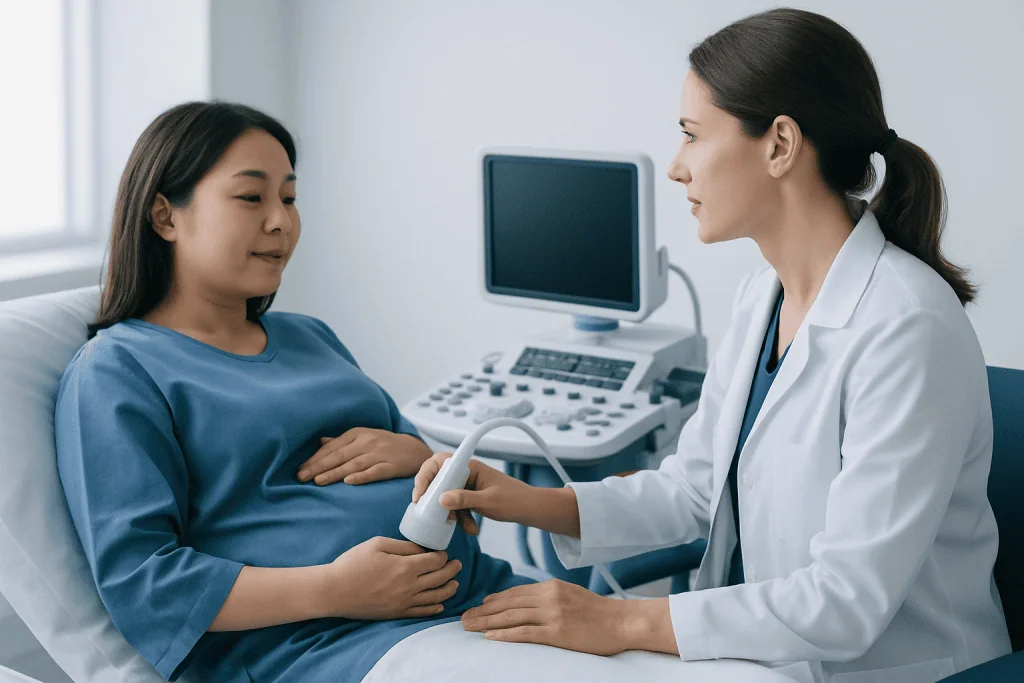
Symptoms at 13 weeks pregnant can be mixed. Some people notice less nausea and vomiting, while others still have food aversions, smell sensitivity, or an unsettled stomach. Fatigue may improve, but it can still be present, especially if sleep has been disrupted by frequent urination, vivid dreams, or general discomfort.
Other common symptoms this week include breast tenderness, bloating, constipation, headaches, mild dizziness, and heartburn. Hormonal changes can also affect mood, skin, and hair. A small amount of vaginal discharge is often normal in pregnancy if it is clear or milky and not associated with itching, burning, or a strong odor.
As the uterus grows, some people begin to feel stretching or pulling sensations low in the abdomen or groin. This is often related to round ligament pain, which can feel sharp or brief with movement, coughing, or standing up quickly. Mild cramping can occur, but severe or persistent pain should not be ignored.
- Nausea that may be improving
- Tiredness or changing energy levels
- Bloating, gas, or constipation
- Breast changes and tenderness
- Headaches or lightheadedness
- Mild lower abdominal pulling sensations
Baby Development at 13 Weeks
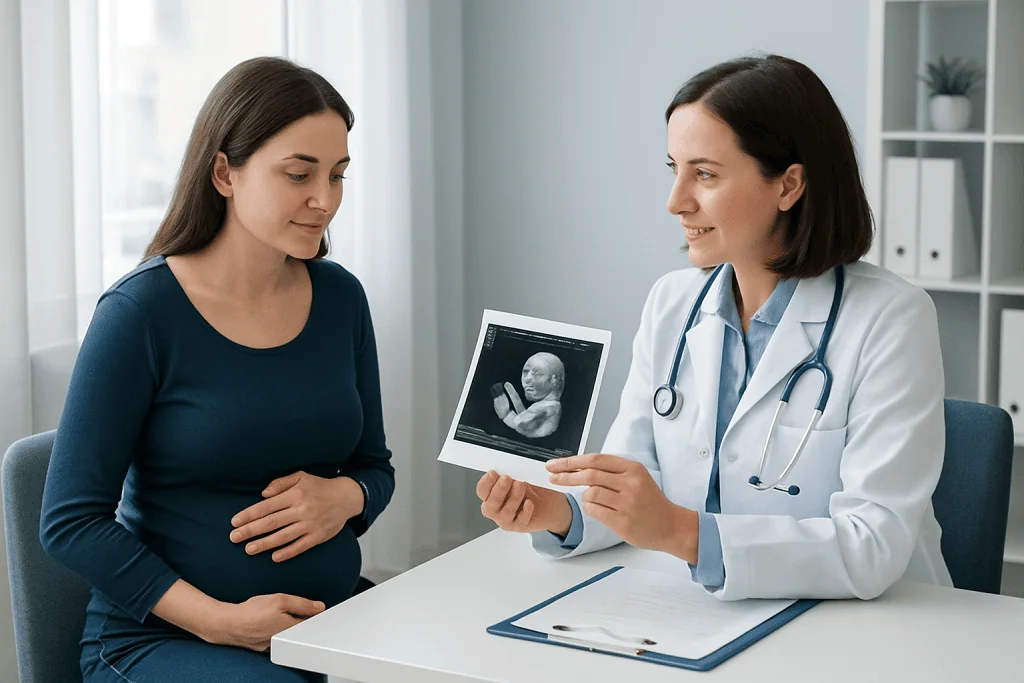
At 13 weeks, the baby is growing steadily and is often compared in size to a peach or a lemon. Exact size can vary, and ultrasound measurements are more meaningful than fruit comparisons, but this gives a simple sense of scale. The body is becoming more proportionate as the head is still large but less dominant than in earlier weeks.
Major organs continue to mature, and the baby is making small movements, although these usually cannot be felt yet. Bones are developing, facial features are becoming more defined, and the digestive system is continuing to organize. The vocal cords are forming, and the baby may even make swallowing movements.
The placenta is also becoming more efficient in supporting the pregnancy. It plays a central role in delivering oxygen and nutrients and in removing waste. Routine imaging, including ultrasound, may help confirm dating, check growth, and assess early development when recommended by the obstetric team.
Body Changes at 13 Weeks
The body continues adapting in visible and invisible ways at 13 weeks pregnant. The uterus expands, blood volume rises, and hormones continue to influence digestion, circulation, and connective tissues. These changes can explain symptoms such as bloating, nasal congestion, warmer skin, and occasional dizziness when standing quickly.
Some people begin to notice a small bump at this stage, especially in subsequent pregnancies. Waistbands may feel tighter, and posture can start to shift subtly as the abdomen changes. The breasts may remain fuller, with more visible veins, and the areolas may darken further. These are typical pregnancy-related changes.
It is also common to feel emotionally different in the second trimester. Relief, excitement, uncertainty, and mood changes may all occur. If sadness, anxiety, or distress becomes persistent or starts interfering with daily life, it is sensible to discuss this with a healthcare professional. Pregnancy care includes mental as well as physical health.
Checklist: What to Do at 13 Weeks Pregnant
This week is a useful time to focus on steady routines rather than perfection. Continuing prenatal vitamins as advised, eating regular balanced meals, staying hydrated, and getting enough rest all support maternal and fetal health. If nausea is easing, appetite may improve, which can make it easier to return to a more varied diet with fruits, vegetables, whole grains, protein sources, and calcium-rich foods.
Gentle physical activity is often encouraged during pregnancy unless a doctor has advised otherwise. Walking, stretching, and pregnancy-safe exercise can support circulation, mood, and sleep. It is also a good idea to review medications, supplements, and herbal products with a clinician, because not all over-the-counter products are recommended in pregnancy.
Practical planning matters too. This may include scheduling prenatal appointments, asking about screening tests, and noting any new symptoms. Depending on the pregnancy plan, some people may discuss options such as IVF history follow-up or other specialized care needs if relevant to how the pregnancy began. If recommended, obstetric check-ups and diagnostic assessment can help track progress and answer questions early.
- Keep prenatal appointments and ask about upcoming tests
- Take prenatal vitamins as advised
- Choose regular meals and good hydration
- Stay active with pregnancy-safe movement
- Avoid smoking, alcohol, and non-prescribed substances
- Discuss any unusual symptoms or concerns with a doctor
Healthy Habits and Self-care in the Second Trimester
Self-care at 13 weeks pregnant centers on supporting comfort and reducing avoidable risks. Eating smaller, more frequent meals may help with lingering nausea or heartburn. Fiber, fluids, and movement can also help ease constipation, which remains common because pregnancy hormones slow digestion.
Sleep may improve for some people during the second trimester, though others still feel tired. A regular sleep schedule, supportive pillows, and limiting heavy meals close to bedtime may help. Wearing a supportive bra, changing positions slowly, and avoiding long periods without food can also reduce common discomforts.
It is sensible to continue general pregnancy precautions, such as avoiding high-risk foods, limiting caffeine within the guidance provided by a clinician, and using seat belts correctly. People with existing medical conditions, prior pregnancy loss, or symptoms such as high blood pressure may need closer monitoring for issues including high-risk pregnancy. Near the end of pregnancy planning discussions, Acibadem International’s multidisciplinary specialists in JCI-accredited hospitals also provide diagnosis and treatment support for international patients when needed.
When to Seek Medical Care
Many symptoms at 13 weeks pregnant are normal, but some signs need prompt medical advice. A doctor should be contacted if there is vaginal bleeding, significant pelvic pain, severe cramping, fluid leakage, fever, painful urination, or repeated vomiting that prevents fluids from staying down. These symptoms do not always mean there is a serious problem, but they should be assessed.
Urgent care is also important for fainting, chest pain, shortness of breath, one-sided leg swelling, severe headache, or sudden vision changes. These symptoms are less common in early second trimester pregnancy, but they are not considered routine. If there is concern about pregnancy loss, evaluation for miscarriage may be needed based on symptoms and examination findings.
It is always reasonable to call a maternity care team if something feels different or worrying, even if the symptom seems minor. Early guidance can offer reassurance, identify treatable issues such as dehydration or infection, and help protect both maternal and fetal well-being.
Frequently asked questions
Is 13 weeks pregnant considered the second trimester?
Yes, 13 weeks pregnant is generally considered the beginning of the second trimester. This marks a transition period when some early symptoms may start to improve, although each pregnancy is different.
What symptoms are common at 13 weeks pregnant?
Common symptoms include fatigue, bloating, constipation, breast tenderness, headaches, and mild lower abdominal stretching sensations. Nausea may begin to improve around this time, but some people still experience it.
How big is the baby at 13 weeks?
At 13 weeks, the baby is often compared to a peach or lemon in size. This is only a general comparison, and actual measurements can vary from one pregnancy to another.
Can a baby bump show at 13 weeks pregnant?
Yes, some people begin to show at 13 weeks, while others may not notice a visible bump yet. Body shape, abdominal muscle tone, and whether this is a first pregnancy can all affect when the bump becomes noticeable.
Is cramping normal at 13 weeks pregnant?
Mild cramping or pulling sensations can be normal as the uterus grows and the supporting ligaments stretch. However, severe, persistent, or one-sided pain should be discussed with a doctor, especially if it happens with bleeding or dizziness.
What should be avoided at 13 weeks pregnant?
It remains important to avoid alcohol, smoking, recreational drugs, and medications that have not been approved by a healthcare professional. People should also follow pregnancy food safety guidance and attend routine prenatal care.
References
- American College of Obstetricians and Gynecologists
- National Health Service
- Mayo Clinic
- World Health Organization
- Centers for Disease Control and Prevention
This article is for general information only and is not a substitute for professional medical advice. Please consult a qualified doctor about your individual situation.
Persistent digestive symptoms? Get evaluated in Turkey
JCI-accredited · board-certified surgeons · reply within 24h
Add us as a Preferred Source to see more of our trusted health content across Google Search, AI Overviews and Discover.