30 Weeks Pregnant: Symptoms, Baby Development, and What to Expect

At 30 weeks pregnant, the baby is continuing rapid brain, lung, and body growth. Common symptoms this week include fatigue, back pain, heartburn, shortness of breath, and stronger fetal movement.
Key Takeaways
- At 30 weeks pregnant, the baby is continuing rapid brain, lung, and body growth.
- Common symptoms this week include fatigue, back pain, heartburn, shortness of breath, and stronger fetal movement.
- Routine prenatal care becomes increasingly important in the third trimester.
- Healthy habits, rest, hydration, and monitoring fetal movement can support wellbeing.
- Urgent medical advice is needed for bleeding, severe pain, reduced movement, contractions, or signs of preeclampsia.
At 30 weeks pregnant, the third trimester is well underway. Many pregnant people notice stronger fetal movement, more physical discomforts such as back pain or heartburn, and a growing need to prepare for birth, while the baby continues gaining weight and maturing for life outside the womb.
Overview: what 30 weeks pregnant usually feels like
At 30 weeks pregnant, the pregnancy has entered a stage where the baby is growing quickly and the body is working harder to support that growth. This week often brings a mix of excitement and discomfort: the baby’s movements may feel stronger and more regular, while the pregnant person may notice fatigue, pelvic pressure, interrupted sleep, and increased shortness of breath.
Week 30 is part of the third trimester, which is a time of close observation rather than alarm. Many symptoms that appear now are expected as the uterus expands, hormones continue to shift, and posture changes. Even so, it is also the stage when certain warning signs should not be ignored, making regular prenatal appointments especially important.
For many families, this is also a practical planning period. It can help to think about birth preferences, hospital preparation, newborn supplies, and support at home after delivery. A structured routine for rest, nutrition, hydration, and movement may make day-to-day life more comfortable in the weeks ahead.
Symptoms this week
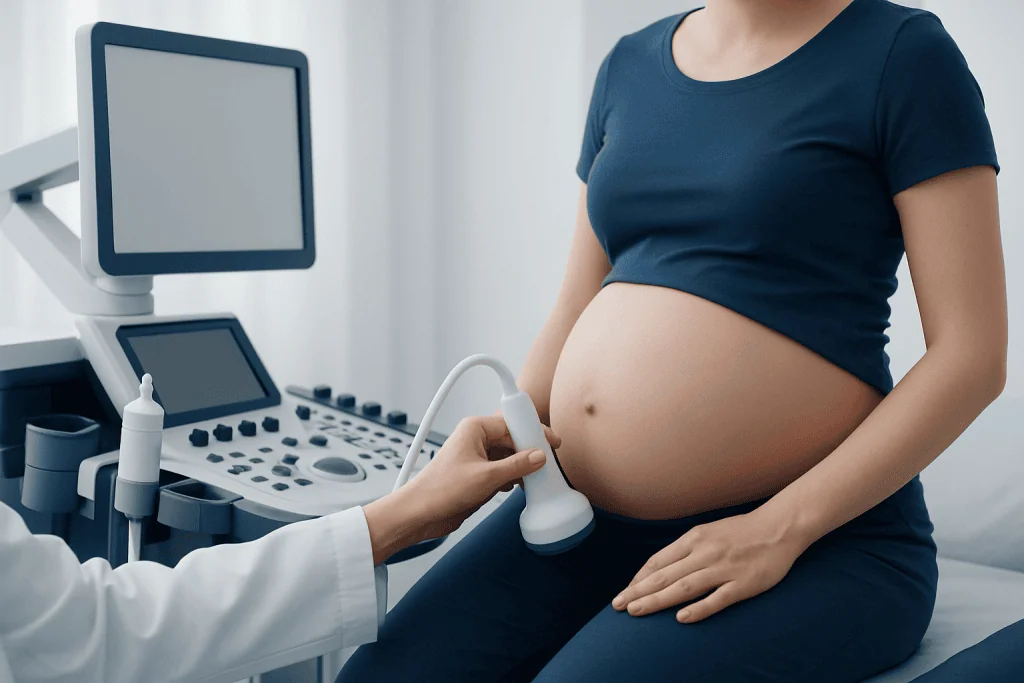
Common 30 weeks pregnant symptoms are usually related to the baby’s size and the body’s ongoing adjustment to late pregnancy. Back pain is frequent because the center of gravity shifts forward as the uterus grows. Pelvic heaviness, mild swelling in the feet and ankles, constipation, bloating, and heartburn may also become more noticeable.
Shortness of breath can happen because the enlarging uterus limits how much the lungs can expand. This often feels uncomfortable but is not always a sign of a serious problem. Frequent urination may continue, and sleep may become less restful due to difficulty finding a comfortable position, leg cramps, or the need to change position often during the night.
Many people also notice Braxton Hicks contractions. These are usually irregular, mild tightening sensations that come and go and do not steadily intensify. Emotional changes can happen too, including worry about labor, impatience, or periods of low energy. These feelings are common and may improve with support, sleep, and reassurance from a prenatal care team.
- Stronger fetal movement
- Fatigue or lower energy
- Backache and pelvic pressure
- Heartburn or indigestion
- Swollen feet or ankles
- Sleep disruption and vivid dreams
Baby development at 30 weeks

At 30 weeks pregnant, the baby is developing rapidly and continuing to gain body fat. A common size comparison is that the baby is about the size of a large cabbage. Although exact measurements vary, the baby is becoming longer, heavier, and more proportionate as the third trimester progresses.
The brain is growing quickly at this stage, with increasing complexity in brain tissue and nerve connections. The lungs are still maturing, and the baby continues practicing breathing movements. Bones are developing, although they remain softer than they will be after birth. The skin is gradually smoothing as more fat is stored under the surface.
Many babies also develop more regular sleep-wake patterns by this point, which may be noticed as active periods followed by quieter times. Kicks, stretches, rolls, and hiccups can all be felt. If movement patterns seem to change significantly, it is sensible to discuss this promptly with a doctor or midwife.
Body changes in the pregnant person
The body changes at 30 weeks pregnant are largely shaped by uterine growth, hormonal effects, and increased blood volume. The abdomen becomes more prominent, and posture often changes as the spine and core muscles adapt to the extra weight. This can place strain on the lower back, hips, and ligaments, sometimes causing discomfort when walking, turning in bed, or standing for long periods.
Blood circulation and fluid retention can contribute to swelling, especially later in the day or in warm weather. Mild swelling in the feet and ankles is common, but sudden swelling of the face, hands, or around the eyes should be assessed because it can sometimes be associated with preeclampsia. Hormones may also affect the skin and gums, leading to sensitivity, nasal congestion, or visible veins.
The breasts may feel fuller as the body continues preparing for feeding after birth. Some people notice leakage of colostrum, the early form of breast milk. Digestive changes often continue too, including slower bowel movement, heartburn, and reduced appetite for large meals. Smaller, more frequent meals and upright posture after eating may help reduce discomfort.
Checklist: what to do at 30 weeks pregnant
A useful approach at 30 weeks is to combine symptom management with practical preparation. Prenatal visits should continue as advised, and any recommended blood pressure checks, laboratory tests, or screening should be completed on schedule. If a doctor has advised tracking fetal movement, following that guidance consistently can help identify changes early.
Daily self-care can also make this week more manageable. Hydration, balanced meals, and gentle movement such as walking or pregnancy-safe stretching may support circulation, digestion, and energy. Resting on the side, often the left side unless otherwise directed, may improve comfort and blood flow. Supportive shoes, pillows, and maternity belts may help with posture and back strain.
This is also a good time to prepare for labor and after-birth care. Many people begin packing a hospital bag, reviewing transportation plans, and learning about pain relief options or birth support. If a cesarean birth is already expected for medical reasons, discussing the process of cesarean delivery with the care team may help reduce uncertainty. Some may also find it helpful to speak with specialists about pregnancy follow-up and delivery planning as the due date approaches.
- Keep prenatal appointments
- Monitor blood pressure or blood sugar if advised
- Stay hydrated and eat small, balanced meals
- Rest and change positions often
- Begin hospital and newborn preparation
- Ask about childbirth education and feeding support
Prenatal care and possible tests in the third trimester
By 30 weeks pregnant, routine prenatal care often becomes more frequent than it was earlier in pregnancy. At these visits, the clinician may check blood pressure, weight, urine, and fetal heart rate, and measure the size of the uterus to see whether growth appears appropriate. Questions about movement, contractions, swelling, headaches, and general wellbeing are also important parts of the visit.
Some pregnant people will need additional monitoring based on their medical history or current symptoms. This may include extra ultrasound evaluation, nonstress testing later in the third trimester, or closer follow-up for conditions such as high blood pressure, gestational diabetes, or anemia. If there are concerns about contractions, cervical changes, or pelvic pressure, assessment may also focus on ruling out preterm labor.
When symptoms, blood pressure, or lab findings suggest a possible complication, prompt investigation is the safest approach. In some cases, specialized support may include maternal-fetal monitoring, perinatology consultation, or individualized delivery planning. The goal is not simply to respond to problems, but to identify them early and protect both the pregnant person and baby.
When to seek medical care
Most symptoms at 30 weeks pregnant are uncomfortable rather than dangerous, but some need prompt medical advice. A doctor or maternity unit should be contacted urgently for vaginal bleeding, fluid leaking from the vagina, regular painful contractions, severe abdominal pain, fainting, chest pain, or significant trouble breathing. Reduced or clearly changed fetal movement also deserves timely assessment.
Other warning signs include a severe headache that does not improve, vision changes, sudden swelling of the face or hands, fever, or pain and burning during urination. These symptoms can have different causes, but they should not be self-diagnosed at home. If there is concern about high blood pressure or symptoms linked to high-risk pregnancy, medical review is especially important.
Near the end of pregnancy, many people benefit from care that brings together obstetricians, neonatologists, and other specialists when needed. Acibadem International’s multidisciplinary specialists and JCI-accredited hospitals provide diagnosis, monitoring, and treatment for international patients with routine and complex pregnancies. Any care decision, however, should be based on an individual medical assessment.
Frequently asked questions
Is it normal to feel more tired at 30 weeks pregnant?
Yes. Fatigue is common at 30 weeks because the body is carrying more weight, sleep may be disrupted, and the baby’s growth demands more energy. Rest, hydration, balanced meals, and gentle activity may help, but severe exhaustion should be discussed with a doctor.
How often should the baby move at 30 weeks?
Movement patterns vary, but most people notice regular activity each day by this stage. There is no single normal number for everyone, so it is more important to be aware of the baby’s usual pattern. If movement becomes much less frequent or weaker than usual, medical advice should be sought promptly.
Are Braxton Hicks contractions common at 30 weeks?
Yes, Braxton Hicks contractions are common in the third trimester. They are usually irregular, mild, and do not become closer together over time. If contractions are painful, regular, or associated with fluid leakage or bleeding, urgent assessment is needed.
Why is heartburn worse at 30 weeks pregnant?
Heartburn often becomes more noticeable because pregnancy hormones relax the valve between the stomach and esophagus, and the growing uterus increases pressure on the stomach. Smaller meals, avoiding lying down right after eating, and limiting trigger foods may help. Persistent or severe symptoms should be discussed with a clinician.
Is shortness of breath normal at 30 weeks pregnant?
Mild shortness of breath can be normal in late pregnancy because the uterus limits lung expansion and the body needs more oxygen. It often feels worse when climbing stairs or lying flat. However, sudden, severe, or painful breathing problems should be treated as urgent.
What should be on a 30 weeks pregnant checklist?
A practical checklist includes attending prenatal visits, monitoring fetal movement if advised, preparing a hospital bag, planning transportation, and reviewing infant care needs. It can also help to discuss labor expectations, feeding plans, and emergency contact steps with the care team.
References
- World Health Organization
- American College of Obstetricians and Gynecologists
- NHS
- Centers for Disease Control and Prevention
- March of Dimes
This article is for general information only and is not a substitute for professional medical advice. Please consult a qualified doctor about your individual situation.
Persistent digestive symptoms? Get evaluated in Turkey
JCI-accredited · board-certified surgeons · reply within 24h
Add us as a Preferred Source to see more of our trusted health content across Google Search, AI Overviews and Discover.
Check your numbers in seconds
BMI, calories, due date, blood pressure and 30+ more clinical calculators — free, instant, doctor-reviewed ranges.

More from the Health Library



Related Specialists

Dr. Hasan Abbasguliyev
Radiology
Prof. Dr. Sefa Müezzinoğlu
Orthopedic Surgery & Traumatology
Assoc. Prof. Dr. İsmail Yüce
Neurosurgery
Dr. Emel Özveren
Anesthesiology